
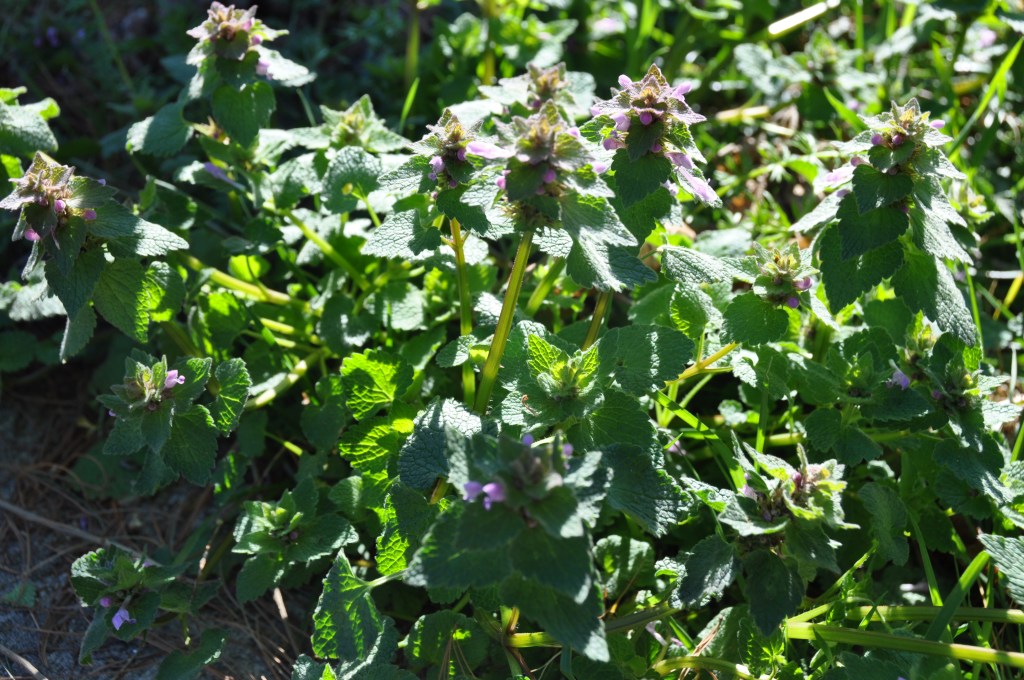
Look around your yard! Do you see those little purple flowers carpeting a shady corner? Those, my friend, could be purple dead nettle (Lamium purpureum), a hidden gem in the world of forageable plants. Before you dismiss them as just another weed, let me tell you why you might want to get to know this little powerhouse a little better!
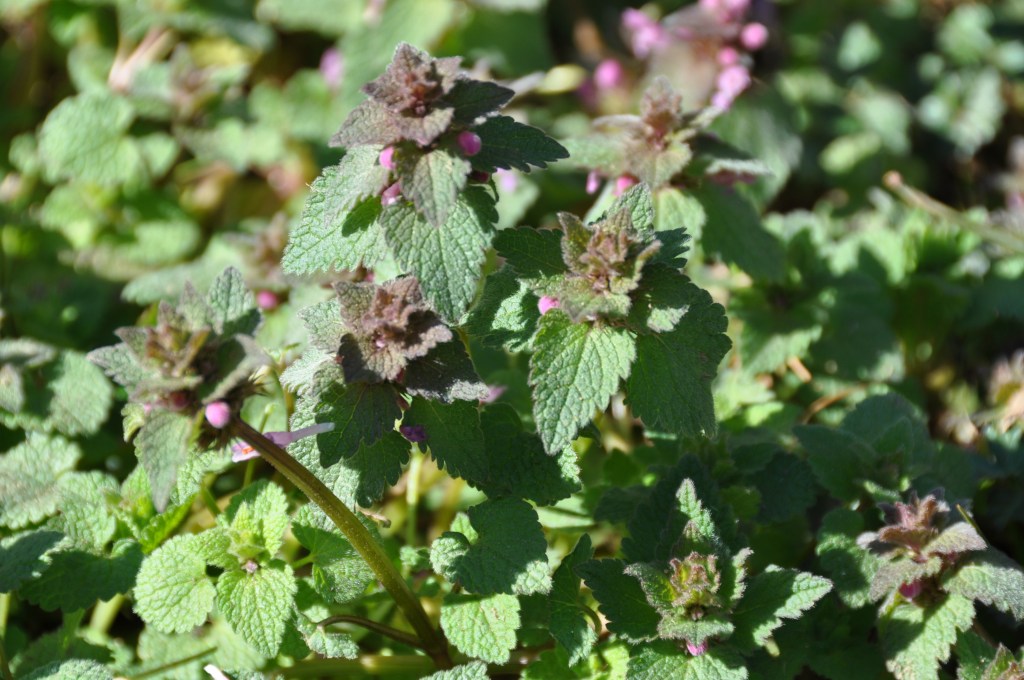
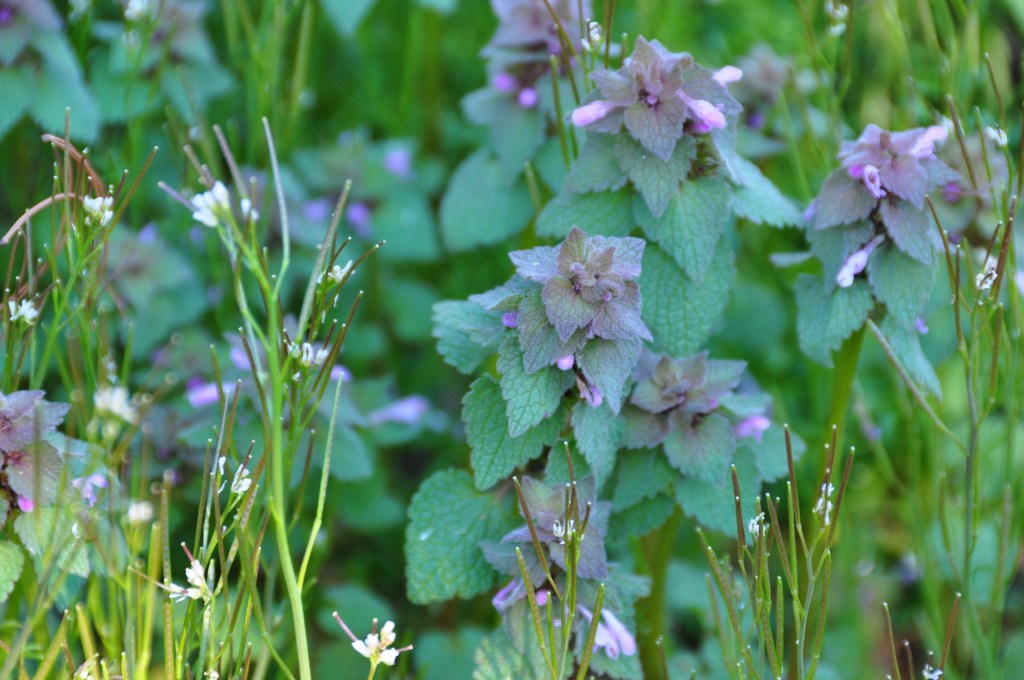
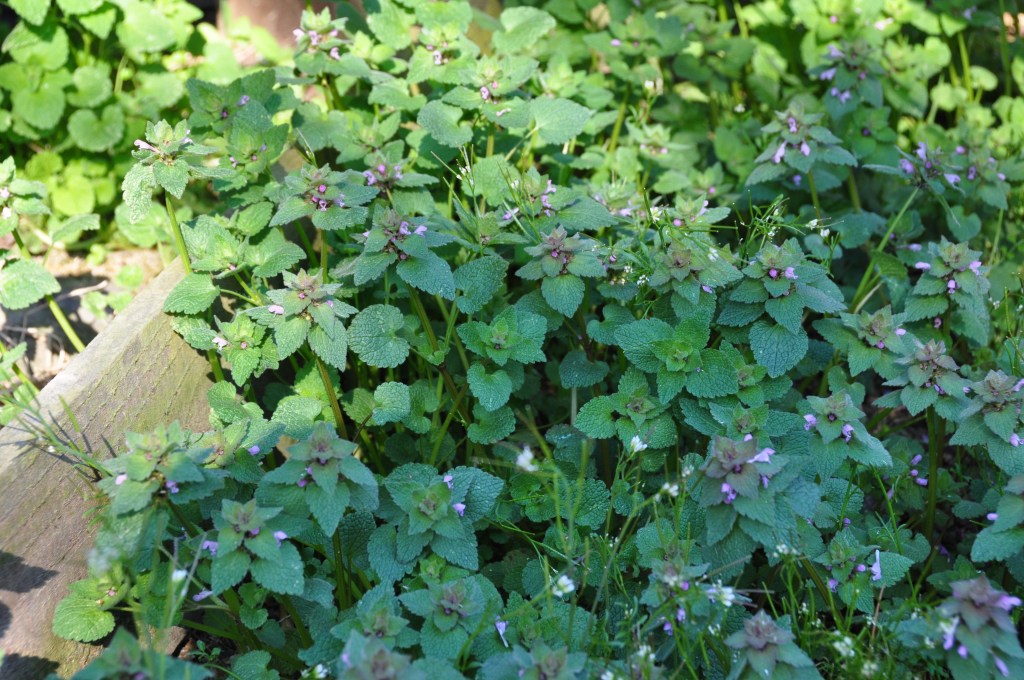
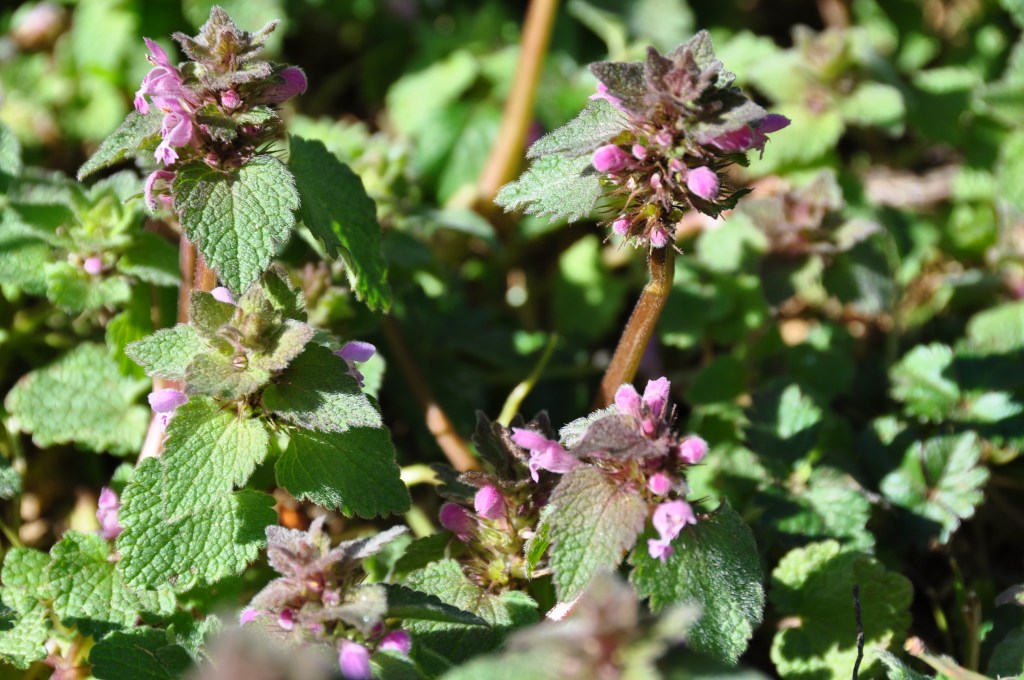
Purple dead nettle is a common wildflower with heart-shaped, scalloped leaves and vibrant purple blooms that appear in early spring – right about now! It thrives in moist, shaded areas, so keep an eye out near fences, under trees, or anywhere that gets a bit less sunshine. But this isn’t just a pretty face – dead nettle boasts a rich history and a surprising amount of uses!
A Weed With a Past
For centuries, dead nettle has been a trusted companion in traditional medicine cabinets around the world. Cultures from Europe to Asia have utilized its diverse properties to address a wide range of ailments. Here’s a glimpse into its historical uses:
Wound Healing and Skin Soother: Dead nettle’s astringent properties were traditionally used to staunch bleeding and promote wound healing. Crushed leaves were often applied directly to cuts, scrapes, and insect bites to reduce inflammation and speed recovery.
Cough and Cold Relief: The leaves’ potential decongestant and expectorant properties made dead nettle tea a popular remedy for coughs, colds, and even asthma. The idea was that the tea would help loosen mucus and ease congestion, making breathing easier.
Taming Tummy Troubles: Culinary and medicinal uses often intertwined in the past. Dead nettle leaves were incorporated into dishes and teas to soothe digestive issues like diarrhea and stomach cramps.
Aiding Allergies: Traditionally, dead nettle has been used to combat allergies, particularly hay fever. The reasoning behind this use likely stems from its potential anti-inflammatory properties, which could theoretically help reduce allergy symptoms like runny nose and itchy eyes. It’s important to note that while anecdotal evidence suggests this benefit, more scientific research is needed to confirm its effectiveness for allergies.
“Friend of Women”: Dead nettle earned this nickname due to its supposed benefits for women’s health. Traditionally, it was used to regulate menstrual cycles, ease cramps, and even support fertility. The hormonal effects of dead nettle haven’t been extensively studied, so it’s always best to consult a healthcare professional before using it for any specific women’s health concerns.
This is just a taste of dead nettle’s rich history in traditional medicine. While modern science is still unraveling the complexities of this plant, its long history of use speaks volumes about its potential benefits.
Modern Benefits of a Medieval Marvel
Modern science is starting to peek behind the curtain of dead nettle’s traditional uses. Studies are investigating its potential health benefits, and the results so far are intriguing. One area of focus is dead nettle’s possible anti-inflammatory properties. Inflammation is the body’s natural response to injury or irritation, but chronic inflammation can contribute to various health issues. Research suggests that dead nettle may contain compounds that help reduce inflammation, potentially offering relief for conditions like arthritis, bug bites, and even eczema.
Additionally, dead nettle is being studied for its potential antibacterial properties. These properties could be beneficial for wound healing and may even help combat certain strains of bacteria. Furthermore, some studies suggest dead nettle may possess diuretic effects, which could increase urine output and potentially support urinary tract health.
It’s important to remember that research on dead nettle is still in its early stages. While these potential benefits are promising, more studies are needed to fully understand its effectiveness and safety. It’s also important to note that dead nettle may interact with certain medications. Therefore, it’s always best to consult with a healthcare professional before using dead nettle for any serious health concerns or if you are taking any medications.
Harvesting Your Own Dead Nettle
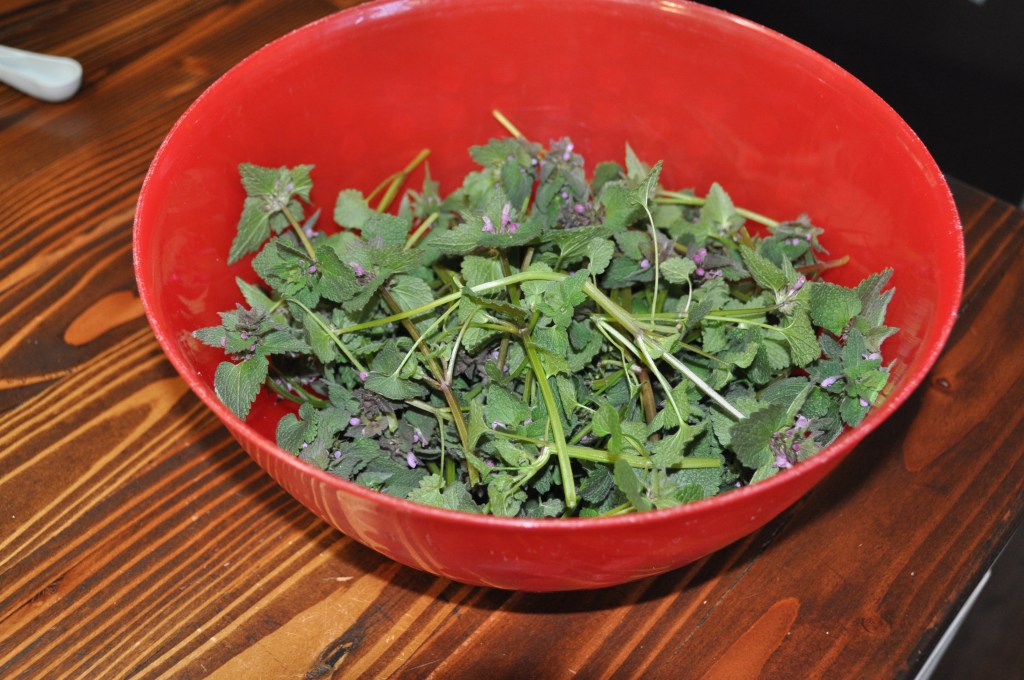
Now that you’re excited about dead nettle, let’s get foraging! Look for young, tender leaves and flower heads. Avoid plants near roadways or heavily sprayed areas. Simply snip off the top few inches of the plant with scissors or sharp pruners. Remember, leave plenty behind so this little wonder can keep growing!
Preserving Your Foraged Bounty
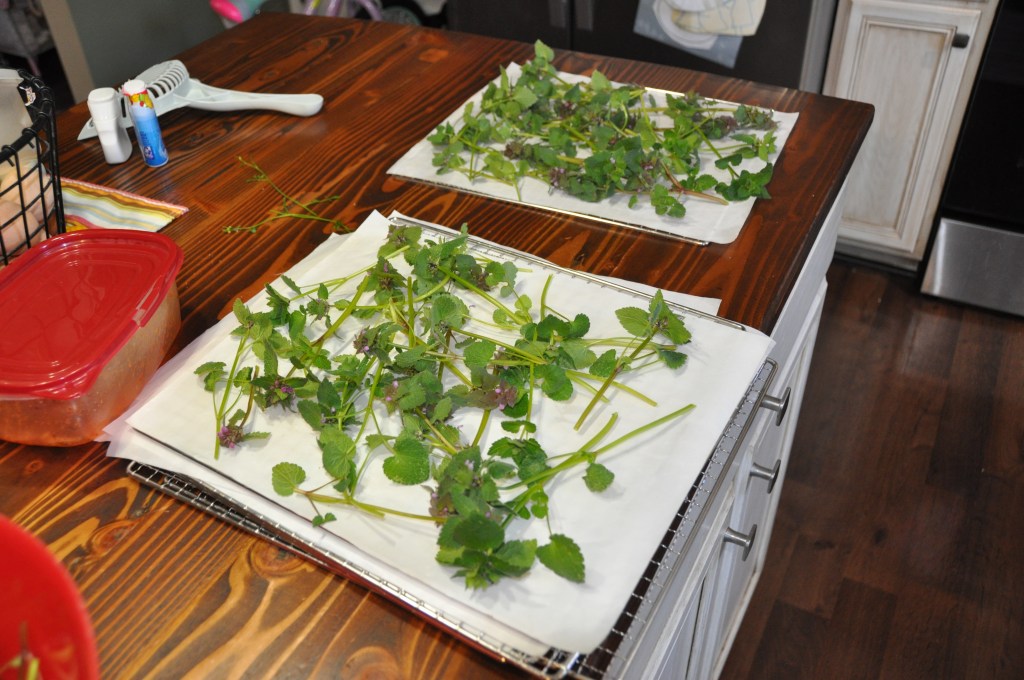
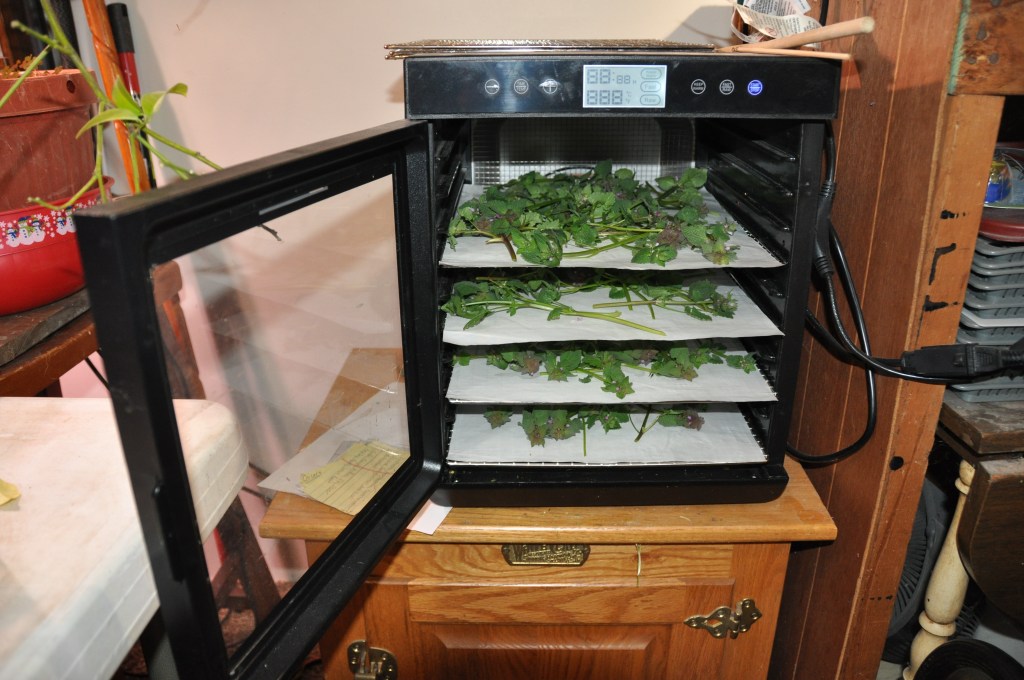
There are two main ways to preserve your dead nettle: air drying and dehydrating. For air drying, spread the leaves and flowers on a clean screen or mesh tray in a warm, well-ventilated area out of direct sunlight. Turn them regularly until completely dry (about a week). Dehydrating is faster; follow your dehydrator’s instructions for leafy greens. Once dry, store your dead nettle in airtight containers in a cool, dark place for up to a year.
From Backyard to Brew: Using Dead Nettle
Now comes the fun part – using your foraged treasure! Dead nettle is incredibly versatile. Let’s explore a few ways to incorporate it into your natural wellness routine:
Soothing Tea: Steep 1-2 teaspoons of dried dead nettle leaves in a cup of hot water for 10 minutes. Strain and enjoy warm for a relaxing and potentially anti-inflammatory beverage. This tea is great before bed or to soothe a sore throat.
Nourishing Salve: Dead nettle makes a wonderful base for a healing salve. Combine 1 cup of infused dead nettle oil (see below) with 1/2 cup of beeswax, melted in a double boiler. Pour the mixture into tins and let cool completely. This salve is fantastic for dry skin, minor cuts, and bug bites.
Bonus Recipe: Dead Nettle Infused Oil
Dead nettle oil is a versatile base for many topical remedies. Pack a jar loosely with dried dead nettle leaves. Cover with olive oil, making sure all the plant material is submerged. Seal the jar and place it in a sunny window for 4-6 weeks, shaking it daily. Strain the oil and store it in a dark bottle for up to 6 months. Use it in your salve recipe or simply apply it directly to the skin for its moisturizing and anti-inflammatory benefits.
Let’s Not Forget It’s Culinary Side
Don’t underestimate the culinary potential of your foraged dead nettle! This versatile plant can add a delightful touch to many dishes. The young leaves have a mild, earthy flavor reminiscent of spinach or mint, with a hint of cucumber. As the plant matures, the leaves can develop a slightly bitter taste, so focus on harvesting the younger, more tender growth.
Purple dead nettle can be enjoyed raw or cooked. Freshly chopped leaves add a delightful surprise to salads, sandwiches, or even smoothies. For a cooked option, try lightly sauteing the leaves with garlic and olive oil for a delicious side dish. Dead nettle also shines in pestos, frittatas, and quiches, offering a unique and nutritious twist to classic recipes.
The delicate flowers are edible too! Sprinkle them over salads or desserts for a beautiful and flavorful garnish. Remember, when using dead nettle in the kitchen, start with a small amount and adjust to your taste preference. With a little creativity, you can transform this backyard “weed” into a delicious and healthy addition to your meals.
So next time you see those purple flowers peeking out in your yard, don’t reach for the weedkiller! Dead nettle is a testament to nature’s bounty, offering a taste of history and a potential path to natural wellness, right in your own backyard. Happy foraging!

 RJ Homestead
Leave a comment