
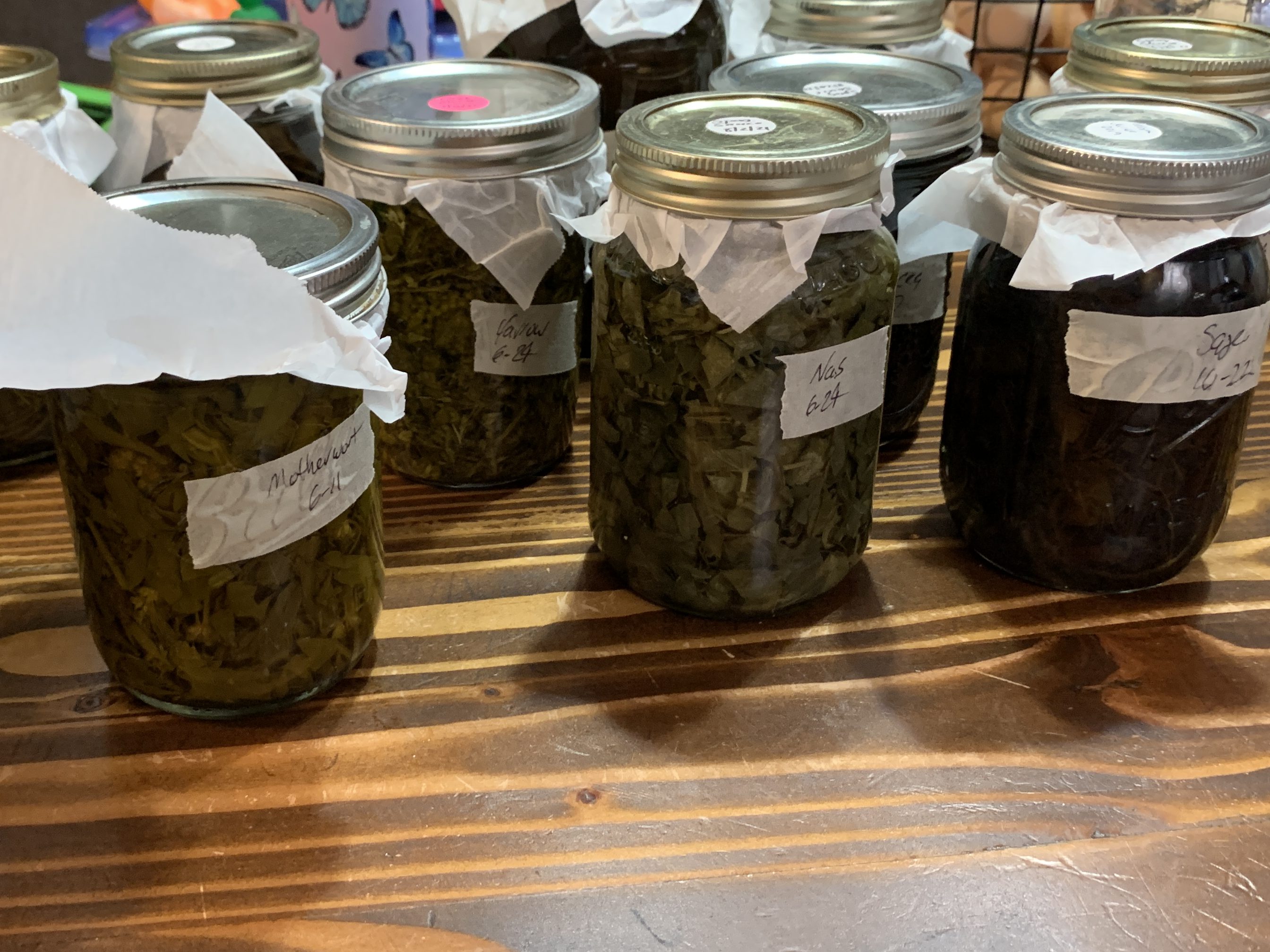
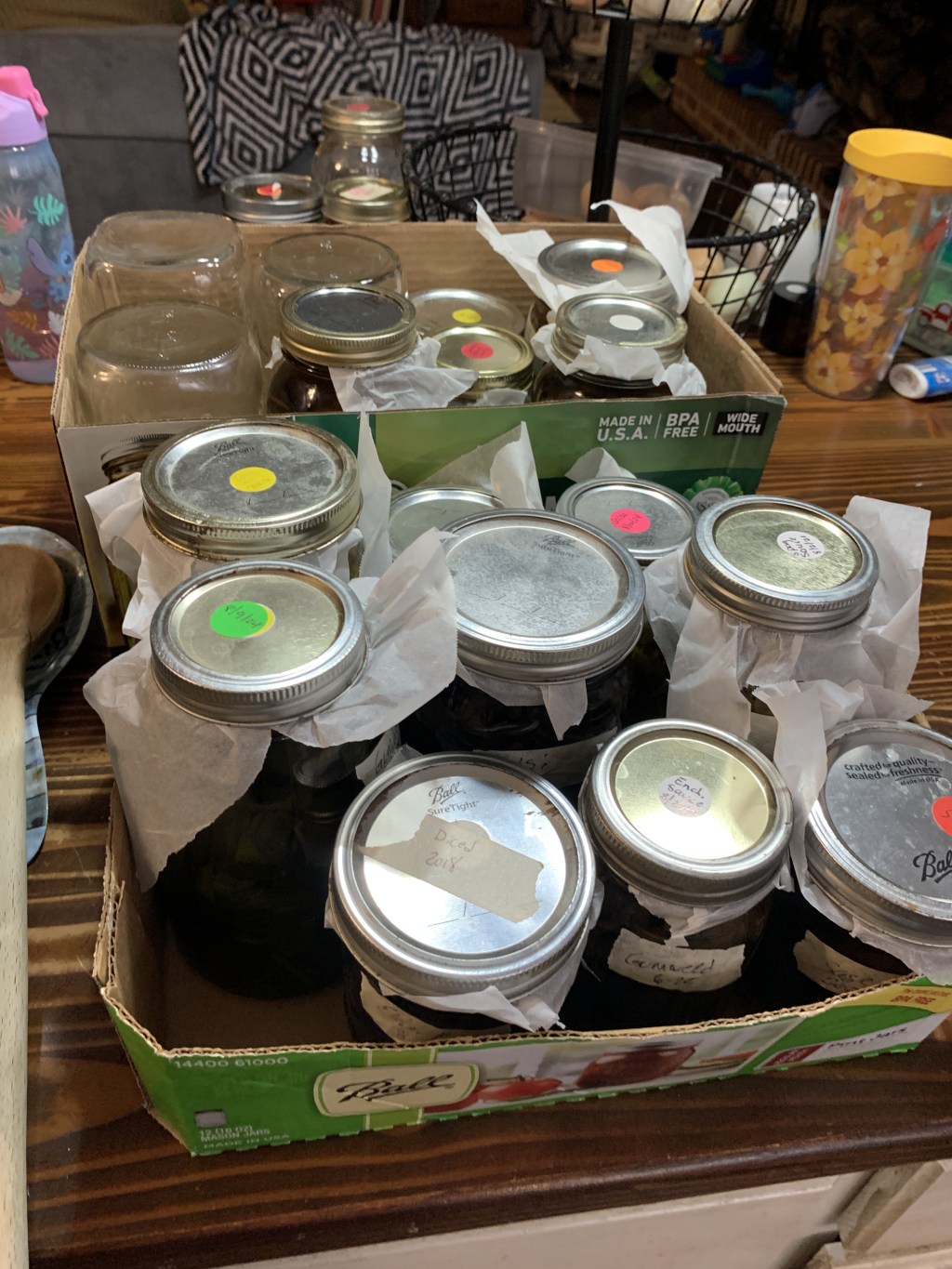
The rain is drumming a steady rhythm on the roof – the perfect excuse for a cozy day of prepping our homemade tinctures! Those jars filled with last year’s foraged treasures and vodka have been patiently waiting since September, and today’s the day to transform them into potent herbal allies. Straining and bottling them now not only frees up space for the upcoming foraging season, but also gives us a clear picture of what herbal friends we have on hand and what we might need to keep an eye out for in the coming months.
This year, our tincture bounty boasts some exciting additions – motherwort, boneset, and cleavers – all harvested during our summer explorations. For those new to the world of tinctures, here’s a quick rundown of the process:
The Waiting Game: Maceration Magic
The general rule of thumb is to let your plant material steep in alcohol for 4-6 weeks. However, if you don’t need it right away, there’s no harm in letting it sit even longer. The key is to store your jars in a cool, dark place away from direct sunlight. And don’t forget to give them a good shake every few days! This ensures everything stays submerged in the alcohol. Depending on whether you used fresh or dried herbs, you might need to top up the jar occasionally as the plant material absorbs the alcohol.
Our Folk Method: Simple and Effective
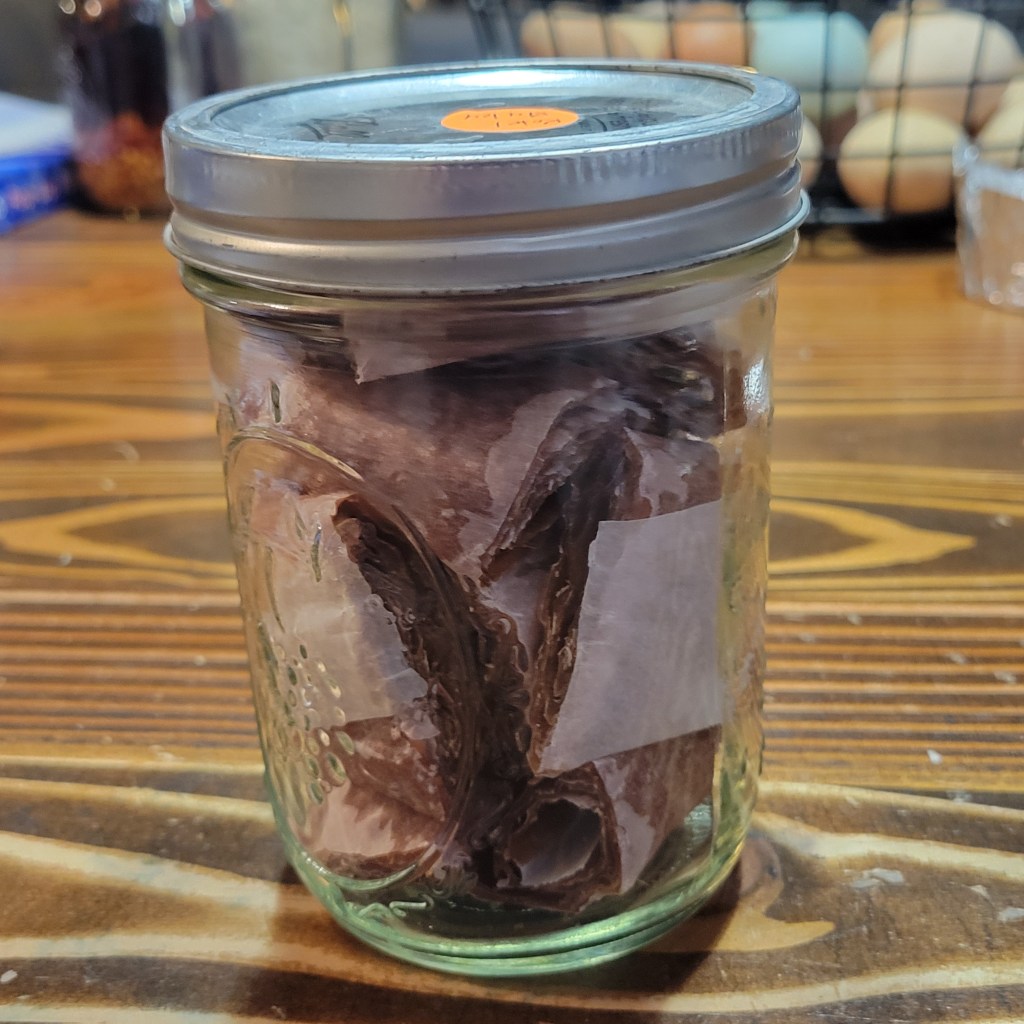
We like to keep things simple, following a traditional folk method. We fill our jars ¾ of the way with our chosen plant material, then top it off with good ol’ 80-proof vodka (it’s affordable and gets the job done!). While some herbs might benefit from a higher proof alcohol for optimal extraction, we haven’t noticed a significant difference using 80-proof across the board for our purposes. A final touch – a piece of parchment paper nestled between the lid and the alcohol helps prevent any unwanted material from finding its way into your final tincture.

Straining for Clarity: From Pulp to Potency
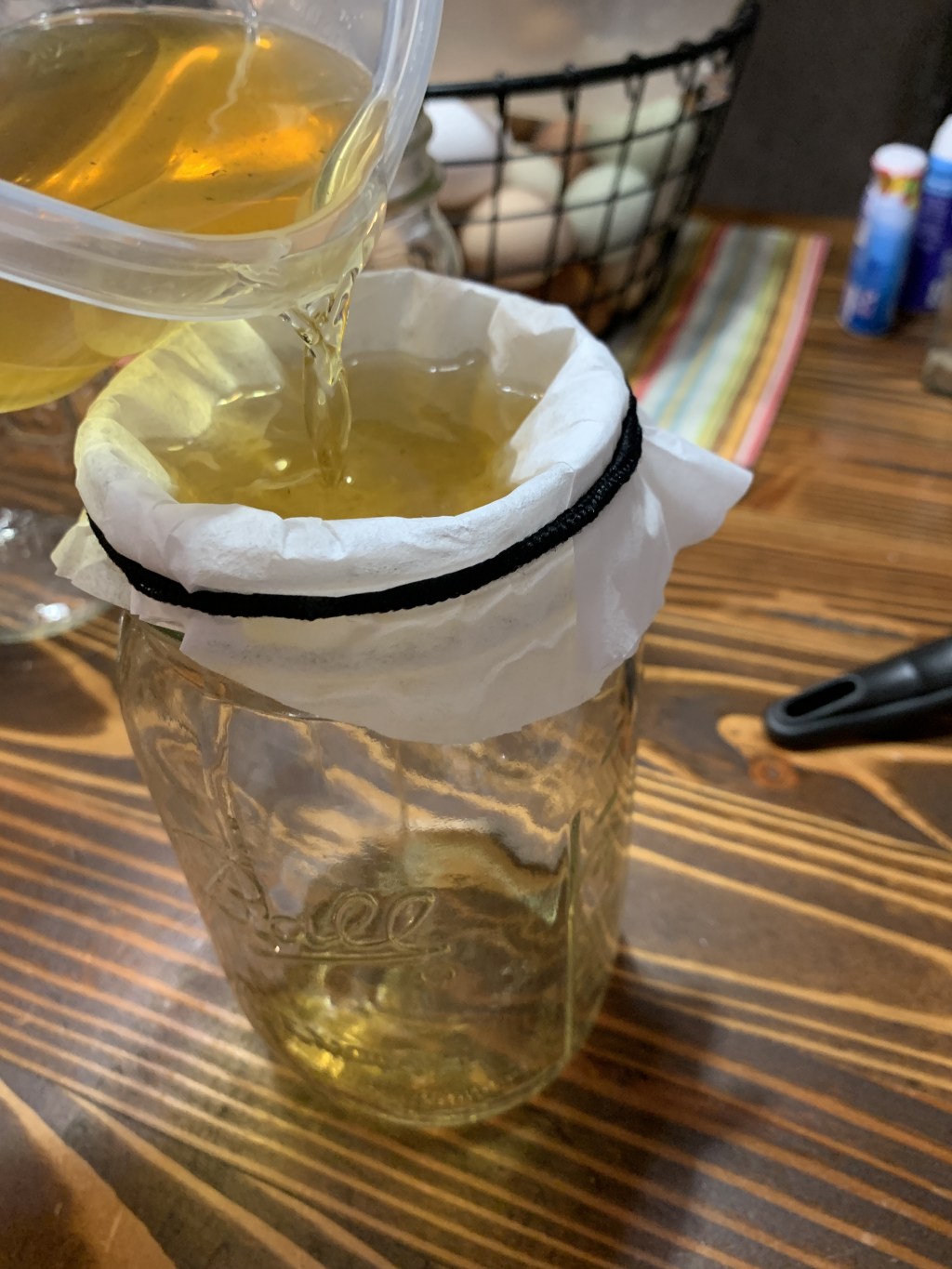
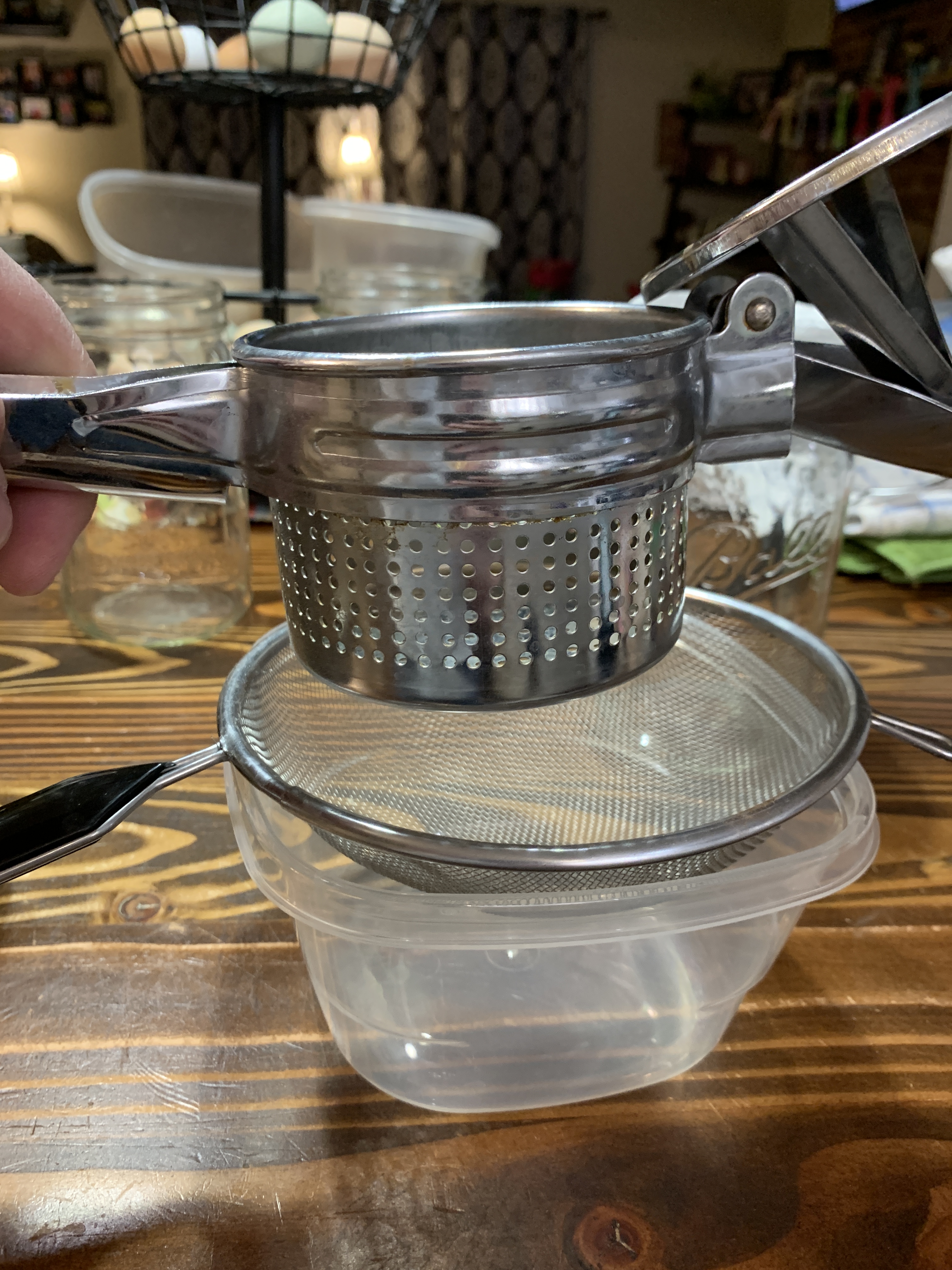
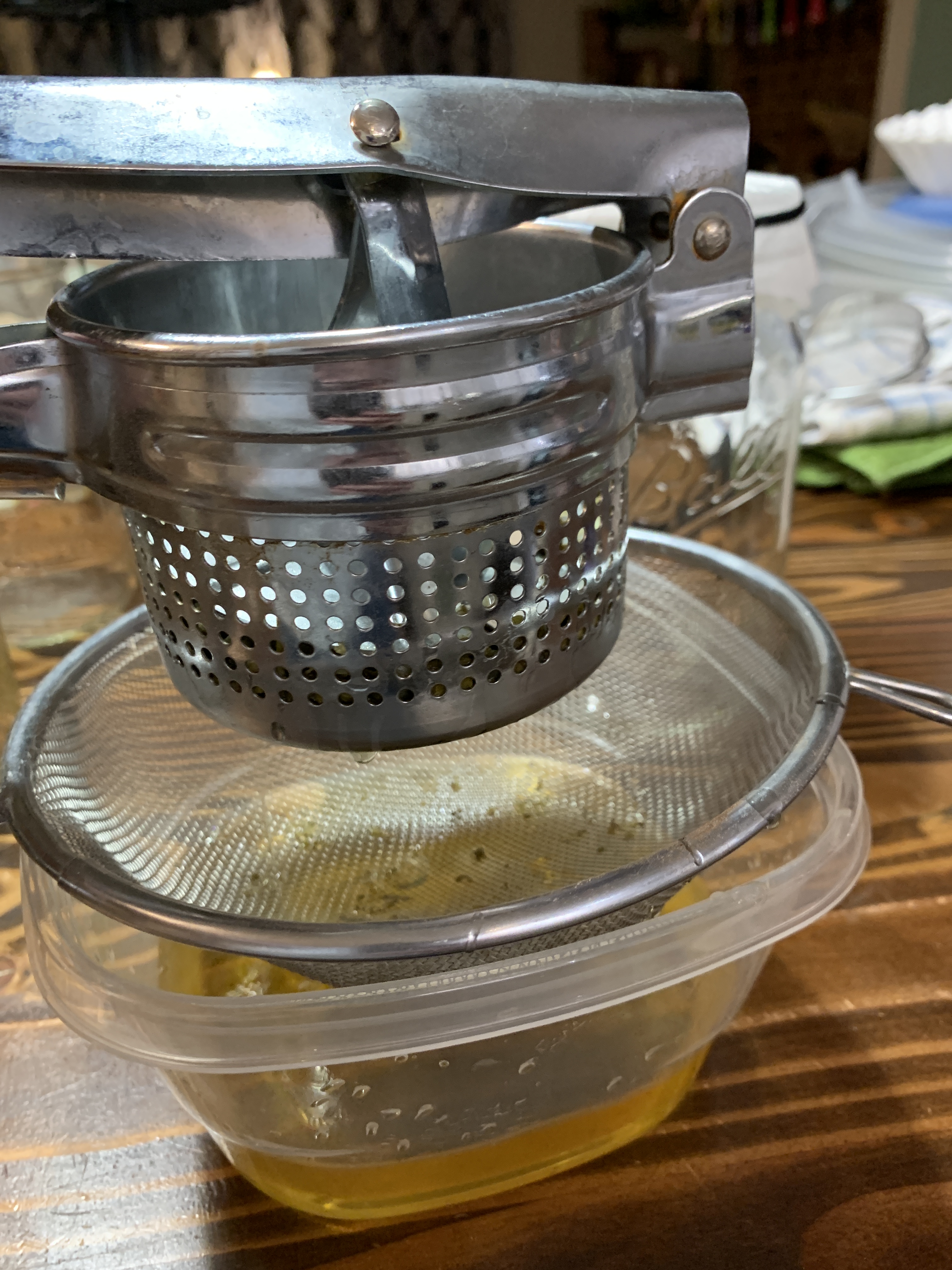
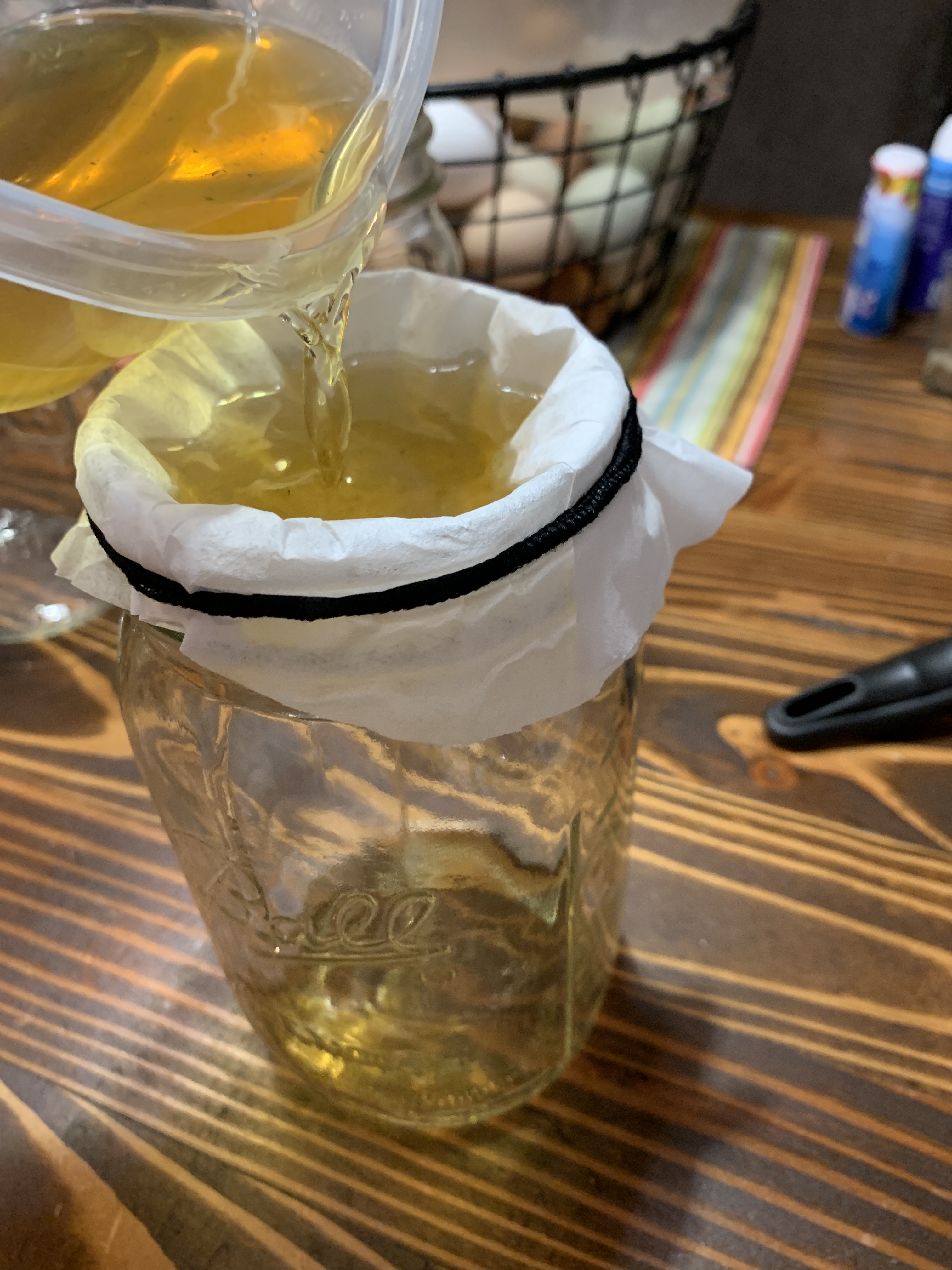
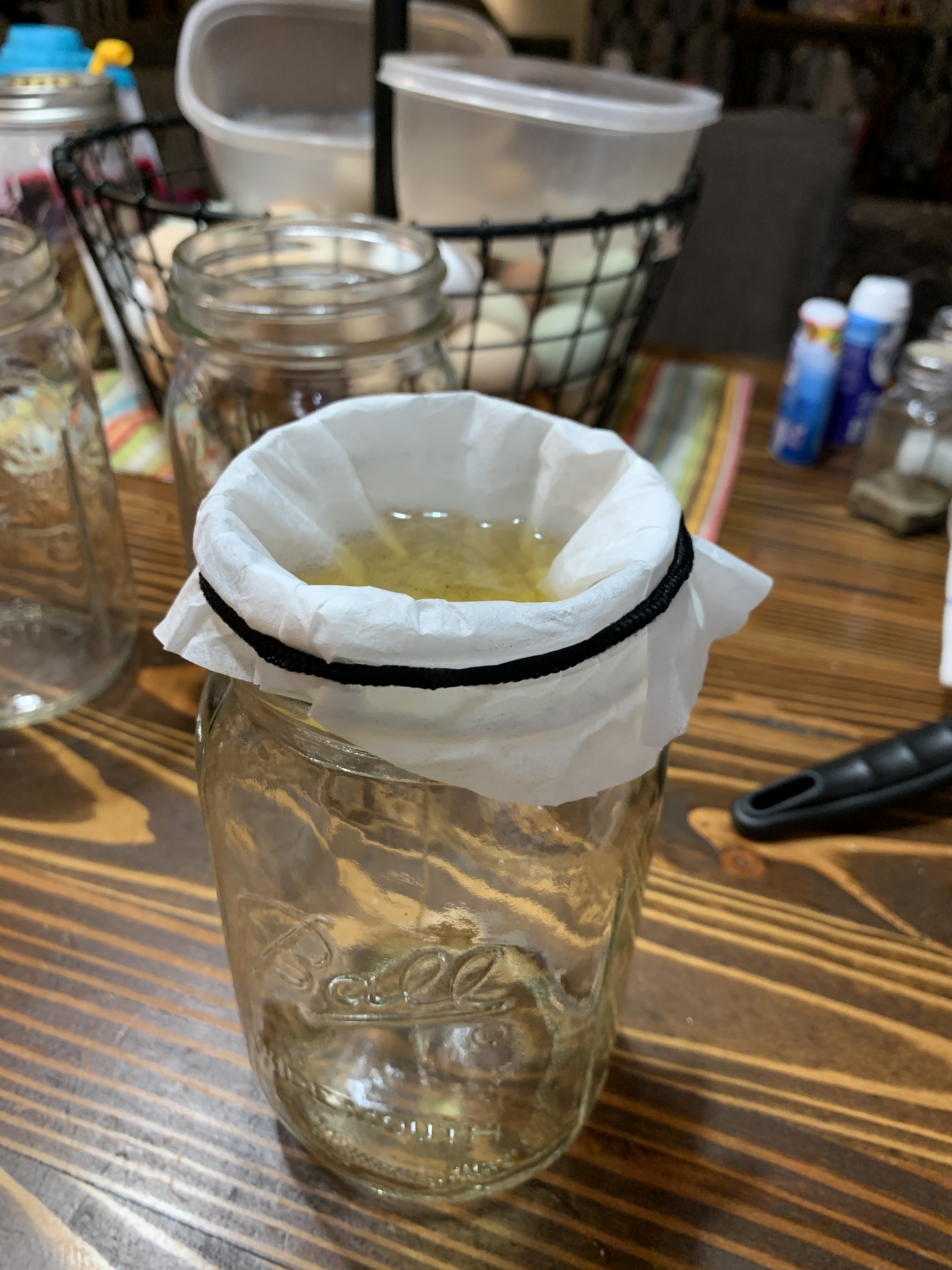
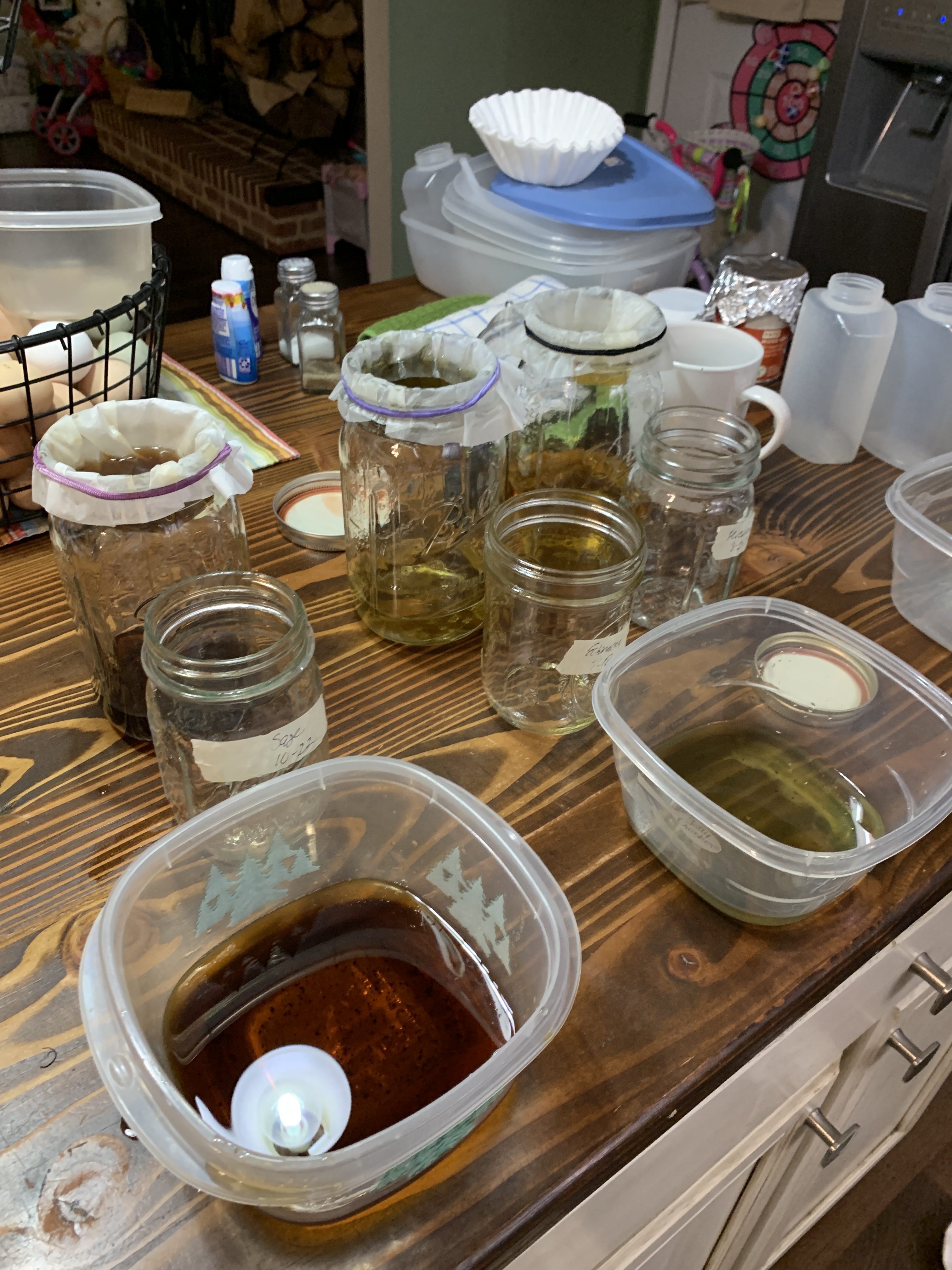
Once your herbal infusion has had ample time to work its magic, it’s time to separate the plant material from the precious liquid gold. Our secret weapon for this stage? A potato ricer and a metal sieve! This dynamic duo does wonders for the initial filtering. After pouring out the jar’s contents, we use the ricer to squeeze out every last drop of the potent liquid from the plant material. The next step involves slow and steady pouring of the liquid through coffee filters nestled in mason jars. This filtration process might take a while, and depending on the amount of sediment, you might need to replace the filters halfway through. But the reward? A beautifully clear tincture, ready to be stored in a cool, dark place and used as needed.


Our Tinctures this year include:
Black Walnut Hull: Traditionally used as a vermifuge to expel worms and parasites, black walnut hull also has potential antibacterial and antifungal properties.
Spilanthes (aka toothache plant): This lesser-known herb has a numbing effect and was traditionally used to relieve toothaches and mouth pain. Modern research is investigating its potential as a topical pain reliever.
Goldenrod: Often mistaken for a cause of allergies, goldenrod is believed to actually offer relief from allergy symptoms like hay fever and sneezing. It may also possess anti-inflammatory properties, and help fight cold/flu.
Yarrow: A well-respected herb historically used for wound healing and staunching bleeding, yarrow may also help boost the immune system. My book on Yarrow will be coming out soon!
Sage: Used for centuries to soothe sore throats and coughs, sage also has potential antimicrobial properties. Additionally, it’s traditionally used to support memory and cognitive function.
Feverfew: Primarily known for its supposed benefits in migraine prevention, feverfew may also have anti-inflammatory effects. We use it as a pain reliever and replacement for Advil and ibuprofen. Check out my book, all about Feverfew here!
Echinacea: A popular herb for immune support, echinacea is traditionally used to shorten the duration of colds and flu. While research is ongoing, some studies suggest it may modestly boost the immune system.
Motherwort: Nicknamed “women’s herb” for its historical use in regulating menstruation and easing cramps, motherwort may also possess calming properties that could be helpful for anxiety and stress.
Nasturtium: This vibrant flowering herb is rich in vitamins and minerals. Traditionally used as a diuretic and to cleanse the urinary tract, nasturtium is a natural Antibiotic!
Self-heal: True to its name, self-heal has been used for centuries to promote wound healing and reduce inflammation. It may also help soothe coughs and ease respiratory issues. Also, my book deep diving Self-Heal is right around the corner too!
Boneset: Traditionally used to break fevers and ease symptoms associated with colds and flu, boneset may also possess anti-inflammatory and pain-relieving properties.
Wild Lettuce: This milky-white sap-containing herb has a long history of use as a natural pain reliever and sleep aid.
Mulberry Leaf: Used in traditional Chinese medicine to support blood sugar regulation, mulberry leaf may also have some cholesterol-lowering properties.
Cleavers: This common wild “weed” is a lymphatic system tonic, traditionally used to cleanse the blood and reduce inflammation. Cleavers may also be helpful for skin issues like eczema and psoriasis.
Lemon Balm: Renowned for its calming and uplifting properties, lemon balm tea has been used for centuries to ease anxiety, improve sleep, and lift the mood. It may also possess some antiviral properties. Check out my book, all about Lemon Balm here!

So, as the rain continues its soft melody, we transform last year’s harvest into potent herbal allies. These tinctures will stand by us throughout the year, a testament to the power of nature’s bounty and the satisfaction of creating our own natural wellness tools. Happy tincturing!



 RJ Homestead
Leave a comment