
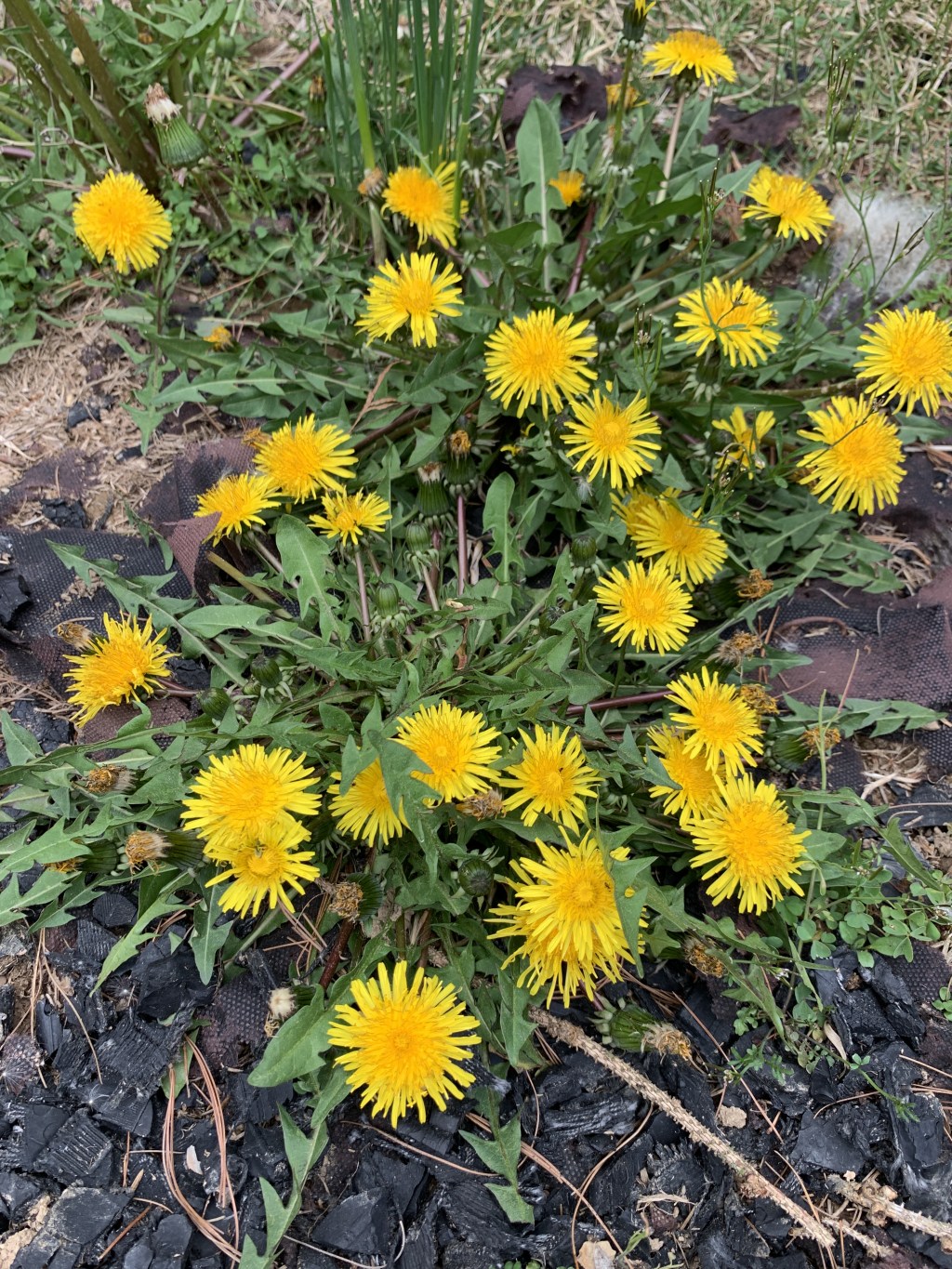
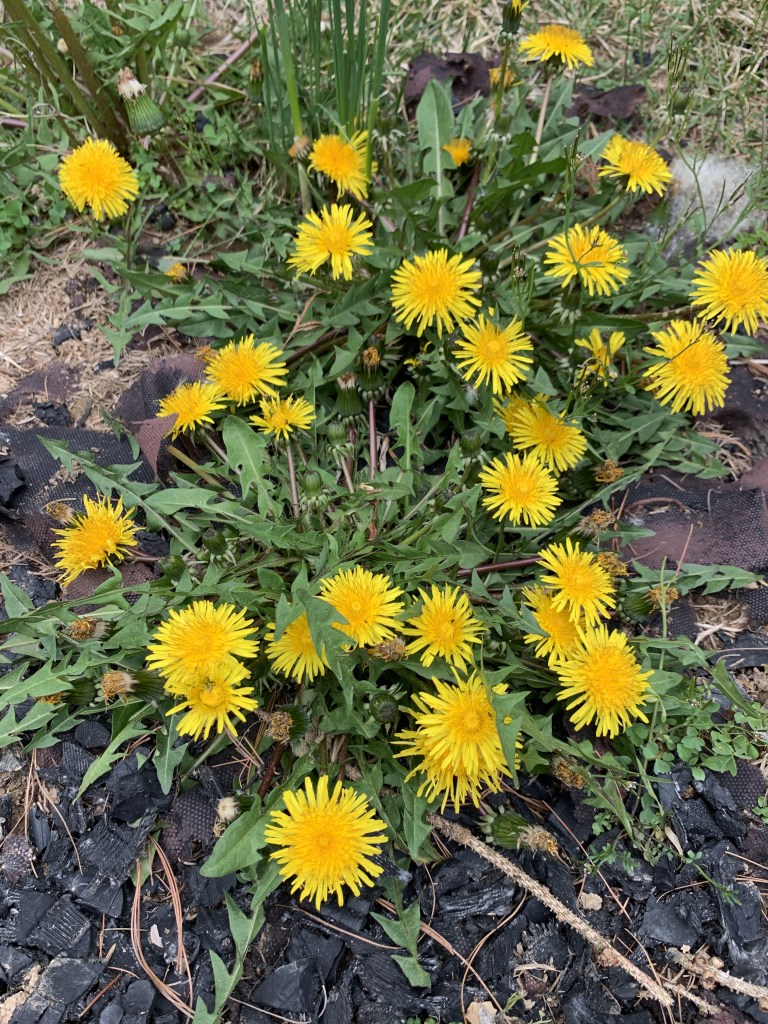
Spring is here, and with it comes the cheerful sight of dandelions blanketing our lawns. But hold off on reaching for the weed killer! These sunny bursts of color are more than just a nuisance; they’re a treasure trove of culinary and medicinal possibilities.
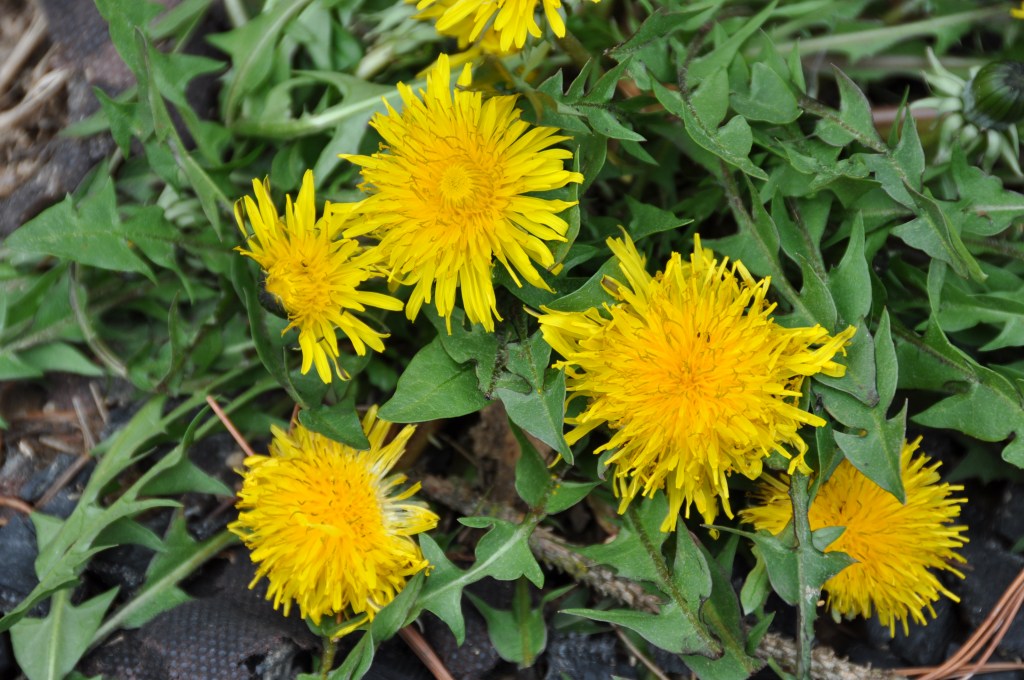
Dandelions boast a rich history that stretches back millennia. Evidence suggests their use as a medicinal herb dates back to ancient Egyptian times, with depictions of the plant found in tombs. By the 10th and 11th centuries, Arabian physicians were incorporating dandelions into their treatments. Both Chinese and European traditional medicine have long revered the dandelion, using it to address a variety of ailments.
Every part of the dandelion plant offers a potential benefit. The bright yellow flowers are a treasure trove of vitamins A, C, and K, and can be used to make dandelion wine or jelly. The leaves, with their slightly bitter taste, are a surprising source of vitamins and minerals, including vitamins A, C, K, and E, as well as calcium, iron, and potassium. They can be enjoyed raw in salads for a nutritional boost or cooked like spinach or kale for a delightful side dish.
The dandelion root is where things get even more interesting. Traditionally used as a liver tonic and digestive aid, dandelion root has been a mainstay in herbal medicine cabinets for centuries. Modern research is starting to catch up to this traditional wisdom, with studies suggesting that dandelion root may stimulate bile production, which can aid digestion and support liver detoxification.
Unearthing the Power of the Root:
Come fall, the transformation of the dandelion is complete. Once vibrant yellow flowers, the plant now boasts a puffy white seed head, ready to disperse its passengers on the wind. But beneath the soil, a hidden treasure awaits: the dandelion root. Throughout the spring and summer, the plant has been busy shuttling nutrients down to its root system, concentrating its beneficial powers for fall harvest. This is the prime time to dig up dandelion roots for use as a potent herbal remedy.
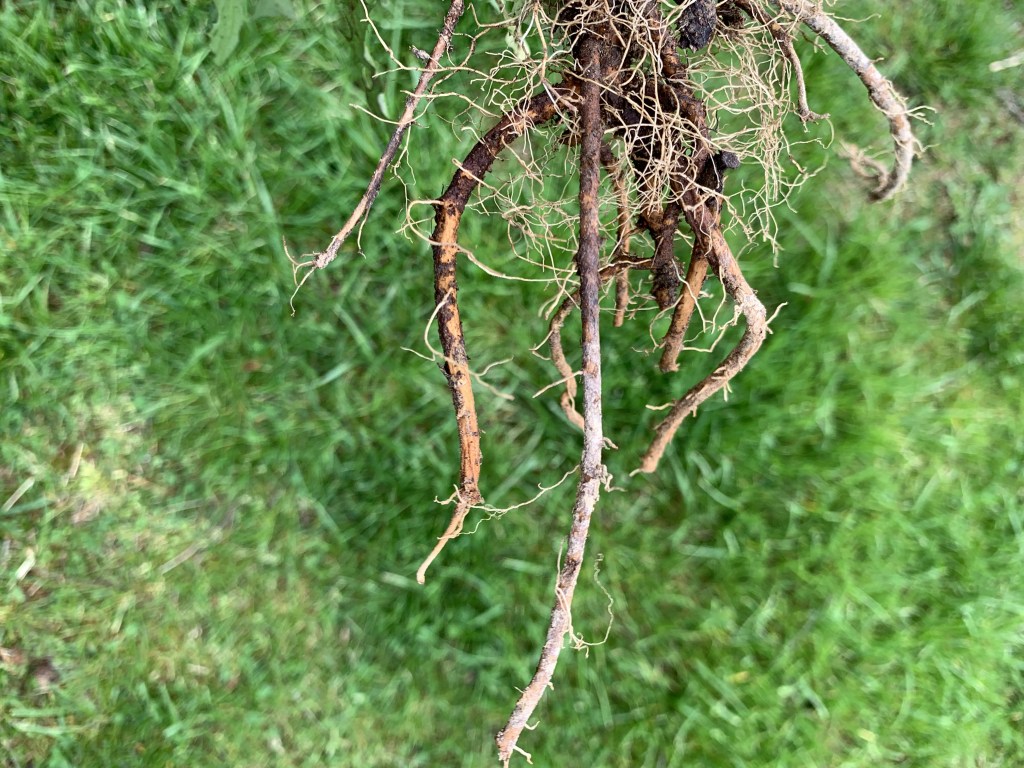
Dandelion root tea is a popular choice for a reason. Traditionally used as a liver tonic, dandelion root is believed to stimulate the production of bile, a digestive fluid produced by the liver that helps break down fats. Improved bile flow can ease digestion and potentially reduce heartburn or indigestion. Modern studies are starting to shed light on the scientific basis behind these traditional uses. Some research suggests that dandelion root may indeed increase bile production, lending credence to its age-old reputation as a digestive aid.
But the benefits of dandelion root may extend beyond digestion. There’s growing interest in the potential prebiotic properties of dandelion root. Prebiotics are a type of dietary fiber that act as food for the beneficial bacteria in our gut. By nourishing these good bacteria, prebiotics may help promote a healthy gut microbiome, which has been linked to overall well-being and a strong immune system.
Culinary Delights from Dandelion:
Don’t wait until fall to embrace the delightful flavors and potential health benefits of dandelions! Spring is the prime time to harvest the young leaves and vibrant flowers, offering a burst of fresh, homegrown goodness.
The young dandelion leaves, with their slightly bitter taste, are a surprising source of vitamins and minerals. They’re packed with vitamins A, C, K, and E, alongside essential minerals like calcium, iron, and potassium. This impressive nutritional profile makes them a valuable addition to your diet. Enjoy them raw in salads for a refreshing and slightly bitter counterpoint to other greens. Their texture is similar to arugula, adding a peppery bite. For a cooked option, try lightly sautéing the leaves with garlic and olive oil for a delightful side dish similar to spinach or kale.
The bright yellow dandelion flowers are not just beautiful; they’re also surprisingly versatile in the kitchen. Their sunny hue adds a cheerful touch to dishes and their flavor is pleasantly mild, with a subtle honey-like sweetness. For a touch of floral flair, use the petals to garnish salads, soups, or even desserts. Feeling adventurous? Make dandelion wine or jelly! Dandelion wine has a light, floral flavor and a beautiful golden color, while dandelion jelly captures the essence of sunshine in a sweet and surprising spread.
Dandelion Coffee Substitute:
For a unique caffeine-free treat, try dandelion root coffee. Simply roast the dandelion roots until fragrant, grind them, and brew them like regular coffee. The resulting beverage has a slightly nutty flavor and offers a natural alternative to your morning cup.
Dandelion Delights: Recipes for Your Kitchen
Here are a few ideas to get you started with incorporating dandelions into your life:
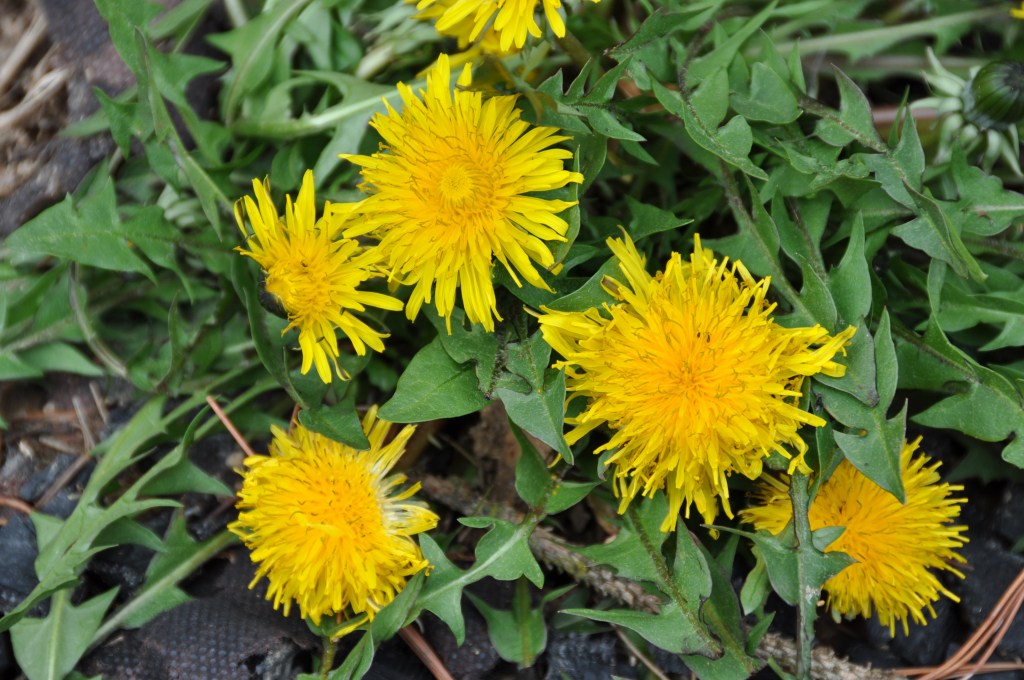
Dandelion Sunshine Jelly
Ingredients:
- 3 ¼ cups water, or more as needed
- 4 cups loosely packed dandelion petals, divided
- 2 tablespoons lemon juice
- 1 (1.75 ounce) package powdered fruit pectin
- 1 drop yellow food coloring (optional)
- 4 ½ cups granulated sugar
Steps:
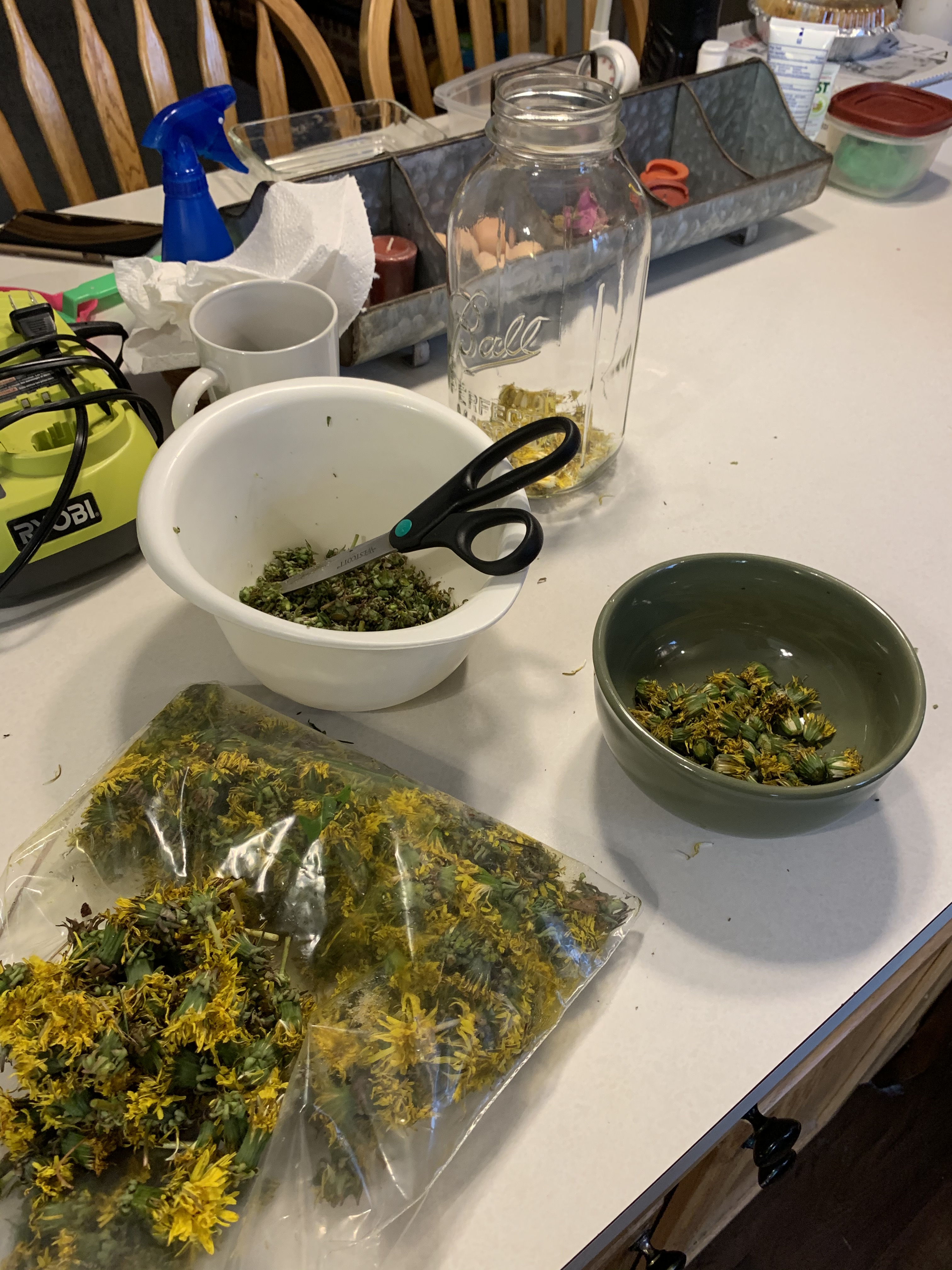
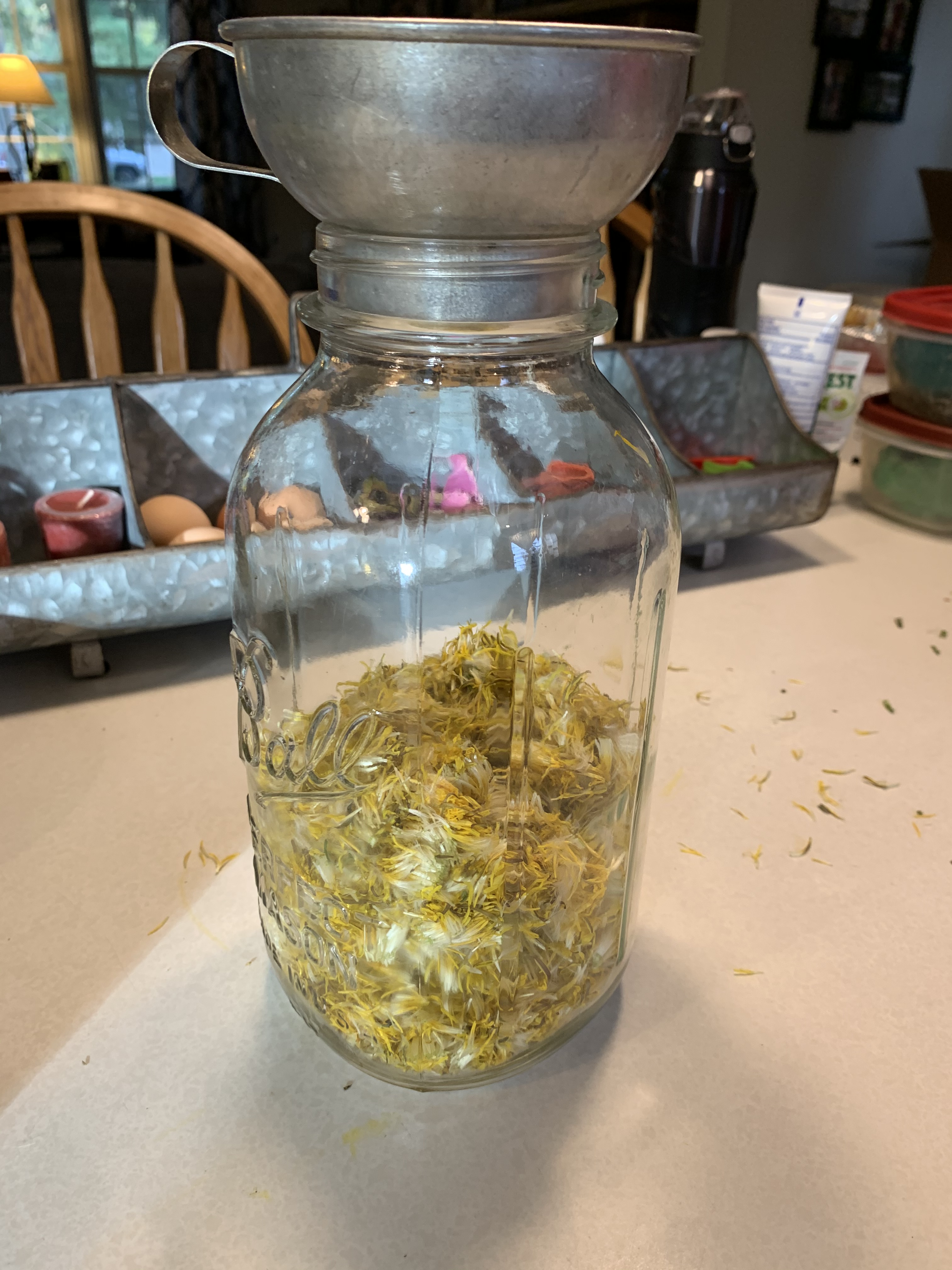
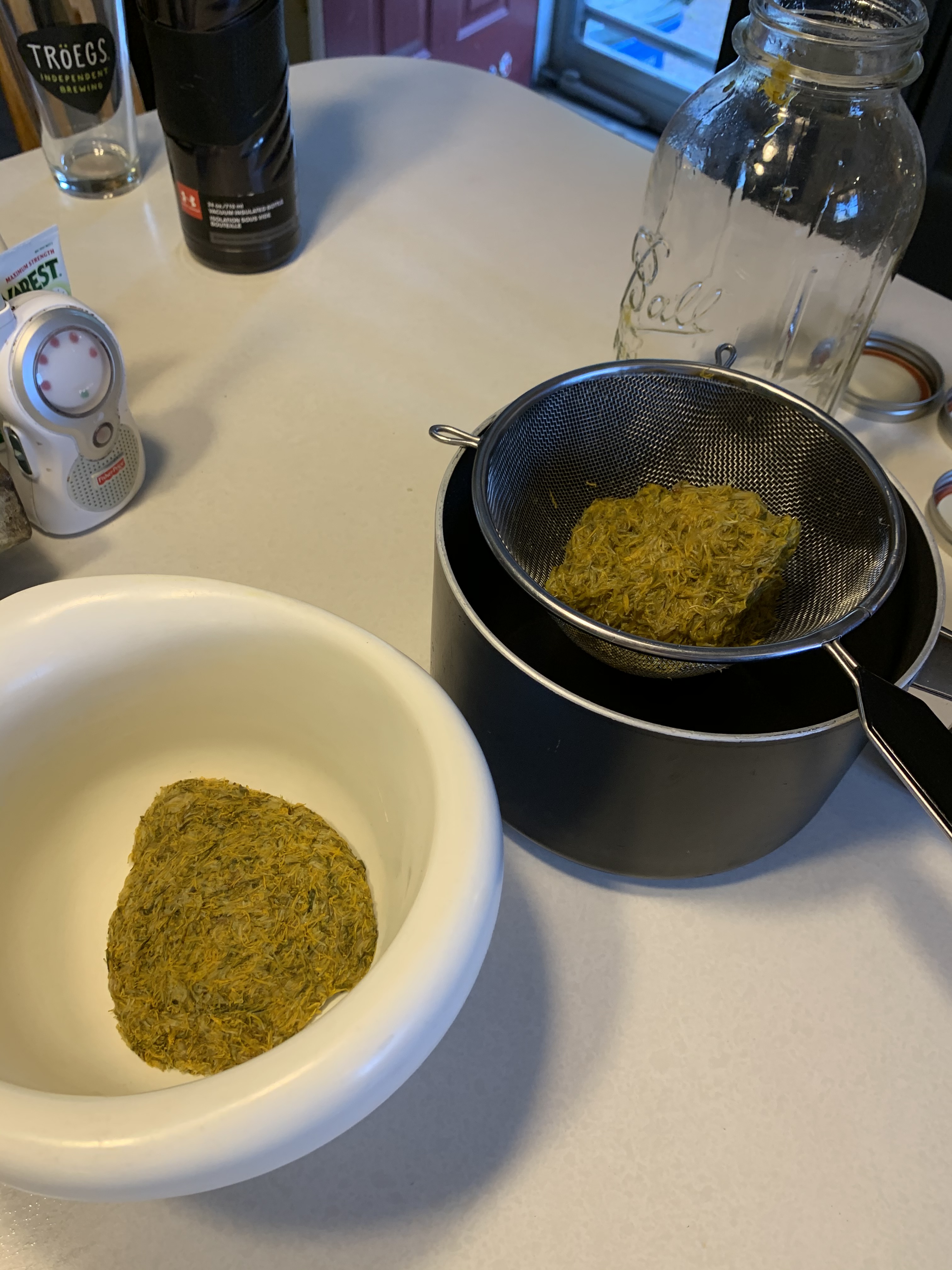
- Prep the Dandelion Petals: In a large pot, heat the water to a simmer. Add 2 cups of dandelion petals (Remove the green parts as it can be bitter) and simmer for 10 minutes. Remove the petals with a slotted spoon and strain the liquid into a bowl, pressing on the petals to extract as much liquid as possible. Discard the used petals. Repeat this process with the remaining 2 cups of dandelion petals.
- Measure and Adjust the Dandelion Tea: Measure the dandelion-infused water in the bowl. If there’s less than 3 cups, add tap water to reach that amount.
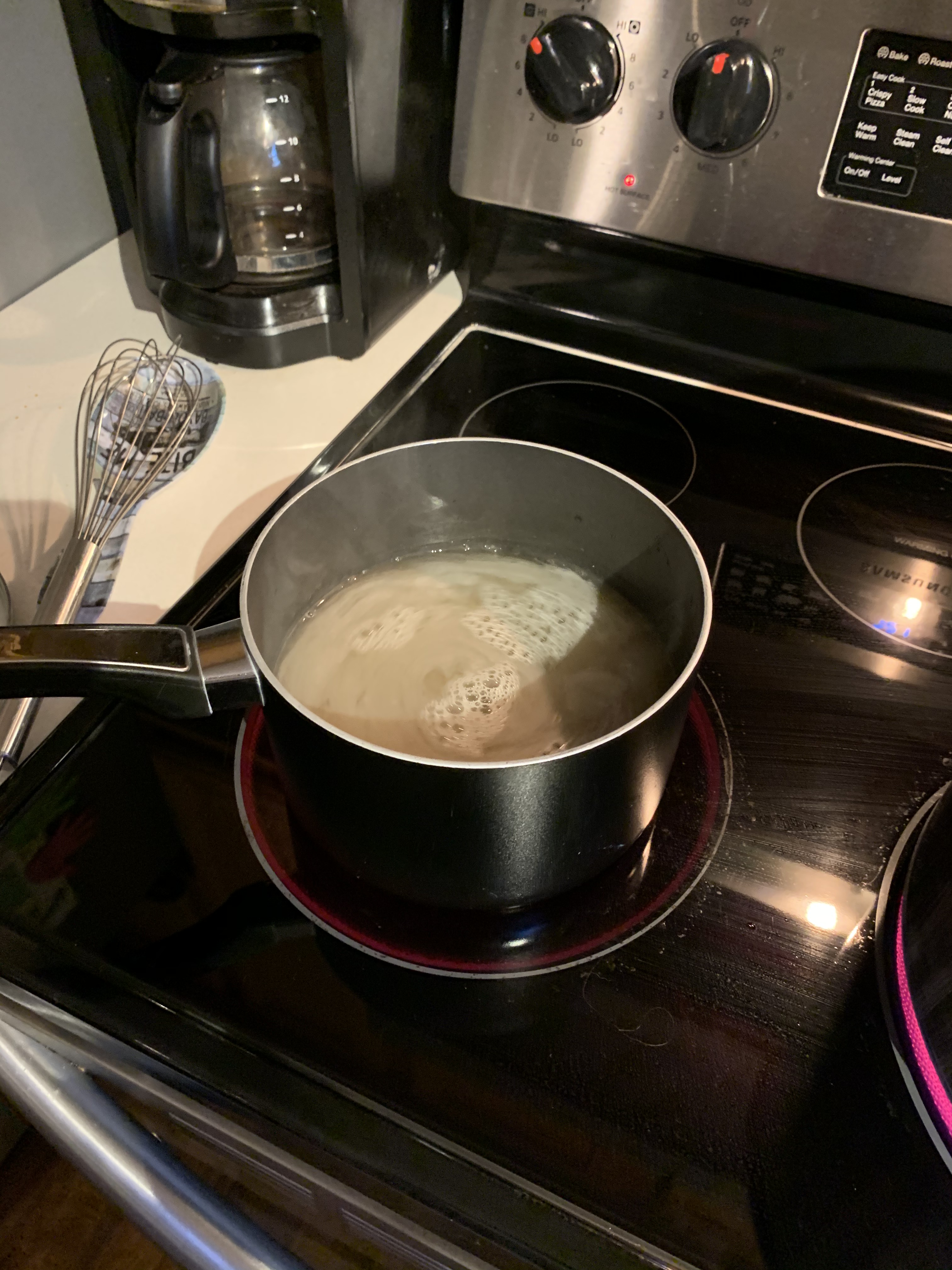
- Bring to a Boil: Pour the dandelion tea back into the large pot. Add the lemon juice, pectin, and optional yellow food coloring. Bring the mixture to a rolling boil over high heat.

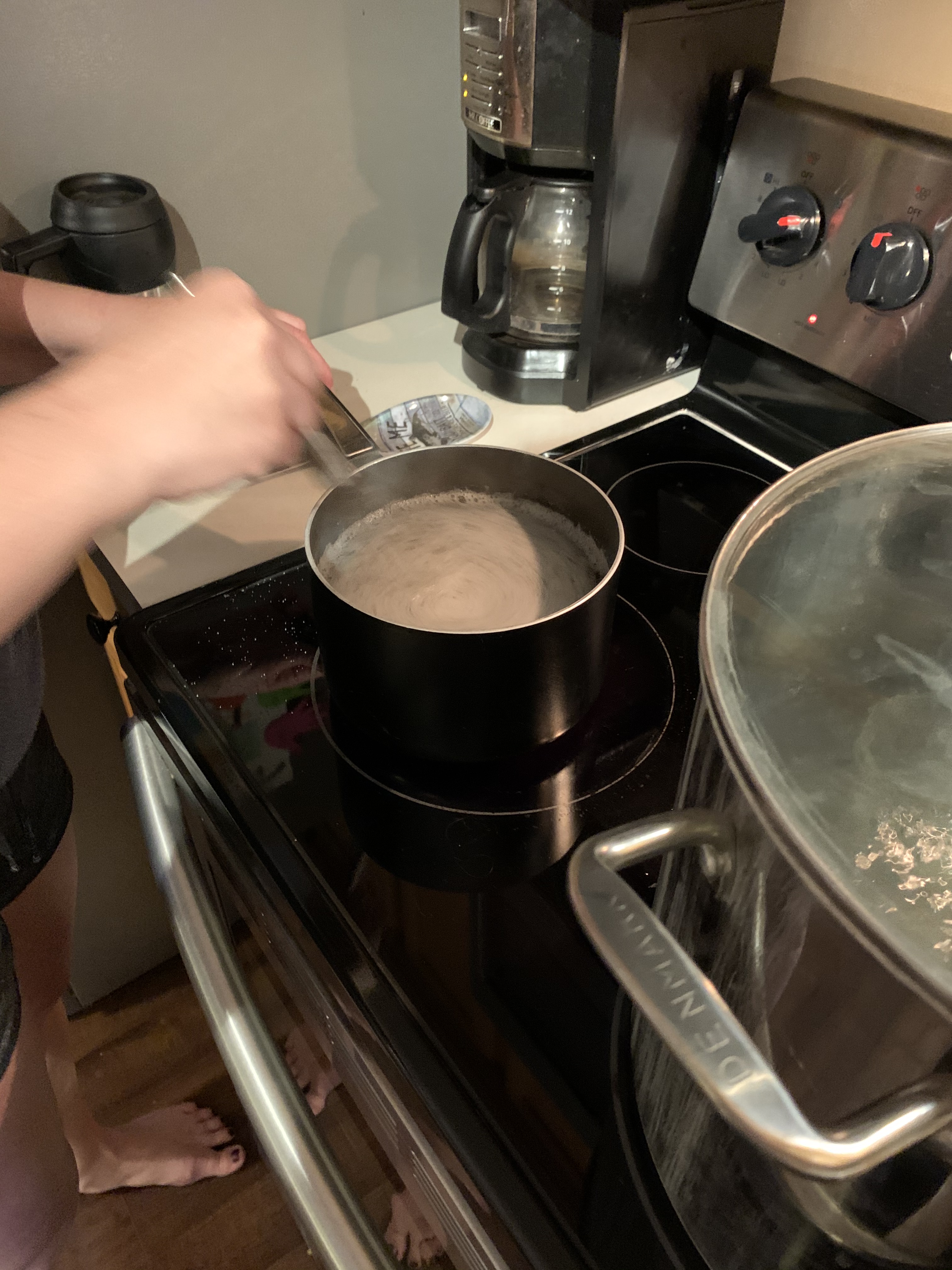
4. Add Sugar and Finish: Slowly stir in the sugar until it dissolves completely. Return the mixture to a rolling boil and boil for 1 minute, stirring constantly.
5. Skim and Jar: Remove the pot from heat and skim off any foam that may have formed on the surface. Ladle the hot jelly into clean, sterilized jars, leaving about ¼ inch of headspace at the top.
6. Seal and Process: Wipe the rims of the jars clean and seal them with lids that have been sanitized in hot water. Process the sealed jars in a boiling water bath canner for 10 minutes (adjust processing time for your altitude if necessary).
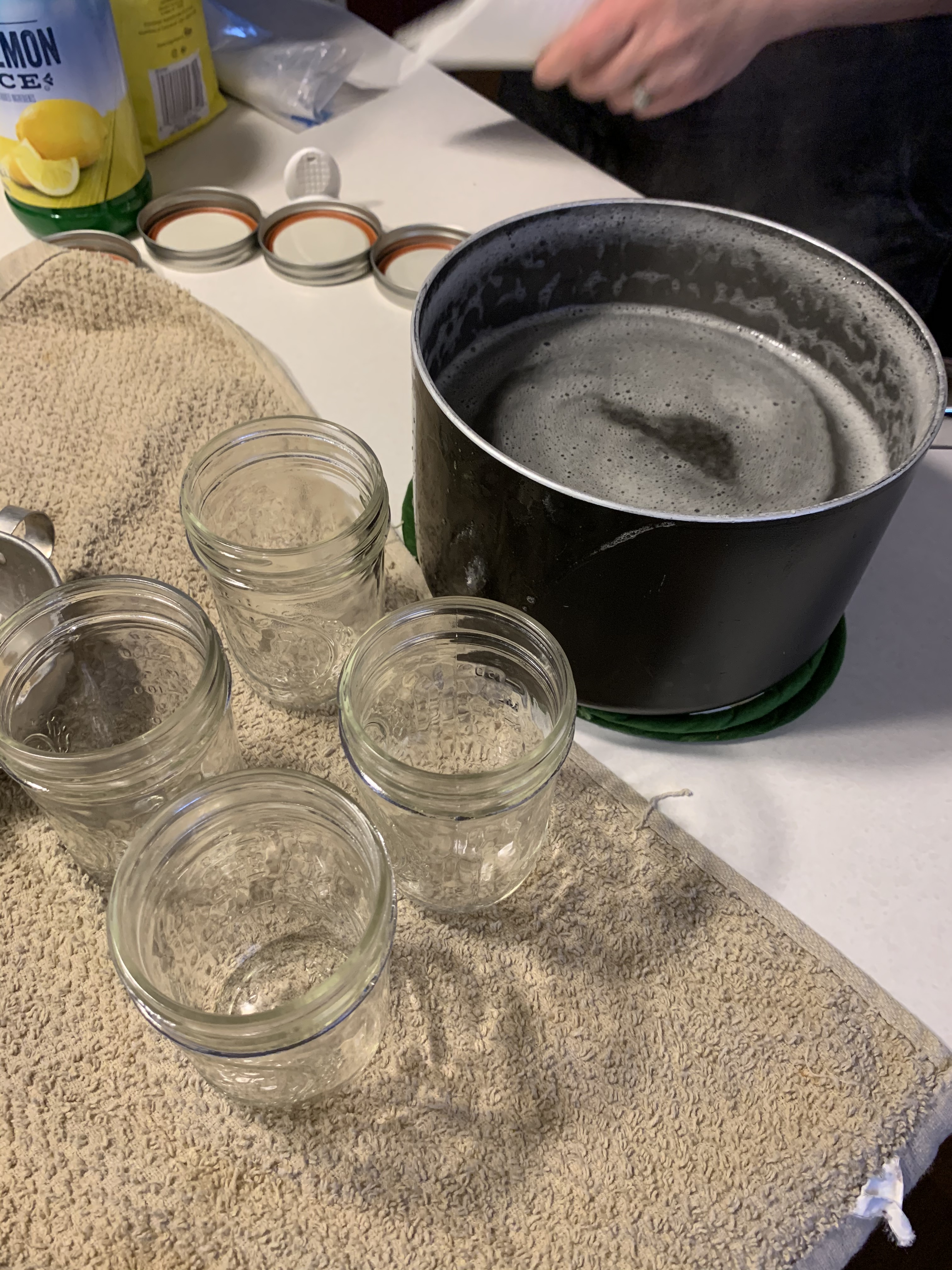

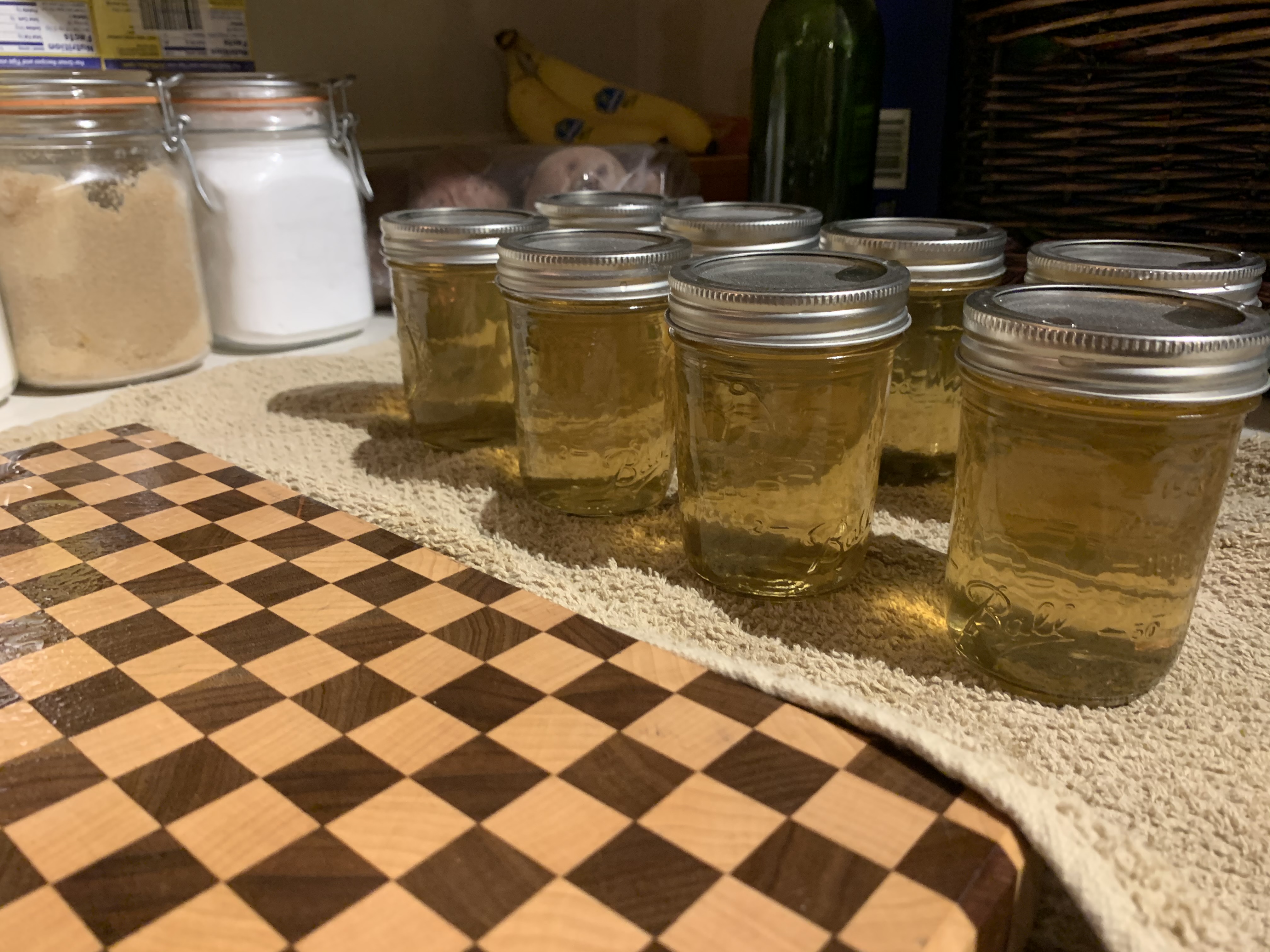
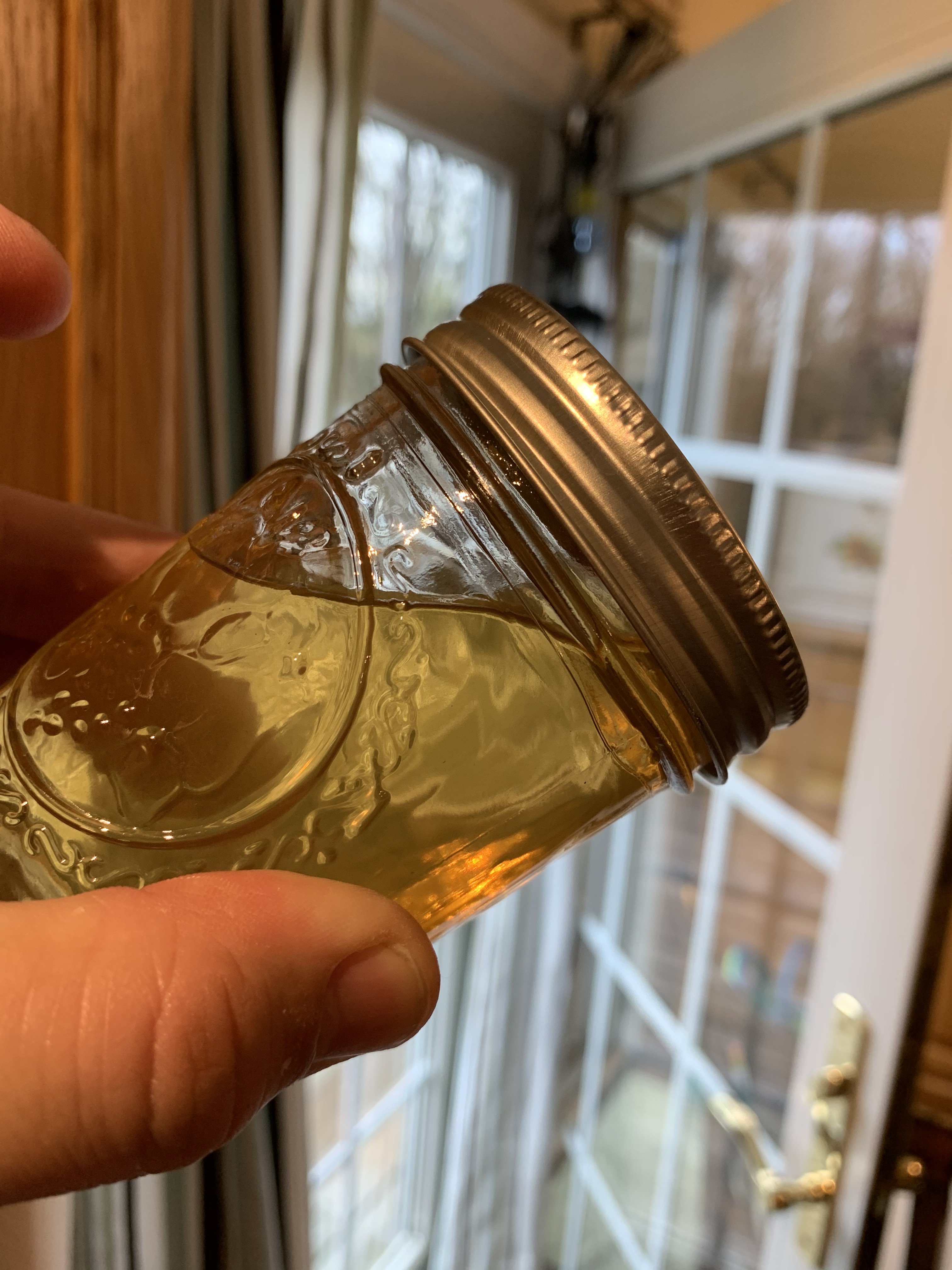
7. Cool and Store: Let the jars cool completely on a wire rack at room temperature. Once cooled, store the jelly in a cool, dark place.
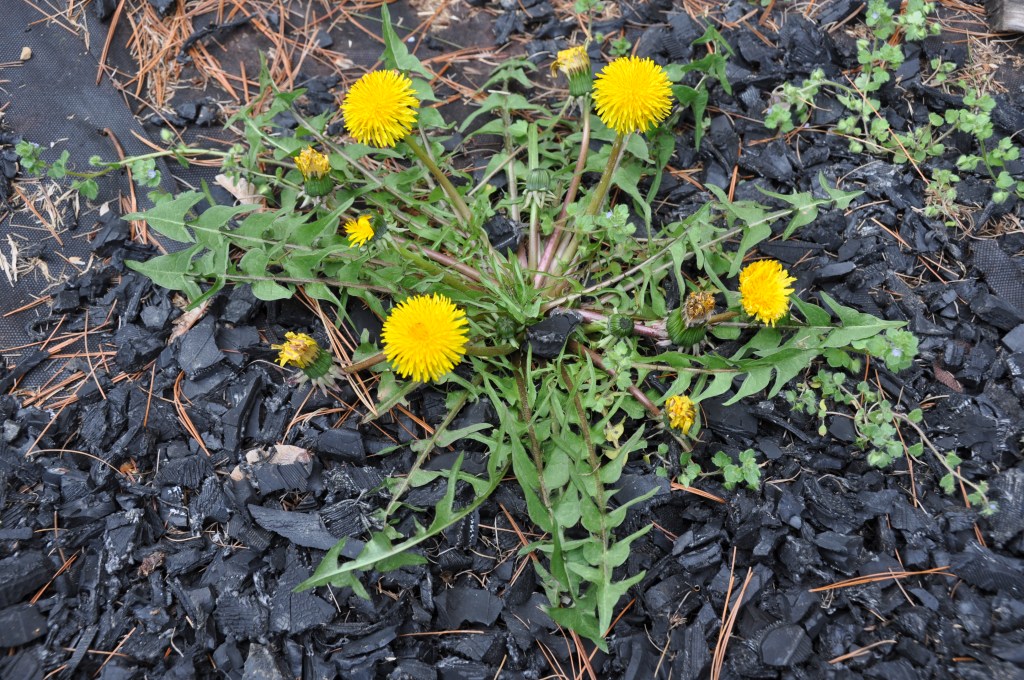
Dandelion Tincture
Benefit: Dandelion has various health benefits, including supporting liver function, aiding digestion, and acting as a diuretic. It’s also rich in vitamins and minerals.
Ingredients:
- Fresh dandelion flowers, leaves, and roots
- High-proof alcohol (such as vodka or brandy)
- Clean glass jar with a tight-fitting lid
Steps:
- Harvest fresh dandelion flowers, leaves, and roots. Make sure they are free from pesticides or other contaminants. Wash them thoroughly under cold water and pat them dry with a clean towel.
- Chop the dandelion leaves and roots into small pieces. You can leave the flowers whole.
- Place the chopped dandelion leaves, roots, and flowers into a clean glass jar. Fill the jar about halfway full with the plant material.
- Pour enough high-proof alcohol into the jar to completely cover the dandelion pieces. Make sure the alcohol level is at least 2 inches above the plant material.
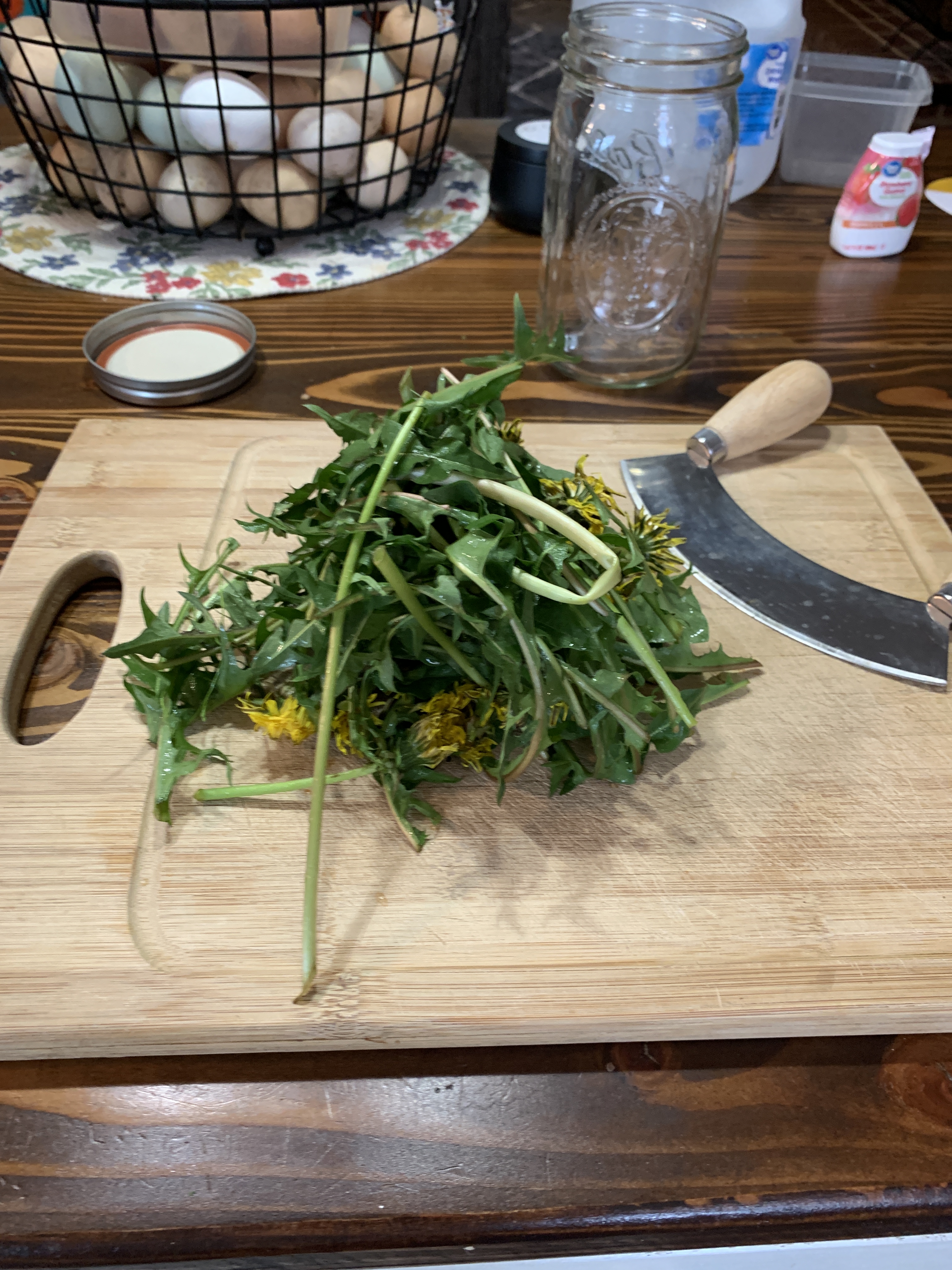
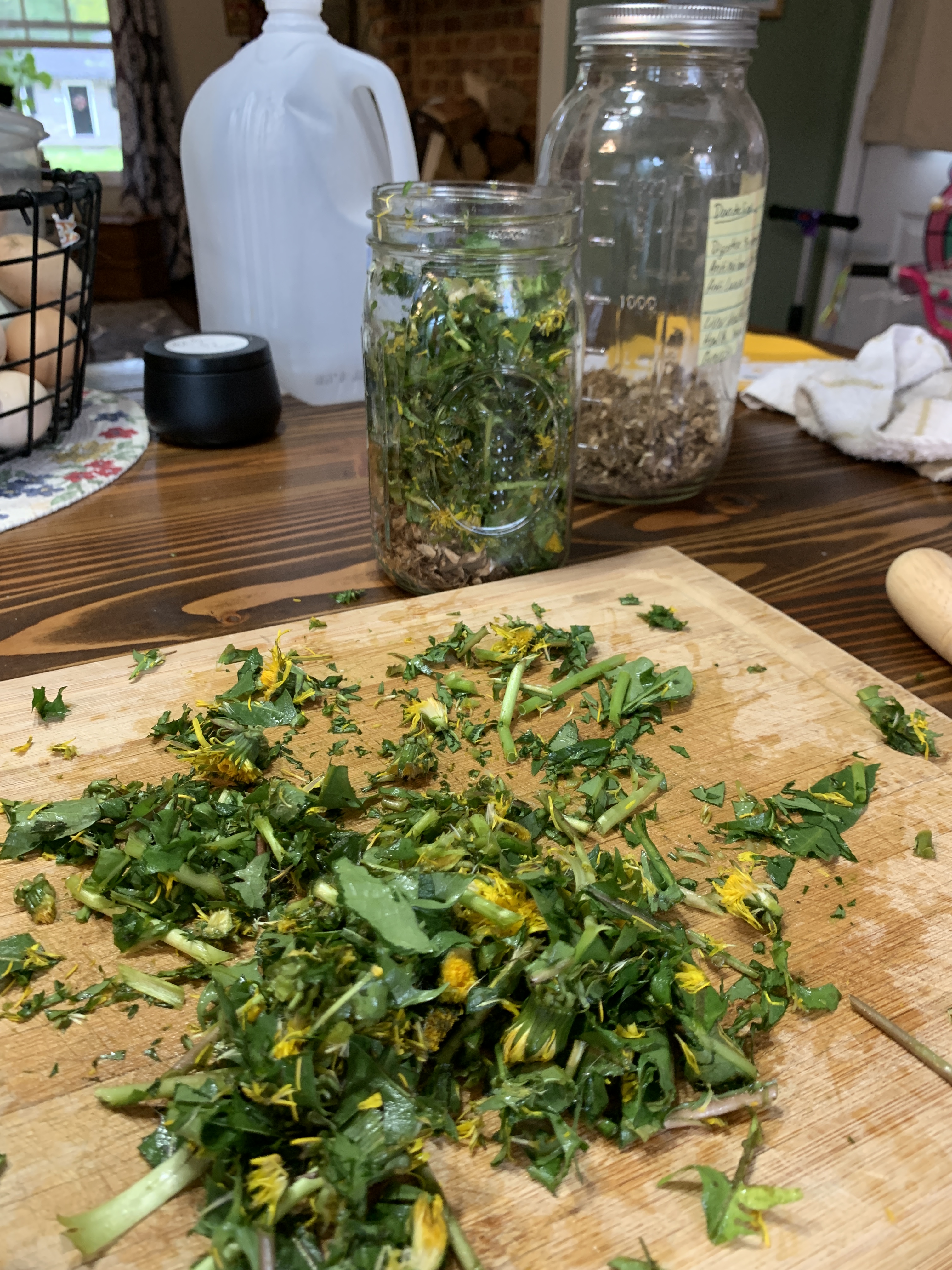
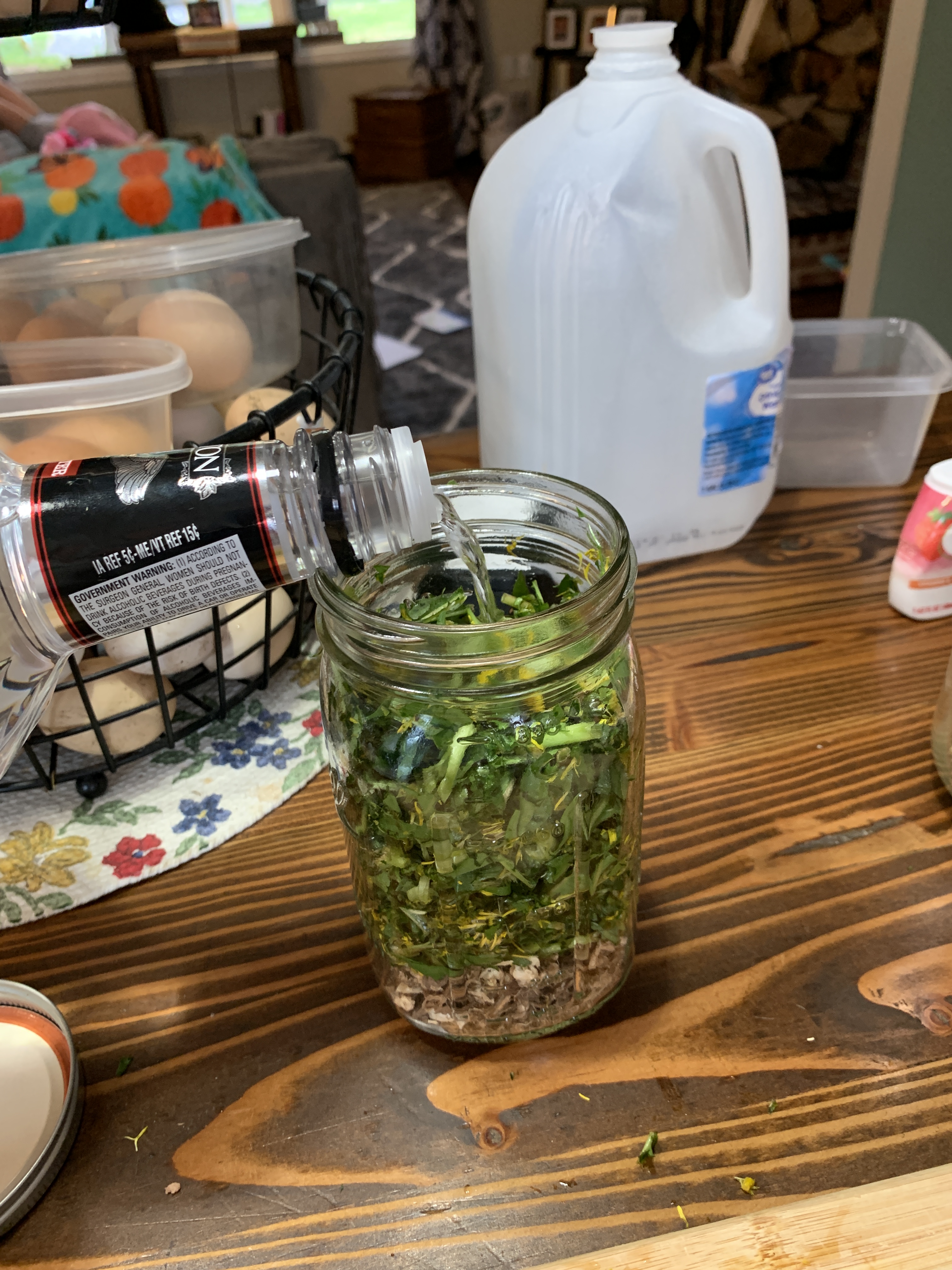
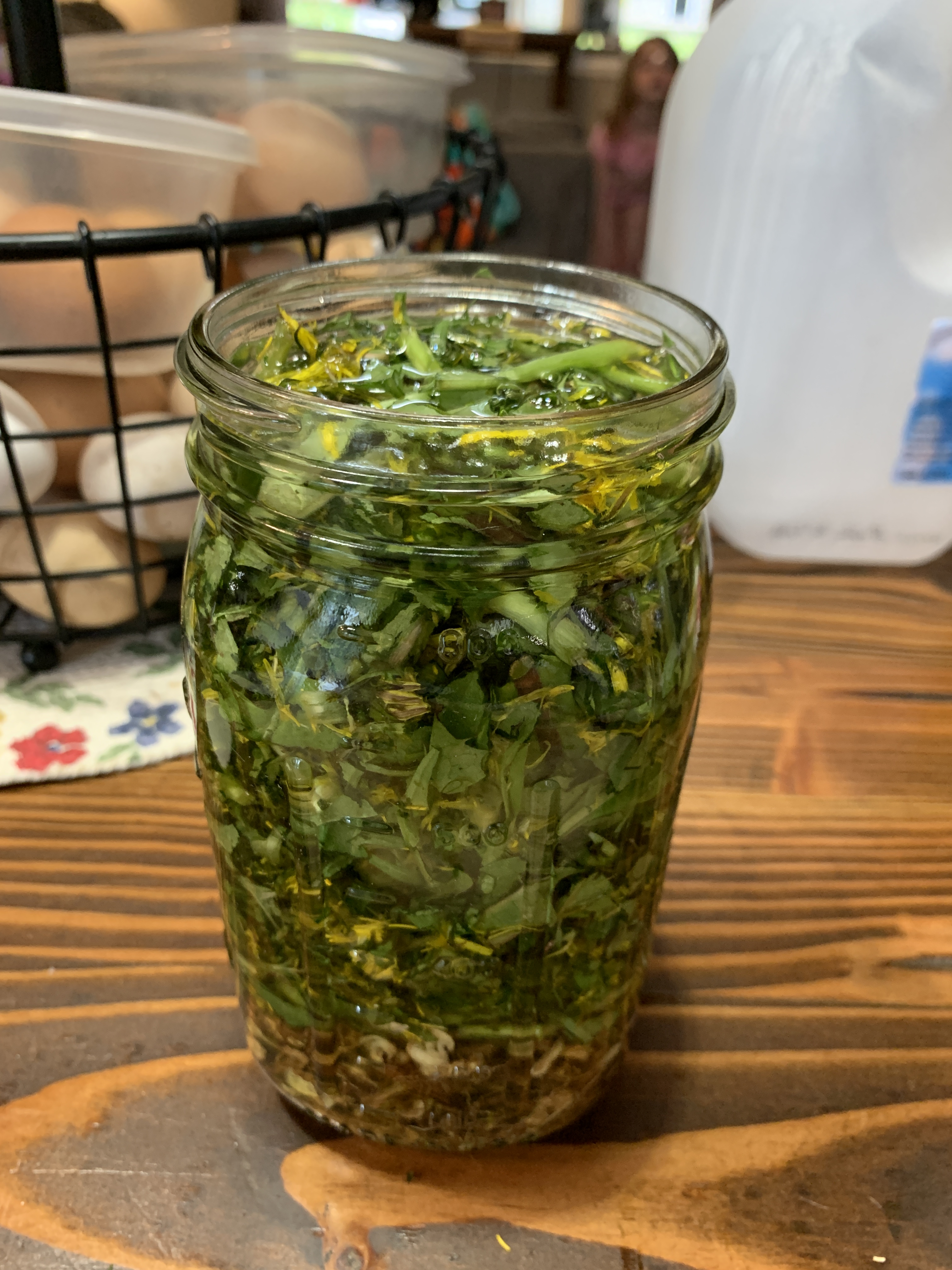
5. Seal the jar tightly with the lid and shake it gently to ensure the dandelion is fully submerged in the alcohol.
6. Store the jar in a cool, dark place for 4 to 6 weeks, shaking it gently every day to help extract the beneficial compounds from the dandelion.
7. After 4 to 6 weeks, strain the tincture through a fine mesh strainer or cheesecloth into a clean glass bottle. Squeeze the plant material to extract as much liquid as possible.
8. Label the bottle with the date and contents. Your dandelion tincture is now ready to use.
Dosage: Take 1 to 2 teaspoons of the dandelion tincture up to three times a day, diluted in water or juice if desired.
Dandelion Infused Oil
Benefit: This oil is believed to have anti-inflammatory and moisturizing properties. It helps to sooth dry skin, reduce the appearance of wrinkles, and calm irritation. The infused oil can be used directly, or as a base in a homemade salve.
Ingredients:
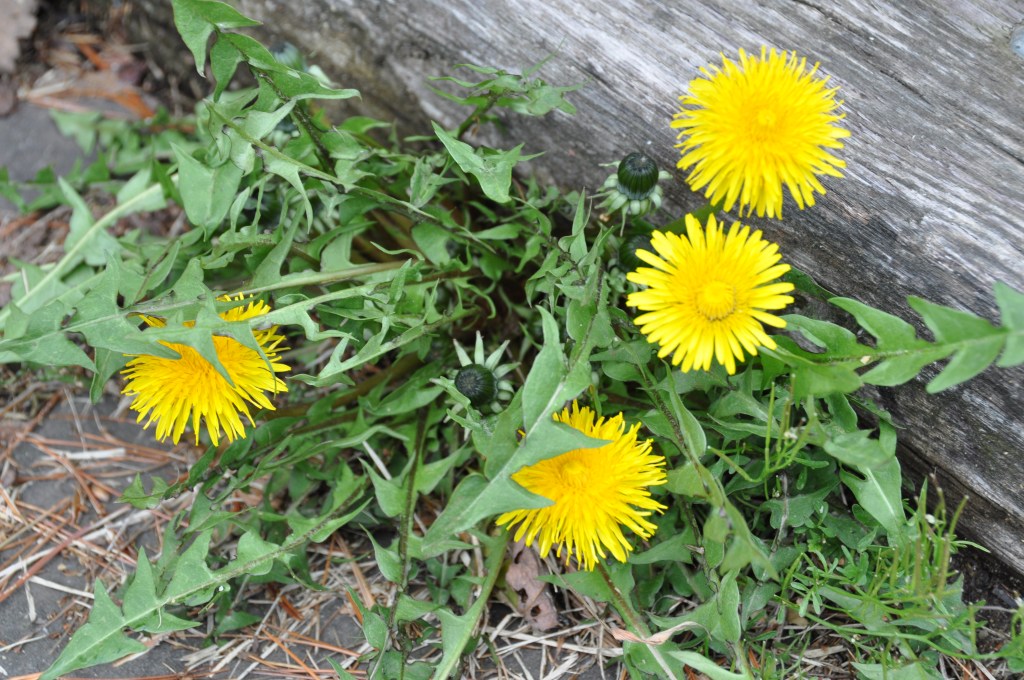
- Fresh dandelion flowers, picked on a sunny day (free of pesticides and herbicides)
- Carrier oil (such as olive oil, almond oil, or grapeseed oil)
- Glass jar with a tight-fitting lid
- Cheesecloth or coffee filter
Steps:
- Prepare the dandelions: Gently remove the dandelion flowers from the stems. Discard any brown or wilted flowers.
- Dry the flowers (optional): While not essential, some prefer to dry the flowers to prevent mold growth in the oil. Spread the flowers on a clean paper towel in a single layer in a cool, dark place for a day or two.
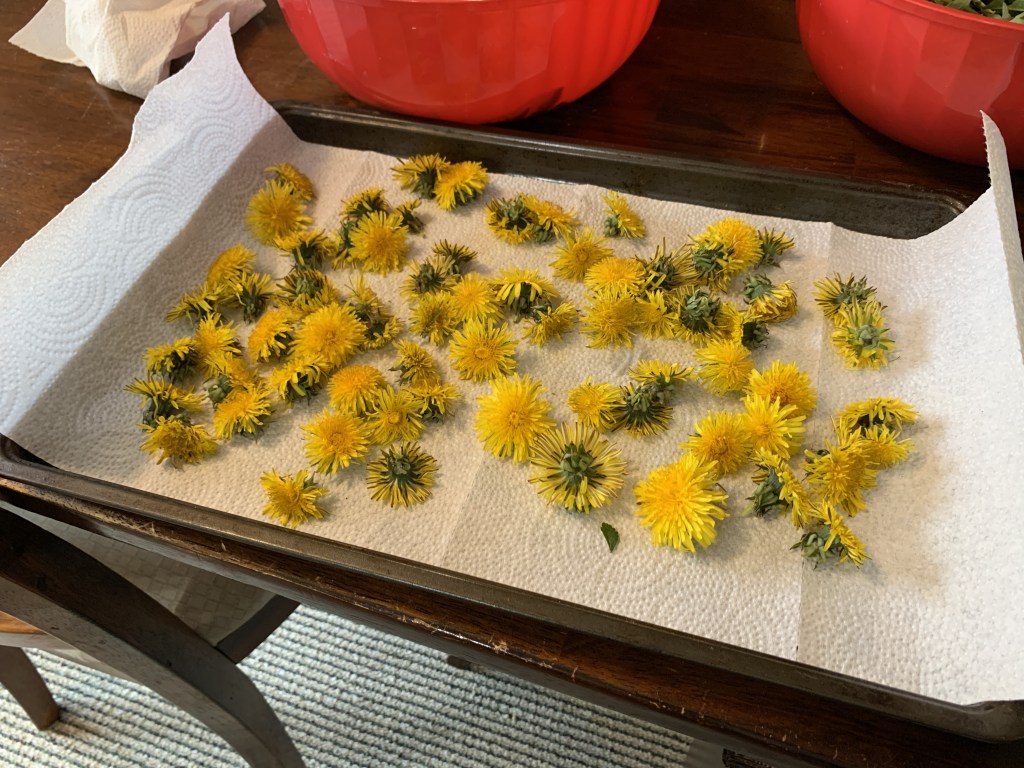
3. Fill the jar: Pack the jar loosely with dandelion flowers, leaving about an inch of space at the top.
4. Add the oil: Pour your chosen carrier oil over the dandelions until they are completely submerged. Stir gently to remove any air bubbles.
5. Cover the jar: Secure a cheesecloth or coffee filter over the jar opening and fasten it with a rubber band.
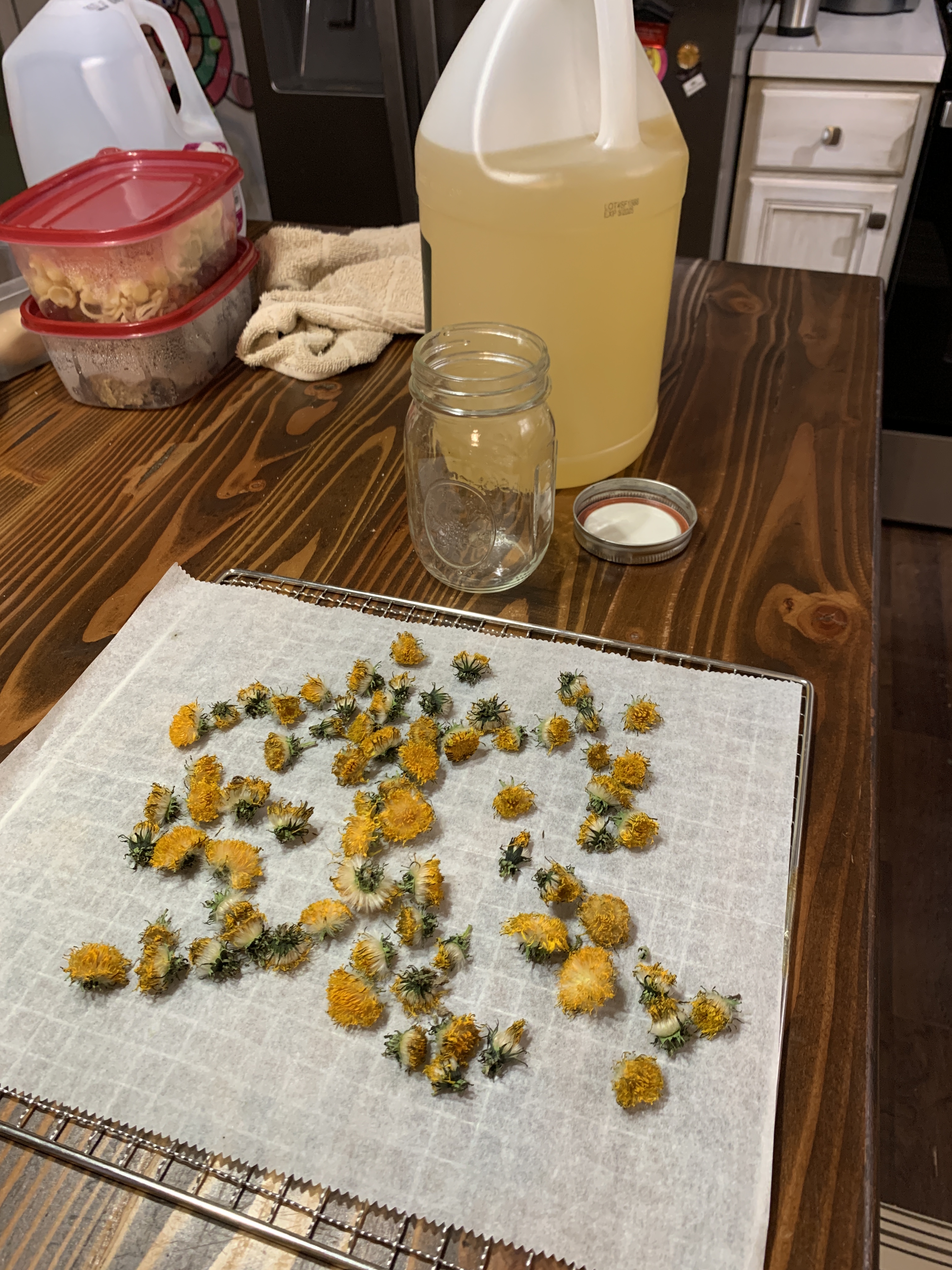

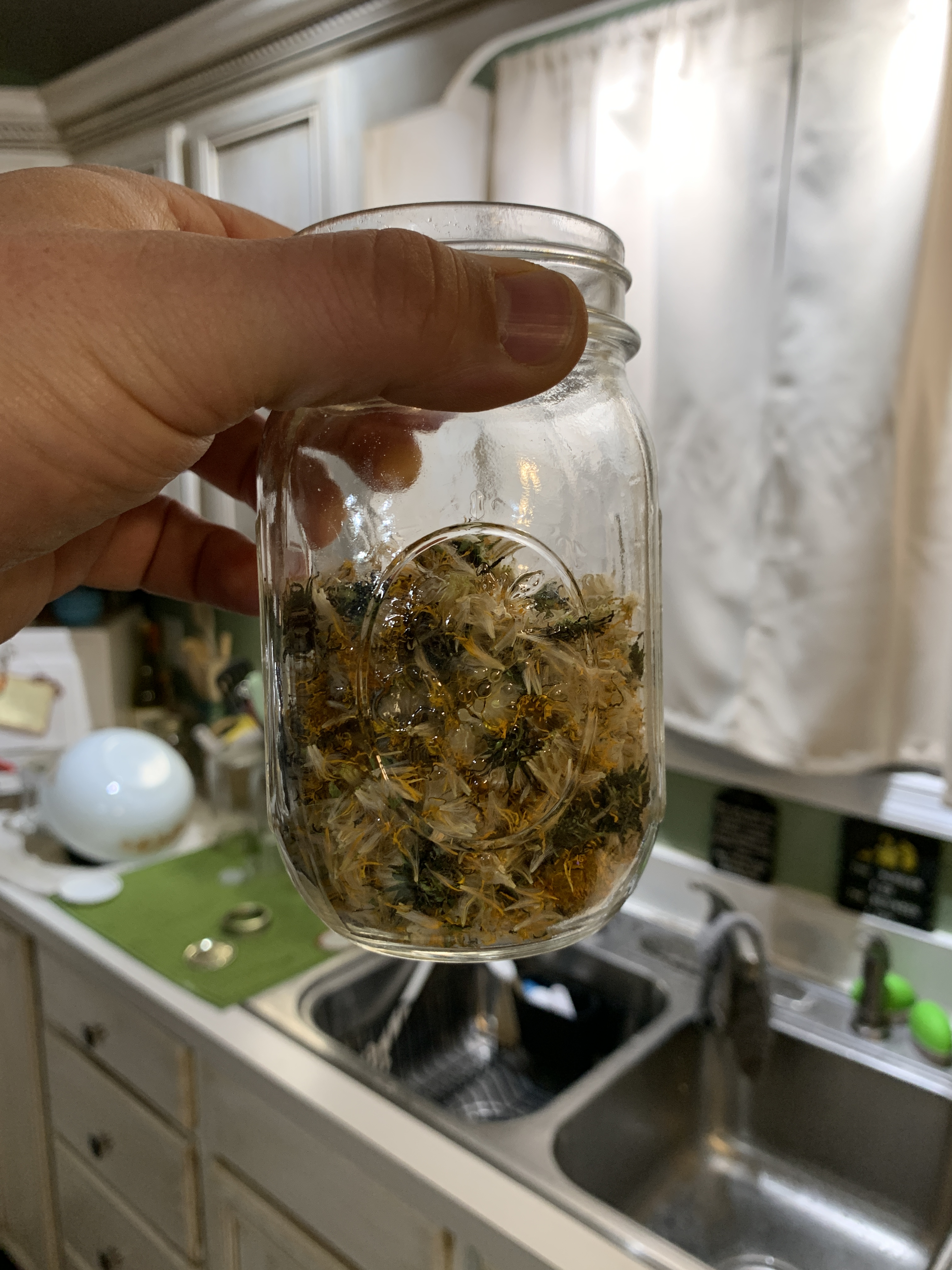
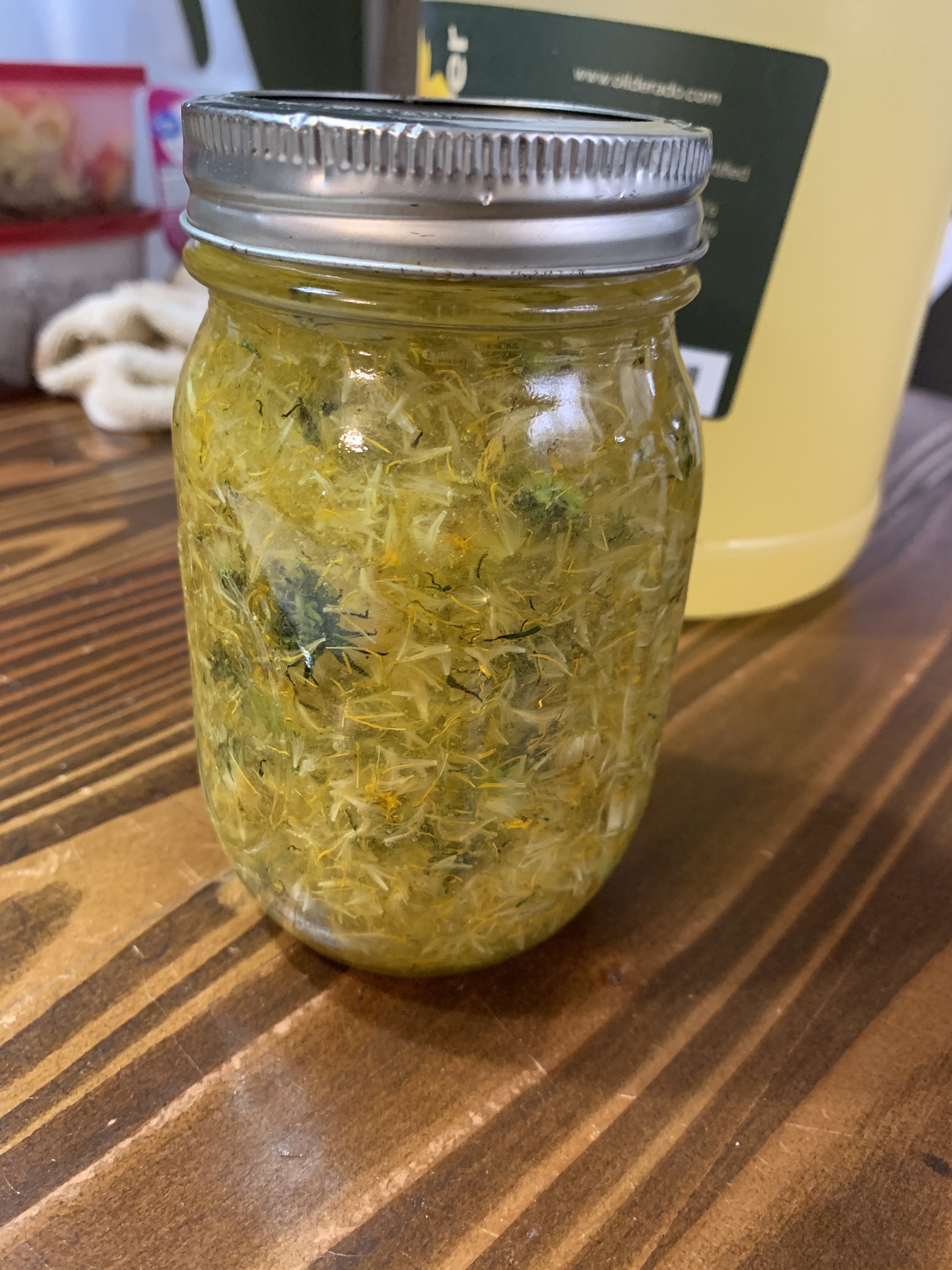
6. Infuse the oil: Place the jar in a sunny location for at least 2 weeks, shaking it occasionally. The longer you infuse the oil, the stronger the flavor and color will be.
7. Strain the oil: After infusing, line a mesh strainer with cheesecloth or a coffee filter and strain the oil into a clean jar. Compost the used dandelions.
8. Store the oil: Seal the jar tightly and store it in a cool, dark place. Dandelion infused oil can last for up to 6 months.
Tips:
- You can experiment with different carrier oils to find one that suits your preference.
- Consider adding a few drops of vitamin E oil to the finished product to extend its shelf life.
- Patch test the oil on a small area of your skin before using it liberally.
Embrace the Dandelion!
With a little creativity, dandelions can transform from yard “weeds” into delicious and health-supportive additions to your life. So, get outside, explore your yard, and discover the hidden treasures nature has to offer!




 RJ Homestead
Leave a comment