
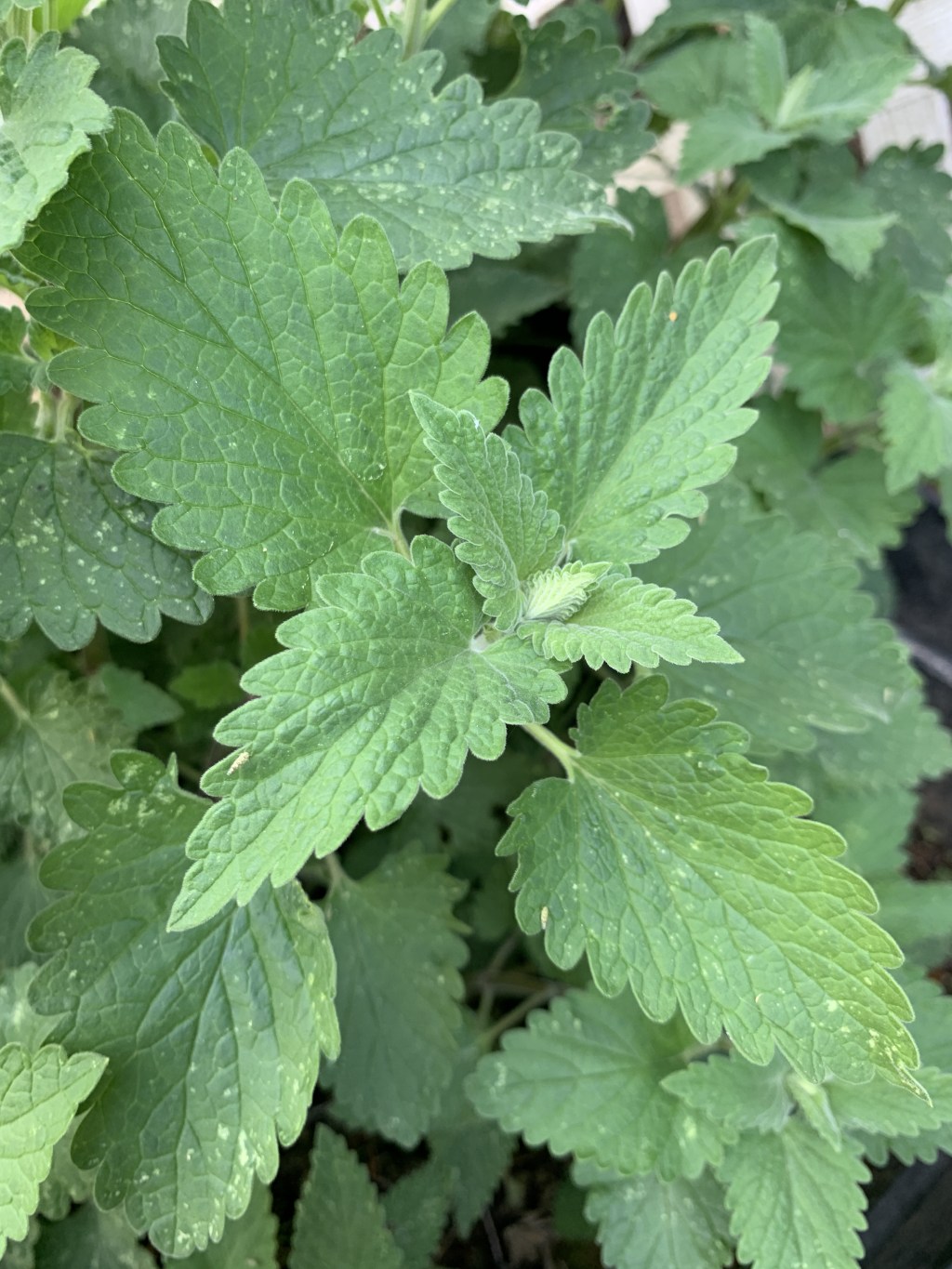
The intoxicating aroma wafting through our backyard lately isn’t just a sign of spring – it’s our catnip coming into its prime! We knew it was time to harvest this delightful herb, not for our feline friends this time, but for its surprising benefits for humans.
Catnip, a member of the mint family, boasts a long history of use in traditional medicine. While our cats go crazy for its euphoric effects, humans have enjoyed catnip for centuries for its calming and medicinal properties.
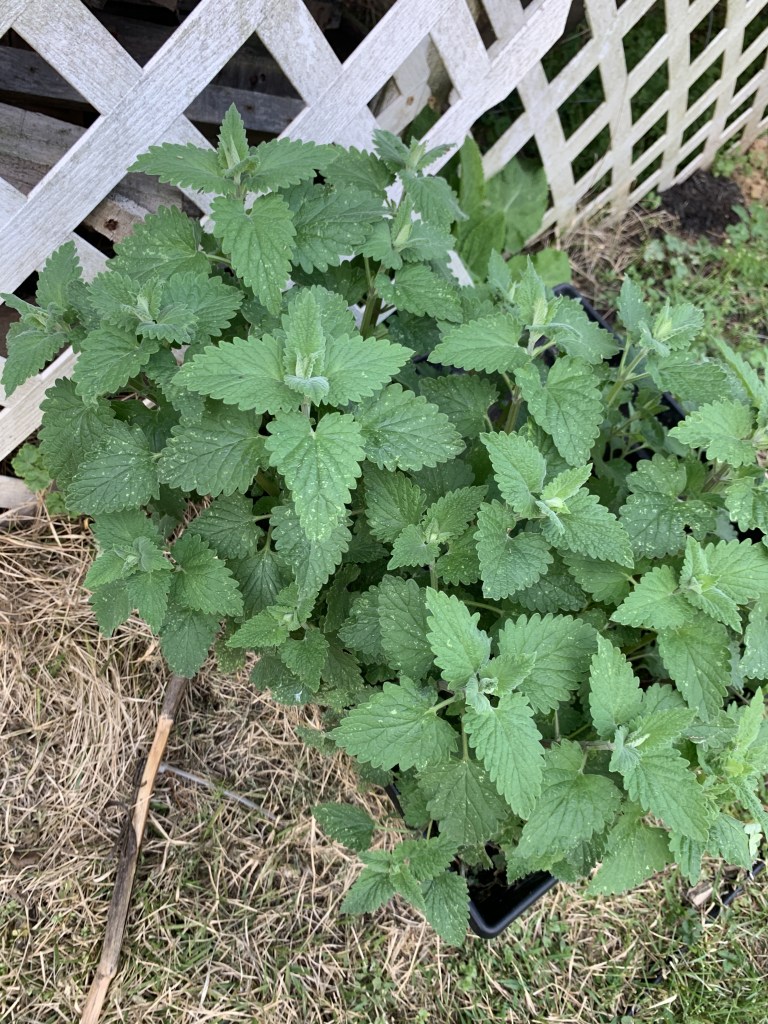
A Natural Remedy from the Past
Traditionally, catnip tea was used to ease a variety of ailments. Historical records mention its use for:
- Headaches: Catnip’s calming properties were believed to help soothe tension headaches.
- Anxiety and Insomnia: The herb’s relaxing effect promotes restful sleep and ease nervousness.
- Upset Stomach: Catnip’s antispasmodic properties can relieve cramps and indigestion.
For our household, we primarily use it for headaches, and to help our little one when she is restless and cannot sleep. A little catnip tea works wonders, and for the adults, if the headaches are really getting bad and nothing seems to work, then we fall back to the catnip tincture.
Our Favorite Uses: Tea and Tincture
Here’s how we prepare them:
Catnip Tea:
- Ingredients: 1-2 teaspoons dried catnip leaves, 1 cup boiling water, honey or lemon (optional)
- Directions: Steep dried catnip leaves in boiling water for 5-10 minutes. Strain and enjoy warm. You can add a touch of honey or lemon for extra flavor.
Catnip Tincture (alcohol extraction):
- Ingredients: 1 cup dried catnip leaves, 1 pint (500ml) vodka or high-proof grain alcohol
- Directions: Pack a jar loosely with dried catnip leaves. Pour alcohol over the leaves, ensuring everything is submerged. Seal the jar tightly and store in a cool, dark place for 6-8 weeks, shaking occasionally. Strain the tincture into a dark dropper bottle and discard the plant material.
Dosage: For both tea and tincture, it’s best to start with a low dose and gradually increase as needed. We recommend consulting a qualified herbalist for specific dosage recommendations.

Drying Our Harvest
Since we’re using the catnip for ourselves, we opted to dehydrate our harvest. This preserves the potency of the leaves for later use. Here are some quick drying tips:
- Harvest: Harvest your catnip just before the flowers bloom. This is when the essential oils, responsible for the calming effects in humans, are at their peak potency. Use sharp shears or pruners to cut stems that are at least 6 inches tall. Make your cut just above a leaf node (the bump where leaves meet the stem). This encourages the plant to branch out from that point, giving you a bushier plant with more leaves to harvest in the future. Avoid cutting too close to the base of the plant, and leave some stems untouched to allow for continual flower production, which attracts pollinators and can benefit your overall garden ecosystem.
- Wash and dry: Gently rinse the leaves and pat them dry with a clean cloth.
- Dehydrate: For the quickest and most consistent drying method, arrange the catnip leaves in a single layer on your dehydrator trays. If your dehydrator has adjustable temperature settings, aim for a low heat, ideally between 95-105°F (35-40°C). This helps preserve the volatile oils responsible for catnip’s beneficial properties. Follow your dehydrator’s specific instructions for drying time, which can typically range from 3-6 hours depending on the thickness of your leaves and your dehydrator’s wattage.
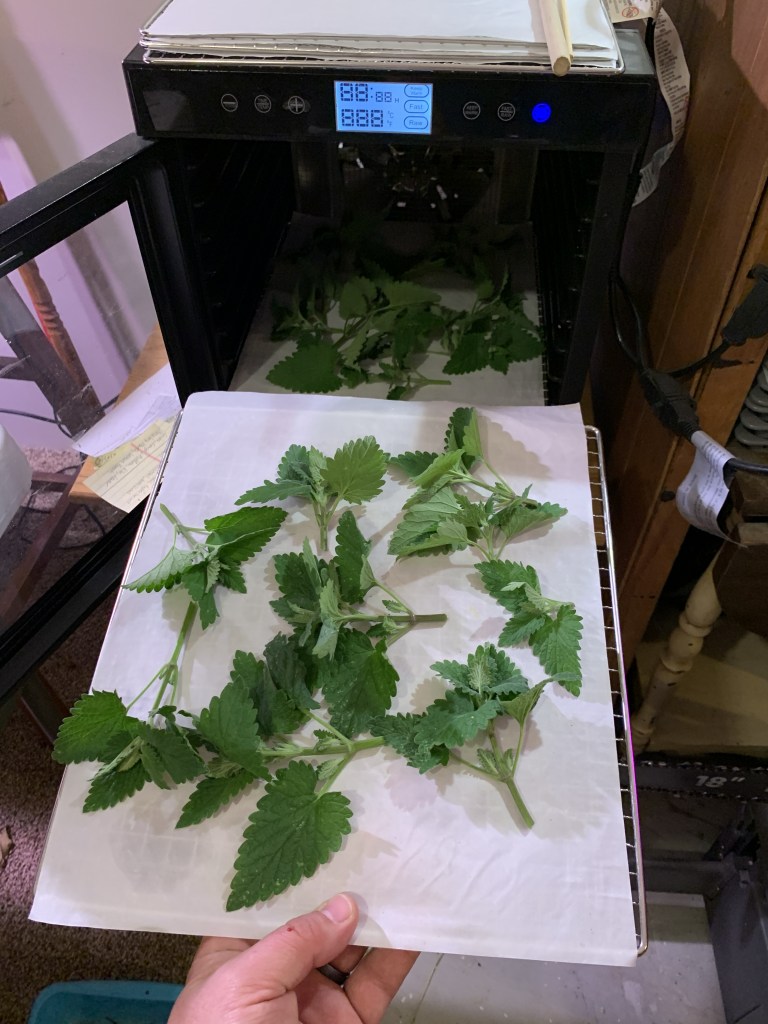
Alternatively, air-drying is a viable option if you don’t have a dehydrator. Choose a cool, dark, and well-ventilated space with good air circulation. Ideally, this could be a shed, attic, or a screened-in porch. Spread the leaves in a single layer on clean mesh screens or breathable cloth. Turning the leaves occasionally ensures even drying. Air-drying can take anywhere from a few days to a week, depending on the humidity and air circulation in your chosen space. The leaves are dry when they crumble easily in your hand.
A Note of Caution: While catnip is generally safe for most people, it can interact with certain medications. Pregnant and breastfeeding women should avoid using catnip. As always, consult with your doctor before using any herbal remedies.
So, the next time you see catnip growing wild or flourishing in your backyard, consider its potential benefits beyond feline entertainment. With its calming and potentially pain-relieving properties, catnip might just become a new staple in your natural remedy cabinet!
Also, I brought some in for the cats…




 RJ Homestead
Leave a comment