

Look around your yard, that patch of neglected earth between the sidewalk and the driveway, or that sunny corner of your veggie garden. Chances are, you might be surprised to find a little green warrior thriving – plantain (Plantago spp.). This unassuming weed, often dismissed as an unwelcome guest, boasts a fascinating history as a medicinal herb with a surprising range of potential benefits.
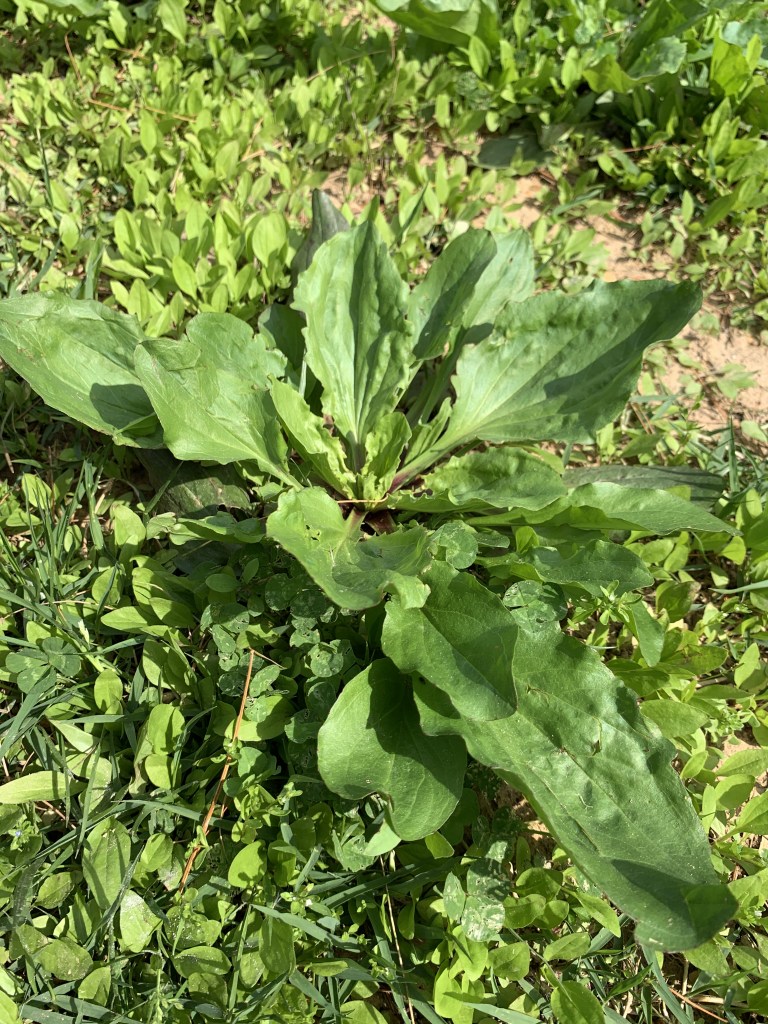
Plantain’s journey as a healing companion stretches back centuries, weaving a fascinating tale of human ingenuity and nature’s bounty. Evidence suggests its use in traditional medicine dates as far back as ancient Greece and Rome, where it was prized for its wound-healing and anti-inflammatory properties. The knowledge of plantain’s medicinal benefits continued to spread across continents, embraced by Native American tribes throughout North and South America. These indigenous cultures used plantain to treat a variety of ailments, from coughs and sore throats to digestive issues and skin problems.
The intriguing nickname “white man’s footprint” reflects plantain’s unique travelogue. This tenacious herb often established itself in new lands alongside European explorers, thriving in disturbed soils and near settlements. While its aggressive growth might have been seen as a nuisance by some, its presence offered a readily available source of natural medicine for those who recognized its potential. Plantain’s true power lies not in its perceived invasiveness, but in the hidden potential it holds for promoting health and well-being.

A Treasure Trove of Potential Benefits:
Modern science is catching up to traditional wisdom, revealing a treasure trove of potential medicinal benefits in plantain. The leaves, packed with antioxidants and beneficial compounds, have been shown to:
Soothe Sore Throats and Coughs
Plantain packs a powerful double punch when it comes to relieving coughs and sore throats. Its anti-inflammatory properties help reduce swelling and irritation in the throat tissues. This can be especially helpful for coughs caused by allergies or irritants.
Plantain also shines thanks to its demulcent properties. Demulcents are soothing substances that form a protective film over irritated mucous membranes. This film acts as a barrier, shielding the throat from further irritation and promoting healing. Additionally, plantain is rich in mucilage, a gel-like substance with a lubricating effect. Mucilage coats the throat, easing the discomfort of a scratchy cough and providing a soothing sensation.
So, the next time a cough or sore throat disrupts your day, consider reaching for a cup of plantain tea. Its calming and protective properties may offer welcome relief.
Digestion Ally
Plantain’s potential benefits for digestion are multifaceted. Here’s a closer look:
Astringent Nature: Plantain has a mild astringent quality, which means it can help tighten and tone tissues in the digestive tract. This can be helpful in reducing diarrhea and easing symptoms like loose stools and cramping.
Soothing Relief: Plantain’s anti-inflammatory properties can extend to the digestive system. By reducing inflammation in the gut lining, plantain may help soothe discomfort associated with conditions like gastritis and ulcerative colitis.
Potential Prebiotic: Some studies suggest that plantain may contain prebiotic properties. Prebiotics are a type of dietary fiber that nourishes the good bacteria in your gut microbiome. A healthy gut microbiome is essential for optimal digestion and overall health.
Mucilage Magic: Plantain’s mucilage, the same substance that soothes sore throats, can also play a role in digestion. This gel-like substance helps coat and protect the digestive tract lining, promoting a smoother passage of food and potentially easing symptoms of indigestion and heartburn.
Promote Wound Healing
Plantain’s historical use as a wound healer is gaining traction in the modern scientific realm. Studies suggest that this humble herb possesses several properties that may contribute to faster healing and reduced risk of infection:
Anti-inflammatory Powerhouse: Plantain is rich in compounds with anti-inflammatory properties. Inflammation is a natural part of the healing process, but excessive inflammation can actually slow down healing. By reducing inflammation, plantain may help create an optimal environment for wound repair.
Speeding Up Cell Regeneration: Some research suggests that plantain may stimulate the growth and migration of fibroblasts, the cells responsible for building new tissue. This can potentially accelerate the wound healing process.
A Natural Antiseptic: Plantain leaves exhibit some antimicrobial properties. While more research is needed, these properties may help prevent bacterial growth in wounds, reducing the risk of infection, a major complication that can delay healing.
Soothing and Pain-Relieving: Plantain’s demulcent properties offer a comforting layer of protection on wounds, reducing pain and irritation. This can promote faster healing by creating a more comfortable environment for tissue repair.
Traditional Applications: The Poultice and Its Power
Plantain’s historical use as a wound healer is deeply rooted in traditional practices around the world. One of the most common methods involved creating a poultice, a simple yet effective way to harness the herb’s potential.
Traditionally, plantain leaves were crushed or mashed to release their beneficial compounds. This mashed material was then applied directly to the wound site. This method likely offered a combination of benefits:
- Direct Delivery of Plant Power: Crushing or mashing the leaves breaks down cell walls, allowing the medicinal properties of the plant to be readily absorbed into the wound.
- A Protective Barrier: The poultice itself acts as a physical barrier, shielding the wound from dirt, debris, and even insects, which could introduce harmful bacteria and hinder healing.
- Moist Wound Environment: A properly made poultice creates a moist environment around the wound. This is essential for optimal healing as it promotes new tissue growth and prevents the wound from drying out, which can slow down the healing process and increase the risk of scarring.
While modern medicine offers advanced wound care techniques, the traditional use of plantain poultices highlights the ingenuity of natural healing practices. The simplicity and effectiveness of this method have stood the test of time, and the underlying principles behind it continue to inform modern wound care practices.
Harvesting and Preserving Your Plantain Bounty:
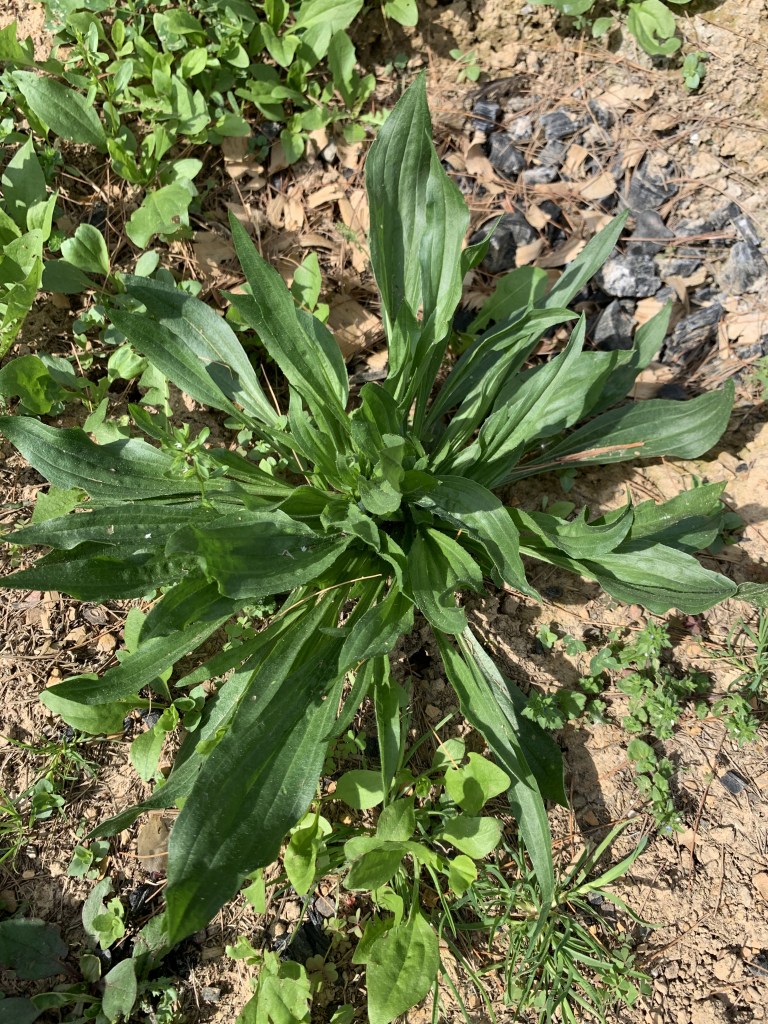
Before you head out to harvest plantain and transform it into a healing tea or soothing salve, it’s important to be able to identify it correctly. Thankfully, plantain boasts some easily recognizable features. Look for a rosette of leaves growing close to the ground. These leaves will have prominent veins radiating out from the base to the tip, with smooth edges and a waxy sheen.
Plantain comes in two common varieties: the broadleaf plantain (Plantago major) and the narrowleaf plantain (Plantago lanceolata). Broadleaf plantain, as the name suggests, has wider, more oval leaves, while narrowleaf plantain has slender, lance-shaped leaves. Both varieties have a small, inconspicuous flower stalk that emerges from the center of the rosette later in the season, bearing tiny greenish-white flowers. So, keep an eye out for these distinctive characteristics as you explore your yard or garden.
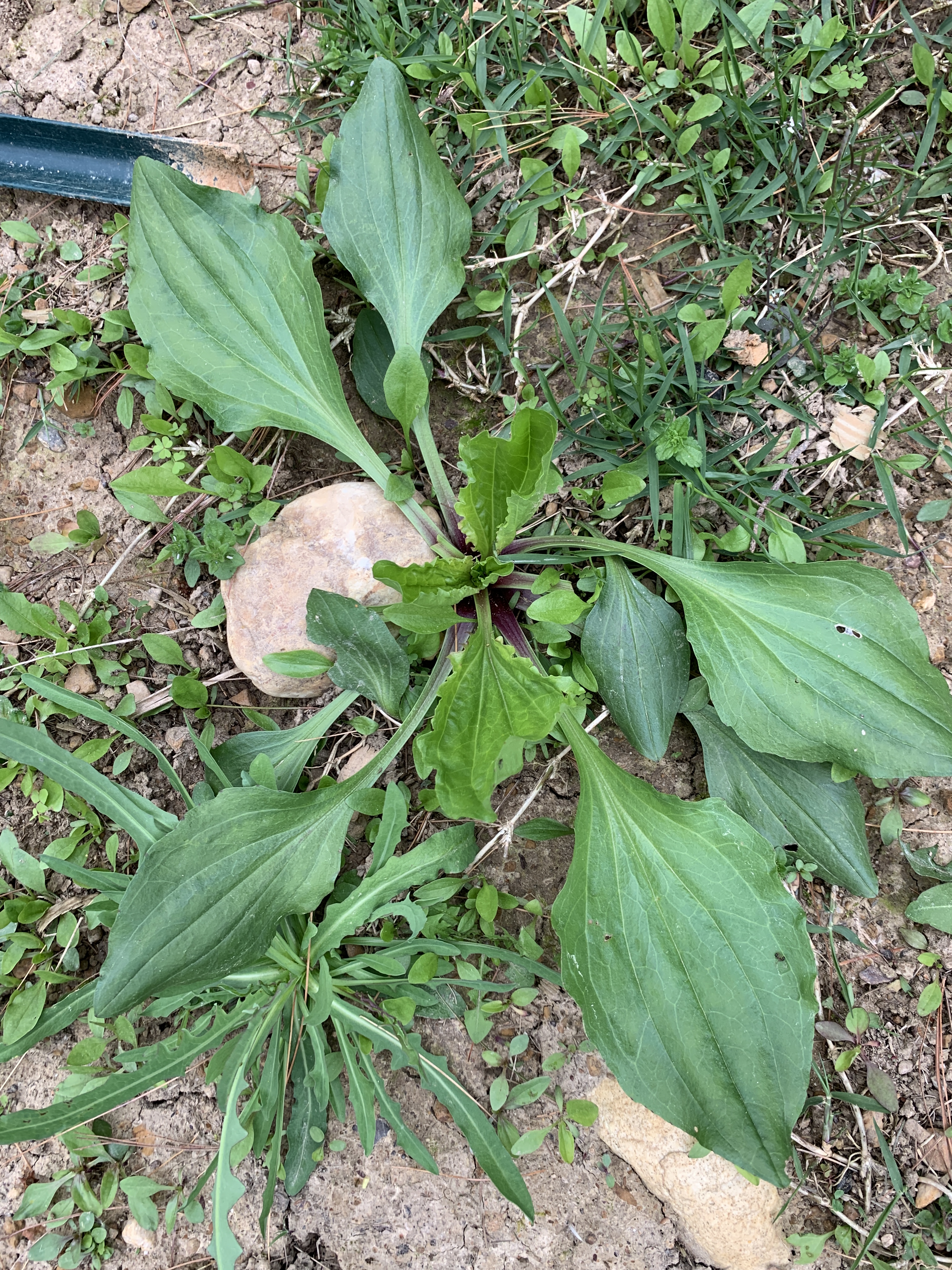

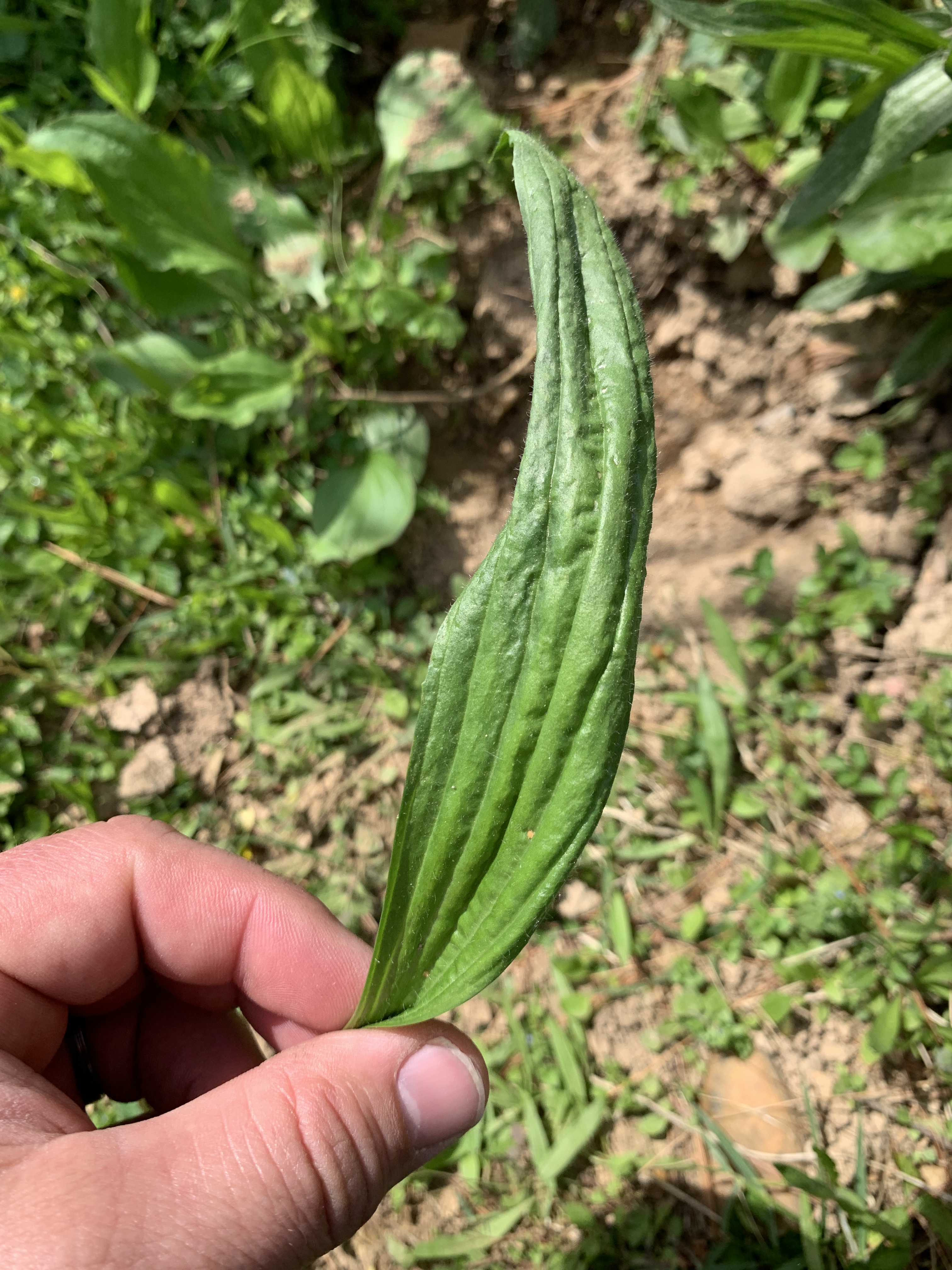

The best time to harvest plantain leaves is before the flowering stalk appears. Look for young, tender leaves that haven’t been ravaged by insects. Use sharp scissors or pruners to snip the leaves at the base. You can harvest plantain throughout the growing season, allowing the plant to replenish itself between harvests.
Once harvested, there are several ways to preserve your plantain bounty:
- Drying: Wash the leaves thoroughly and pat them dry. Arrange them in a single layer on a dehydrator tray or drying rack in a cool, dark, well-ventilated space. Once completely dry and brittle, store them in an airtight container for up to a year.
- Freezing: Plantain will lose potency over time when dried. Another method to preserve it’s medicinal value longer is to simply freeze the leaves. After cleaning and patting dry, layer the leaves in a freezer zip lock bag.
- Infused Oil: Pack a jar loosely with fresh or dried plantain leaves and cover them with olive oil. Let the mixture infuse for several weeks in a sunny location, then strain the oil and store it in a dark, cool place for topical use.

Plantain Power in Your Kitchen:
Here are a couple of simple recipes to help you incorporate plantain into your wellness routine:
Plantain Tea
This soothing tea is a traditional remedy for coughs, sore throats, and upset stomachs.
Ingredients:
- 1-2 teaspoons dried plantain leaves
- 1 cup hot water
- Honey or lemon (optional)
Instructions:
- Steep the leaves: Place 1-2 teaspoons of dried plantain leaves in a mug or heat-resistant glass.
- Pour hot water: Pour 1 cup of hot water over the leaves.
- Steep and strain: Cover the mug and let the tea steep for 10 minutes. Strain the tea into a cup using a strainer.
- Enjoy: Enjoy the tea warm. You can add a touch of honey or lemon for flavor, if desired.
Plantain Salve
This homemade salve is a natural remedy for soothing minor cuts, scrapes, and insect bites.
Ingredients:
- 1 part infused plantain oil
- 1 part beeswax pastilles or grated beeswax
- 1 part shea butter
Instructions:
- Prepare your workspace: Set up a double boiler. In the bottom pot, add a few inches of water.
- Combine ingredients: In the top pot of the double boiler, combine equal parts of your infused plantain oil, beeswax, and shea butter.
- Melt gently: Heat the water in the bottom pot until simmering. The gentle heat will slowly melt the ingredients in the top pot. Stir occasionally to ensure even melting.
- Remove from heat: Once everything is melted and well combined, remove the top pot from the double boiler.
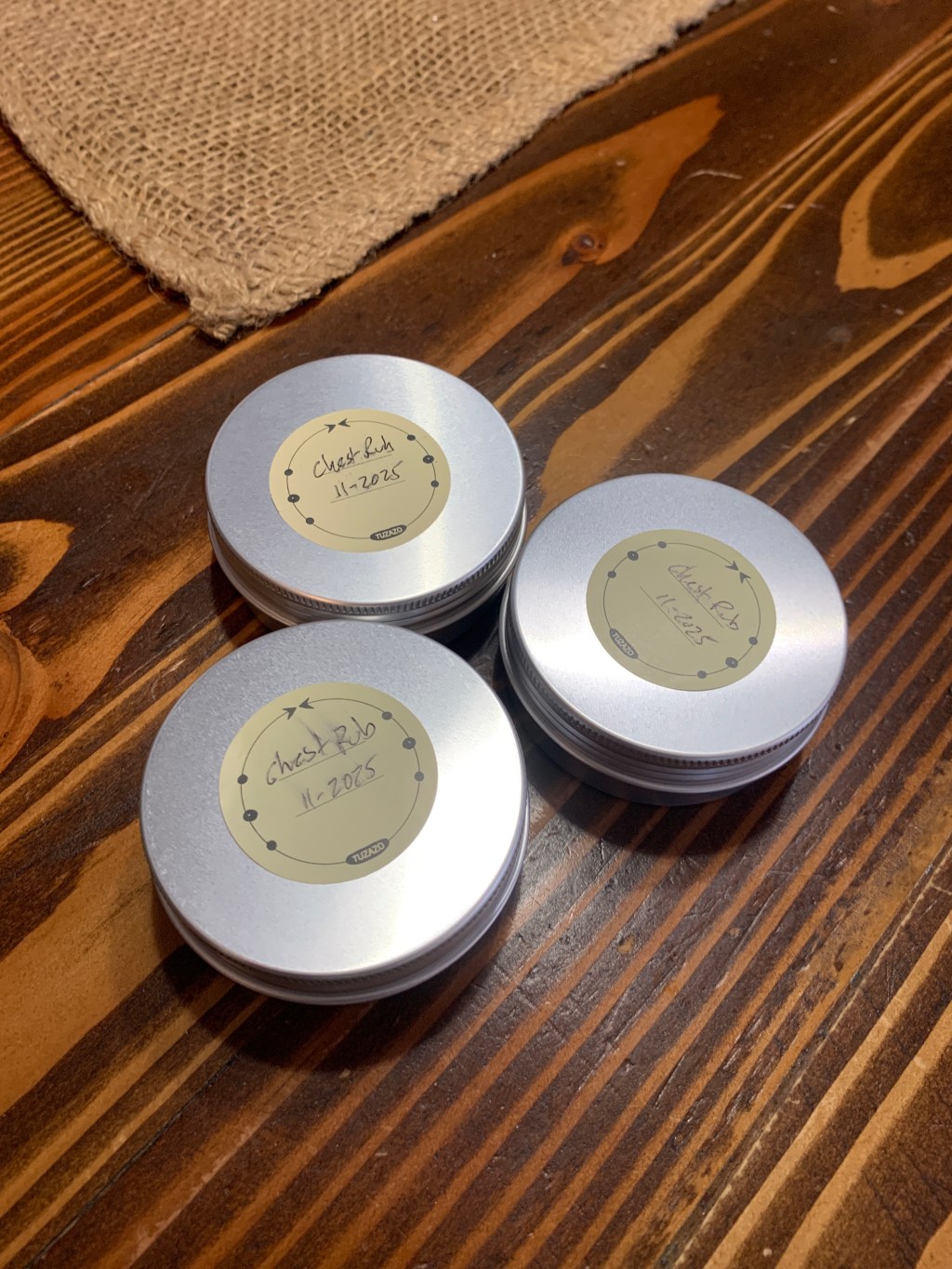
- Cool and pour: Let the mixture cool slightly, but ensure it remains liquid. Pour the salve mixture into clean, airtight containers like tins or lip balm tubes.
- Solidify completely: Allow the salve to cool and solidify completely at room temperature. This can take several hours.
Tips:
- You can customize the amount of salve you make based on your needs. Just ensure you use equal parts of each ingredient.
- Label your salve with the date of creation for quality control.
- Store your plantain salve in a cool, dark place for up to 6 months.
Instead of viewing plantain as an unwelcome guest, consider its potential as a beneficial addition to your yard. This little powerhouse might just be your new go-to for natural remedies. With its versatility and potential benefits, plantain is a welcome addition to any herbal first-aid kit.
Also, please stop by our facebook page and give us a “like” there. We post some additional content there, and we’re always happy to respond and answer any questions you may have! You can also find me on GAB, https://gab.com/jungerer!





 RJ Homestead
Leave a comment