

Spring’s warm embrace awakens not just flowers and sunshine, but also a bounty of hidden treasures in our gardens. One such treasure, often mistaken for a weed, is the humble Lambs Quarter (Chenopodium album). This leafy green, also known as wild spinach, boasts a rich history and a surprising range of culinary uses.
Lambs Quarter boasts an impressive global resume. Evidence suggests it was cultivated as far back as 3,000 BC in China! This adaptable plant followed humans across continents, readily establishing itself in disturbed areas and earning the nickname “goosefoot” for its interestingly shaped leaves.
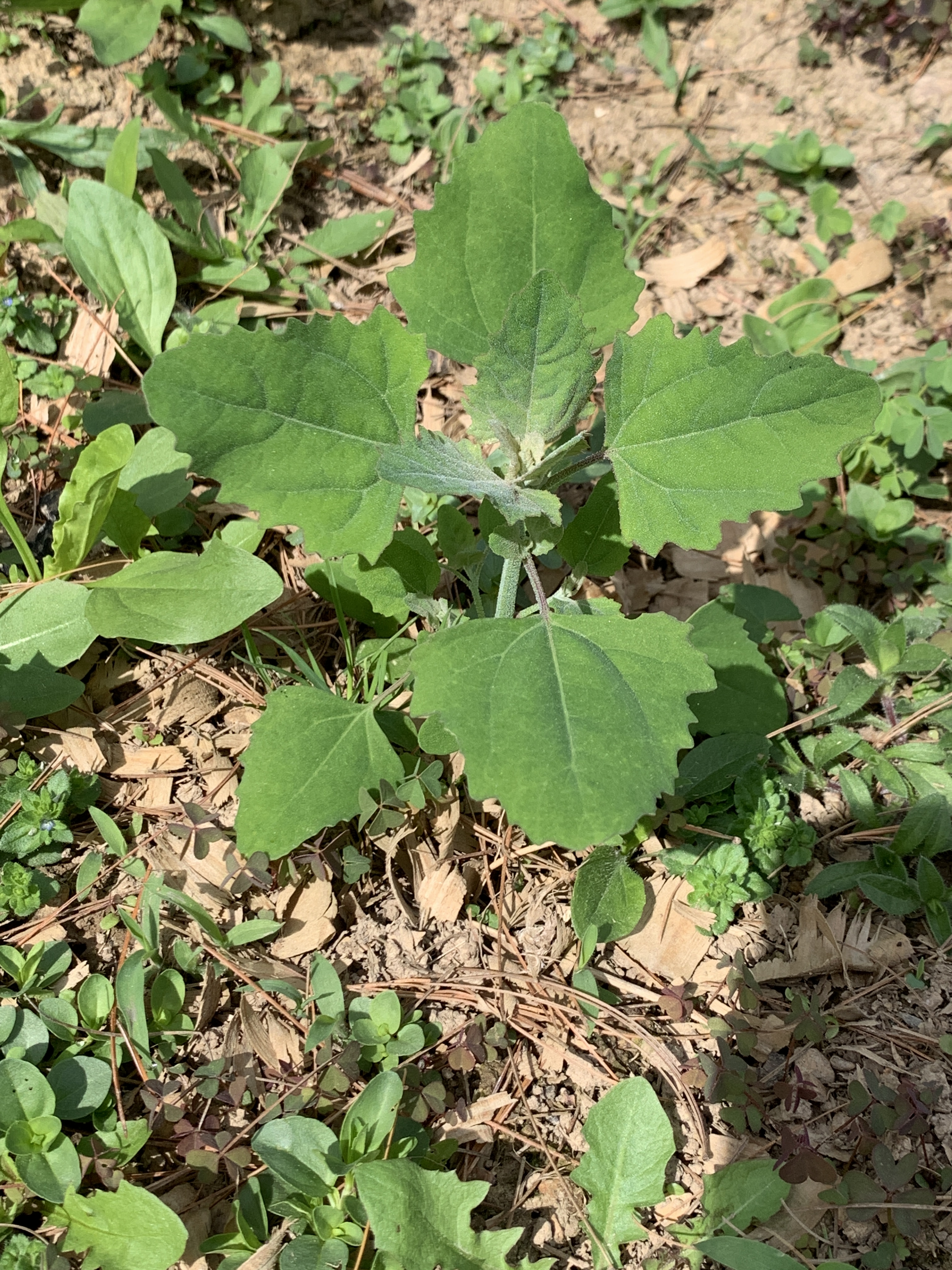
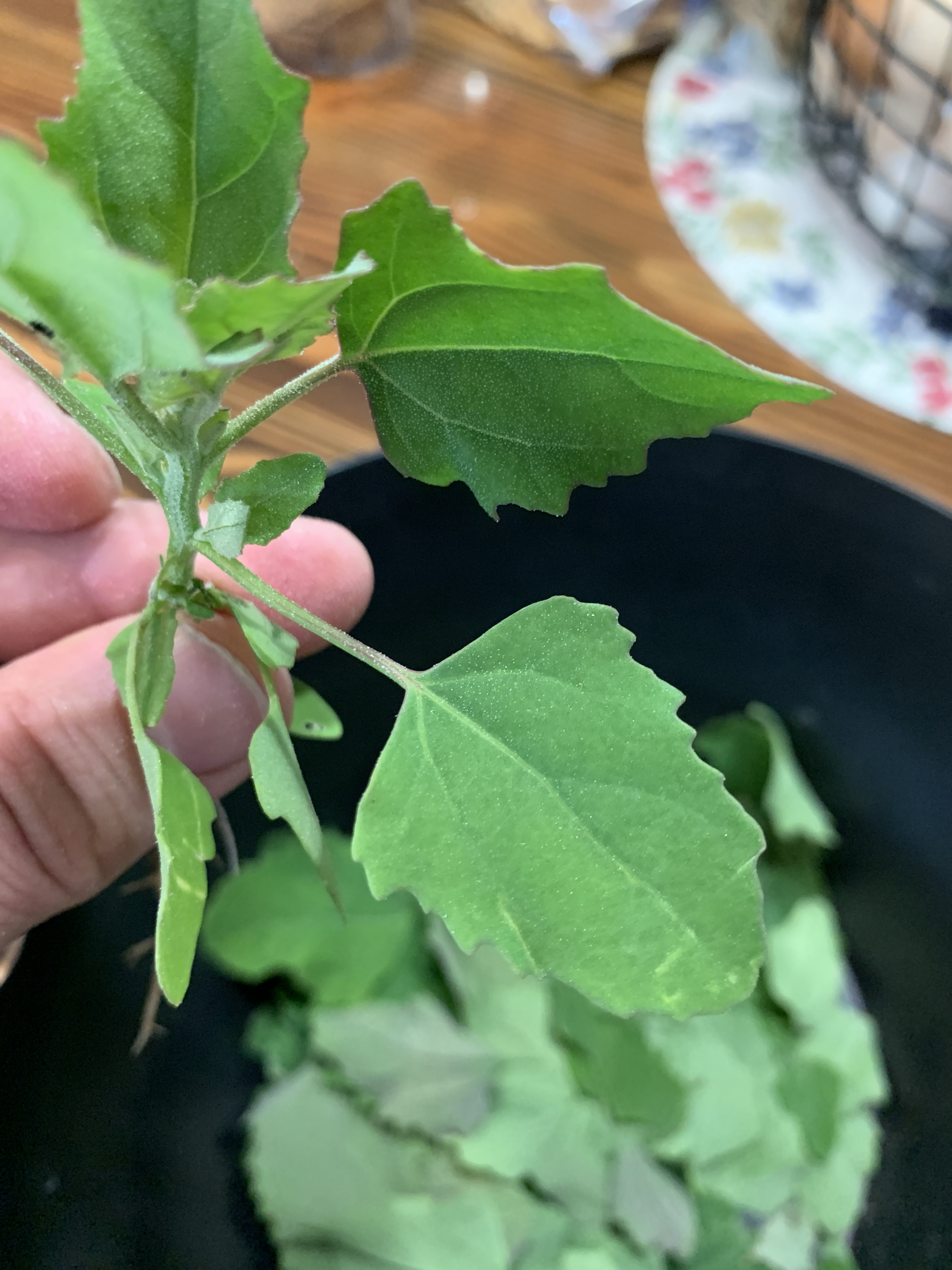
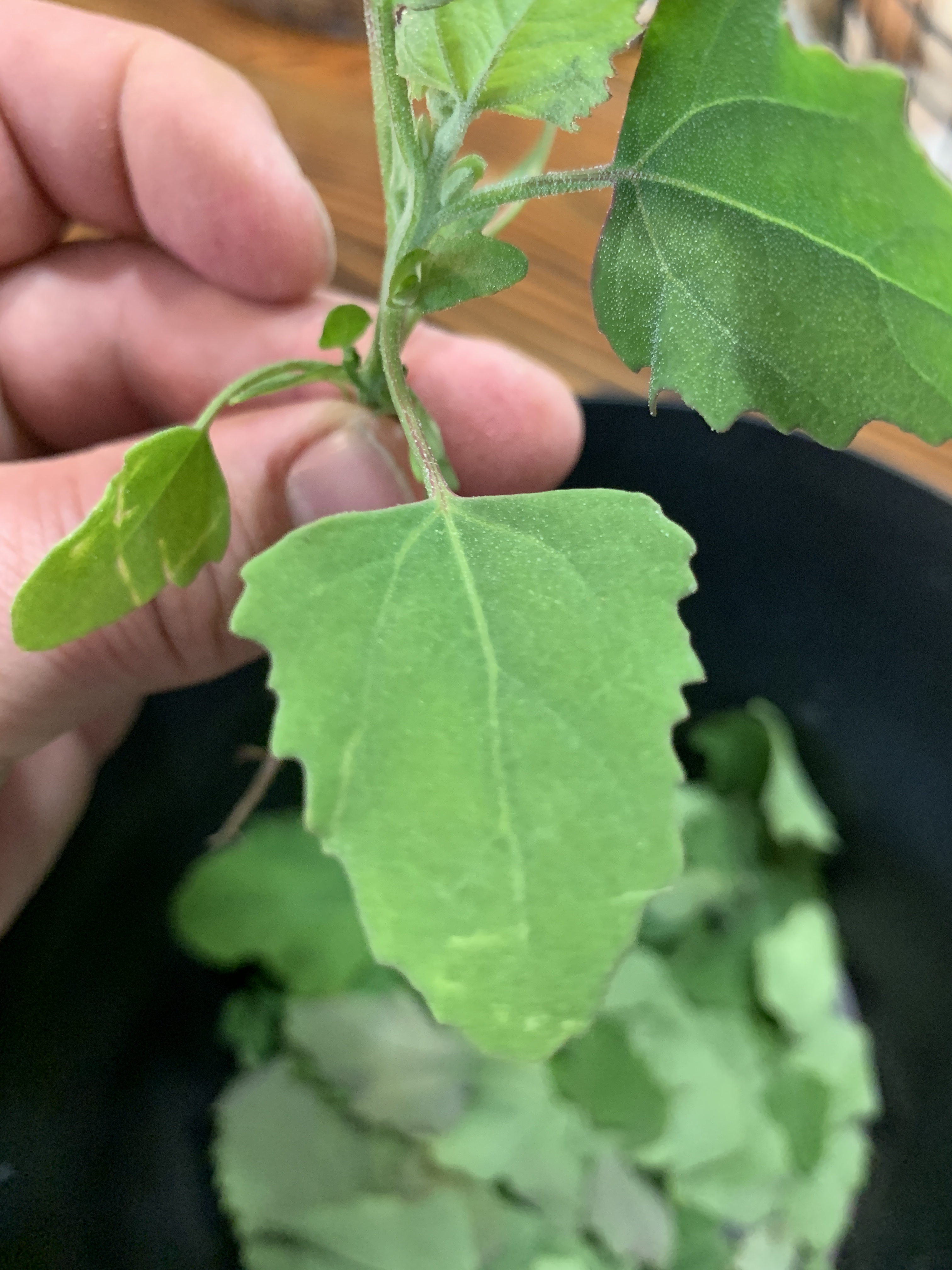
More Than Just a Weed: A Nutritional Powerhouse in Disguise
Lambs quarter might not look like much at first glance, but don’t be fooled by its unassuming appearance. This “weed” is actually a nutritional superstar, brimming with essential vitamins and minerals. Here’s a closer look at why lambs quarter deserves a place on your plate:
- Vitamin Power: Lambs quarter is an excellent source of vitamins A, C, and K. Vitamin A plays a crucial role in maintaining healthy vision and immune function. Vitamin C is a powerful antioxidant that helps protect cells from damage and supports a healthy immune system. Vitamin K is essential for blood clotting and bone health.
- Mineral Magic: This leafy green is a good source of several key minerals, including iron, calcium, and magnesium. Iron is vital for transporting oxygen throughout the body. Calcium is essential for strong bones and teeth. Magnesium plays a role in muscle function, nerve transmission, and blood sugar regulation.
- Protein Powerhouse: Compared to other leafy greens, lambs quarter boasts a higher protein content. This makes it a particularly valuable addition to vegetarian and vegan diets, helping to ensure adequate protein intake.
- Fiber Friend: Lambs quarter is a good source of dietary fiber, which promotes gut health, supports digestion, and can aid in weight management.
- A Potential Ally for Blood Sugar Control: Some studies suggest that lambs quarter may have properties that help regulate blood sugar levels. This makes it a potentially beneficial food for people with diabetes or prediabetes.
A Legacy of Nourishment: It’s no wonder that lambs quarter has been a dietary staple for many cultures throughout history. Its impressive nutritional profile provided essential vitamins and minerals, particularly in times of limited food availability. Even today, lambs quarter offers a readily available source of valuable nutrients, making it a smart choice for those seeking to add a nutritious boost to their meals.
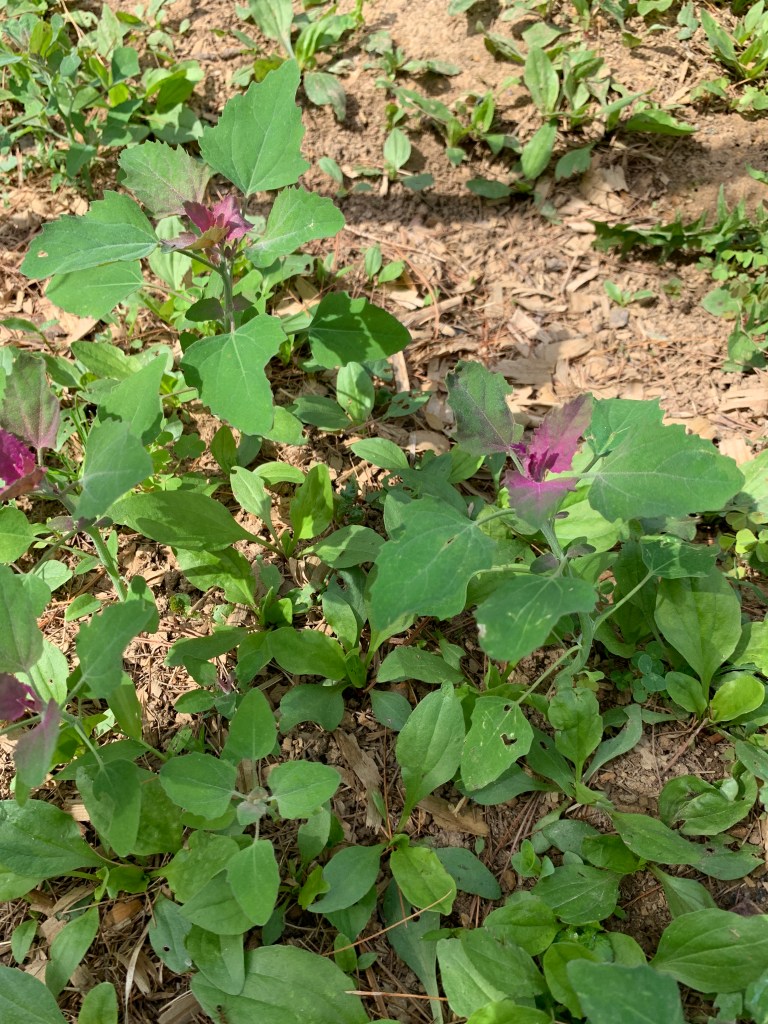
A Culinary Delight: Lambs Quarter’s flavor profile is often described as a mild, slightly salty cousin of spinach. This versatility allows it to shine in a variety of dishes. Here are a few ideas to get you started:
- Leafy Greens Delight: Sauté Lambs Quarter leaves with garlic and olive oil for a simple and nutritious side dish. You can also add it to stir-fries or omelets.
- Soup Powerhouse: Lambs Quarter’s subtle flavor blends beautifully with other vegetables in soups and stews. Add it a few minutes before serving to retain its vibrant green color.
- Quinoa’s Green Companion: Substitute some of the spinach or kale in your favorite quinoa recipe with Lambs Quarter for a delightful twist.
Harvesting Your Wild Bounty:
The best time to harvest Lambs Quarter is when the plant is young and tender, typically before it flowers. Here’s how to do it:
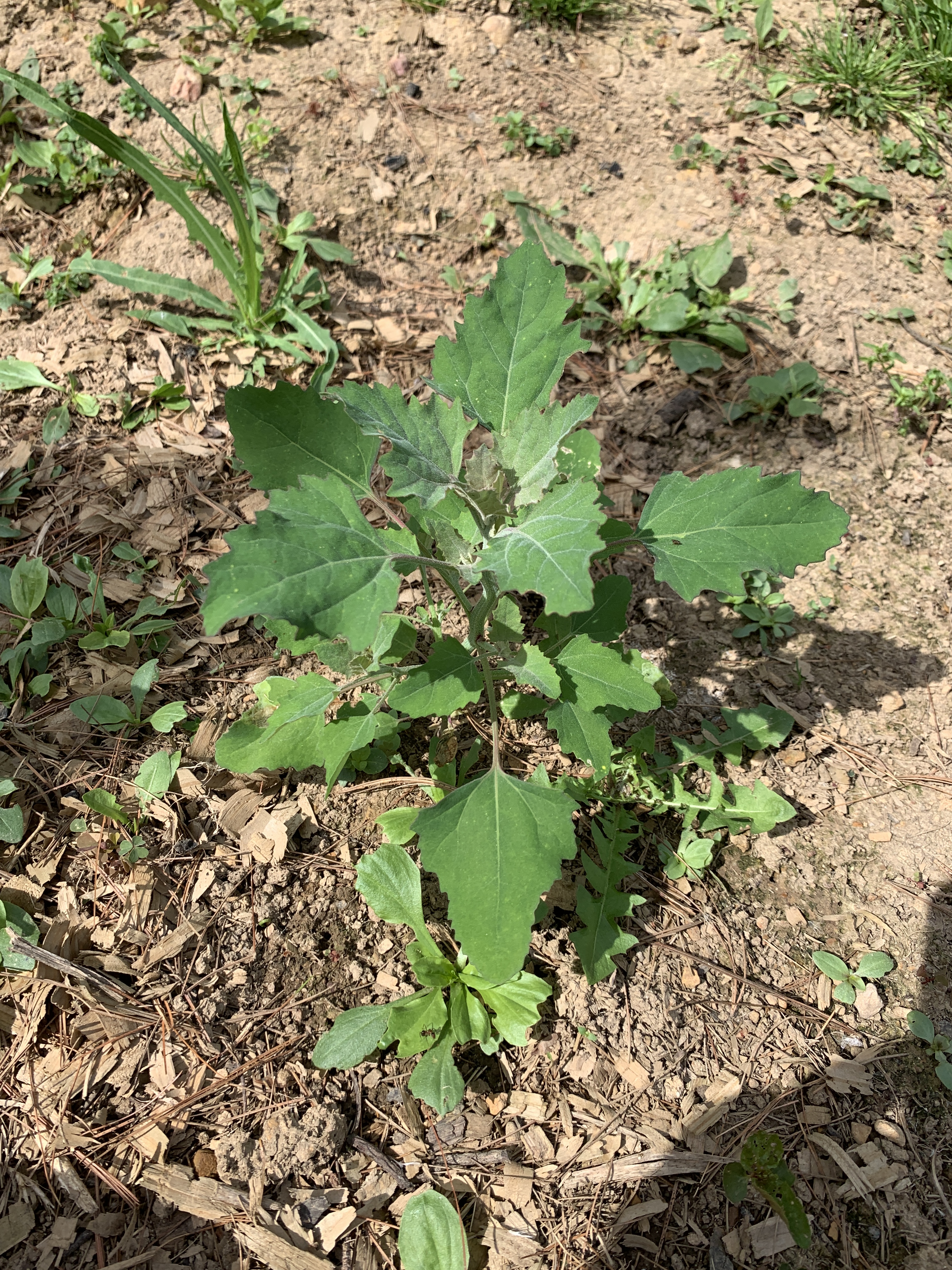
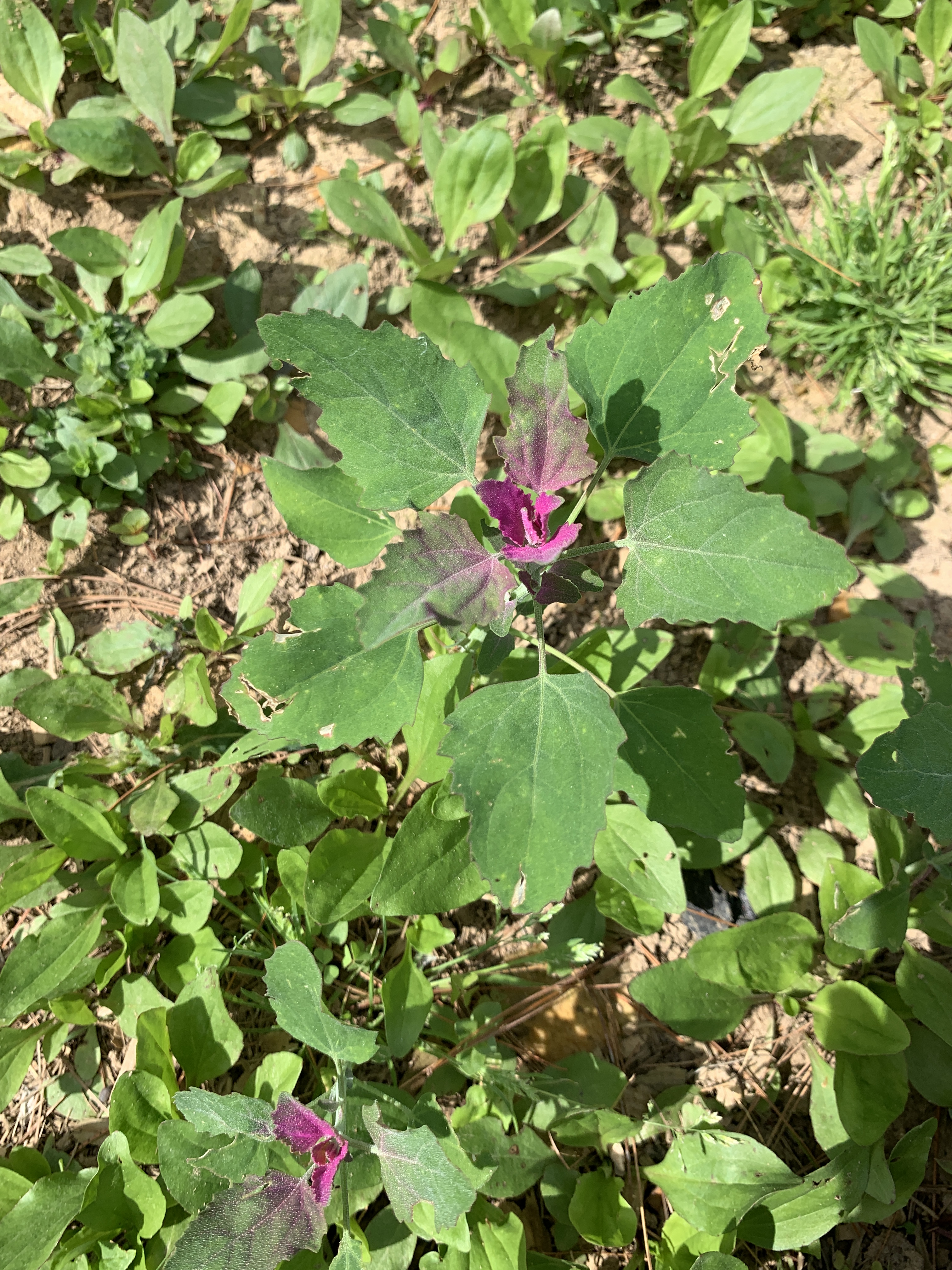
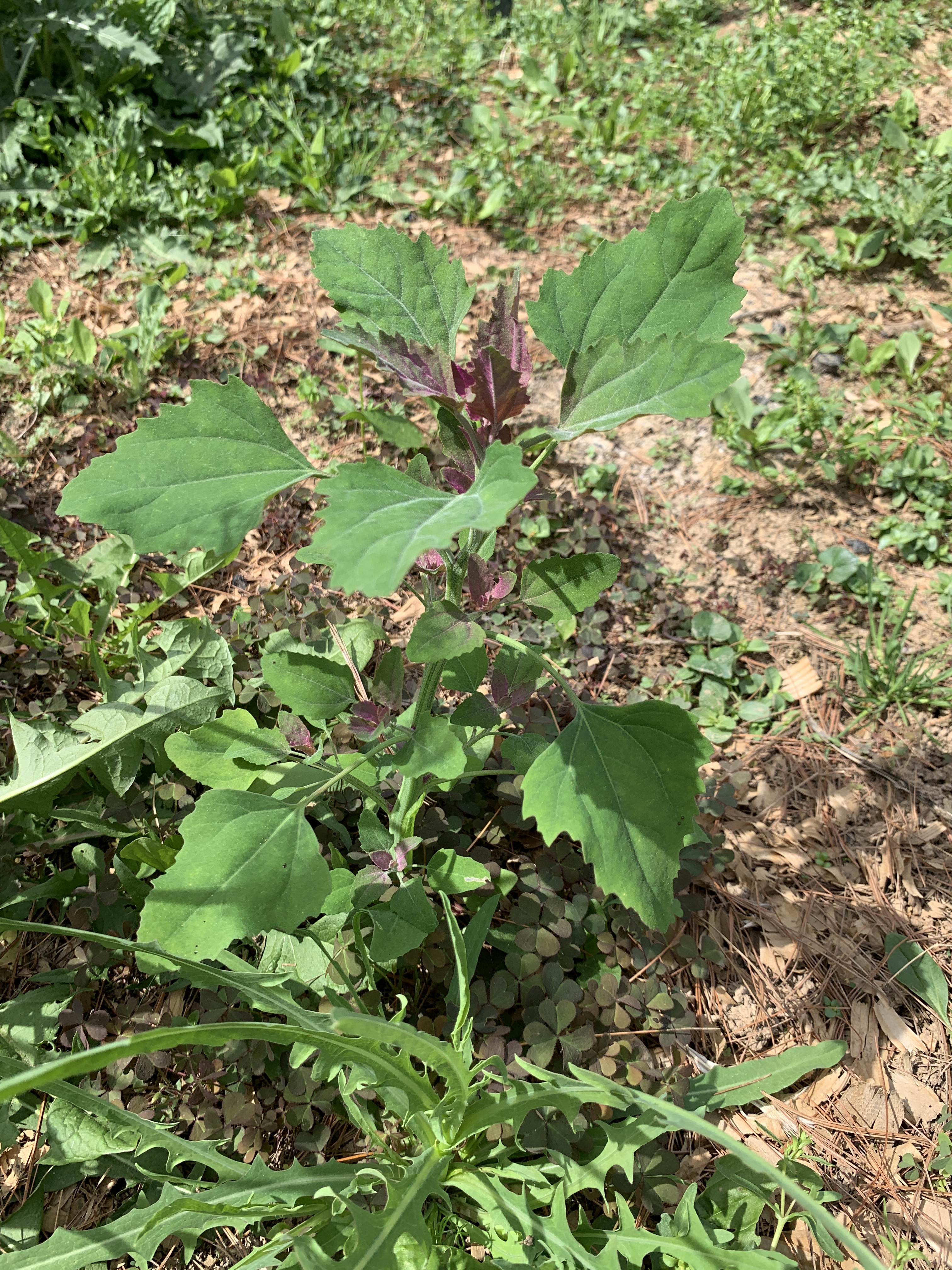
- Look for Young Plants: Choose plants that are about 6-8 inches tall with soft, green leaves.
- Snip Wisely: Use sharp scissors or pruners to snip off the top few inches of leaves. This will encourage the plant to grow back for future harvests.
- Leave Some Behind: Remember, a sustainable harvest is a happy harvest! Leave some of the plant untouched to allow it to flower and set seed, ensuring future generations of Lambs Quarter in your garden.
Preserving Your Harvest:
There are several ways to preserve your Lambs Quarter bounty:
- Fresh Feasting: For the freshest flavor, enjoy your Lambs Quarter within a day or two of harvest.
- Refrigeration: Store washed and dried Lambs Quarter leaves in an airtight container in the refrigerator for up to 3 days.
- Freezing: For longer storage, blanch Lambs Quarter leaves for a few seconds, then shock them in ice water. Drain and pat them dry before freezing in airtight containers for up to 3 months.
- Dehydrating: Dried Lambs Quarter leaves are a space-saving way to preserve this versatile green. Dehydrate the leaves according to your dehydrator’s instructions and store them in an airtight container in a cool, dark place for up to a year.

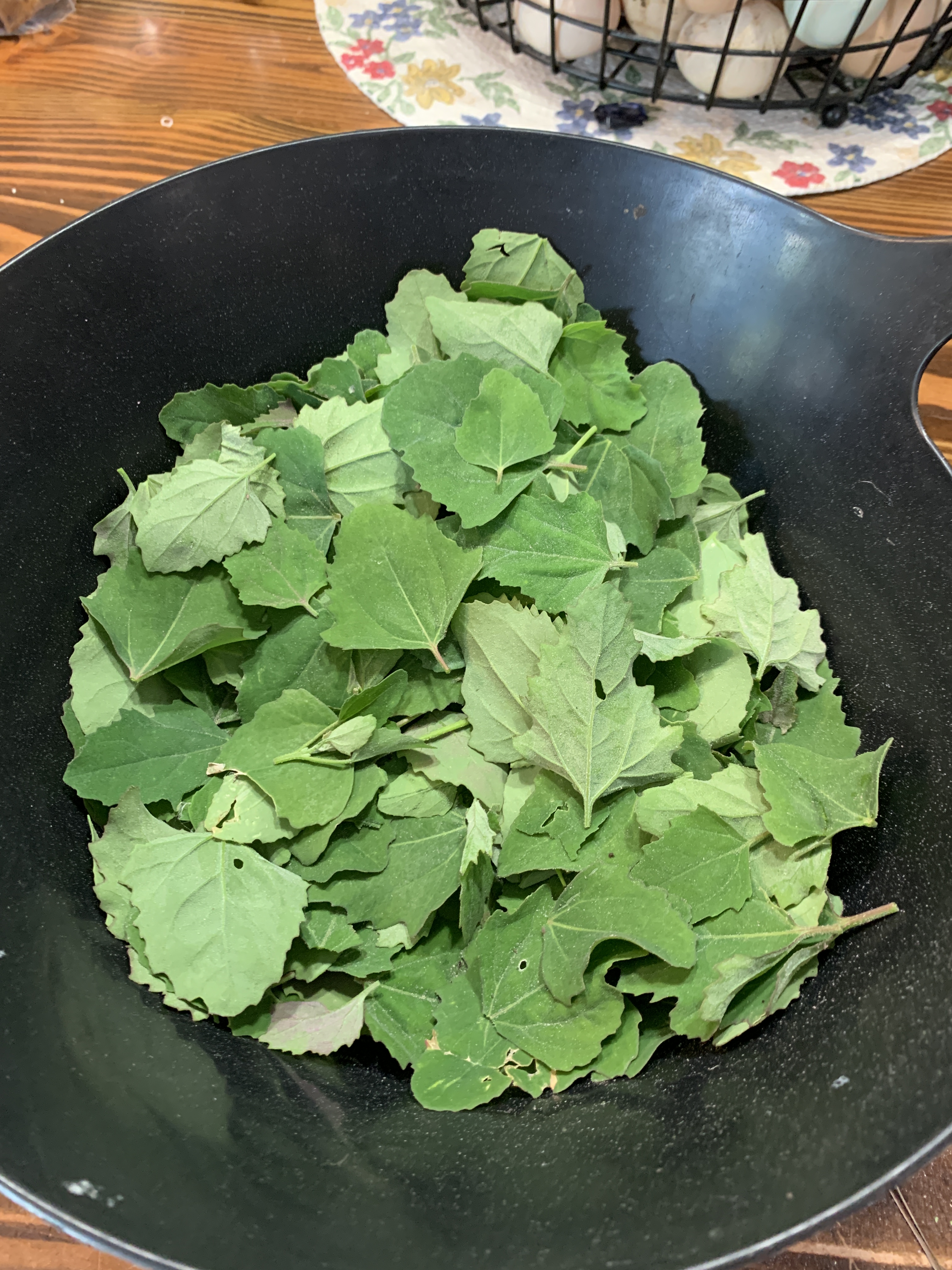
So, the next time you see Lambs Quarter growing in your garden embrace this little green powerhouse for its historical significance, its nutritional value, and its surprising culinary versatility. With a little know-how, you can transform a “weed” into a delicious and nutritious addition to your meals.
Also, please stop by our facebook page and give us a “like” there. We post some additional content there, and we’re always happy to respond and answer any questions you may have! You can also find me on GAB, https://gab.com/jungerer!


 RJ Homestead
Leave a comment