
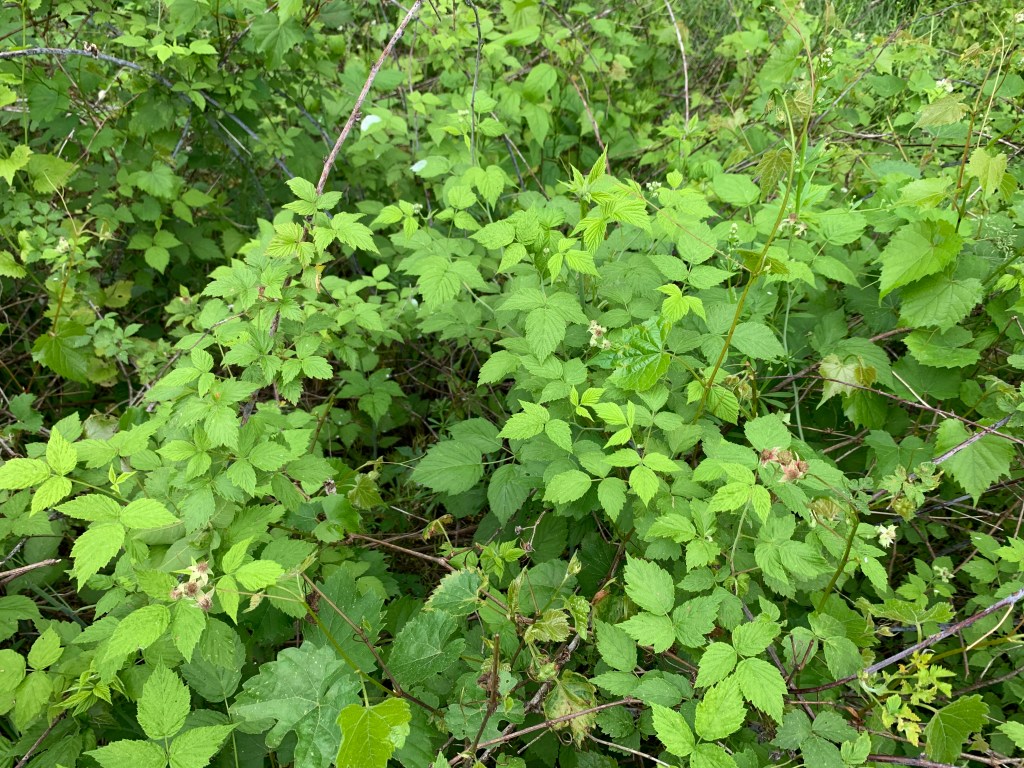
As spring gives way to early summer, a hidden treasure emerges in the wild – the leaves of the black raspberry bush. These emerald green gems hold the potential for a delightful and potentially health-boosting beverage: black raspberry leaf tea. Intrigued? Let’s embark on a journey – from harvesting these wild wonders to brewing a cup of sunshine-infused goodness.
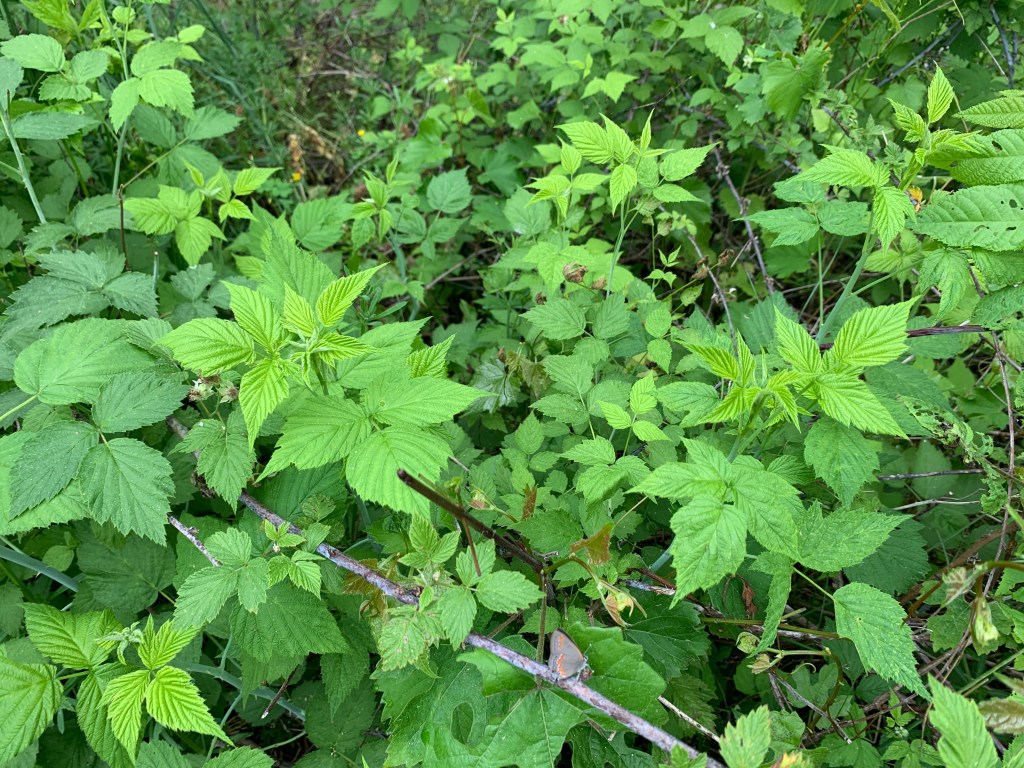
A Foraging Adventure: Finding Your Wild Black Raspberry Bounty
Before we delve into the world of tea, the first step is harvesting the star ingredient: black raspberry leaves. These beauties thrive in woodlands, thickets, and forest edges. Look for bushes with slender canes and dark purple or black berries (a delicious reward for your foraging efforts!). Identify the leaves – they’ll be compound, with serrated edges and a distinctive white underside. We have lots of patches growing around our property. And nothing beats fermented raspberry leaf tea (Recipe below). The best time to harvest the leaves is right before the berries show up.
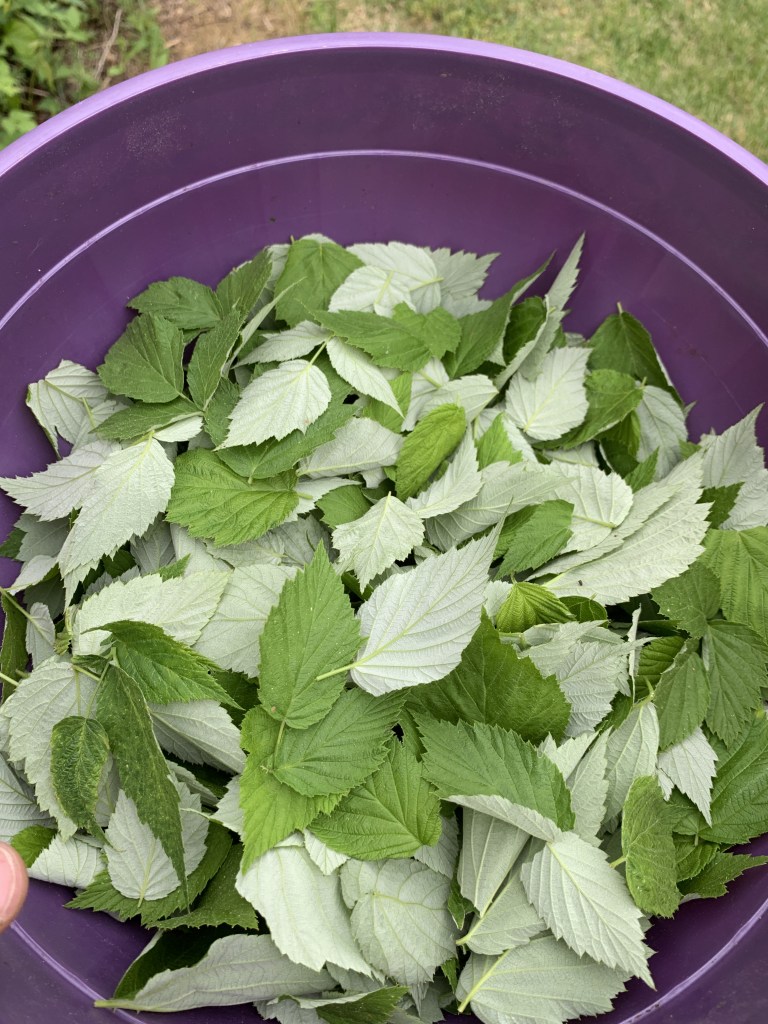
A Sustainable Harvest: Remember, responsible foraging is key! Only harvest from healthy bushes, leaving plenty of leaves behind for the plant to thrive. Focus on younger, greener leaves for a more delicate flavor in your tea.
Drying: The Foundation for a Flavorful Brew
Once you’ve gathered your bounty, it’s time to prepare the leaves for their transformation into tea. The simplest method is air drying. Wash the leaves gently and pat them dry. Spread them out in a single layer on a clean, well-ventilated mesh tray or a breathable cloth. Find a shady, dry location with good air circulation, and let the leaves dry for several days, turning them occasionally to ensure even drying. If using a dehydrator, set it to the lowest setting, somewhere around 95 and run it till the leaves crumble easily.
Brewing a Cup of Sunshine: The Simple Joy of Black Raspberry Leaf Tea
Now comes the rewarding part – brewing your very own wild black raspberry leaf tea! Steep 1-2 teaspoons of dried leaves in a cup of hot water for 5-10 minutes. Strain and enjoy the vibrant red color and the subtle sweetness with a hint of tartness. Add a touch of honey or lemon, feel free to experiment and personalize your cup.
Beyond the Brew: The Potential Benefits of Black Raspberry Leaf Tea
Black raspberry leaf tea has been a traditional herbal remedy for centuries, and modern research is starting to shed light on its potential benefits:
- A Soothing Ally for Women’s Health: Traditionally, black raspberry leaf tea has been used to support menstrual health and ease pregnancy discomforts. Some studies suggest it might have a positive impact on uterine tone and muscle contractions.
- Aiding the Immune System: Black raspberry leaves are a good source of antioxidants, which can help support the immune system and protect against cell damage.
- A Natural Anti-inflammatory: Early research suggests that black raspberry leaves may possess anti-inflammatory properties, potentially offering relief from occasional aches and pains.
The Art of Fermentation: Unlocking New Flavors
Looking for an extra twist on your black raspberry leaf tea experience? Fermentation might be the answer! This age-old technique can transform the leaves’ flavor profile, creating a more complex and potentially gut-friendly tea. This is my favorite way to handle our black raspberry leaves. The aroma and fruity flavor really shines.
- Bruise the leaves: Gently crush or bruise the fresh black raspberry leaves to release their juices. We put them on a cutting board and roll a rolling pin over them several times till they start to show some bruising.
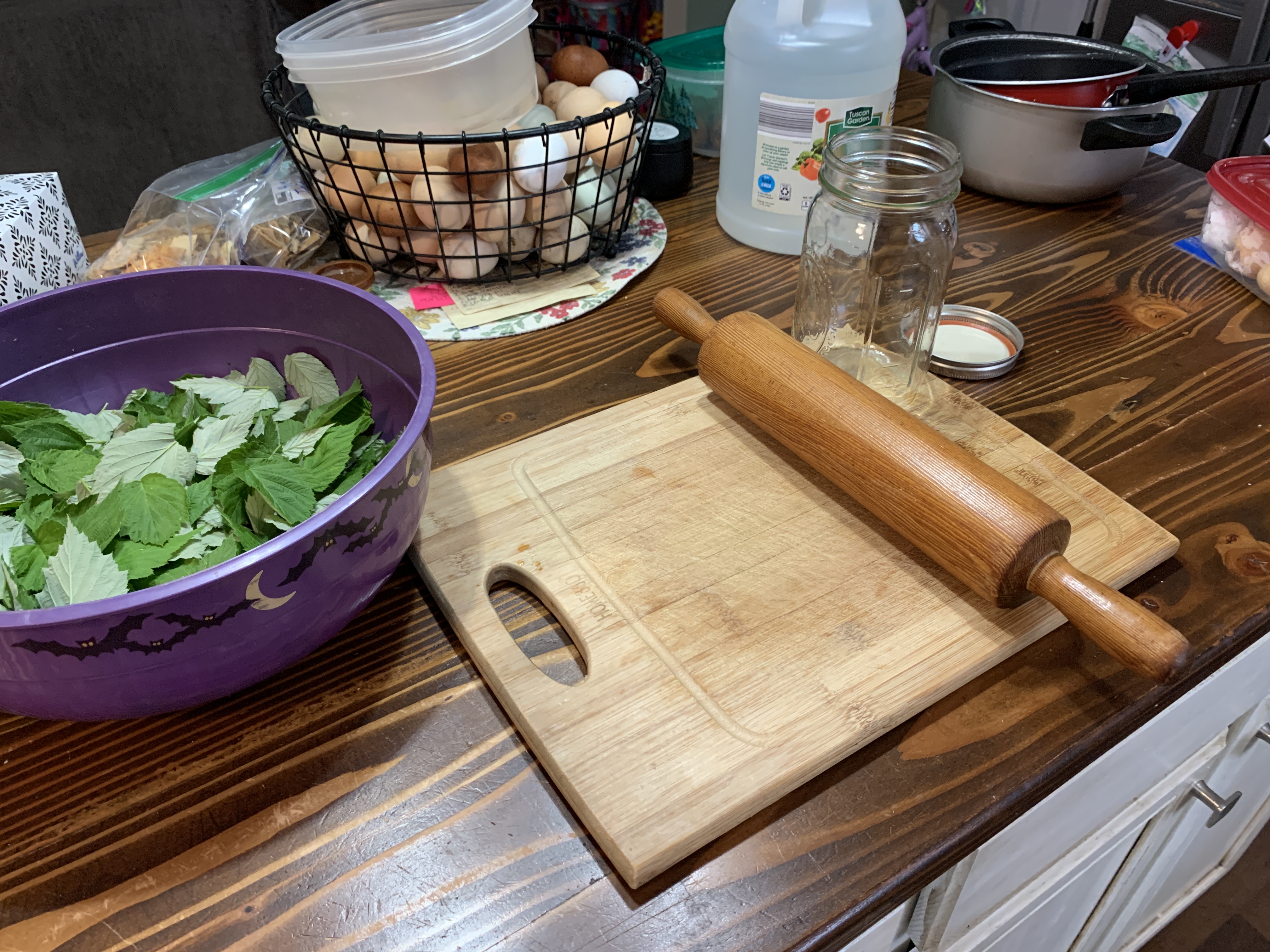
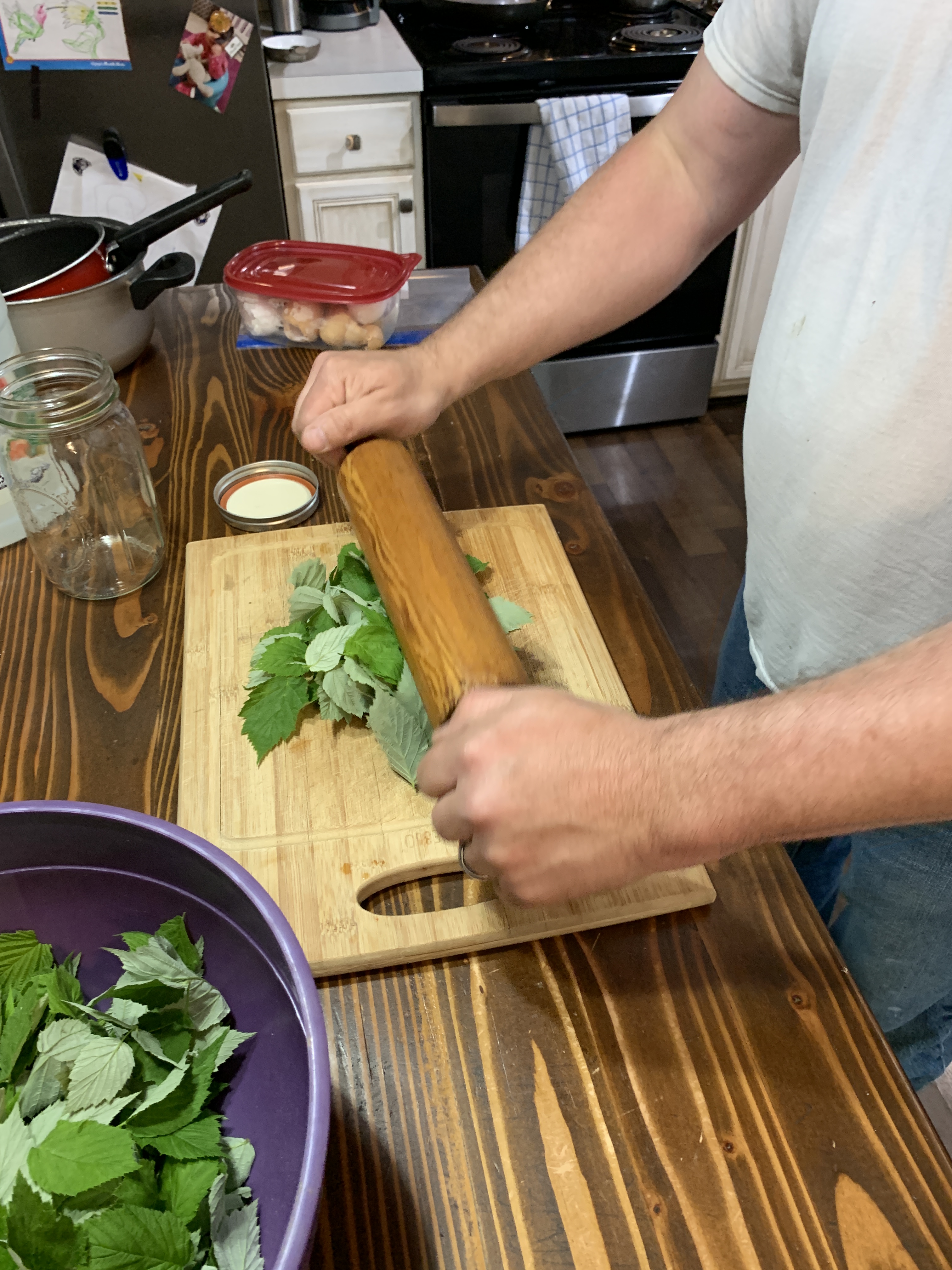
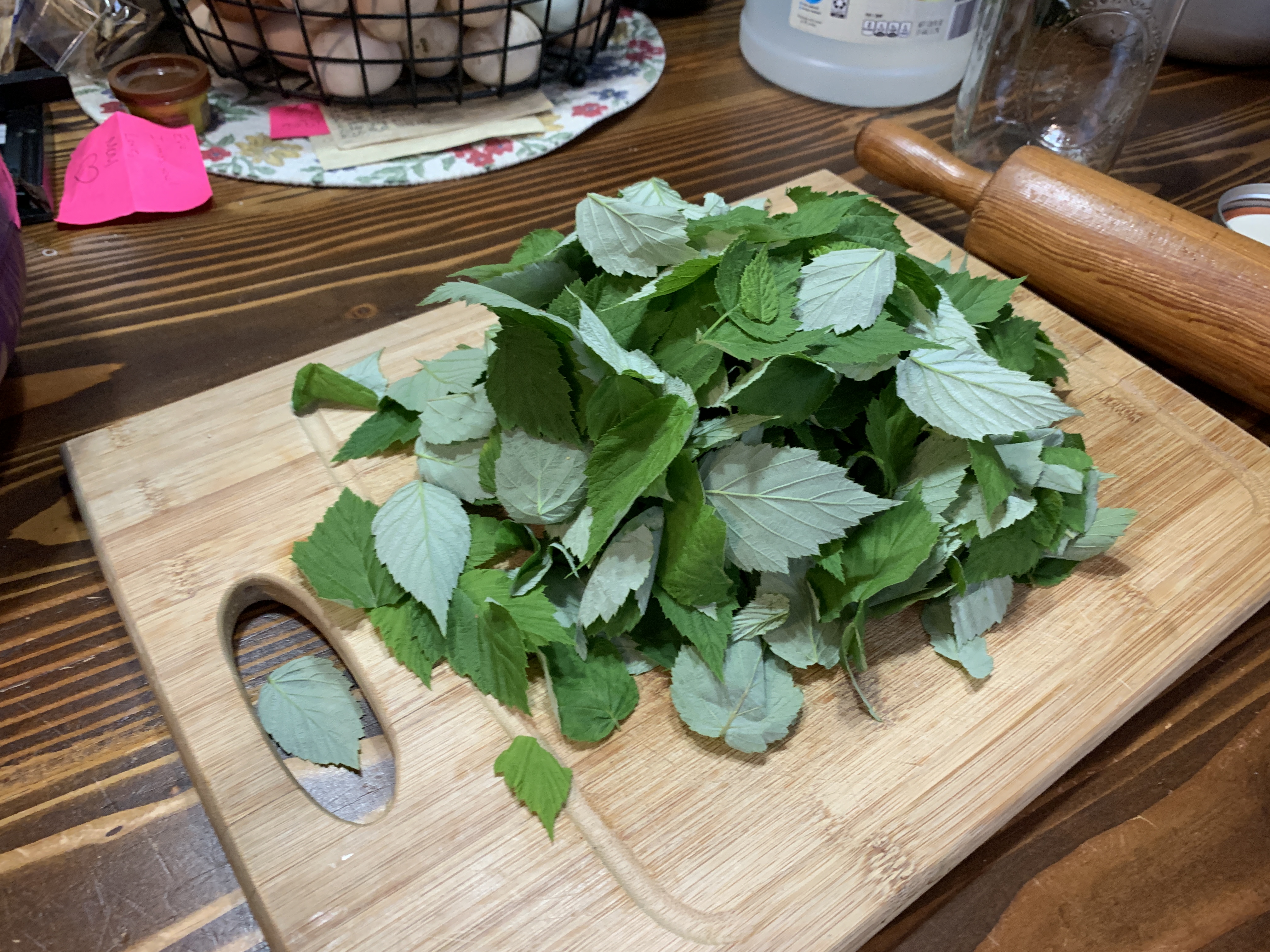

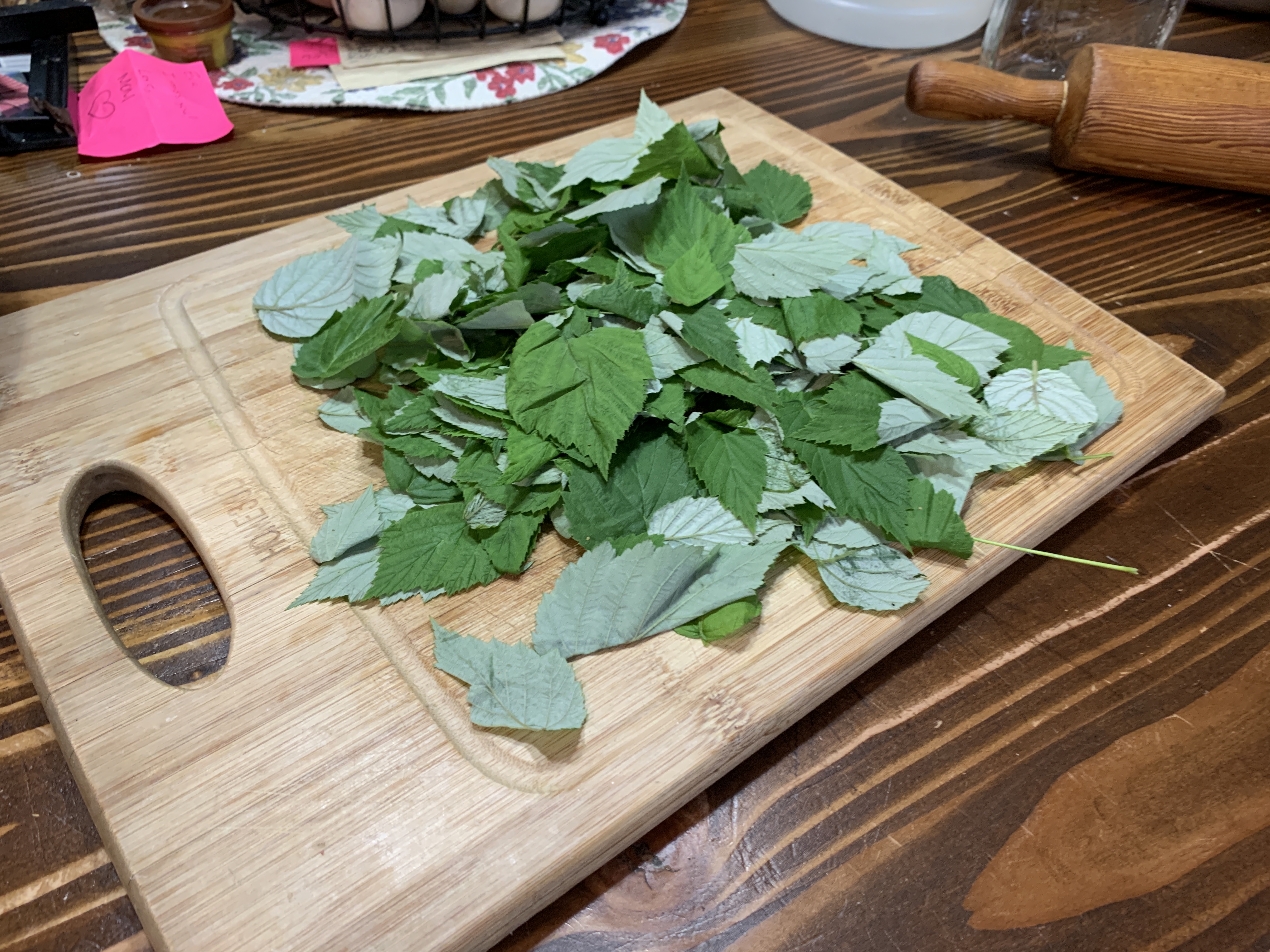
2. Let it work its magic: Store the mixture in a sealed jar at room temperature for several days, allowing the fermentation process to take place. Burp the jar daily to release pressure.

3. Give them a shake. Every other day or so, I dump the leaves out into a bowl, toss them around a bit, and then back in the jar.
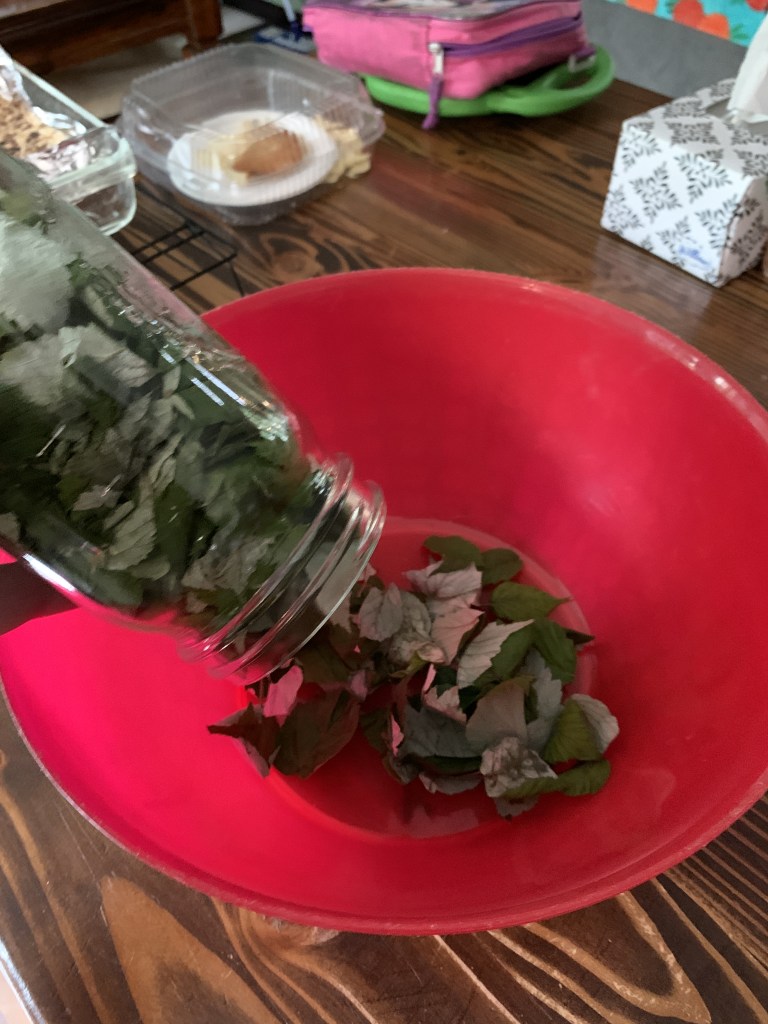
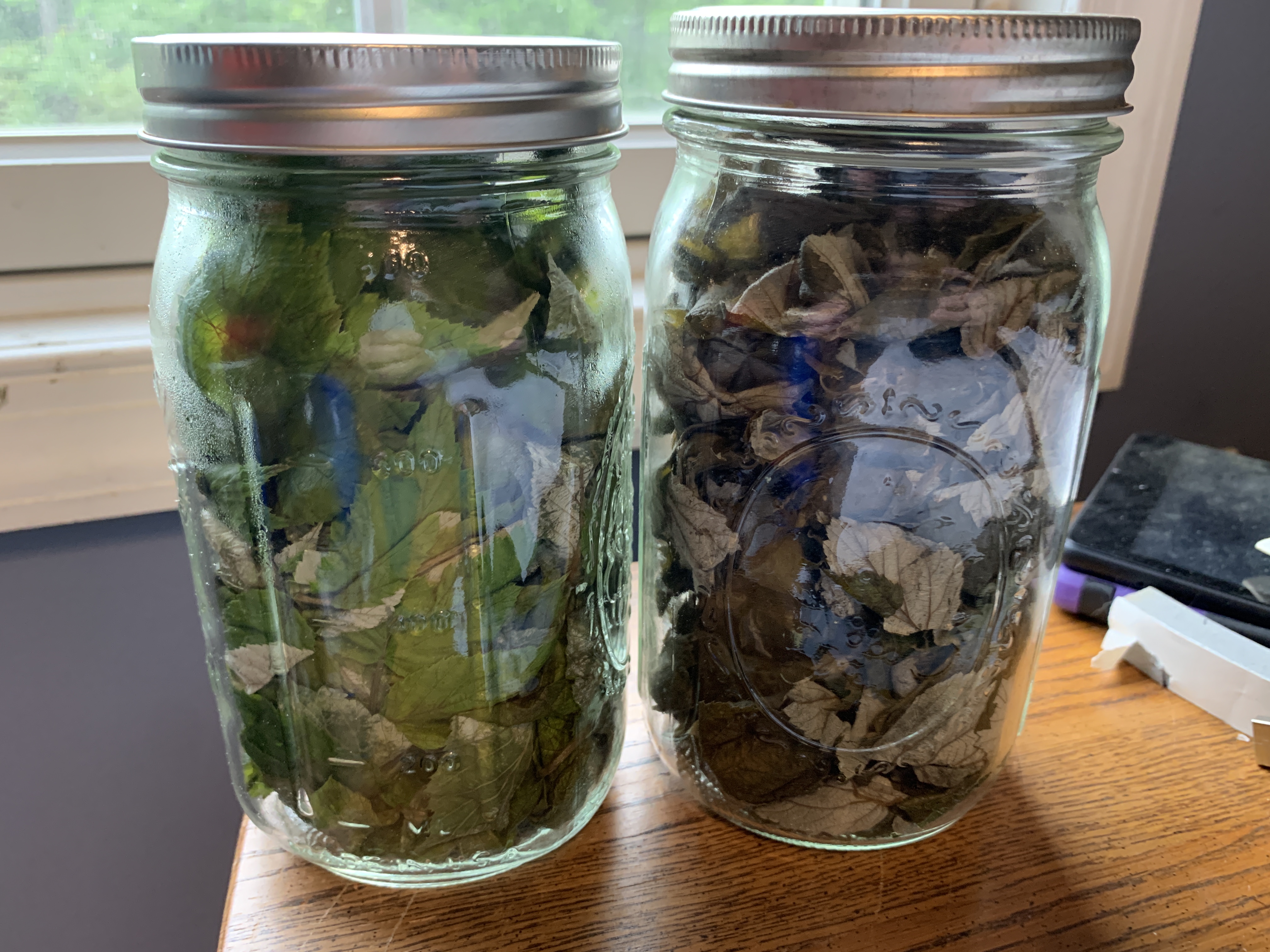
4. Drying and Brewing: Once fermentation is complete, usually about a week to a week and a half, dry the leaves as you would for regular tea. It’s a little hard to see, but the jar on the right is darker then the one on the left. The one on the right is ready to go. Into the dehydrator for 10-12 hours and they are ready. Go a head and brew your fermented black raspberry leaf tea and enjoy the unique flavor profile!

Embrace the Wild Bounty: Black raspberry leaf tea offers a delightful way to connect with nature and experience its health benefits. Whether you enjoy a simple infusion of sun-dried leaves or embark on the adventure of fermentation, this wildcrafted beverage is sure to add a touch of magic to your day. So, lace up your walking shoes, head out on a responsible foraging adventure, and discover the hidden treasure of the wild black raspberry.




 RJ Homestead
Leave a comment