
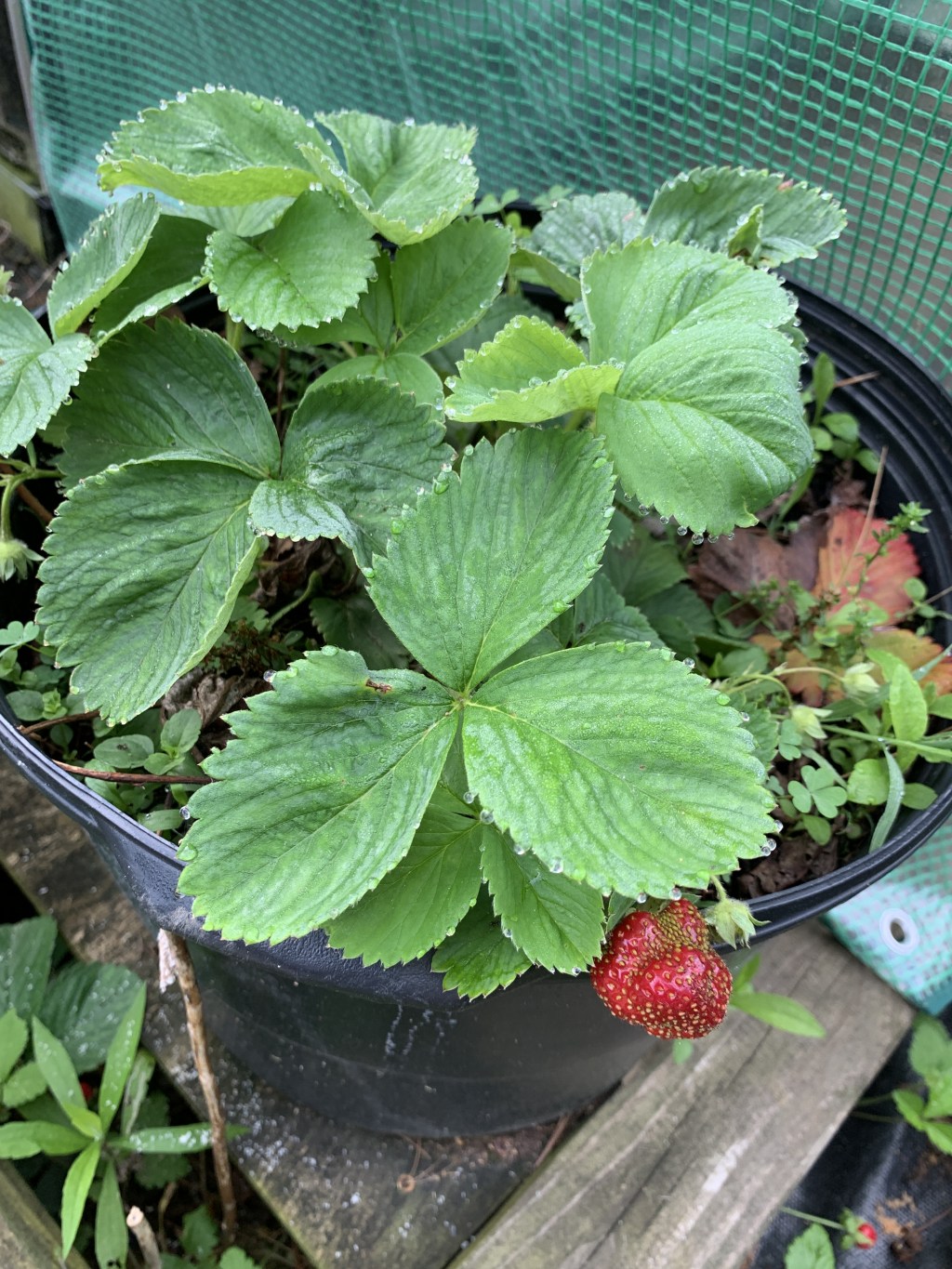
Your strawberry patch is a haven for juicy red delights, a promise of summer sweetness in every bite. But did you know this haven holds a hidden treasure – a fragrant and potentially health-boosting bonus waiting to be discovered? We’re talking about strawberry leaves, the often-overlooked foliage that can be transformed into a delightful and potentially beneficial tea.
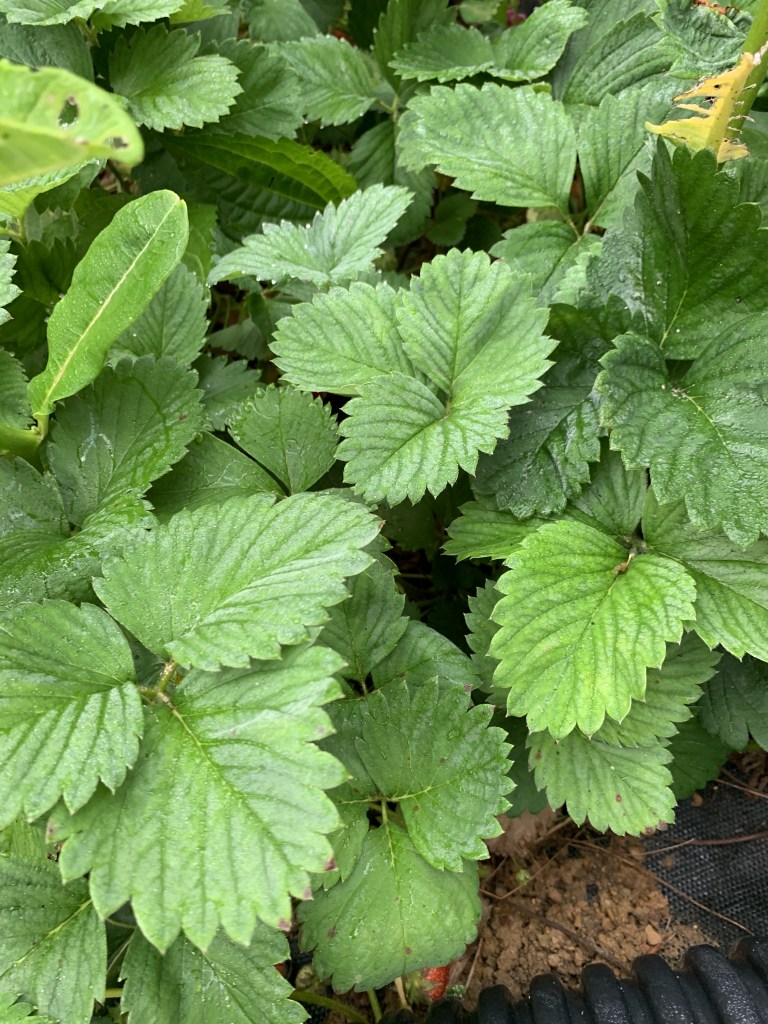
A Tea with a Past: Strawberry Leaf Tea’s Enduring Allure
Strawberry leaf tea isn’t some fleeting new-age trend; its roots delve deep into the wisdom of traditional European herbal remedies. Historical records from as far back as the Middle Ages mention the use of strawberry leaves for a variety of ailments. These early references highlight the enduring human connection between the natural world and potential solutions for promoting well-being.
Evidence suggests that strawberry leaves were used by folks across Europe to address various concerns. Some historical texts mention their use for digestive issues, while others point to their potential benefits for wound healing and overall health maintenance. This historical appreciation for strawberry leaves reflects a deep understanding of the potential benefits that nature offers. It’s a testament to the ingenuity of our ancestors who looked to their surroundings for natural remedies and incorporated them into their everyday lives.
Fast forward to the present day, and strawberry leaf tea continues to experience a resurgence in popularity. While scientific research is still ongoing to fully understand the potential benefits of strawberry leaves, their long history of use in traditional practices and their delightful flavor profile make them a captivating addition to any herbal tea enthusiast’s repertoire.
A Potential Ally for Well-being: The Promise of Strawberry Leaves
While modern scientific research is still exploring the full extent of strawberry leaves’ potential health benefits, their traditional use offers a fascinating glimpse into their historical significance. Early accounts suggest that strawberry leaves were employed for various purposes, potentially offering a natural approach to supporting well-being.
One of the intriguing aspects of strawberry leaves is their potential anti-inflammatory properties. Traditional practices often utilized them for ailments associated with inflammation, such as joint pain or digestive discomfort. The astringent qualities of strawberry leaves were also valued. Astringents have a drying effect on tissues, and historically, they were used for wound healing and to address issues like diarrhea.
Beyond these specific applications, strawberry leaves are also a natural source of essential vitamins and minerals. They boast a good amount of vitamin C, a potent antioxidant that supports the immune system and helps protect cells from damage. Manganese, another key nutrient found in strawberry leaves, plays a role in enzyme function and metabolism. Potassium, another abundant mineral, contributes to healthy blood pressure regulation and muscle function. The presence of these essential nutrients adds another layer to the potential health benefits associated with strawberry leaf tea. The historical appreciation for strawberry leaves and their potential to support overall well-being is a testament to the long-standing connection between nature and human health.
Harvesting Your Tea Treasure:
Ready to unlock the magic of strawberry leaf tea? Here’s a simple guide to harvesting and brewing:
- The Right Time: The ideal time to harvest strawberry leaves is in the morning, just after the morning dew dries.
- Focus on Young Leaves: Choose younger leaves for a more delicate flavor. Avoid any yellowing or spotted leaves.
- Sustainable Practices: Only harvest a few leaves from each plant, allowing your strawberry patch to continue thriving.


Drying for a Flavorful Brew:
The next step is drying your leaves for tea:
- Wash and Pat Dry: Gently rinse the leaves and pat them dry with a clean cloth.
- Spreading Sunshine: Arrange the leaves in a single layer on a clean mesh tray or a breathable cloth. Choose a cool, dry, and well-ventilated location with good air circulation. Direct sunlight can degrade the leaves, so opt for shade. If you have a dehydrator, low and slow is key, dehydrating at around 95-100 degrees. High heat will destroy the health benefits of the leaves.
- Patience is Key: Allow the leaves to dry for several days, turning them occasionally to ensure even drying. Once completely dry, the leaves will be brittle and crumble easily.
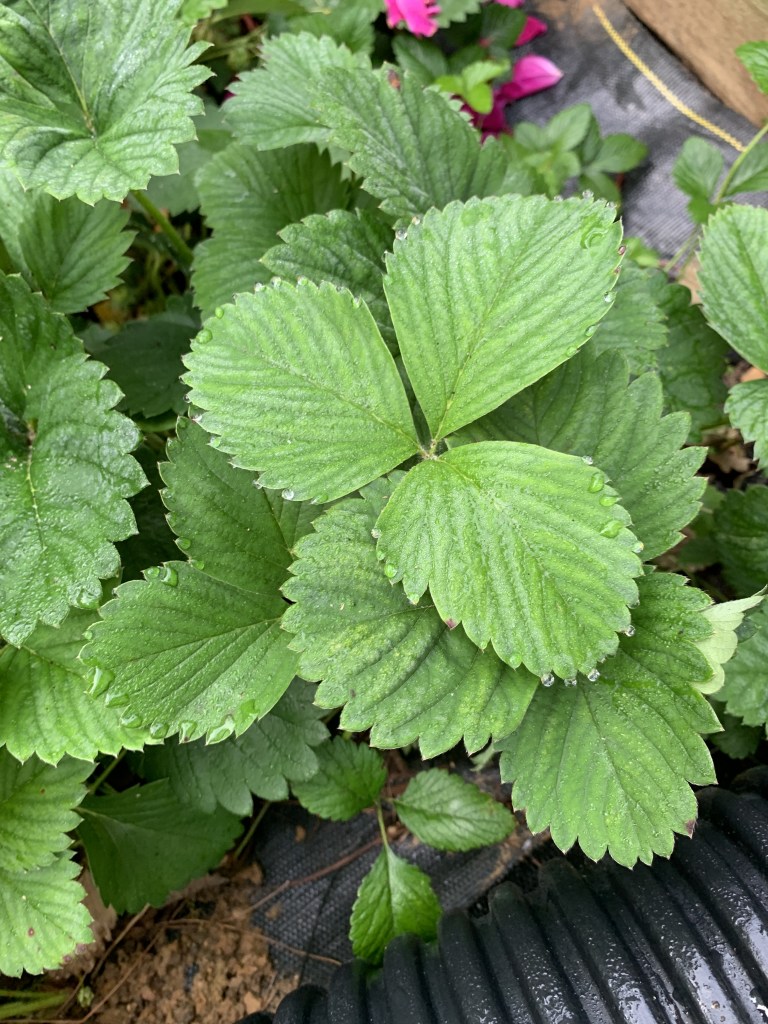
Brewing a Cup of Summer:
Now, let’s create your cup of sunshine-infused goodness:
- Steep and Savor: Place 1-2 teaspoons of dried strawberry leaves in a cup of hot water.
- Let the Magic Happen: Steep for 5-10 minutes, allowing the flavors and potential benefits to infuse the water.
- Strain and Enjoy: Strain the tea and savor the delicate sweetness with a hint of grassiness.
- Personalize Your Cup: For a touch of honey or lemon, feel free to experiment and personalize your tea experience.
A Bonus for Your Patch:
While harvesting strawberry leaves for tea, keep an eye out for any runners your strawberry plants may send out. These runners can be used to propagate new strawberry plants, expanding your patch and ensuring a bountiful harvest of both berries and leaves for years to come.
So next time you visit your strawberry patch, remember, it’s not just about the juicy red gems. Embrace the hidden treasure of strawberry leaves and embark on a delightful journey of flavor, tradition, and potential wellness benefits.



 RJ Homestead
Leave a comment