
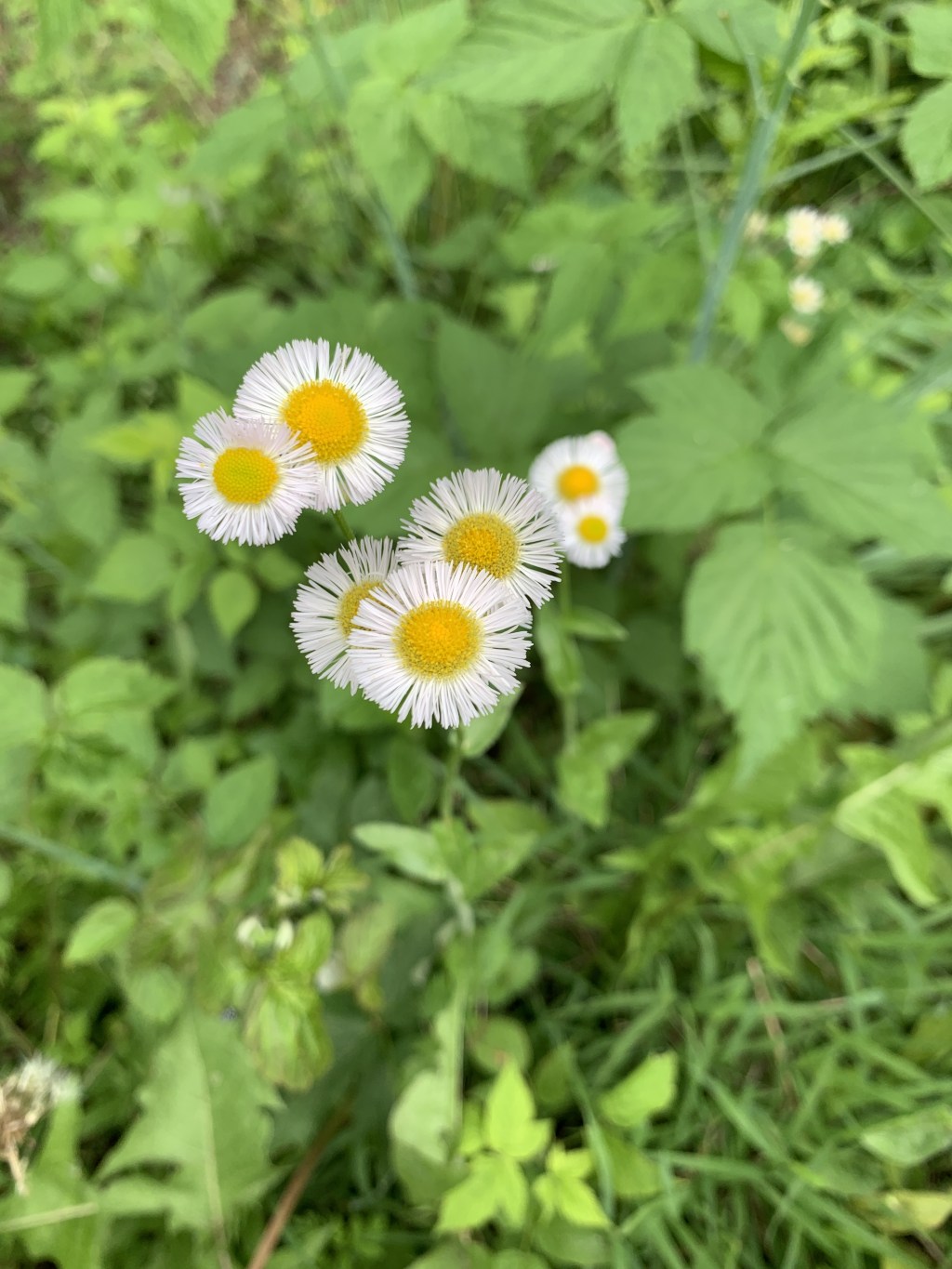
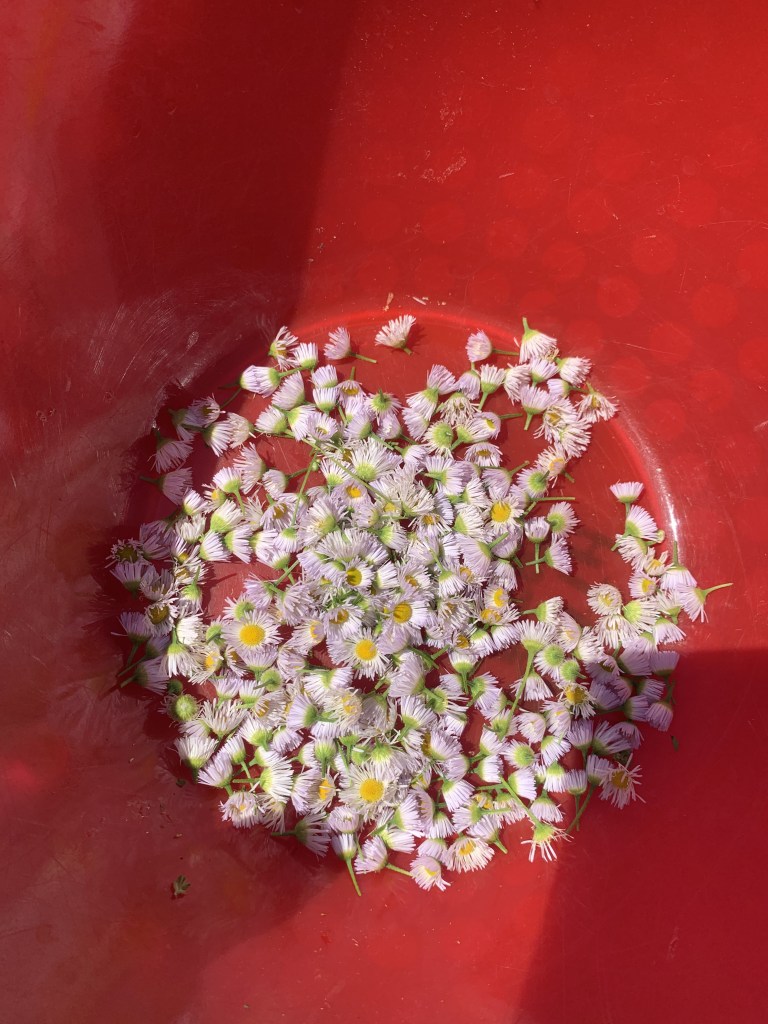
Last year we searched high and low, and those elusive little flowers remained frustratingly out of reach. Well, this year, the tables have turned! Fleabane has decided to grace our pollinator garden with its presence, and let the foraging adventures begin! But before we dive into our harvest basket, let’s delve a little deeper into this fascinating wildflower.
A History Beyond the Name
Fleabane is a charming and hardy wildflower that belongs to the Asteraceae family, known for its resilience and ability to thrive in various conditions. This attractive plant features daisy-like flowers with bright yellow centers surrounded by delicate white or pinkish petals, making it a lovely addition to any garden or wild landscape. The name “fleabane” originates from an old belief that the plant could repel fleas, with “bane” meaning a source of harm or death to these pests. This etymology reflects the plant’s historical use in households, where dried fleabane was often scattered on floors or placed in bedding to deter fleas and other insects.
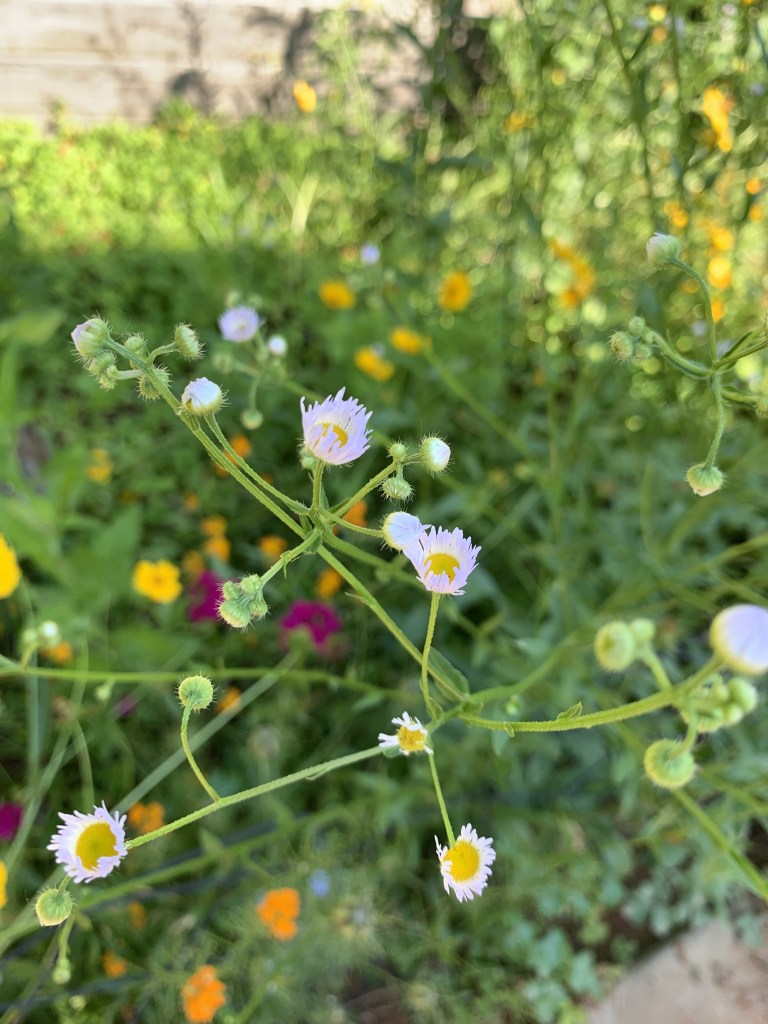
Various species of fleabane can be found across North America, Europe, and Asia, each adapting to local climates and environments. Historically, indigenous peoples and early settlers recognized the medicinal properties of fleabane and utilized it in traditional remedies. They incorporated the plant into treatments for a variety of ailments, such as respiratory issues, gastrointestinal discomfort, and inflammatory conditions. For instance, fleabane was brewed into teas to soothe coughs and colds, applied as poultices to reduce swelling and pain, and used in infusions to ease stomach troubles. This rich history underscores fleabane’s longstanding value as a natural remedy and highlights its significance in the herbal medicine traditions of many cultures.
Beyond Beauty: The Potential Benefits of Fleabane
Fleabane’s appeal goes beyond its delicate daisy-like flowers and feathery foliage. Modern research is starting to explore the potential benefits this wildflower may offer:
Anti-inflammatory Properties: Fleabane contains compounds that help reduce inflammation, making it useful for conditions like arthritis and other inflammatory disorders.
Digestive Aid: The plant can be used to soothe digestive issues, including bloating and stomach cramps.
Respiratory Relief: Fleabane has been traditionally used to alleviate symptoms of colds, coughs, and bronchitis.
Antioxidant Effects: Rich in antioxidants, fleabane helps combat oxidative stress and supports overall health.
Potential Urinary Tract Support: Traditionally, fleabane has been used to address urinary tract concerns.

From Garden to Cup: Harvesting and Drying Fleabane
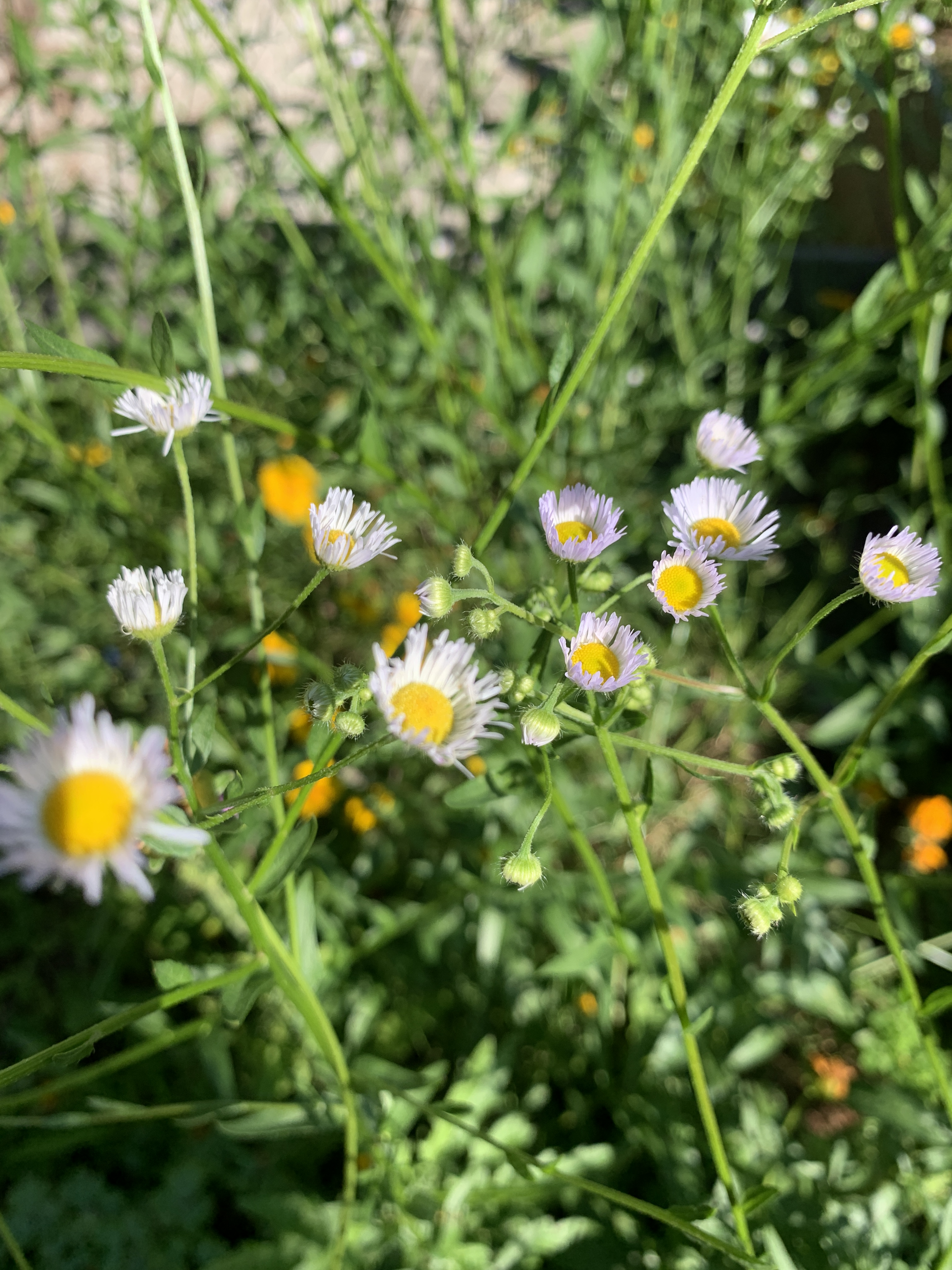
Now that you’ve identified fleabane in your garden (remember, proper identification is key!), here’s how to harvest and dry it for tea:
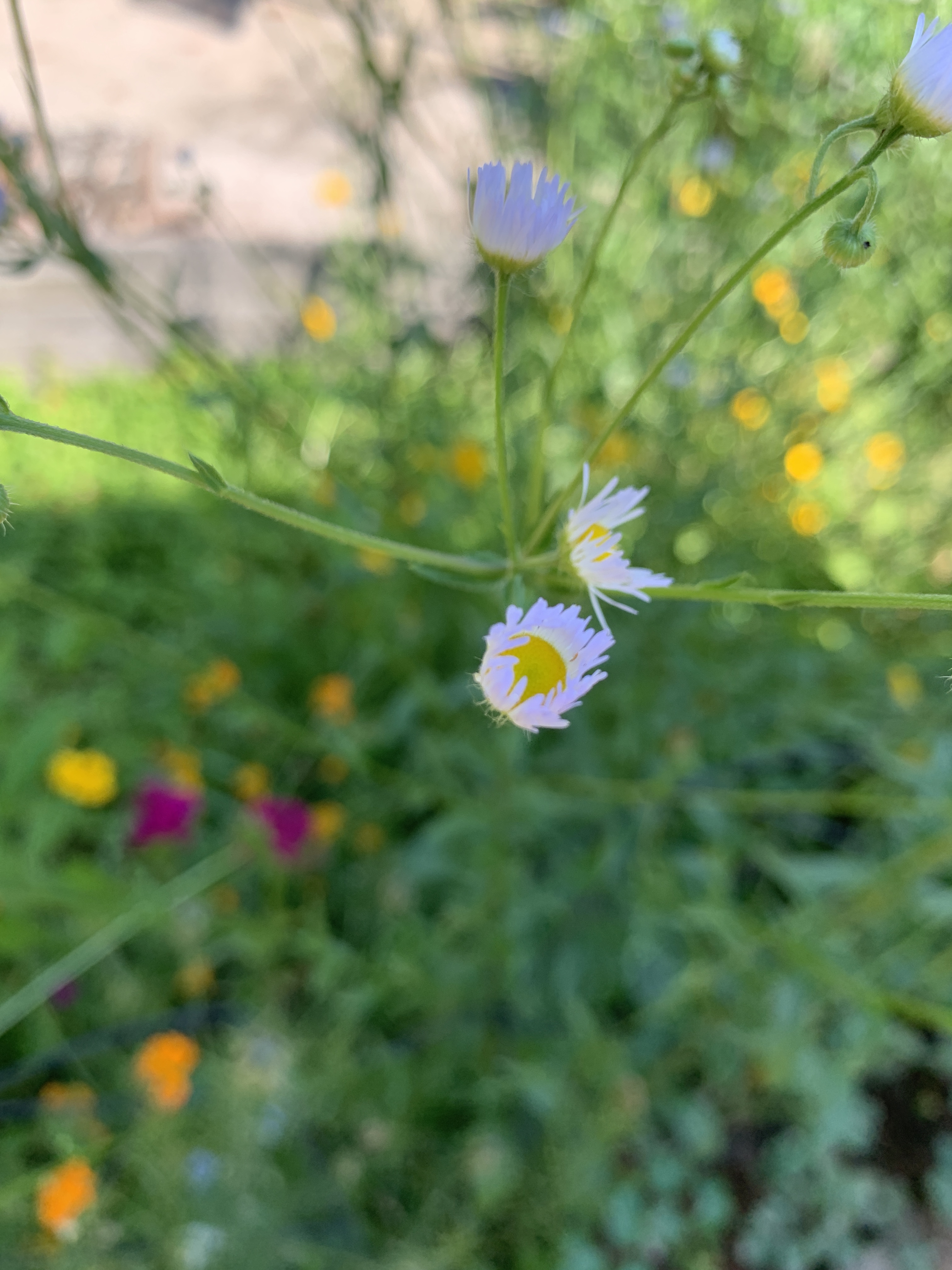
- Timing is Key: The ideal time to harvest fleabane is before the flowers bloom fully. This ensures you capture the highest concentration of potential beneficial compounds.
- Focus on the Fresh: Look for young, vibrant leaves and flower buds. Avoid any wilted or discolored parts.
- Sustainable Practices: Only harvest a small portion of the plant, allowing it to continue thriving and offering future bounty.
Drying for a Flavorful Brew:
Once you’ve gathered your harvest, it’s time to dry the fleabane for long-term use:
- Airing it Out: Wash the leaves and flowers gently, pat them dry, and spread them out in a single layer on a clean mesh drying rack. Choose a cool, well-ventilated location out of direct sunlight. Turn the fleabane occasionally to ensure even drying. This method can take several days, depending on the weather conditions.
- Dehydrator Power: For a quicker and more controlled drying process, a dehydrator is a great option. Set your dehydrator to a low temperature (around 95-115°F) and arrange the fleabane in a single layer on the trays. Drying time can vary depending on the thickness of the leaves and your dehydrator’s settings.
Recipe for Fleabane Tea
Fleabane tea is a simple yet effective way to enjoy the benefits of this versatile plant. Here’s a basic recipe:
Ingredients:
- 1 tablespoon of dried fleabane leaves and flowers
- 2 cups of boiling water
- Honey or lemon (optional, for taste)
Instructions:
- Place the dried fleabane in a teapot or a large mug.
- Pour the boiling water over the fleabane.
- Cover and let it steep for about 10-15 minutes.
- Strain the tea into a cup.
- Add honey or lemon if desired for additional flavor.
- Enjoy your fleabane tea warm.
Fleabane tea can be consumed up to three times a day, especially when you’re seeking relief from digestive or respiratory issues.
Foraging for fleabane can be a rewarding experience, especially when you see it thriving in your own pollinator garden. With its array of health benefits, easy harvesting, and simple preparation methods, fleabane is a valuable addition to any forager’s herbal collection. Enjoy the process of harvesting and drying this beautiful plant, and savor the soothing and health-promoting properties of fleabane tea. Happy foraging!
Also, please stop by our facebook page and give us a “like” there. We post some additional content there, and we’re always happy to respond and answer any questions you may have! You can also find me on GAB, https://gab.com/jungerer!

 RJ Homestead
Leave a comment