
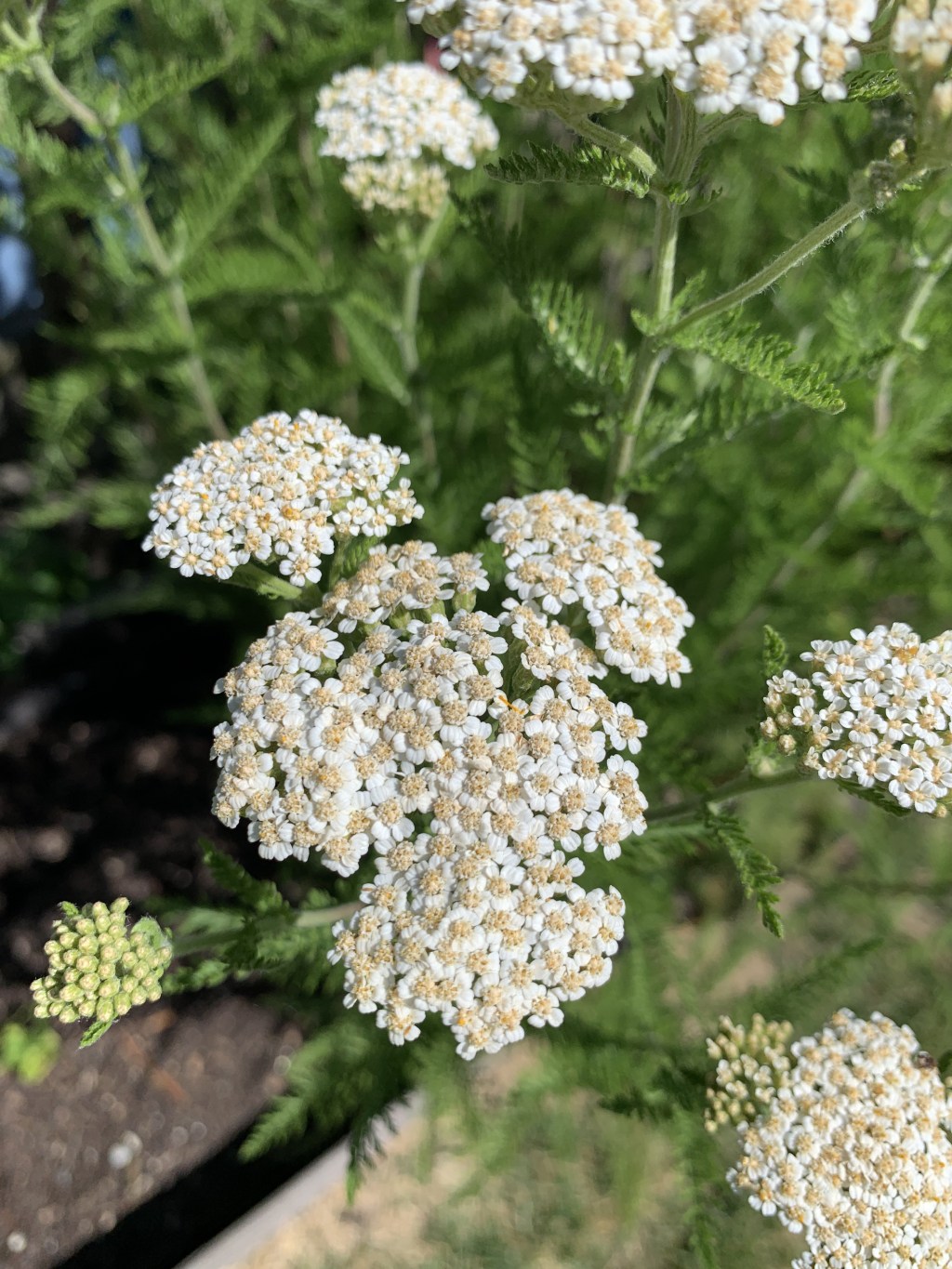
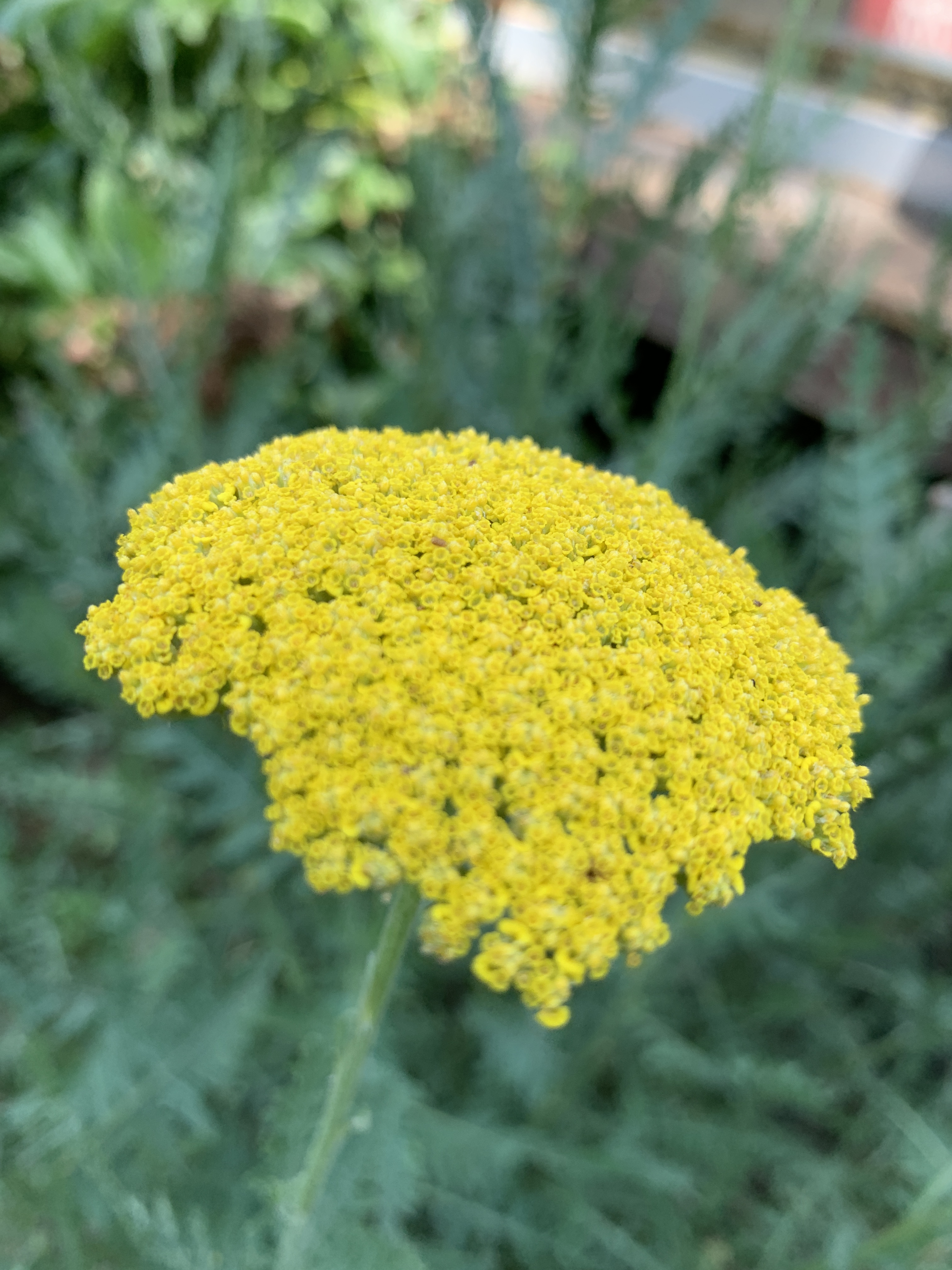
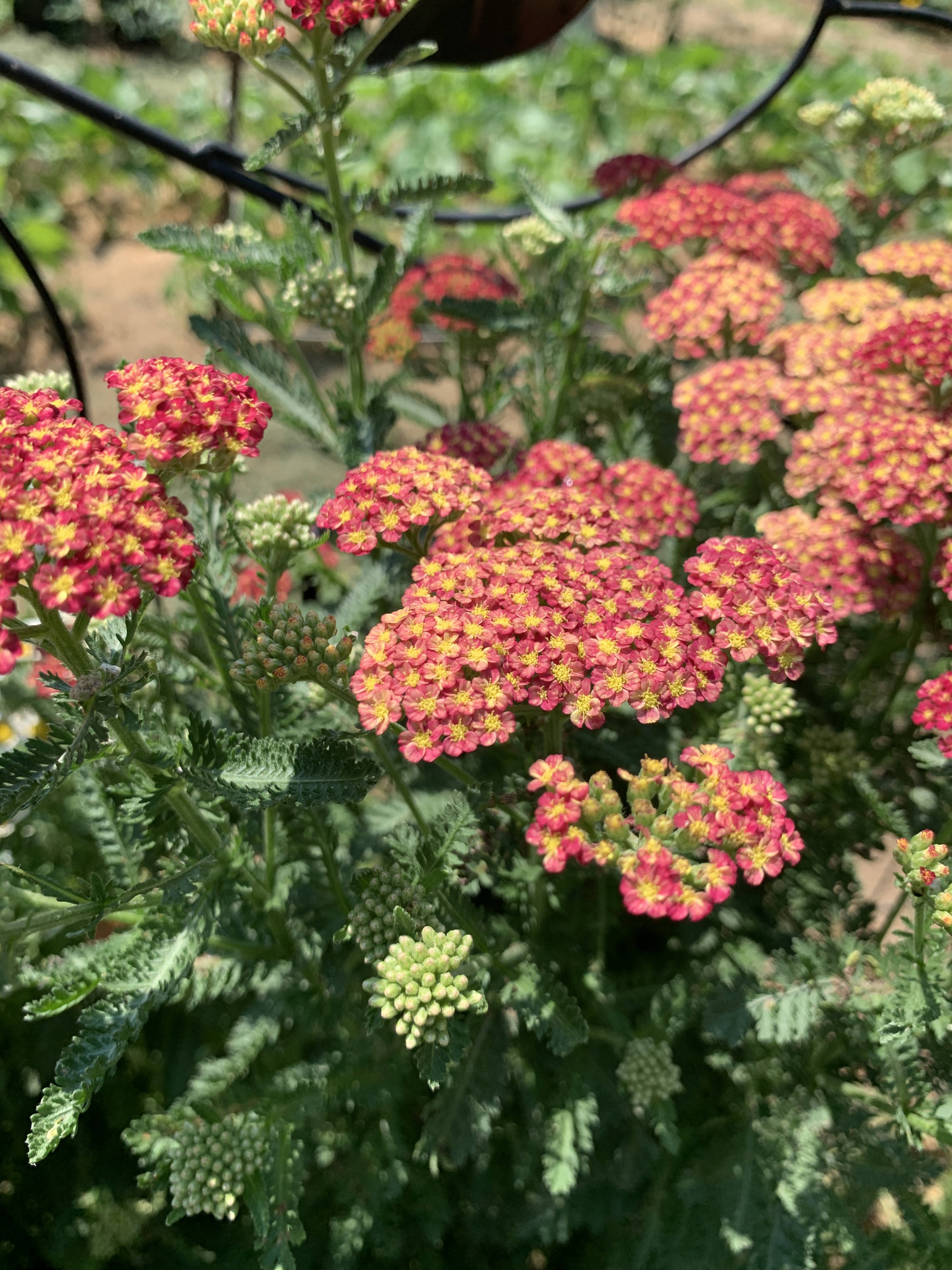
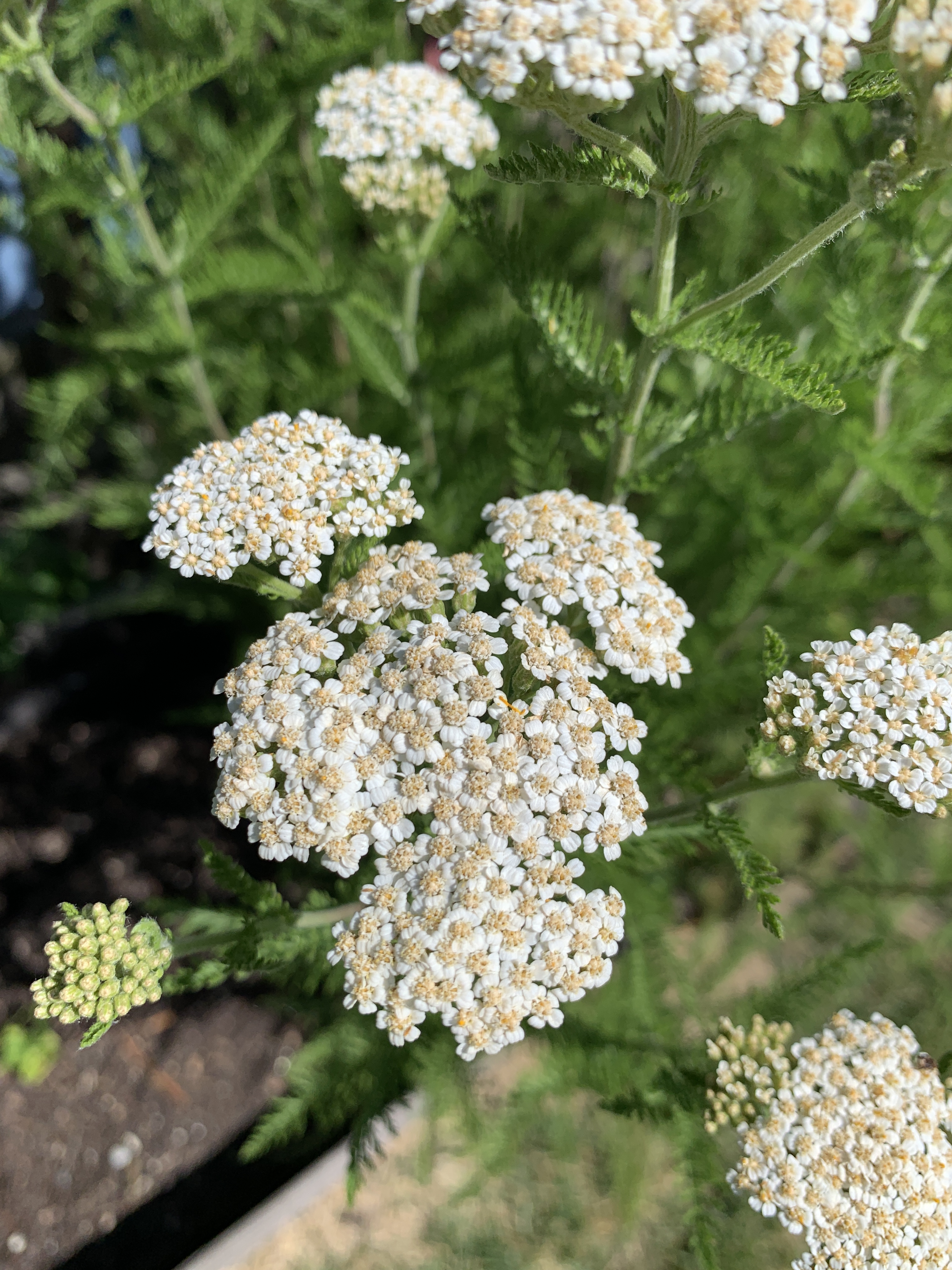
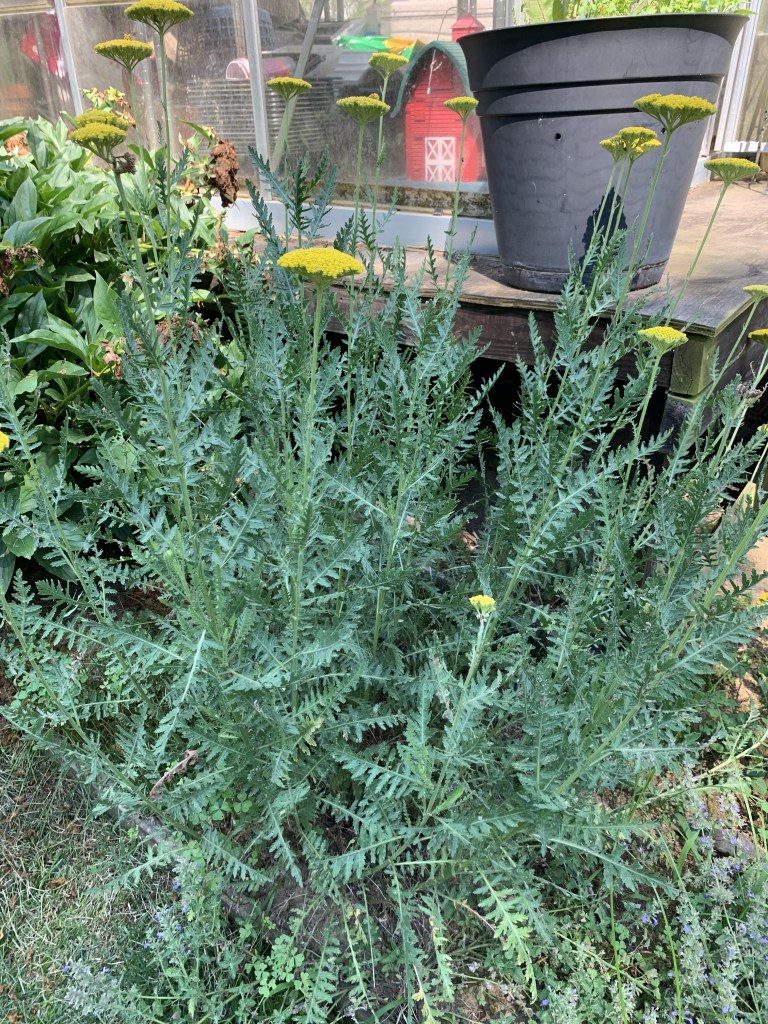
Our garden isn’t just bursting with colorful blooms – it’s a haven for herbal allies! Among these is the versatile yarrow, with its presence tripling this year. We have a broad-leafed yellow-flowered variety, a delightful strawberry yarrow, and, thanks to some successful foraging last year, a thriving patch of wild yarrow with classic white flowers. This abundance allows us to explore the many uses of this remarkable herb throughout the summer.
A History Steeped in Folklore and Function:
Yarrow (Achillea millefolium) boasts a history as rich and colorful as its feathery foliage and vibrant blooms. Evidence of its use as a medicinal herb stretches back millennia, weaving a fascinating tapestry across cultures and continents. Civilizations from ancient Greece and Rome to Native American tribes all incorporated yarrow into their healing traditions.
Greek Mythology and the Power of Yarrow: Perhaps the most famous story surrounding yarrow comes from Greek mythology. Achilles, the legendary warrior of the Trojan War, was said to have used yarrow to heal his soldiers’ wounds on the battlefield. While the historical accuracy of this tale remains debatable, it highlights the deep respect ancient Greeks held for yarrow’s potential medicinal properties. The herb’s Latin name, Achillea millefolium, even pays homage to this legendary association – “Achillea” referencing Achilles, and “millefolium” meaning “thousand leaves,” a nod to yarrow’s finely divided foliage.
Beyond Greece: Yarrow’s Global Journey: The use of yarrow wasn’t confined to ancient Greece. Romans valued it for wound healing and its astringent properties. Across the Atlantic, Native American tribes incorporated yarrow into various healing practices. The Cherokee used it for coughs and colds, while the Ojibwe people employed it for toothaches and pain relief. This rich tapestry of traditional uses speaks to the versatility and potential benefits yarrow offered various cultures throughout history.
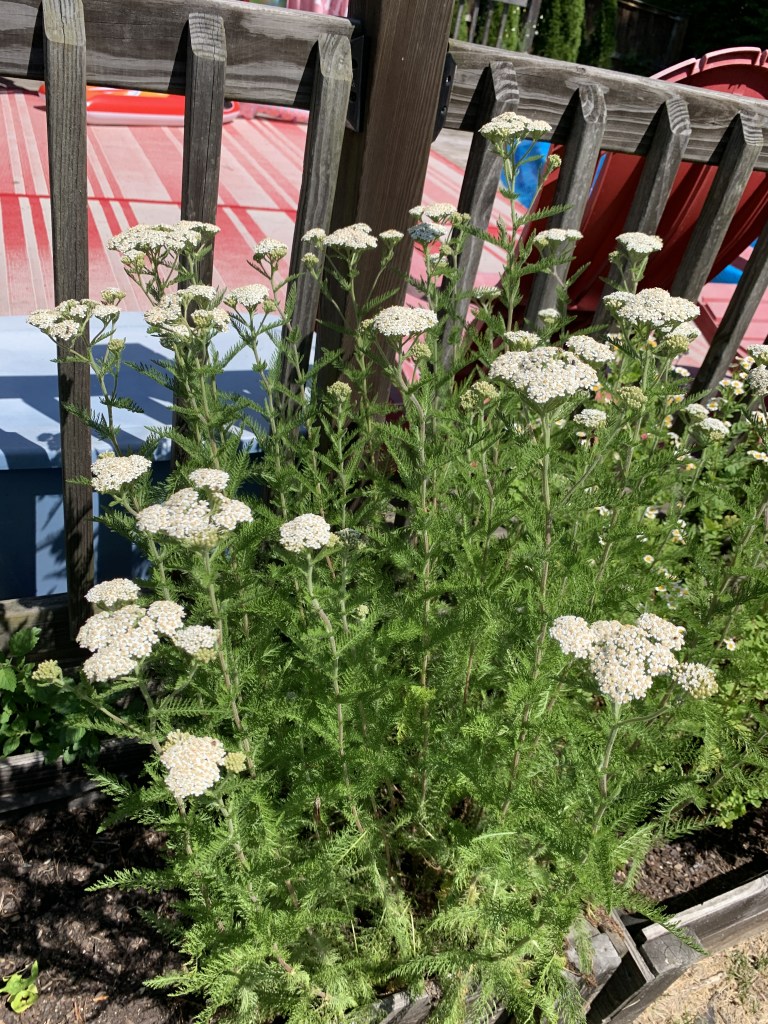
Yarrow’s Most Famous Traditional Use: Yarrow has been used traditionally for centuries to stop bleeding, both internally and externally. Native Americans and early settlers used yarrow for its astringent qualities that made it effective in wound healing and as an anti-bleeding agent. A common folk use was to crush the leaves and apply them directly to cuts or wounds to reduce bleeding and promote healing. Yarrow was also used to treat nosebleeds by crushing the leaves, rolling them into a nostril-shaped plug, and inserting it into the nostril until the bleeding stopped. The plant’s effectiveness in staunching blood flow led to it being called “soldier’s woundwort” and “nosebleed”, in reference to these traditional uses.
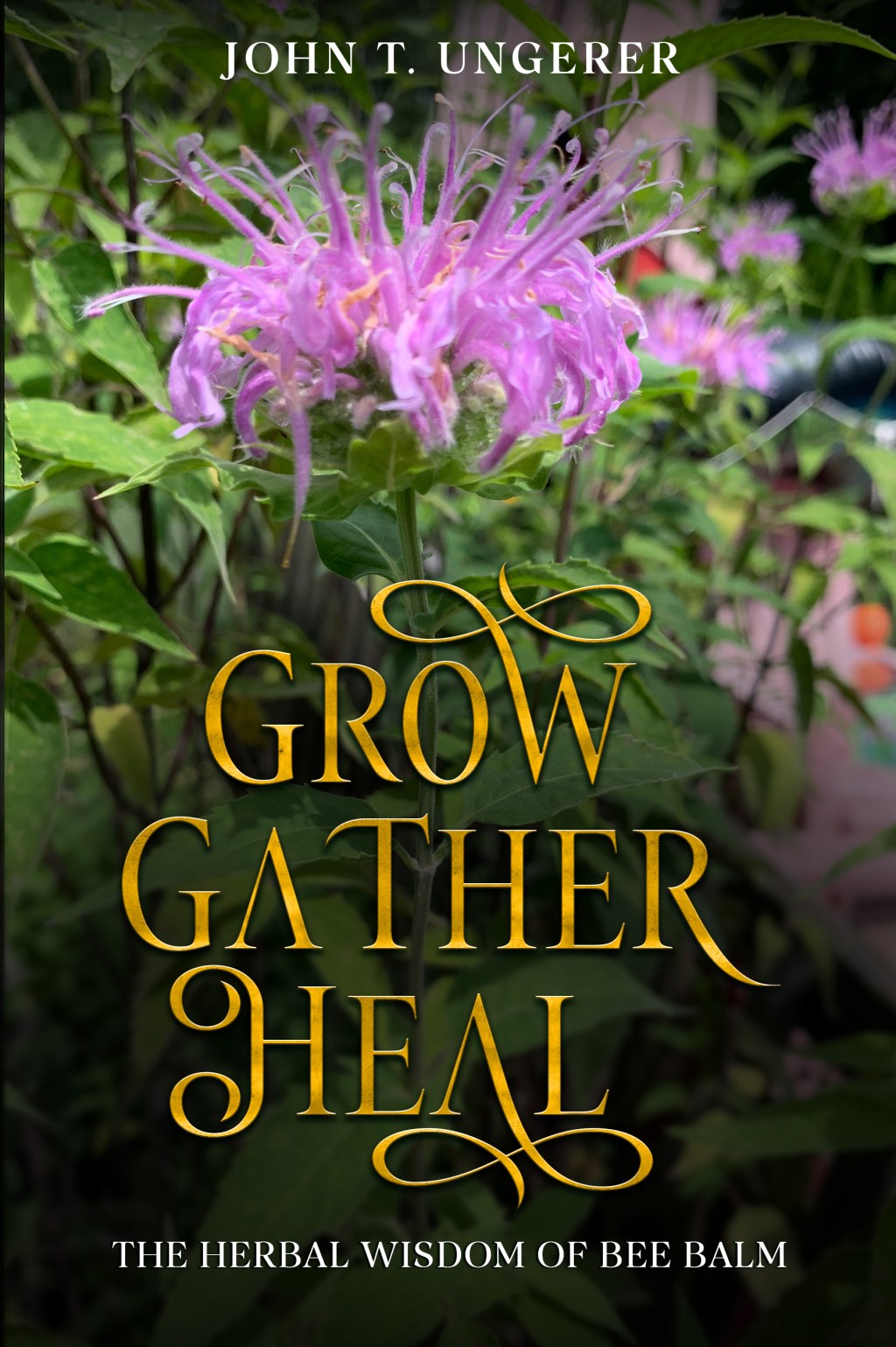
For more details on Yarrow’s historical use, please check out my book that deep dives into all things Yarrow related.
Beyond Beauty: Unveiling Yarrow’s Potential Benefits
Modern research is shedding light on the potential benefits yarrow may offer. Studies suggest it possesses various properties that could contribute to overall well-being. Grow, Gather, Heal: Embracing Yarrow’s Healing Touch covers all the latest scientific studies, and medicinal uses. Here are some potential areas where yarrow might be helpful:
- Wound Healing: Historically used for wound care, yarrow possess anti-inflammatory and astringent properties that aid healing.
- Digestive Support: Yarrow has been traditionally used to soothe digestive discomforts like indigestion and cramps. Some studies suggest it may relax the smooth muscle lining of the digestive tract, potentially promoting better digestion.
- Women’s Health: Early evidence suggests yarrow may have been used to regulate menstrual cycles. While more research is needed, some studies suggest it may influence certain hormones involved in menstruation.
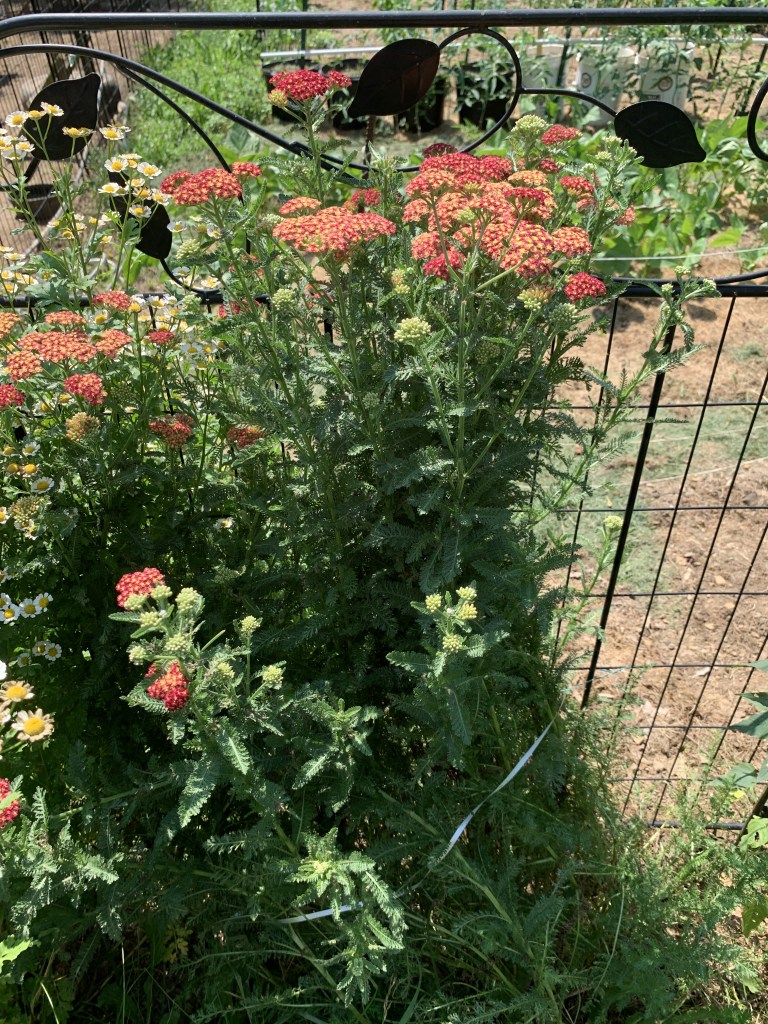
From Garden to Cupboard: Harvesting and Preserving Yarrow
Ready to harness the potential of your yarrow bounty? Here’s how to harvest and preserve it for future use:
- Timing is Key: The ideal time to harvest yarrow is just before the flowers bloom fully. This ensures you capture the highest concentration of potentially beneficial compounds.
- Selective Snipping: Use sharp tools to cut the top 6-8 inches of stems, leaving plenty of room for the plant to regrow.
- Drying for Long-Term Use: Wash the yarrow and pat it dry. Spread the leaves and flowers in a single layer on a mesh drying rack in a cool, well-ventilated location out of direct sunlight. Alternatively, use a dehydrator set to a low temperature (around 95-115°F).
- Storing for Future Use: Once completely dry, store your yarrow in airtight containers in a cool, dark location.
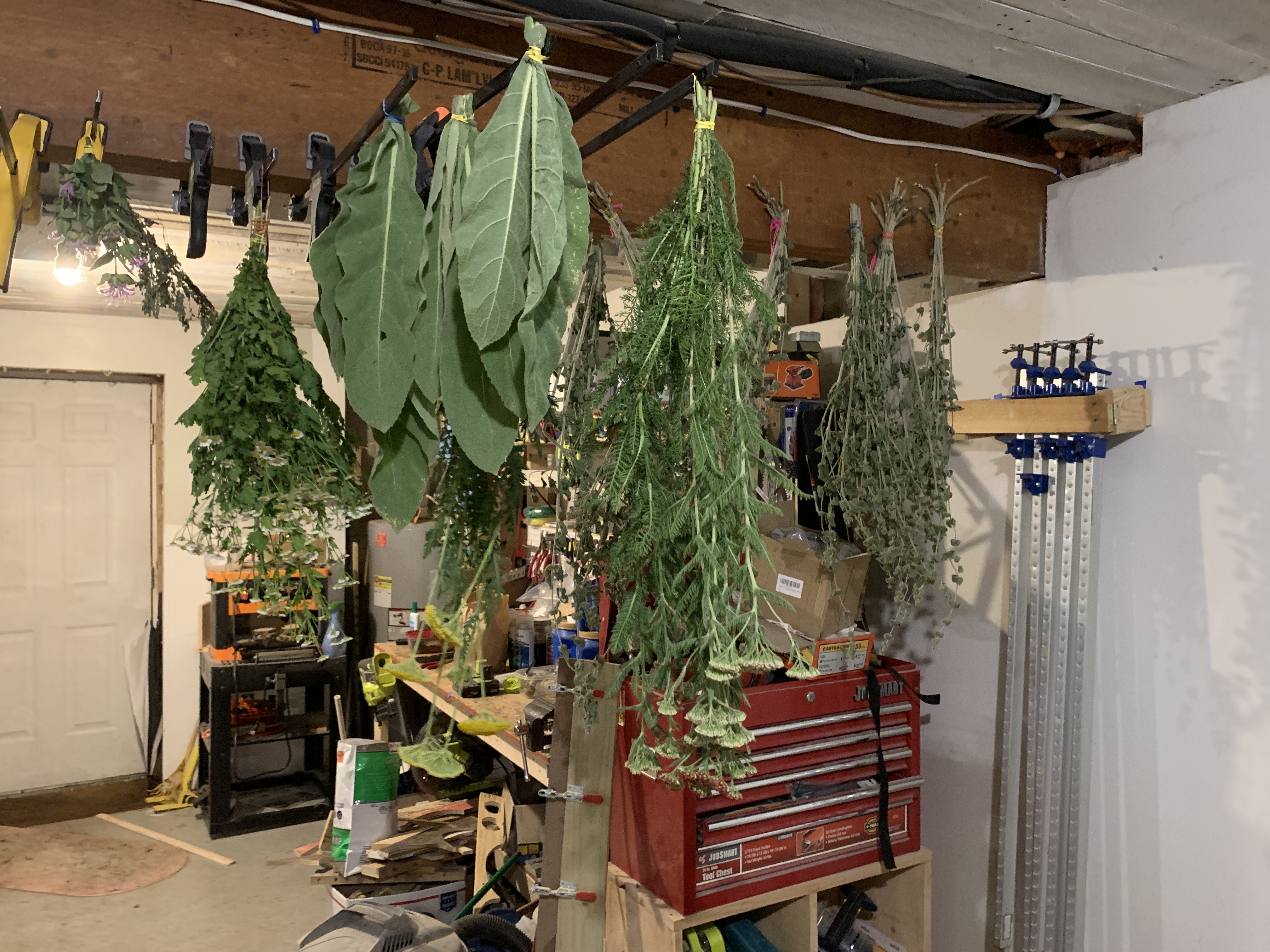
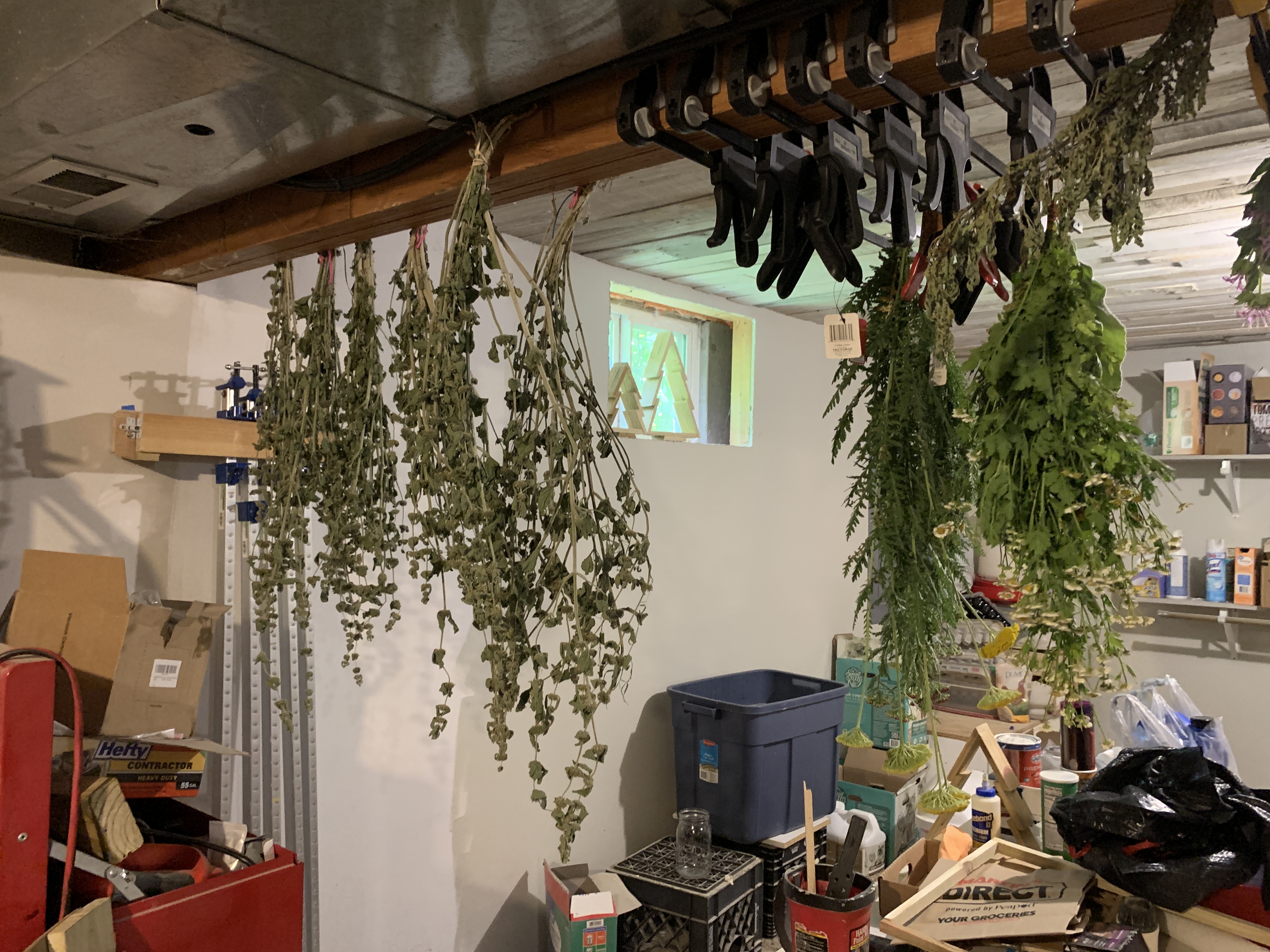
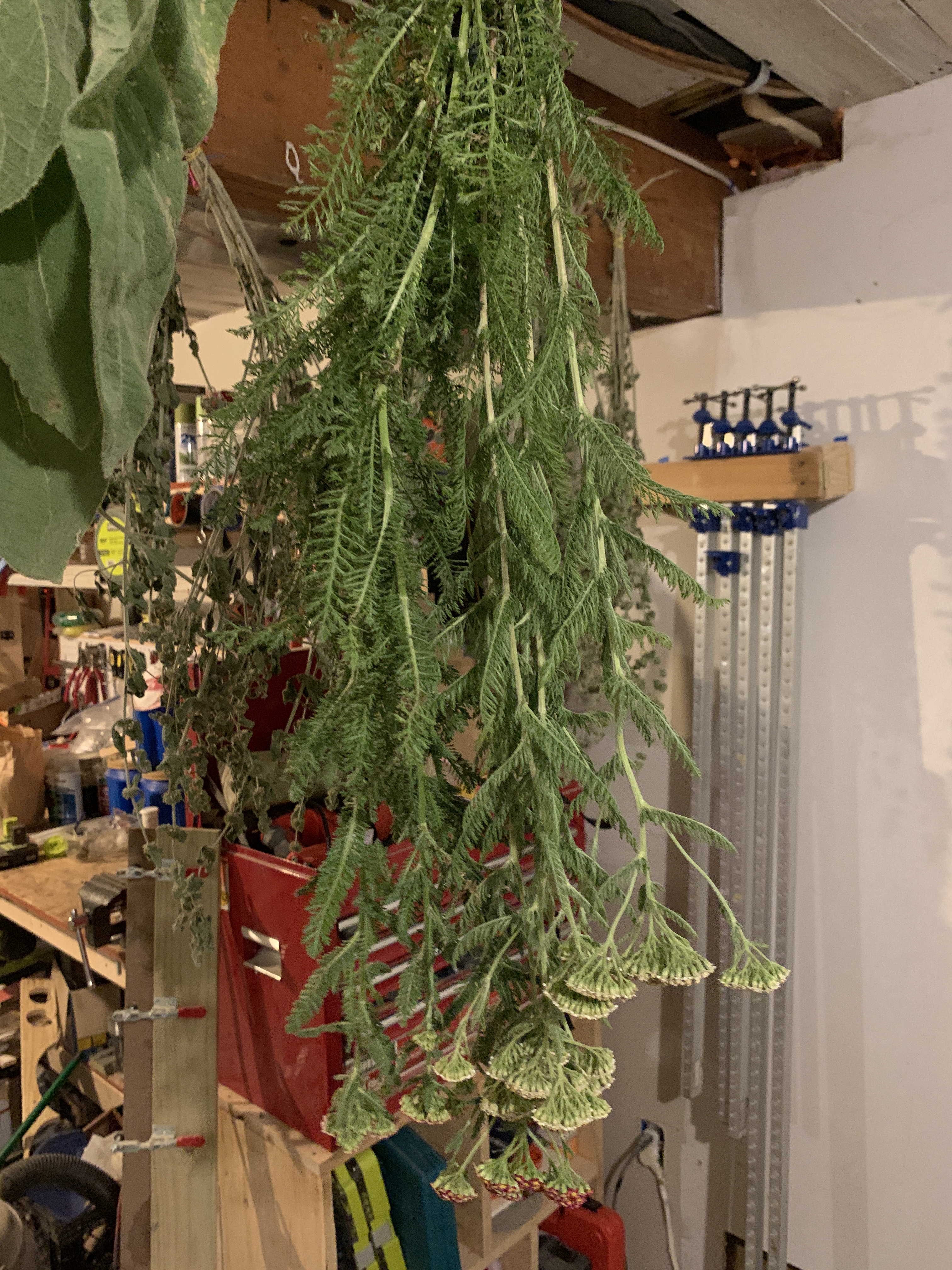
For us, dehydrator space is at a premium, so a good bit of our herbs, including Yarrow, are being hung in the basement to dry.
A Simple Yarrow Tea and Tincture Recipe:
Now that your yarrow is dried and ready, here are two ways to enjoy its potential benefits:
- Soothing Yarrow Tea: Steep 1-2 teaspoons of dried yarrow in a cup of hot water for 5-10 minutes. Strain and enjoy the earthy, slightly bitter tea. You can add honey or lemon for a touch of sweetness.
- Potent Yarrow Tincture: Fill a jar with dried yarrow leaves and cover them with high-proof alcohol (like vodka or grain alcohol). Store the jar in a cool, dark location for at least 6 weeks, shaking it occasionally. Strain the tincture and dilute it with water or juice before use.
You can find a ton of recipes that make use of Yarrow in my book. It’s really a very versatile herb to have on hand.
A Garden Full of Potential:
Our yarrow trifecta has become a testament to the hidden potential within our gardens. With a little knowledge and care, we can unlock the potential benefits this versatile herb offers. So, harvest responsibly, explore the possibilities with yarrow tea and tincture, and discover the wonders that might be thriving right outside your back door! For a deeper dive into the world of yarrow, its history, folklore, and potential uses, be sure to check out my book.
Also, please stop by our facebook page and give us a “like” there. We post some additional content there, and we’re always happy to respond and answer any questions you may have! You can also find me on GAB, https://gab.com/jungerer!

 RJ Homestead
Leave a comment