
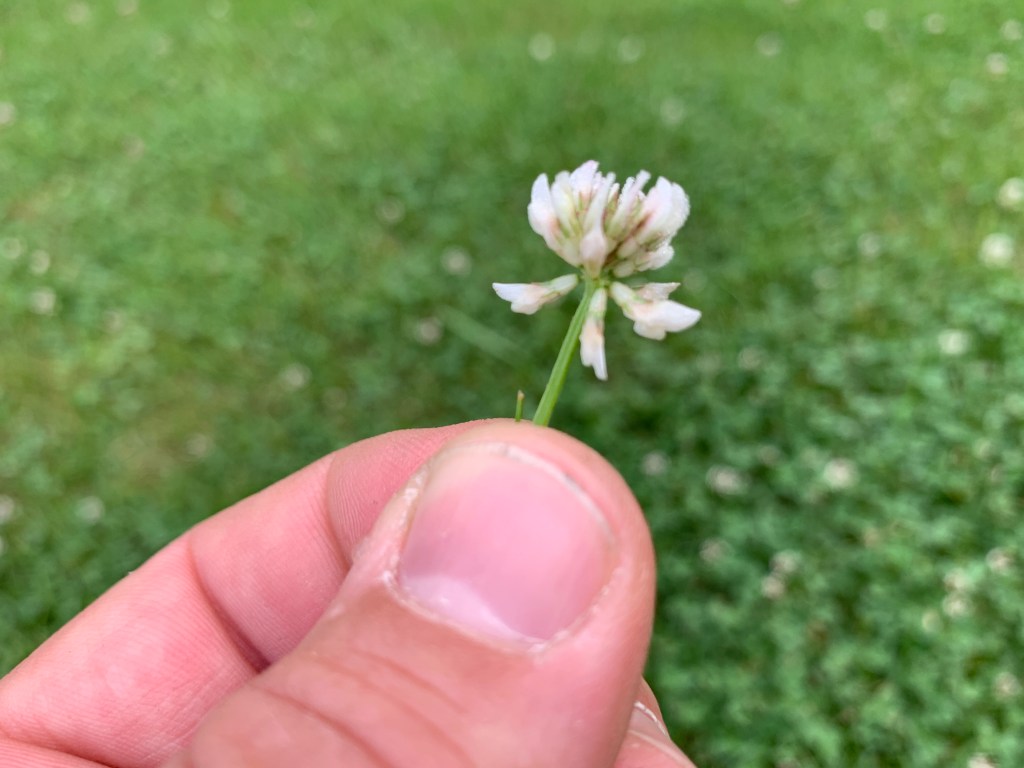
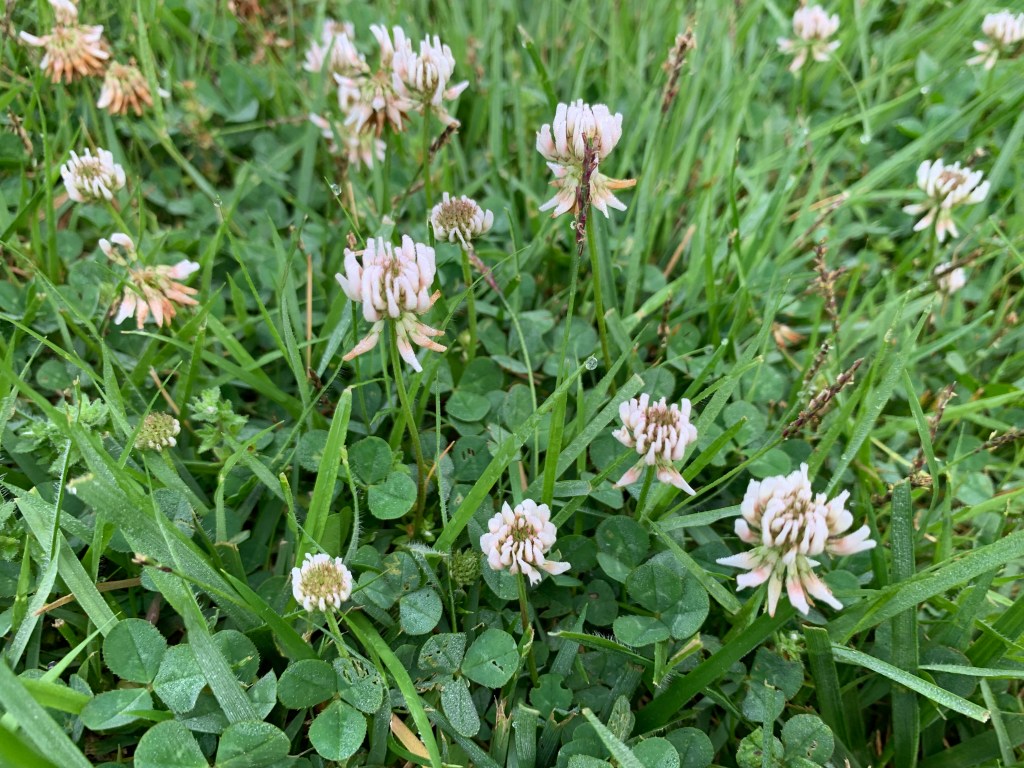
White clover – a humble yet remarkable plant – has taken up residence in our yard, and we couldn’t be happier! Last year, we discovered a few patches growing wild, and this year, thanks to a little seed-spreading, we’re enjoying a veritable clover meadow.
White clover is a common sight in lawns and fields across North America, Europe, and other temperate regions. With its delicate white blossoms and shamrock-shaped leaves, this humble plant is often overlooked as a simple ground cover or even considered a weed. However, white clover has a rich history of use as a nutritious forage crop, medicinal herb, and even a tasty tea ingredient. In our yard, we cultivate white clover each year specifically for harvesting and enjoying in refreshing herbal teas.
A Brief History of White Clover
Native to Europe and Central Asia, white clover was introduced to North America in the 1600s and quickly spread across the continent. It became an important pasture plant, valued for its ability to fix nitrogen in the soil and provide high-quality forage for livestock. White clover is also a vital nectar source for honeybees and other pollinators.
Beyond its agricultural uses, white clover has long been associated with good luck, especially the rare four-leaf clover. In folk medicine traditions, it was used to treat a variety of ailments including fevers, coughs, and arthritis.
The Medicinal Benefits of White Clover
White clover is rich in vitamins and minerals, including vitamin A, C, K, calcium, chromium, magnesium, and potassium. It also contains beneficial plant compounds like isoflavones and phenolic acids, which have antioxidant and anti-inflammatory properties.
Traditionally, white clover has been used to:
– Boost the immune system and speed recovery from colds and coughs
– Cleanse and purify the blood
– Soothe respiratory issues like bronchitis
– Relieve symptoms of arthritis and gout
Modern research suggests that the isoflavones in red clover, a close relative of white clover, may help alleviate menopause symptoms and support bone and heart health. While more studies are needed, white clover likely offers some of these same benefits.
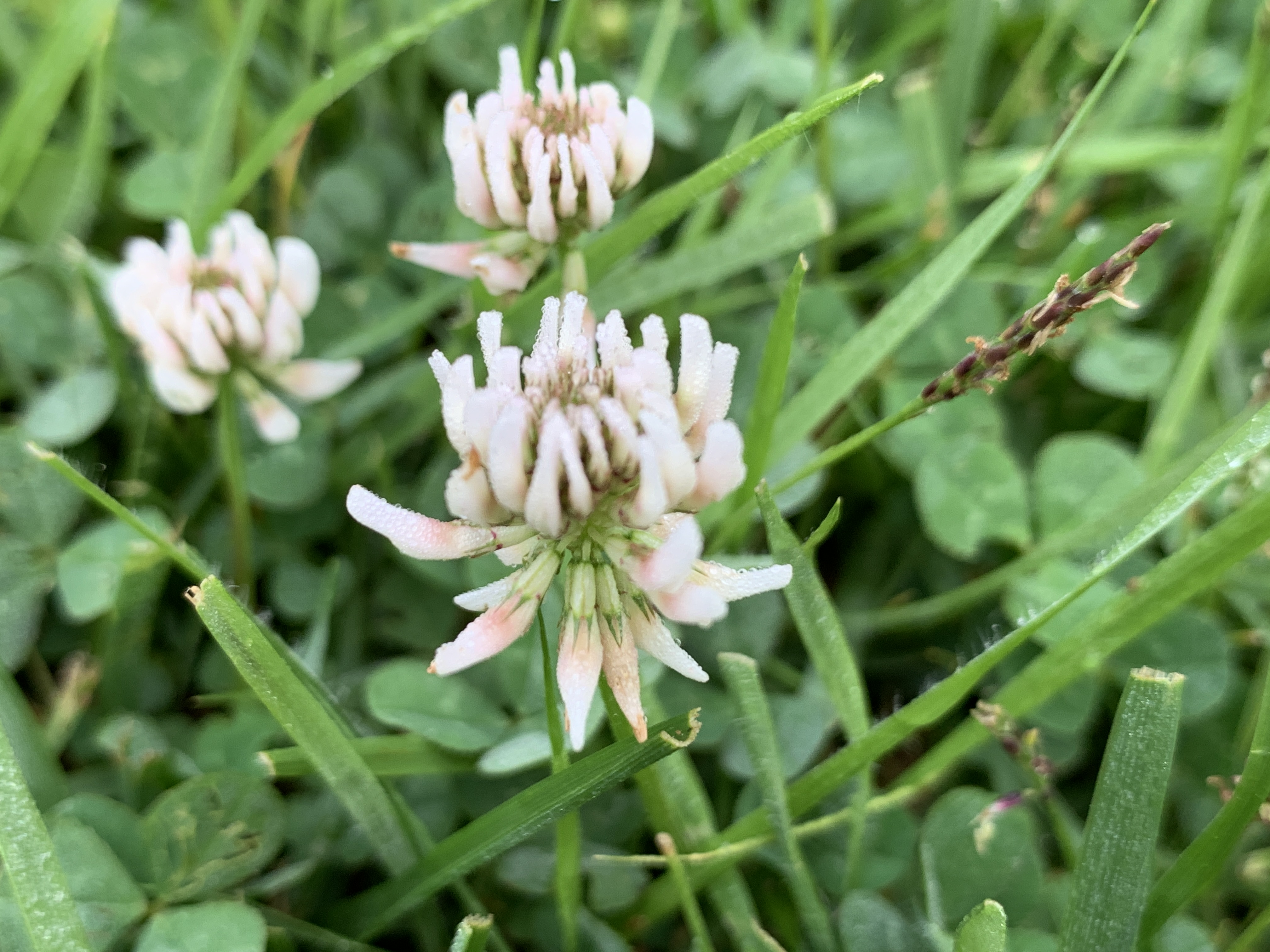
Harvesting and Drying White Clover for Tea
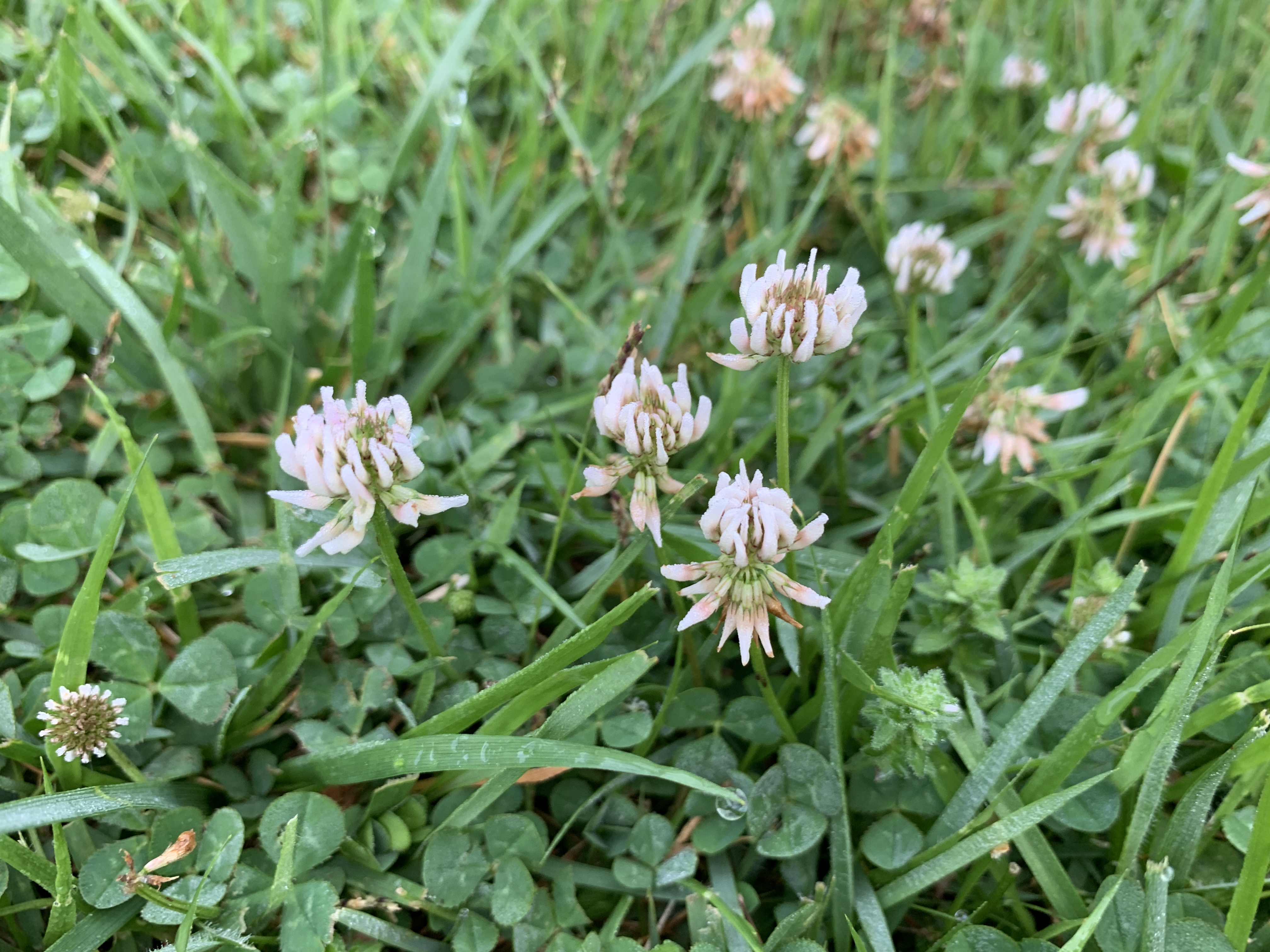
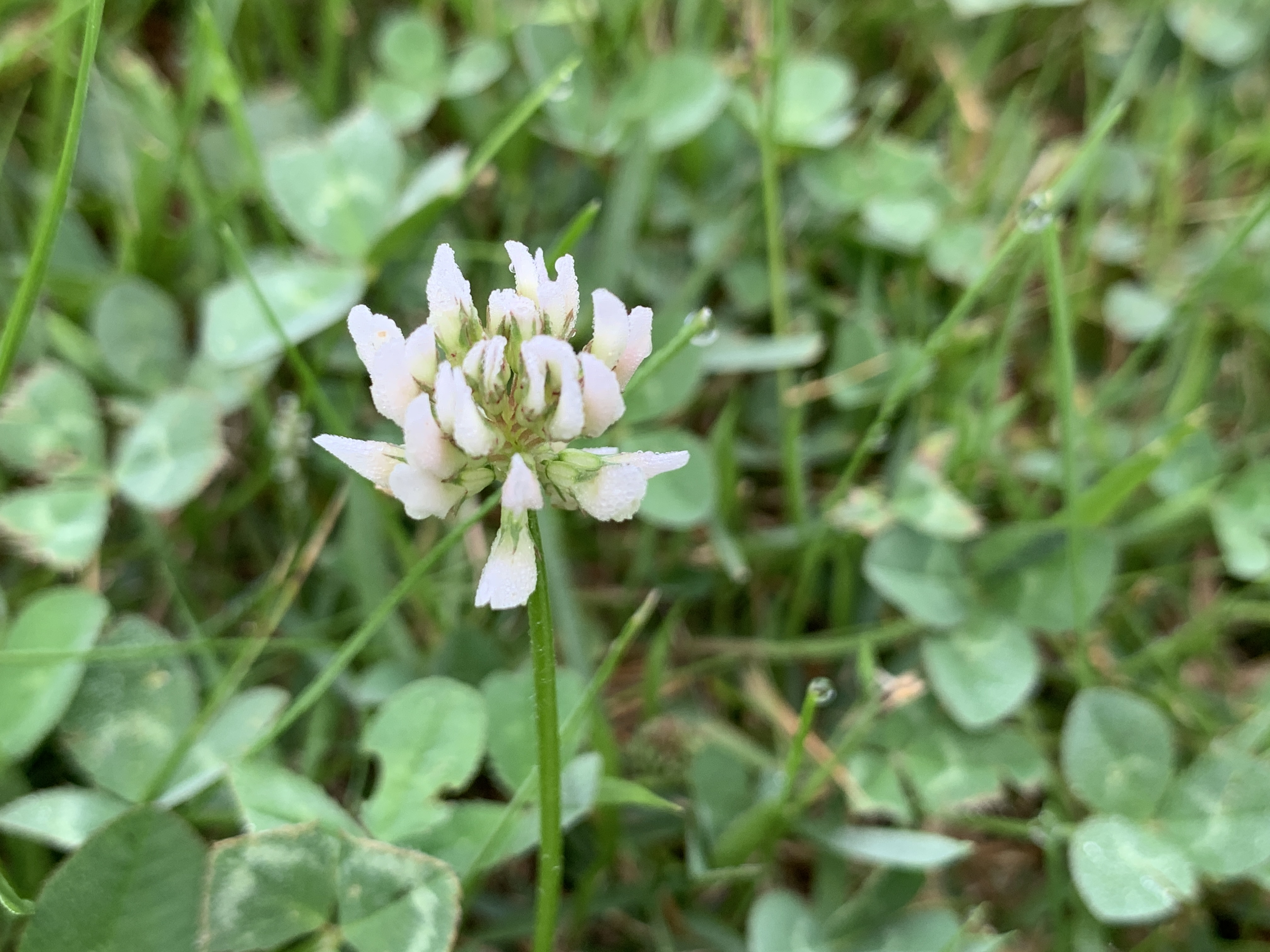
Harvesting your own white clover for tea is a simple and rewarding process. Here’s how:
1. Locate a patch of white clover that has not been sprayed with pesticides or other chemicals. Your own yard is ideal if you avoid using these products.
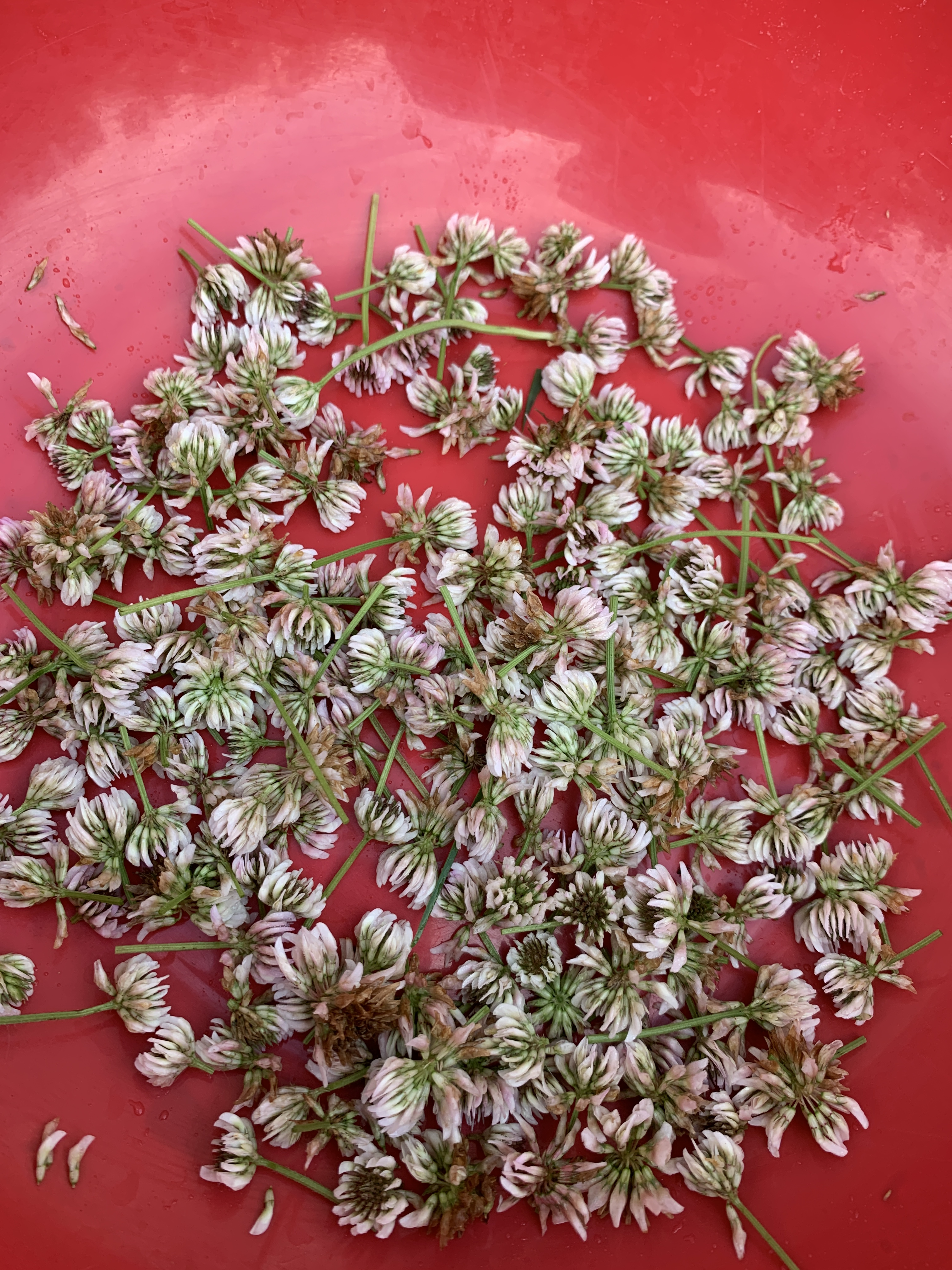
2. Wait for a dry, sunny day and harvest the clover blossoms and leaves in the morning after the dew has evaporated. Pinch or snip off the flower heads leaving the stems and leaves behind.
3. Collect the blossoms in a basket or paper bag. Aim to harvest about 2-3 cups of fresh blossoms for a batch of tea.
4. Gently rinse the blossoms in cool water to remove any dirt or insects. Spread them out on a clean towel and pat dry.
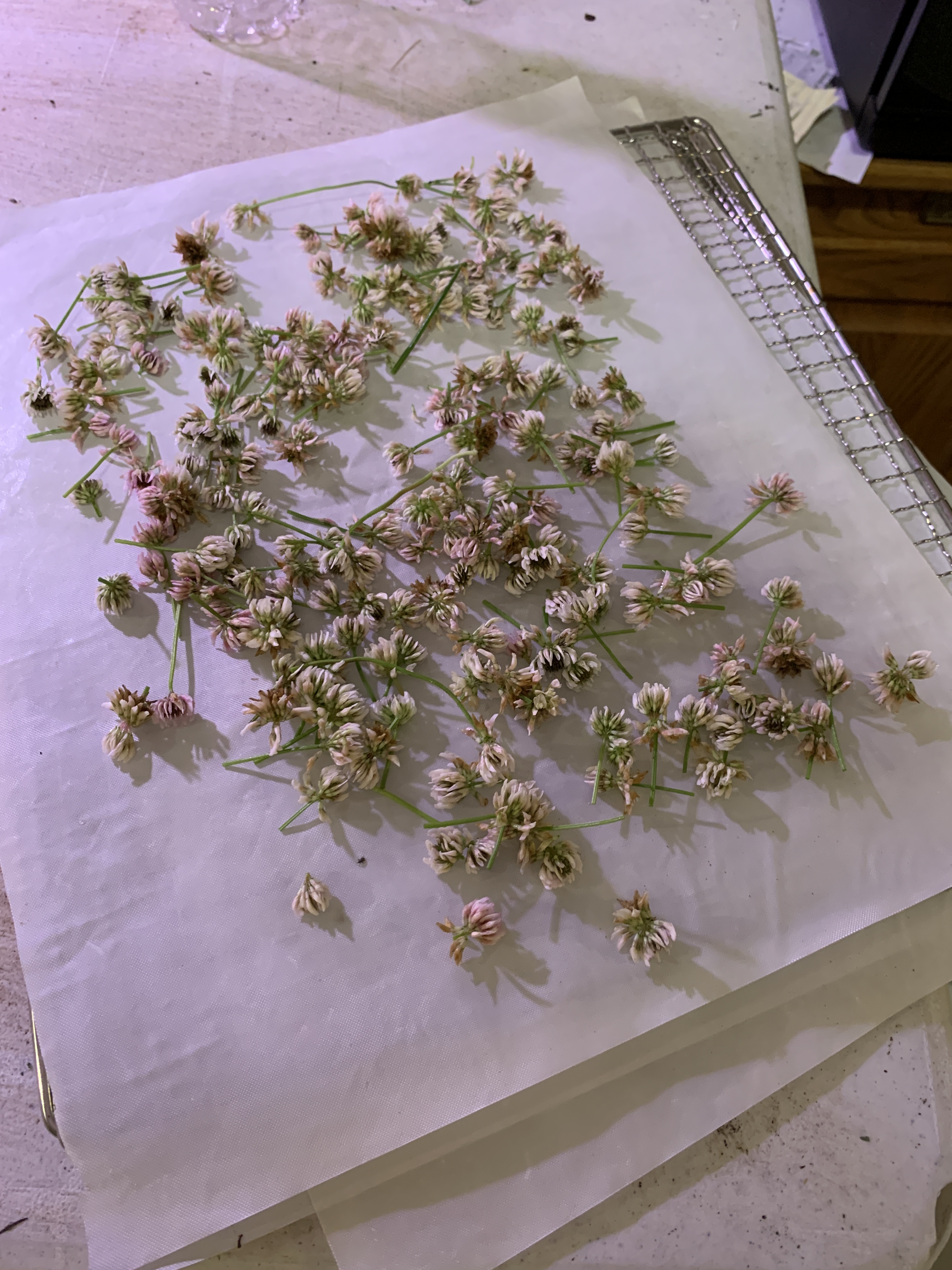
5. To dry the clover, spread the blossoms in a single layer on a baking sheet or drying screen. Place in a warm, well-ventilated area out of direct sunlight. You can also use a dehydrator on a low setting (95-105°F) for 1-3 hours until fully dry and crisp.
6. Store the dried clover blossoms in an airtight glass jar in a cool, dark place. They should keep well for 6-12 months.
White Clover Iced Tea Recipe
On a hot summer day, there’s nothing quite as refreshing as a glass of homemade white clover iced tea. Here’s our favorite recipe:
Ingredients:
– 1/2 cup dried white clover blossoms (or 1 cup fresh)
– 4 cups water
– 1-2 tablespoons honey (optional)
– Fresh mint sprigs (optional)
Instructions:
1. Bring the water to a boil in a saucepan. Remove from heat.
2. Place the clover blossoms (and mint, if using) in a heat-proof container or large tea infuser. Pour the hot water over the herbs and let steep for 10-15 minutes.
3. Strain out the herbs and pour the tea into a pitcher. While still warm, stir in the honey until dissolved.
4. Refrigerate the tea until chilled, about 2 hours. Serve over ice with a sprig of fresh mint for garnish.
This light, sweet tea has delicate floral notes and a hint of vanilla. It’s the perfect way to cool off and appreciate the bounty of your backyard!
Whether you’re drawn to white clover for its medicinal properties, as a forage plant for pollinators, or simply for its charm and beauty, this unassuming herb has so much to offer. The next time you spy those cheerful blossoms dotting your lawn, consider harvesting a few handfuls to brew up a batch of nourishing, delicious white clover tea. It’s just one more way to connect with and appreciate the natural world around us.





 RJ Homestead
Leave a comment