

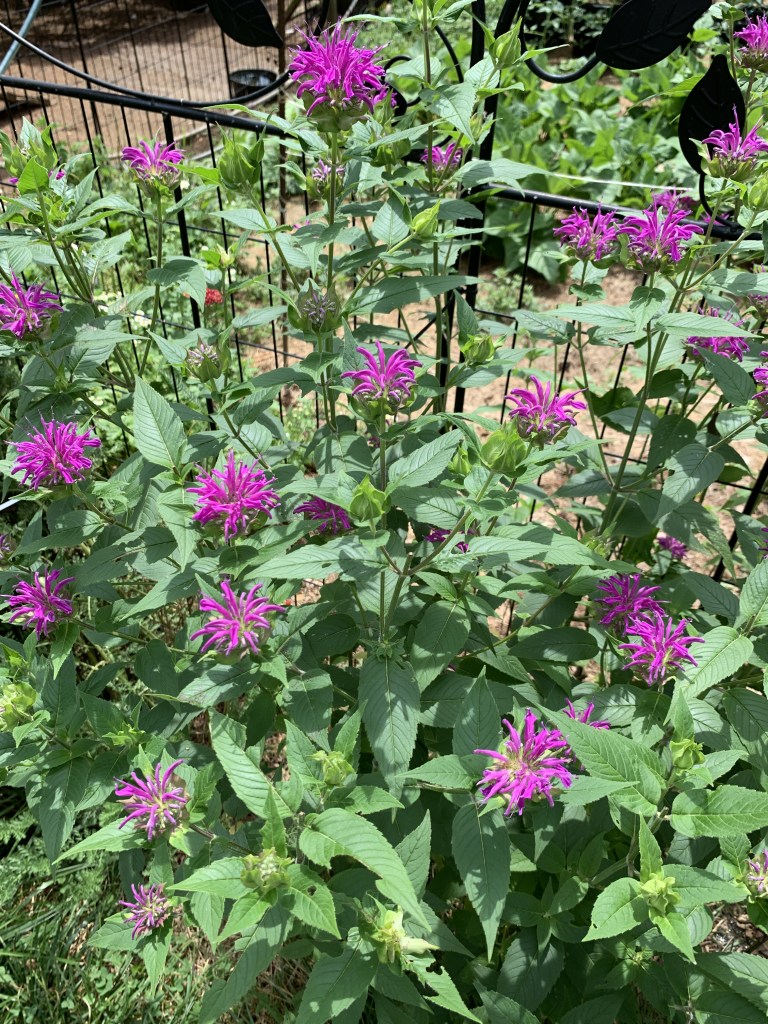
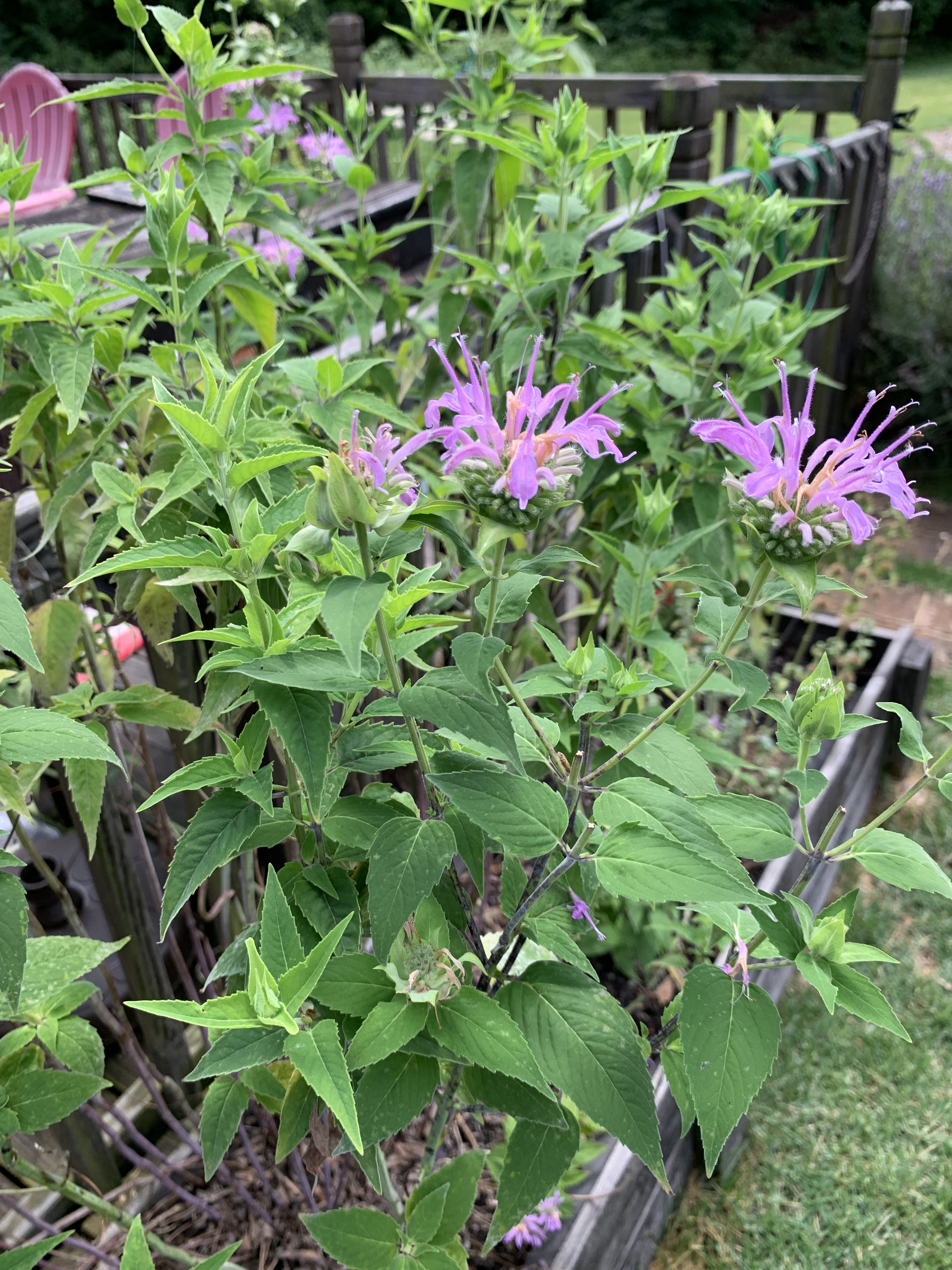
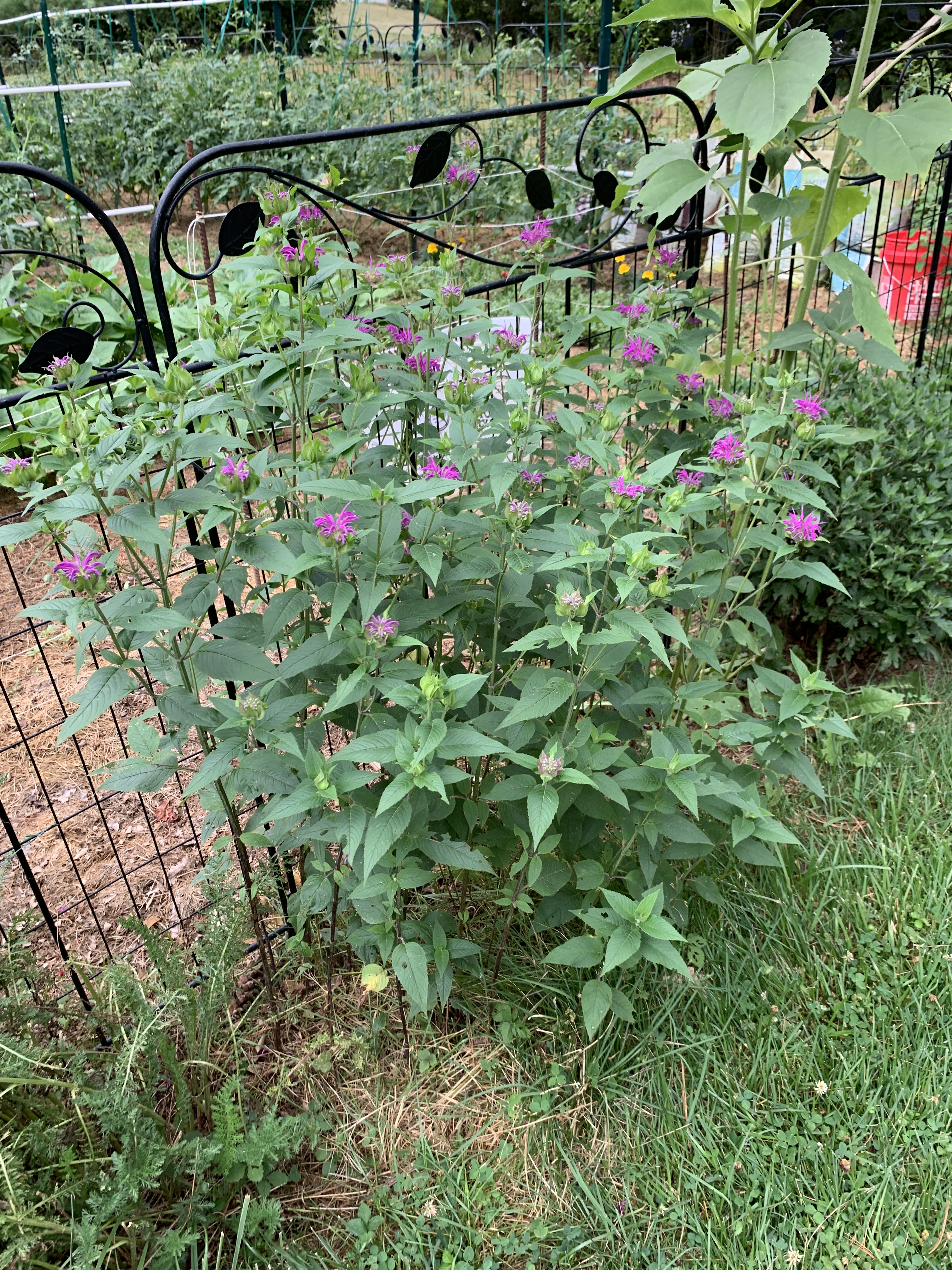
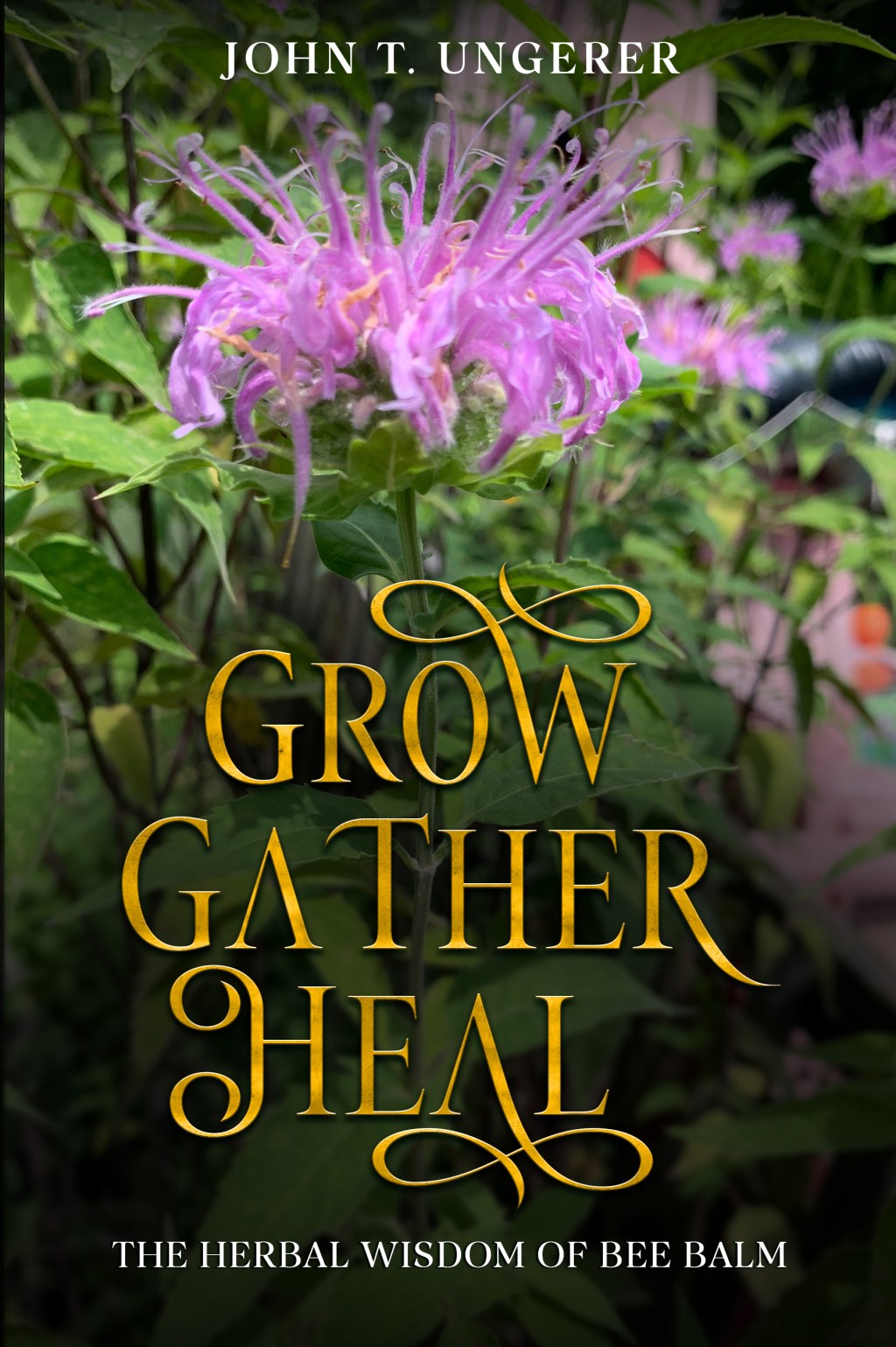
Our bee balm plants are thriving in their second year, with vibrant patches blooming in two areas of the yard. As an avid herb gardener, I always look forward to this time of year when I can harvest the fragrant leaves and striking flowers of our bee balm, also known as Monarda. Let’s dive into the fascinating history and uses of this versatile plant.
A Brief History of Bee Balm
Bee balm is native to North America and has a rich history of use by indigenous peoples. The Blackfoot recognized its strong antiseptic properties and used poultices of the plant for skin infections and wounds. The Oswego people of present-day upstate New York brewed the leaves into a tea, giving bee balm one of its common names, Oswego tea.
During the American Revolution, colonists began drinking “Liberty Tea” made from bee balm as a patriotic alternative to heavily-taxed British tea. They appreciated its similarities to the bergamot orange used to flavor Earl Grey tea. This led to another of bee balm’s names – bergamot.

The Medicinal Benefits of Bee Balm
Bee balm boasts an impressive array of medicinal properties:
- Respiratory Aide: Bee balm is an excellent herb for respiratory issues due to its diffusive and antiseptic properties. It can help break up congestion, thin mucus, ease coughs, and address low-grade respiratory infections when taken internally as a tea or tincture or used externally as a steam inhalation.
- Antiseptic: The high thymol content makes bee balm a potent antiseptic, useful for treating skin infections, wounds, and even oral hygiene issues like mouth sores and gingivitis.
- Digestive aid: As a carminative herb, bee balm can relieve gas and bloating. Drinking a tea of the leaves settles the stomach.
- Diaphoretic: Bee balm promotes sweating and can help to break a fever. A warm tea encourages this action.
- Anti-inflammatory: The leaves contain compounds that reduce inflammation both internally and externally. A poultice or salve soothes sore muscles and irritated skin.
- Calming aromatherapy: The delightful minty-citrusy aroma of bee balm has a soothing effect and can ease anxiety and stress when inhaled.
With both antibacterial and antifungal properties, bee balm makes a wonderful addition to salves, soaps, and other topical preparations. A strong infusion of the leaves and flowers can be used as a gargle for sore throats or a mouth rinse for toothaches and canker sores.

It’s Time to Harvest! Tips for Gathering Your Bee Balm Bounty
With all these potential benefits, it’s no wonder we’re eager to harvest our bee balm! Here’s how:
Timing is Crucial: The ideal time to harvest bee balm is just before the flowers bloom fully. This ensures the highest concentration of potentially beneficial compounds.
Selective Snipping: Use sharp tools to cut 6-8 inches of stem, leaving plenty of room for the plant to regrow. Focus on harvesting the upper third of the plant, where the leaves and flowers are most concentrated.
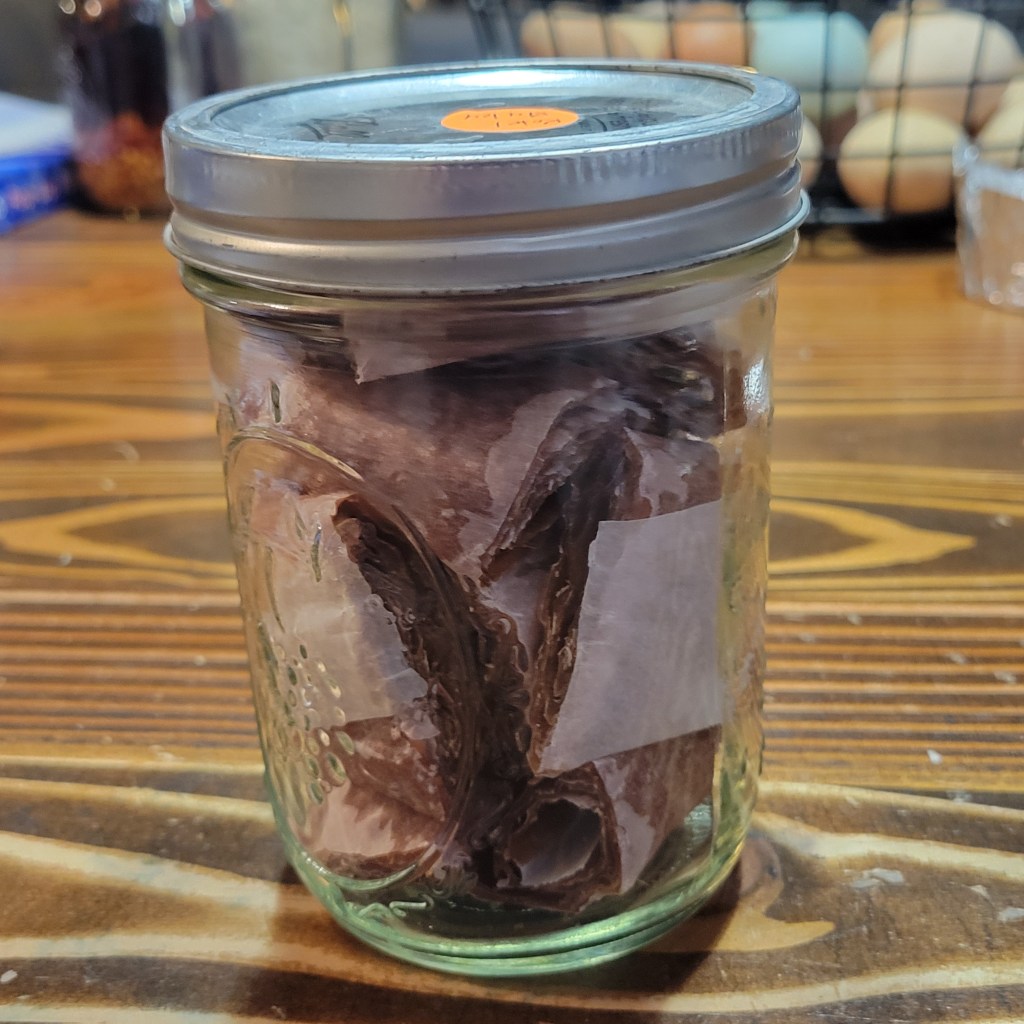
Drying for Long-Term Use: Wash the bee balm and pat it dry. Spread the leaves and flowers in a single layer on a mesh drying rack in a cool, well-ventilated location out of direct sunlight. Alternatively, use a dehydrator set to a low temperature (around 95-115°F).out 2 weeks), strip the leaves and petals from the stems and store in airtight glass jars.
Bee Balm Tea Recipe
For a delightful summer beverage, try this refreshing iced bee balm tea:
Ingredients:
- 1/2 cup fresh bee balm leaves and flowers (or 1/4 cup dried)
- 4 cups water
- Honey or other sweetener to taste
- Ice
Instructions:
- Bring the water to a boil and remove from heat.
- Add the bee balm to a heat-proof container and pour the hot water over. Let steep for 10-15 minutes.
- Strain out the herbs, stir in honey if desired, and chill the tea in the refrigerator.
- Serve over ice with a sprig of fresh bee balm as a garnish. Enjoy!

As our bee balm continues to flourish, I’m excited to experiment with more ways to use this amazing herb. From flavoring dishes to concocting medicinal preparations, the possibilities are endless. And of course, a cup of iced bee balm tea is the perfect way to relax on a warm summer day, appreciating the beauty and bounty of the garden. Here’s to a bountiful bee balm harvest!

 RJ Homestead
Leave a comment