

As the seasons change and the crisp fall air settles in, our blueberry plants are putting on a spectacular show. The leaves are turning a beautiful crimson red, signaling that it’s time to harvest them. While most people think of blueberries for their delicious fruit, the leaves of the plant are equally valuable and packed with medicinal benefits. With 12 blueberry plants in our garden, we make sure to take full advantage of this often-overlooked part of the plant.
Medicinal Benefits of Blueberry Leaves
Surprisingly, blueberry leaves are even more nutritionally dense than the berries themselves. Research shows they contain 31 times more antioxidants than the fruit, with an impressive 490.0 ORAC (Oxygen Radical Absorbance Capacity) antioxidant level compared to the fruit’s 15.9.
Blueberry leaves have been used in traditional medicine for centuries, particularly in Europe and North America. They are rich in antioxidants, particularly polyphenols and flavonoids, which help fight free radicals in the body. These compounds can support overall health by reducing inflammation and boosting the immune system.
Some of the key medicinal benefits of blueberry leaves include:
– Blood Sugar Regulation: Blueberry leaves have been shown to help regulate blood sugar levels, making them beneficial for people with diabetes or those looking to maintain balanced blood sugar.
– Anti-Inflammatory Properties: The antioxidants in blueberry leaves help reduce inflammation, which can benefit conditions like arthritis or other inflammatory diseases.
– Cardiovascular Health: The polyphenols in blueberry leaves may support heart health by improving circulation and reducing oxidative stress.
– Immune Support: Blueberry leaves contain antimicrobial properties that can help ward off infections and boost immune function.
How to Harvest Blueberry Leaves
Harvesting blueberry leaves is simple and rewarding. The best time to harvest is in the fall when the leaves turn their vibrant red color. This is when they are at their peak potency.
1. Choose Healthy Leaves: Look for healthy, blemish-free leaves that have fully turned red. Avoid any that look damaged or diseased.
2. Harvest by Hand: Gently pluck the leaves from the branches by hand. You can collect a good number of leaves without harming the plant, as long as you leave enough foliage for photosynthesis.
3. Harvest Mindfully: Since we have 12 plants, we harvest from each one evenly so as not to stress any single plant.
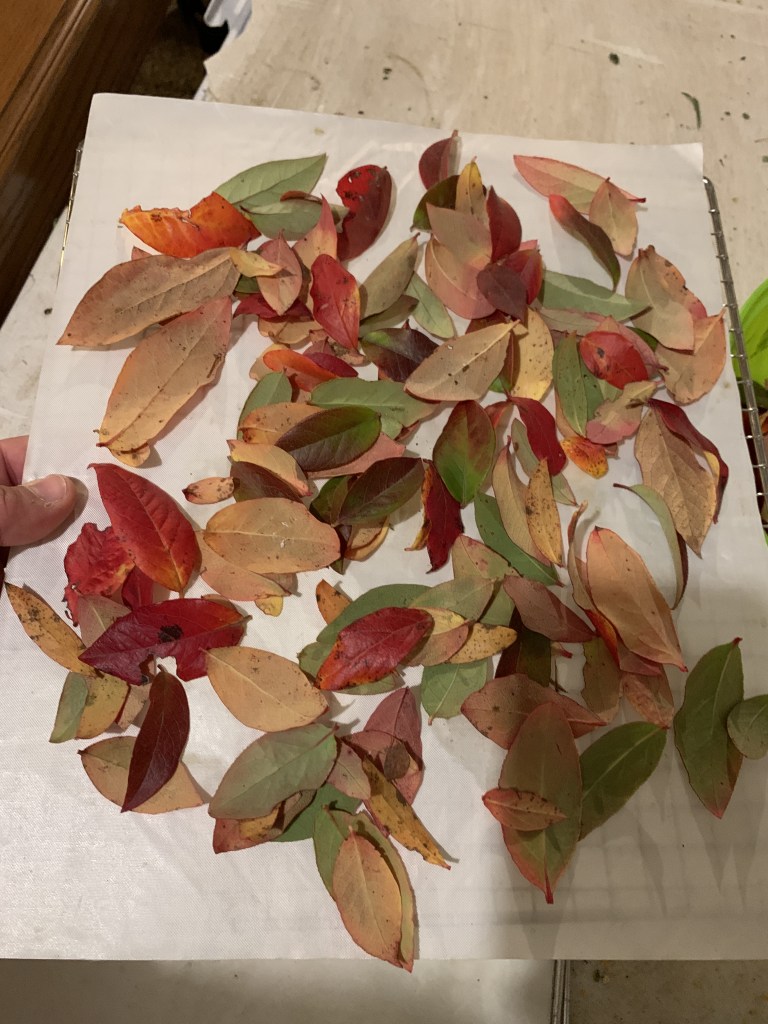
How to Dry Blueberry Leaves
Once you’ve harvested your blueberry leaves, it’s time to dry them for storage. We use a dehydrator for this process because it’s quick and efficient, but air drying is also an option if you don’t have a dehydrator.
1. Rinse the Leaves: Gently rinse the harvested leaves under cool water to remove any dirt or debris.
2. Pat Dry: Use a clean towel to pat the leaves dry before placing them in the dehydrator.
3. Dehydrate: Set your dehydrator to a low temperature (around 95°F to 115°F) and spread the leaves out in a single layer on the trays. Let them dry for 6-8 hours or until they are completely crisp.
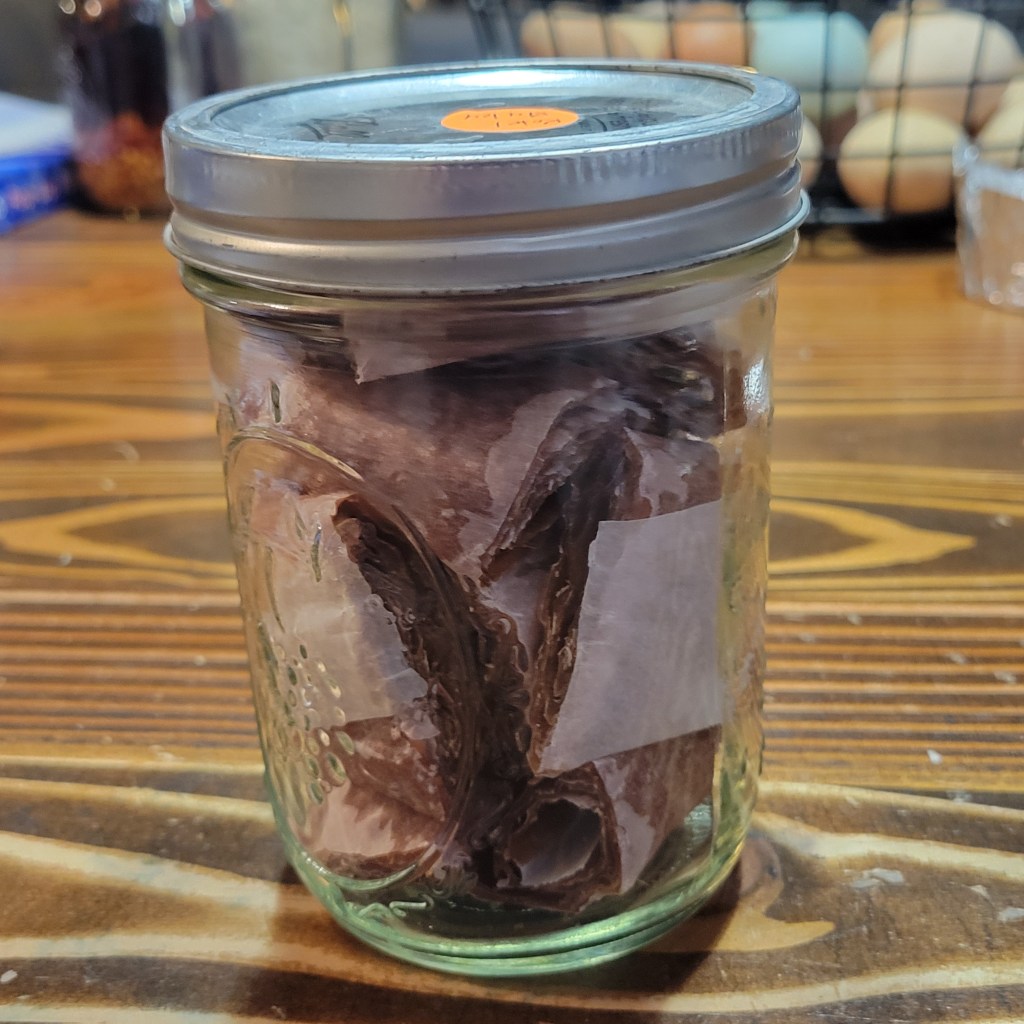
4. Store Properly: Once fully dried, store your blueberry leaves in an airtight container in a cool, dark place. They will keep for up to a year.
Blueberry Leaf Tea Recipe
One of our favorite ways to enjoy blueberry leaves is by making a simple herbal tea. It’s delicious on its own or blended with other herbs like mint or lemon balm.
Ingredients:
– 1 tablespoon dried blueberry leaves
– 1 cup boiling water
– Honey or lemon (optional)
Instructions:
1. Place the dried blueberry leaves in a tea infuser or directly into your cup.
2. Pour boiling water over the leaves and let steep for 5-10 minutes.
3. Strain out the leaves (if loose) and enjoy! Add honey or lemon if desired.
This tea has a mild, slightly sweet flavor with earthy undertones and is perfect for sipping during cold weather.
Powdering Blueberry Leaves for Capsules
In addition to using blueberry leaves for tea, we also powdered them this year as part of our homemade supplemental capsules. After drying the leaves, we ground them into a fine powder using our coffee grinder dedicated to herbs. This powder was then added to our daily supplement blend alongside other homegrown herbs like dandelion root and wild violets.
Harvesting blueberry leaves has become an annual tradition that allows us to make full use of our plants beyond just their delicious fruit. Whether enjoyed as tea or powdered into capsules for daily supplements, these vibrant red leaves are packed with health benefits that can support overall wellness throughout the year. If you have access to blueberry plants, don’t miss out on this hidden gem! It’s an easy way to boost your herbal medicine cabinet while enjoying all that nature has to offer during this beautiful season.
Happy harvesting!
Also, please stop by our facebook page and give us a “like” there. We post some additional content there, and we’re always happy to respond and answer any questions you may have! You can also find me on GAB, https://gab.com/jungerer!


 RJ Homestead
Leave a comment