
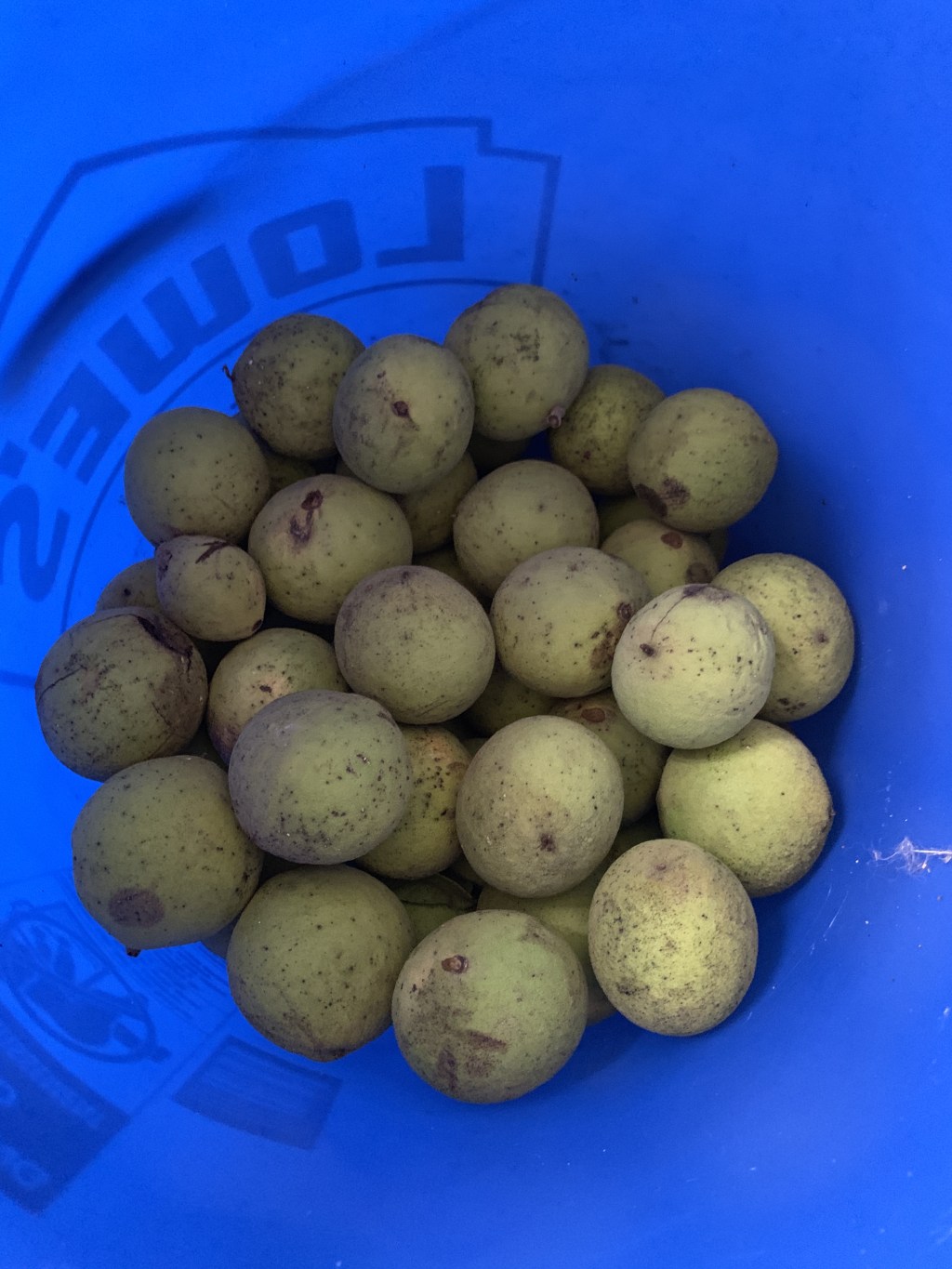
Sometimes, nature provides in the most unexpected ways. We have several beautiful black walnut trees on our property, but over the years, storms have taken their toll, and many have fallen. This season, I had been scanning the ground for fallen walnuts and, seeing none, had more or less written them off for the year. I figured it just wasn’t our year for a walnut harvest.
I guess God was listening. We had a night of high winds, and when I woke up the next morning, a large branch lay right in the middle of our yard. And scattered all around it were dozens of perfectly green, unripe black walnuts. It felt like a gift. My daughter, Eva, and I immediately grabbed a bucket and went out to harvest. It’s moments like these—turning an unexpected event into an opportunity—that make this life so rewarding. With our bucket full, we knew exactly what we wanted to make: a potent black walnut tincture.
A Brief Medicinal History of Black Walnuts
Black walnut (Juglans nigra) has a long and storied history in traditional medicine, especially in North America where it is native. Native American tribes utilized various parts of the tree; the Cherokee, for example, used a tea from the bark as a laxative and chewed it for toothaches. Juice from the green hulls was used to rid dogs of intestinal worms and even to clean maggots from wounds. Later, during the Civil War, soldiers reportedly made salves from the leaves to treat their injuries. This tree has long been recognized as a powerful source of medicine, used for everything from skin ailments to internal cleansing.
The Powerful Benefits of Black Walnut
While black walnut offers a range of health benefits, it is most famous for its potent anti-parasitic properties. This is our primary reason for making a tincture. The green, unripe hulls contain powerful compounds, most notably juglone, juglandin, and tannins, that are toxic to many types of parasites and worms living in the intestines. These compounds are thought to work by oxygenating the blood and creating an environment that is uninhabitable for parasites, while also having a laxative effect to help expel them from the body.
Beyond its use as a parasite cleanse, black walnut is also celebrated for:
- Anti-Fungal and Antimicrobial Action: The same compounds that fight parasites are also effective against fungal infections like candida and ringworm, as well as various bacteria.
- Skin Health: Its astringent properties, thanks to high tannin content, make it useful for drying up excess fluid and reducing inflammation in skin conditions like eczema, acne, and warts.
- Digestive Support: It can help support overall digestive health and alleviate issues like constipation.
How to Make a Black Walnut Tincture
Making a tincture from the fresh, green hulls is the best way to capture their potent medicinal properties. Be warned: black walnuts will stain everything they touch a deep, dark brown. It is essential to wear gloves during this entire process!
Ingredients:
- Fresh, green black walnuts (enough to fill your jar)
- High-proof alcohol (at least 80-proof, but 100-proof vodka or Everclear is even better)
Instructions:
- Harvest and Clean: Gather the green, unripe black walnuts. Wash them thoroughly to remove any dirt or debris.

2. Chop the Walnuts: Wearing sturdy gloves, use a strong knife or cleaver to chop the walnuts into quarters. You don’t need to remove the hull from the nut; just chop through the whole thing. The goal is to expose the interior of the green hull to the alcohol.
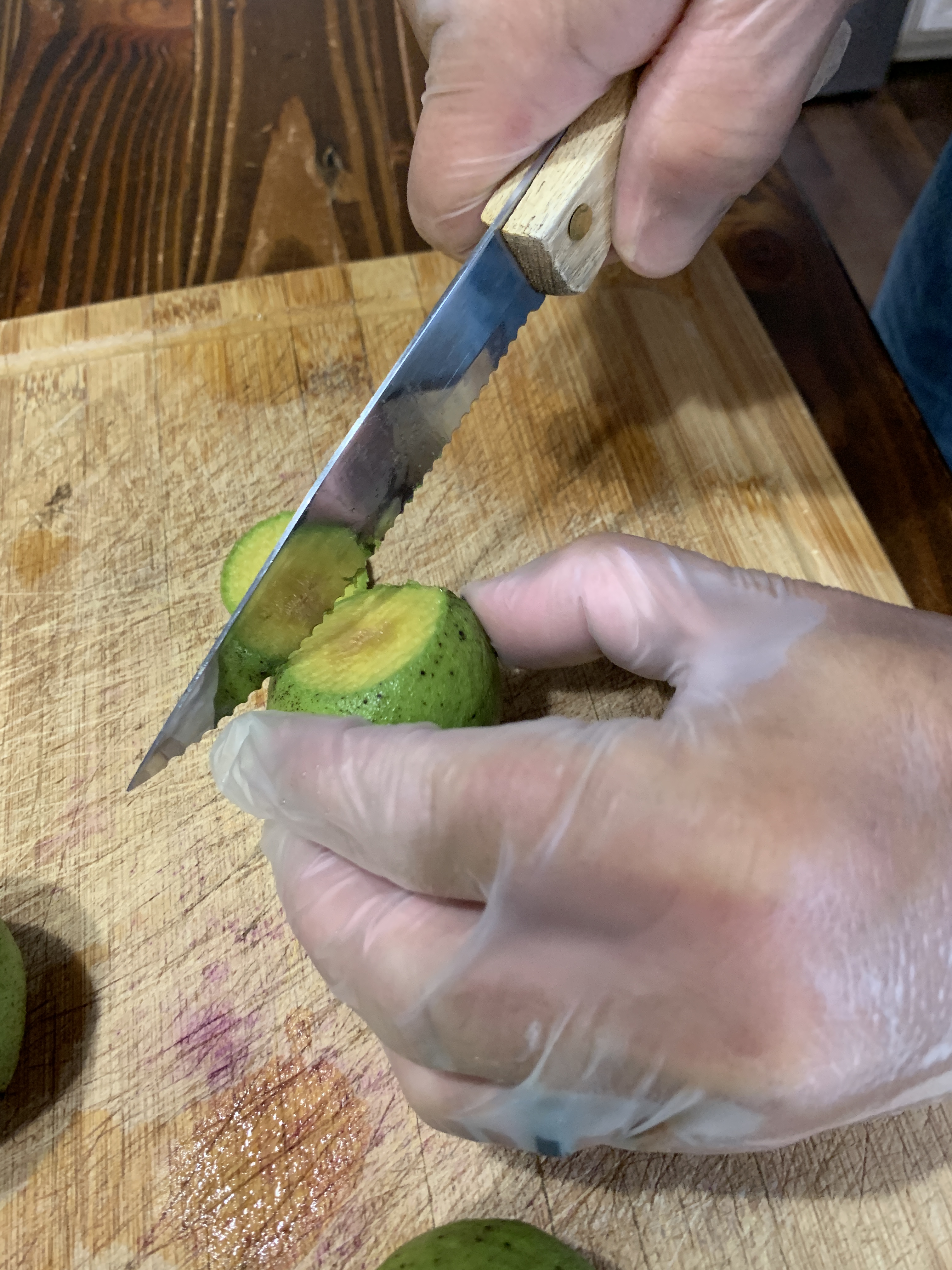
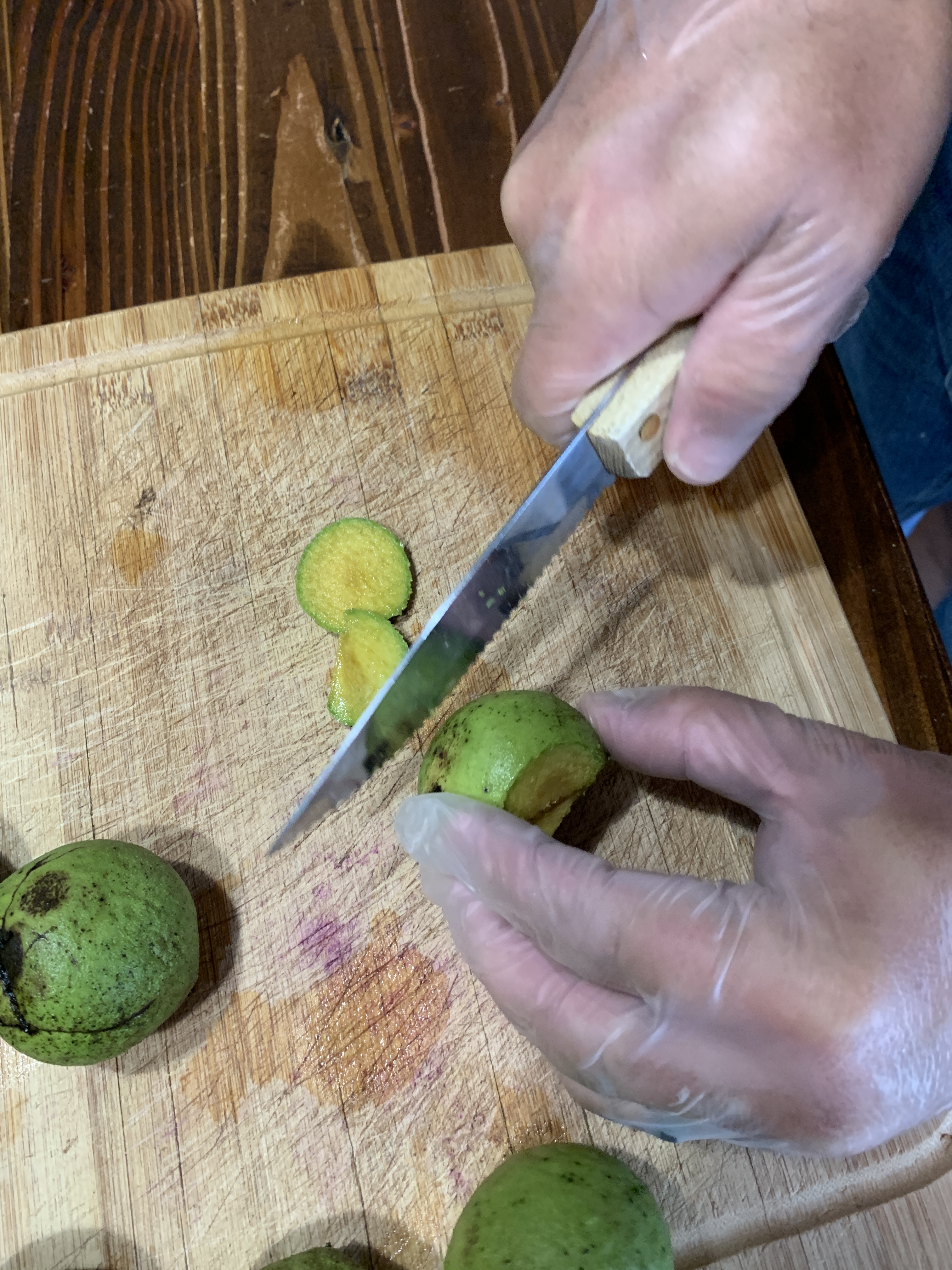
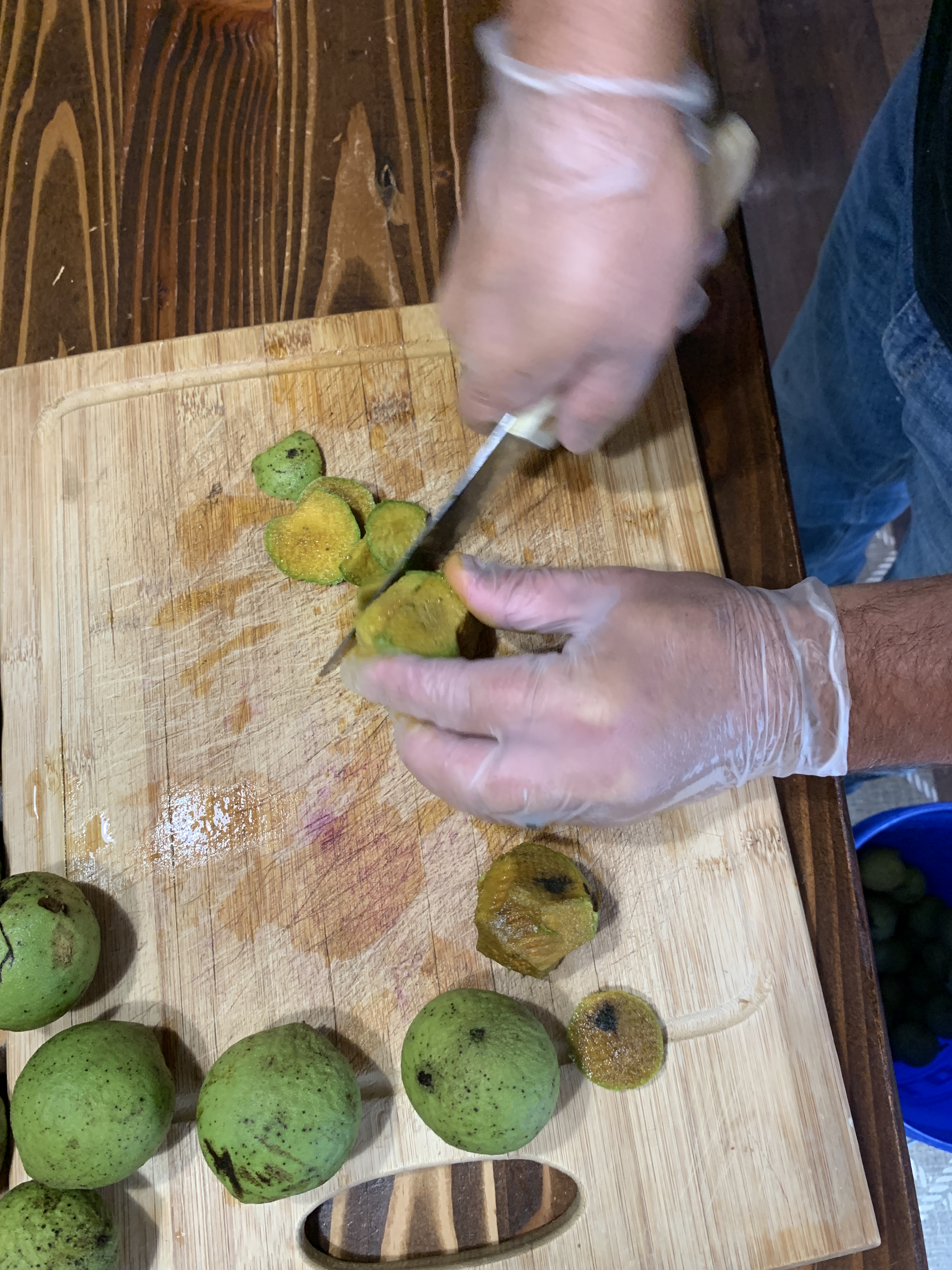
3. Pack Your Jar: Place the chopped walnut pieces into a clean glass jar, filling it about two-thirds to three-quarters full.
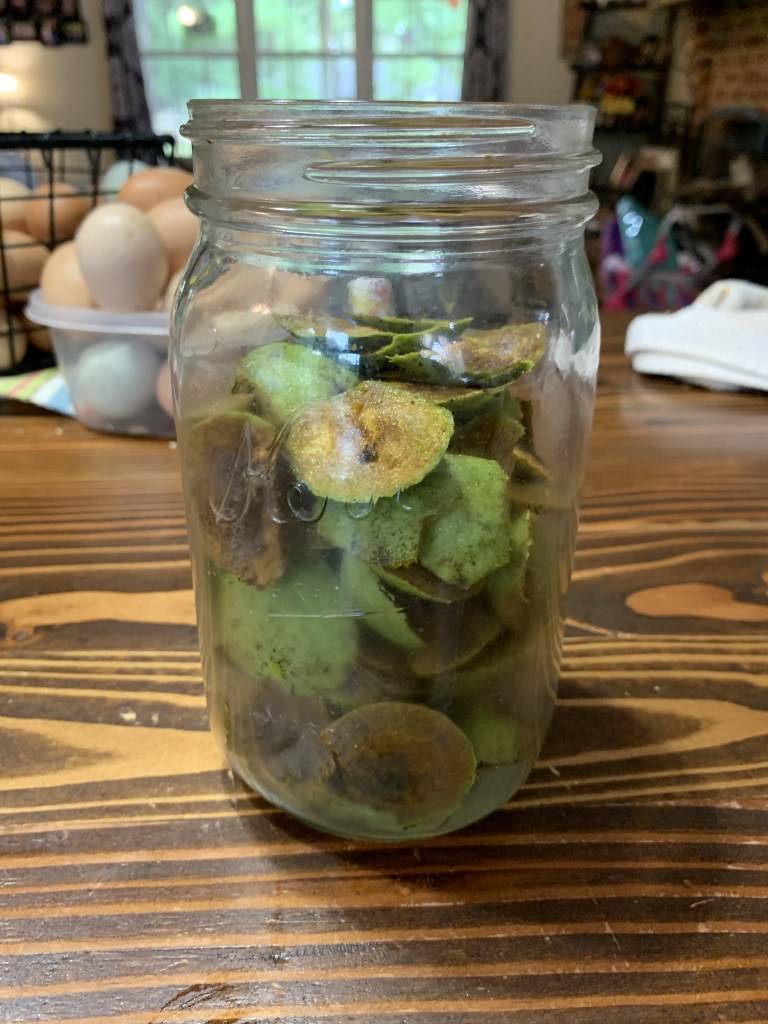
4. Add the Alcohol: Pour your high-proof alcohol over the walnuts until they are completely submerged and the jar is nearly full. Make sure all parts of the walnut are covered to prevent spoilage.
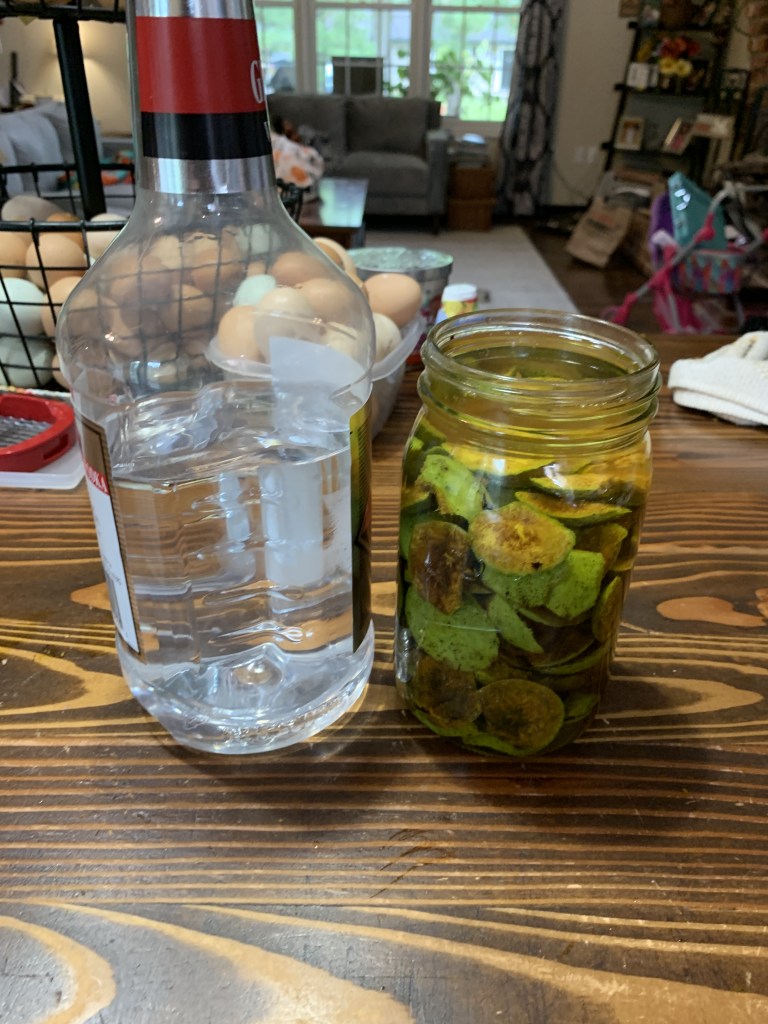
5. Seal and Steep: Seal the jar tightly. Store it in a cool, dark place for at least 4-6 weeks, shaking it every few days to help with the infusion process. The liquid will turn a very dark, almost black color.
6. Strain and Bottle: After the steeping period, strain the liquid through a cheesecloth or fine-mesh strainer into a clean jar. Be sure to squeeze out as much of the liquid as you can (while wearing gloves!).
7. Store Your Tincture: Pour the finished tincture into dark glass dropper bottles. Label them clearly with the name and date. Stored properly, your tincture will last for many years.
What started as disappointment over a seemingly barren season turned into a moment of unexpected abundance. This bucket of walnuts, a gift from God, will now become a powerful remedy in our home apothecary, ready to support our family’s health. It’s a perfect reminder to stay open to the gifts nature offers, often when we least expect them.
Also, please stop by our facebook page and give us a “like” there. We post some additional content there, and we’re always happy to respond and answer any questions you may have! You can also find me on GAB, https://gab.com/jungerer!

 RJ Homestead
Leave a comment