
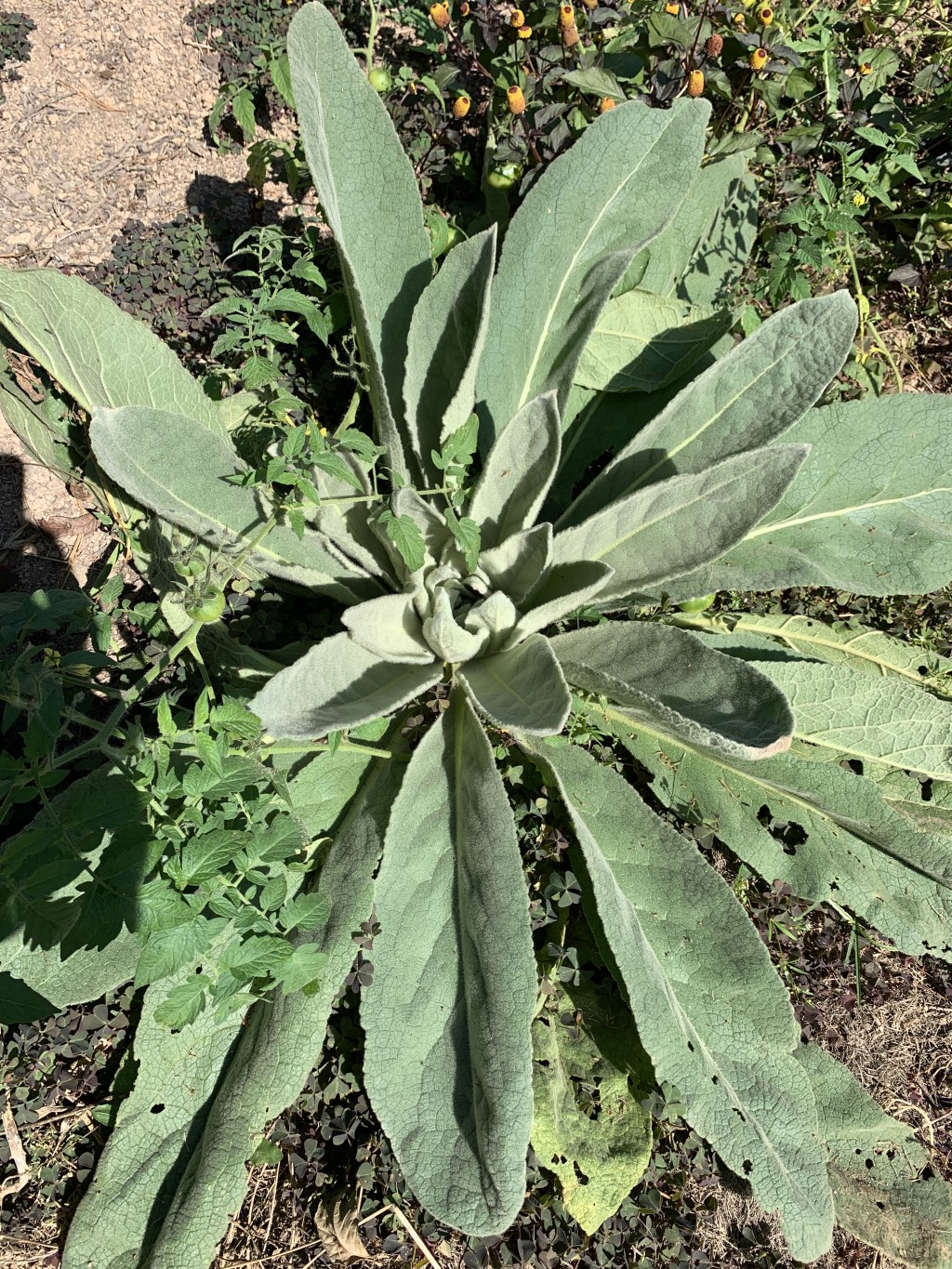
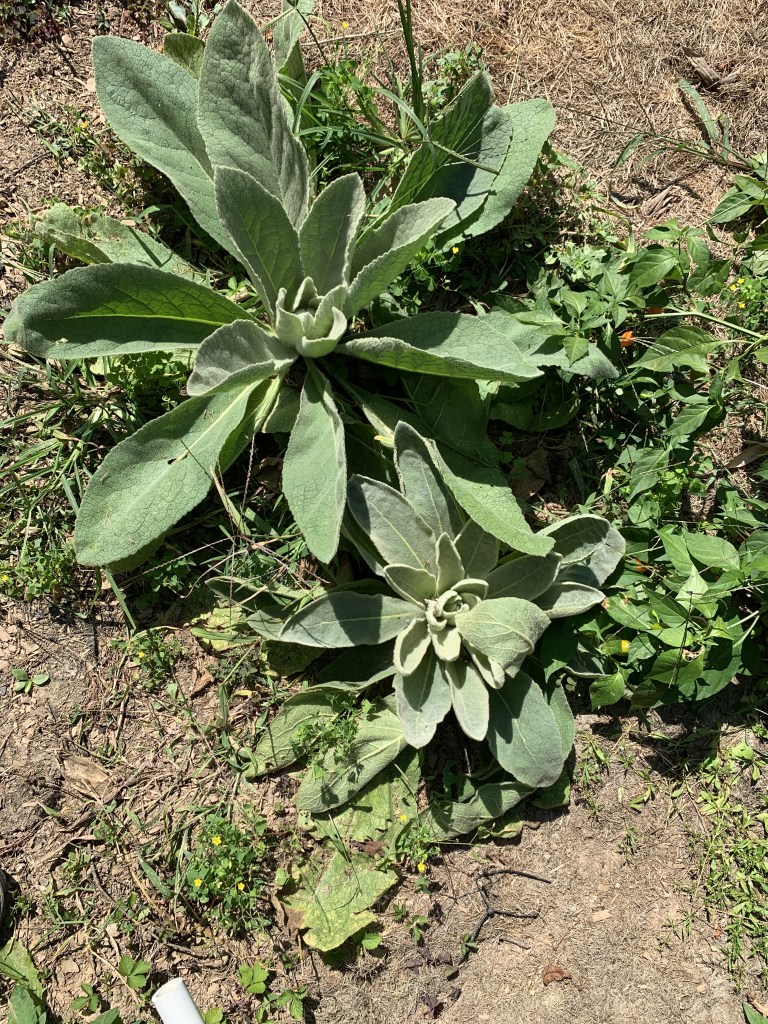
In a garden, you quickly learn to expect the unexpected. This year, our vegetable beds were dotted with the soft, fuzzy rosettes of first-year mullein plants. As much as I love seeing this majestic biennial thrive, their location posed a problem. In the off-season, we let our chickens into the garden to scratch, till, and fertilize the soil, and they would surely devour these young plants before they had a chance to shoot up their iconic flower stalks next year.
Embracing our “waste not, want not” philosophy, we decided to turn this predicament into an opportunity. Instead of letting these valuable plants become chicken feed, we are harvesting them for medicine. The large, velvety leaves are heading to the dehydrator for teas and respiratory remedies, and the potent taproots are being used to create a special mullein root tincture.
A Brief History of Mullein
Mullein (Verbascum thapsus) has a history as rich and far-reaching as its travels. Native to Europe, North Africa, and Asia, it was introduced to North America by European settlers in the mid-1700s, primarily for its medicinal value. The ancient Greek physician Dioscorides recommended it for pulmonary diseases nearly 2,000 years ago. In medieval times, it was considered a key healing herb, and its tall, dried stalks were famously dipped in tallow and used as ceremonial torches, earning it the nickname “Hag’s Taper”. Native Americans quickly adopted the plant, using it for everything from respiratory teas to poultices.
The Underrated Medicinal Benefits of Mullein Root
While the leaves and flowers are famous for their affinity for the respiratory system, the root of the mullein plant offers a unique and powerful set of benefits, particularly for the musculoskeletal and nervous systems.
- Pain Relief: Mullein root is an excellent antispasmodic and mild pain reliever. It is especially effective for nerve-related pain in the face and head, such as TMJ, Bell’s palsy, and trigeminal neuralgia.
- Structural Support: Herbalists traditionally use mullein root for structural issues, including pain that settles in the vertebrae and rib cage. It is also used to help with urinary incontinence, especially stress-related incontinence, by helping to support and tone the bladder.
- Skin Health: In folk medicine, a poultice made from powdered mullein root was used by the Zuni people to treat rashes, sores, and skin infections.
Harvesting the first-year root in the fall is the perfect time to capture its potent medicine before the plant channels its energy upward in its second year.
How to Make Mullein Root Tincture
Making a tincture is a simple and effective way to extract and preserve the medicinal properties of the root.
Ingredients:
- Freshly harvested first-year mullein root
- High-proof alcohol (at least 80-proof vodka or brandy)


Instructions:
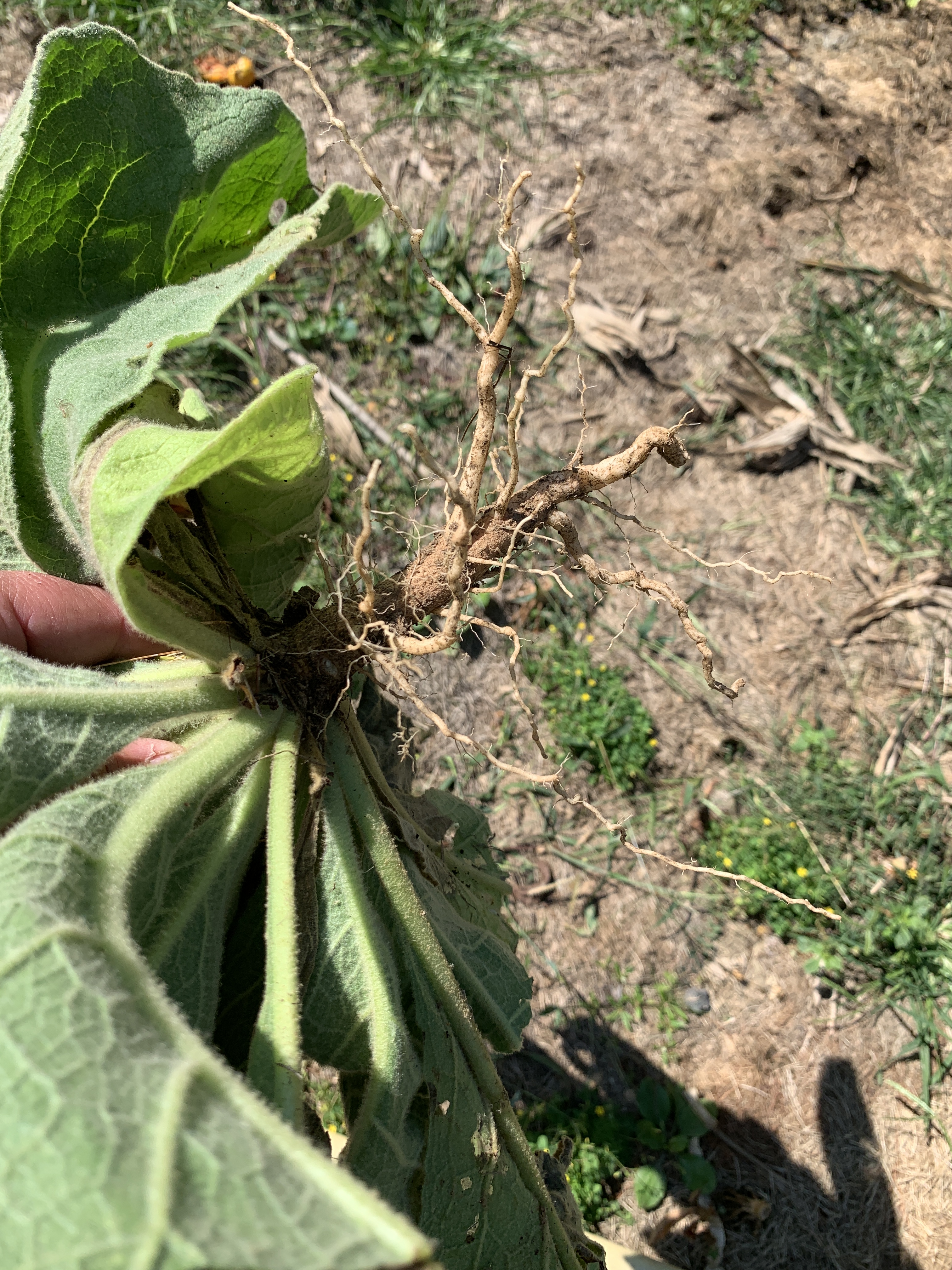
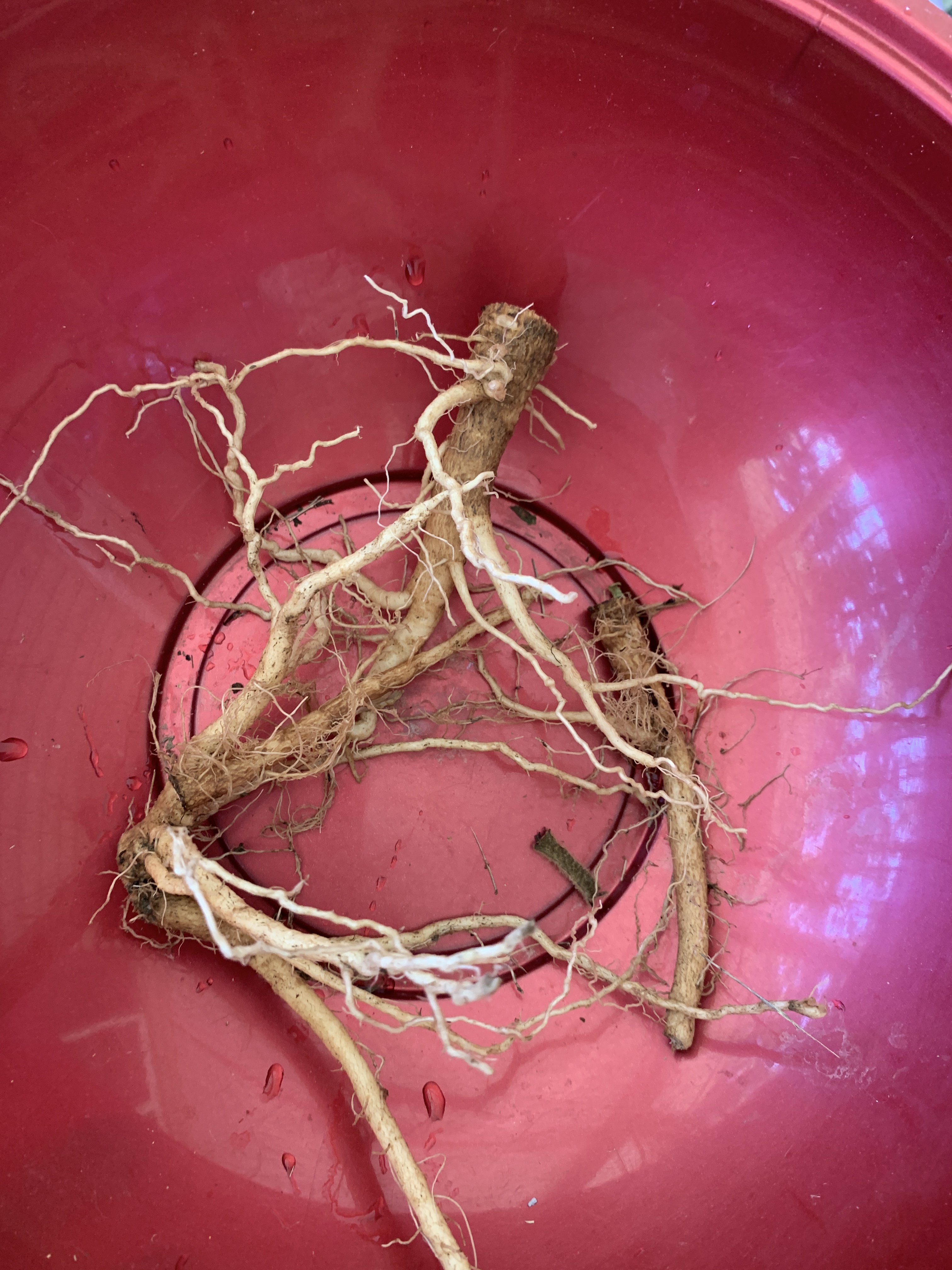
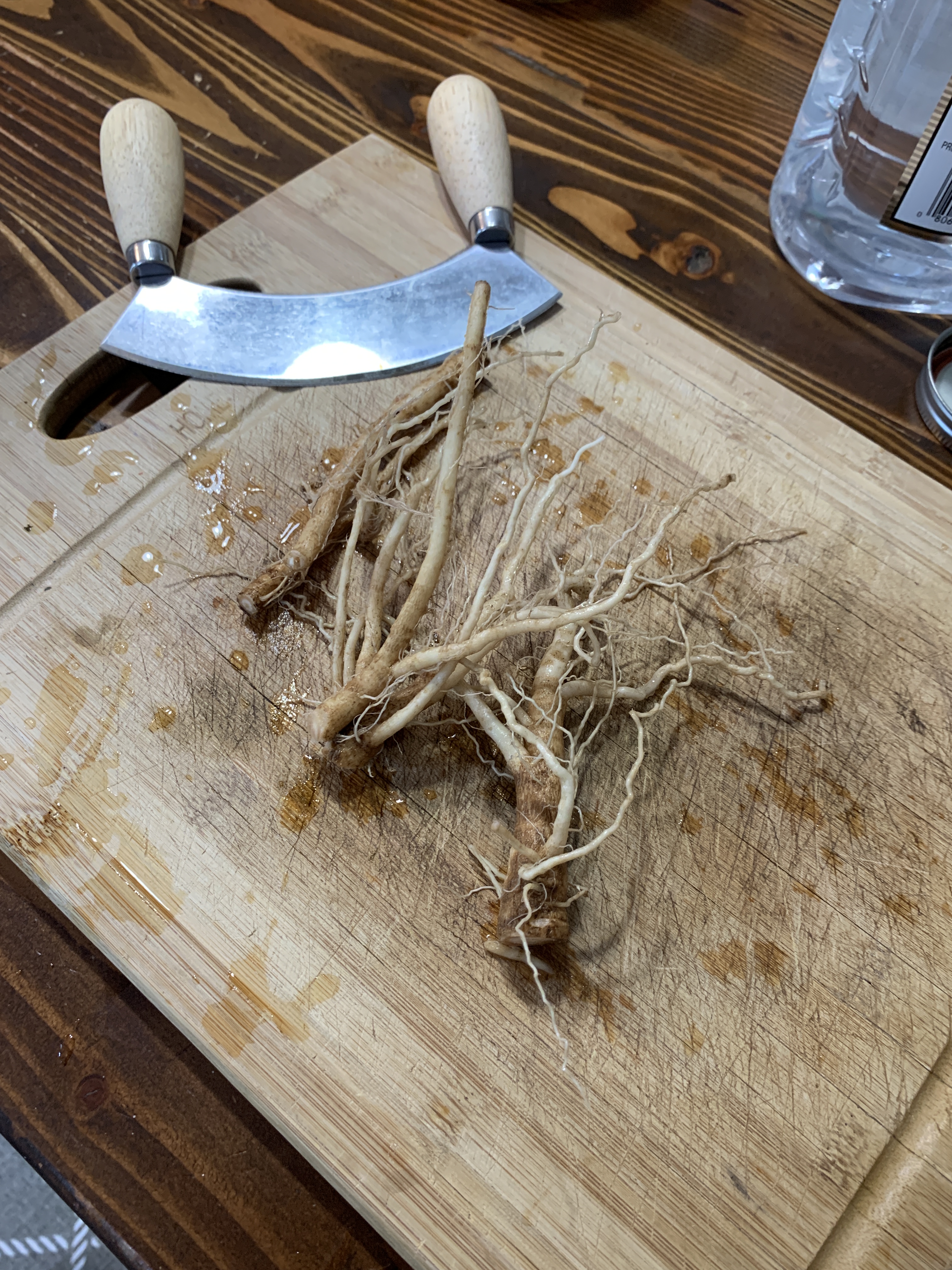
- Harvest the Root: Carefully dig up the first-year mullein plant, taking care to get as much of the central taproot as possible.
- Clean and Prepare: Thoroughly wash and scrub the root to remove all dirt and soil. Give it a fine chop to increase the surface area for the extraction.
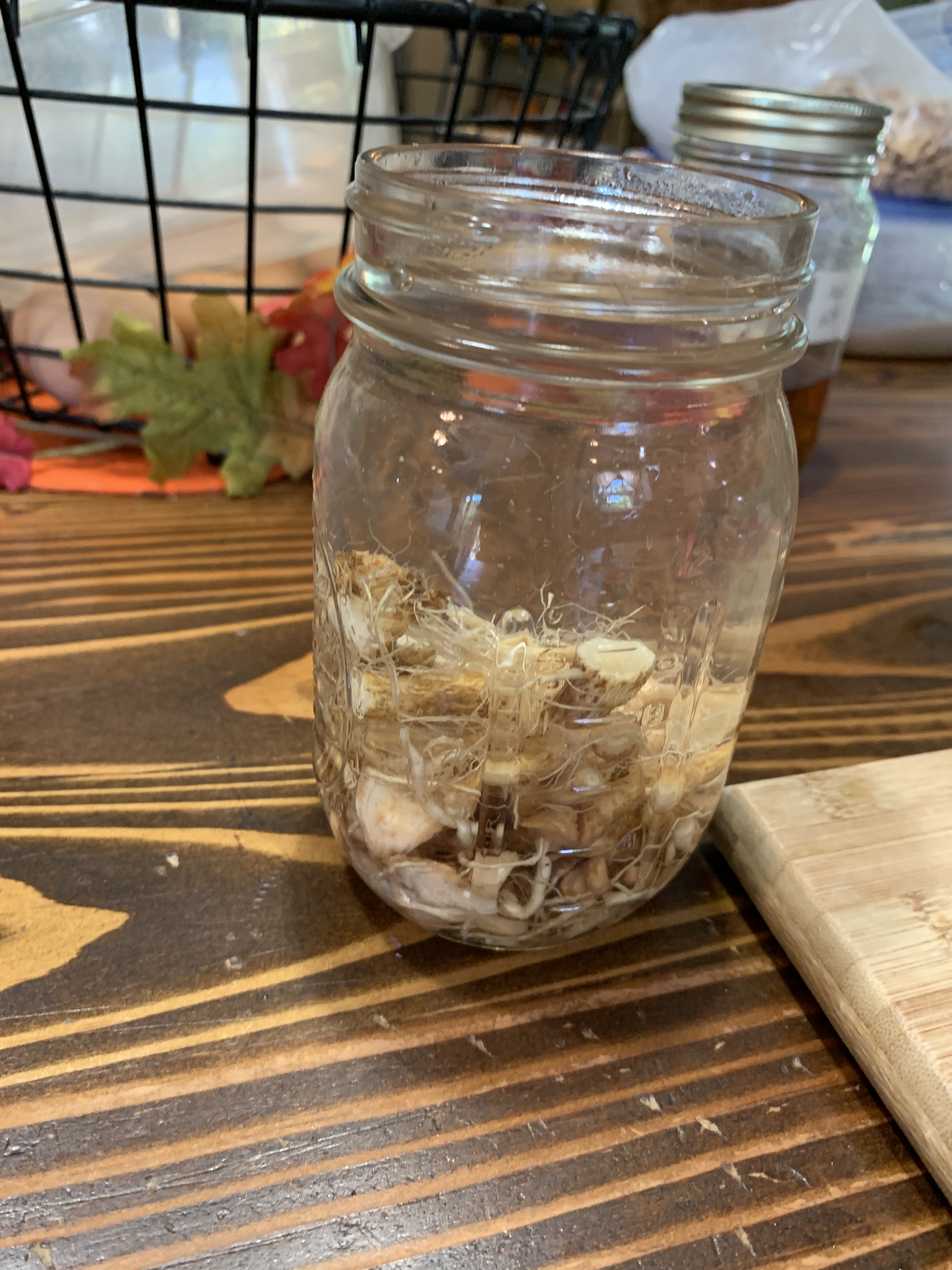
- Pack Your Jar: Place the chopped fresh root into a clean glass jar, filling it about two-thirds of the way full.
- Add the Alcohol: Pour the high-proof alcohol over the root pieces until they are completely submerged and the jar is nearly full.
- Seal and Steep: Seal the jar tightly and place it in a cool, dark cupboard for at least 4 to 6 weeks. Give the jar a good shake every few days.
- Strain and Bottle: After the steeping period, strain the liquid through a cheesecloth or fine-mesh strainer, making sure to squeeze out all the potent liquid from the root pulp.
- Store Your Tincture: Pour the finished tincture into labeled, dark glass dropper bottles. Stored properly, it will remain potent for many years.
It’s deeply satisfying to turn a “problem” plant into a valuable solution. What started as a volunteer in the wrong place has now become a powerful tincture for pain relief and a supply of dried leaves for winter coughs. It’s a perfect lesson from the garden: with a little knowledge and effort, there is no such thing as waste.
Also, please stop by our facebook page and give us a “like” there. We post some additional content there, and we’re always happy to respond and answer any questions you may have! You can also find me on GAB, https://gab.com/jungerer!

 RJ Homestead
Leave a comment