
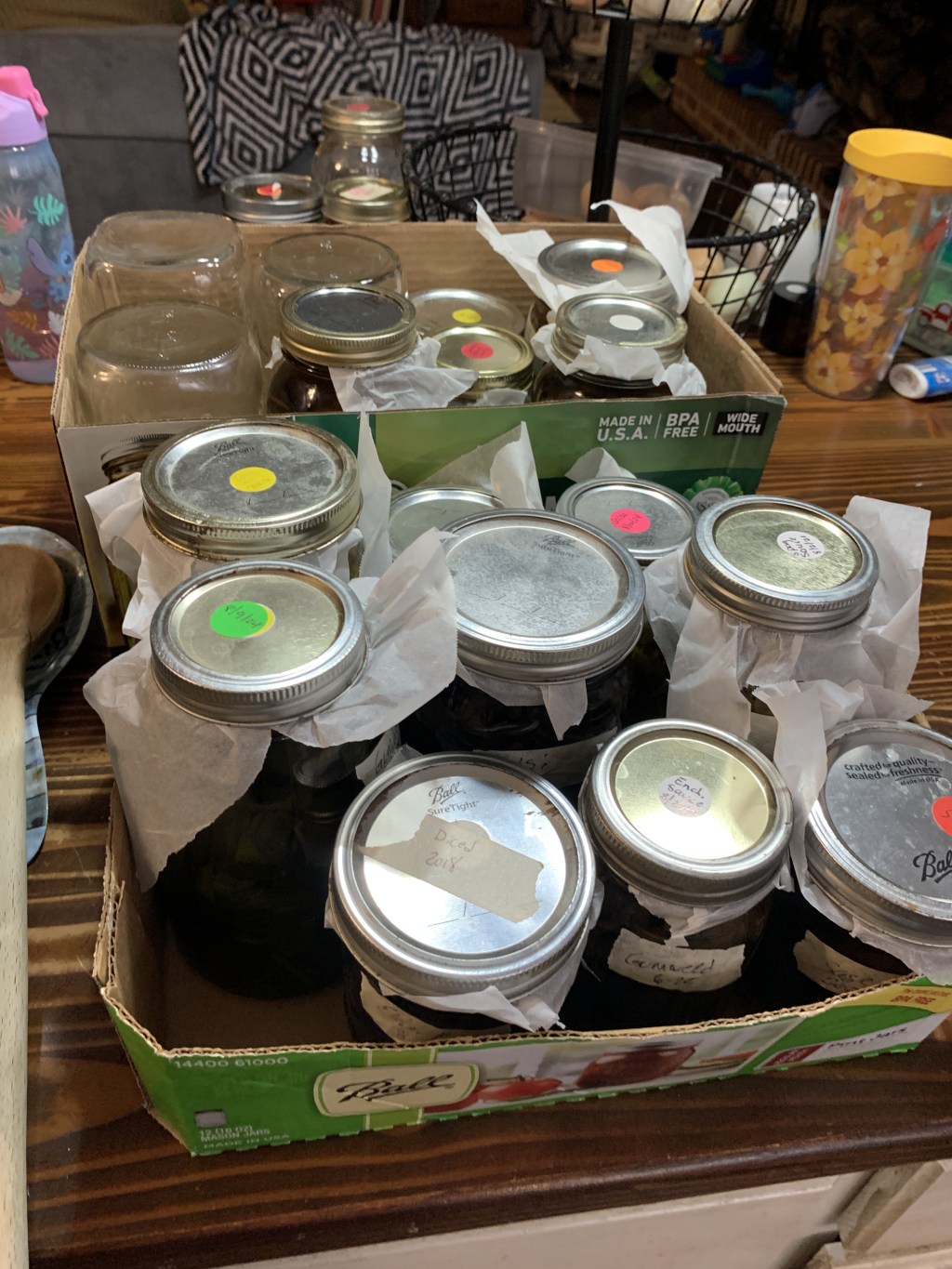
January on the homestead is a quiet time. The garden is asleep under a layer of frost (or mud, depending on the week here in Maryland!), and the frantic energy of the harvest season feels like a distant memory. But for the herbalist, winter isn’t just about rest—it’s about the apothecary.
Now that the weather is cold and there isn’t much to do outside, I finally have the time to turn my attention to the jars that have been patiently sitting on the shelves since summer. It is officially tincture straining season!
My “First Harvest” Philosophy
If you’ve been following along, you know my general rule of thumb for preserving the harvest: The first harvest almost always goes to tinctures. Check last years post here.
Why? Because tinctures last the longest. Alcohol is an incredible preservative, and by getting that first flush of potent plant material into a jar of menstruum (solvent), I ensure that the medicine is captured at its peak. It also gives the herbs plenty of time to macerate. Most of the jars I’m opening today were packed back in July! That represents six months of slow, cold extraction, ensuring every bit of medicinal goodness is pulled from the plant.
Any harvests after that first cut usually get dried for teas or infused into oils for salves. But the tinctures? They are the backbone of our home healthcare, and they need time.
New Additions to the Apothecary
We grew several new medicinal herbs this year, expanding our inventory and our ability to treat different ailments. Unsealing these jars is like opening a time capsule from the summer garden. The smells are incredible!
Here is a look at what we are straining and stocking this week:
💜 Elderberry (Sambucus nigra)
A classic winter staple. We finally had enough of a harvest to do a dedicated tincture. Elderberry is world-famous for its immune-boosting properties and its ability to inhibit viral replication. It’s our first line of defense when we feel a cold coming on.
🌸 Echinacea (Echinacea purpurea)
This was a huge milestone for us! Echinacea roots need at least three years to mature before they are medicinally potent. We planted these three years ago, waited patiently, and finally harvested the roots this fall. Echinacea root is a powerhouse immunomodulator, excellent for kicking the immune system into high gear during an acute infection.
🌿 Tulsi (Holy Basil)
Also known as “The Queen of Herbs,” Tulsi is a premier adaptogen. It helps the body adapt to stress—whether physical, chemical, or emotional. It has a beautiful, spicy-sweet aroma and is wonderful for lifting the spirits and clearing “brain fog.”
🌼 Curlycup Gumweed (Grindelia squarrosa)
This is a sticky, resinous plant that is fantastic for the respiratory system. It is an antispasmodic and expectorant, making it specific for those hacking, dry coughs that just won’t quit. Because the plant is so resinous, it works much better as an alcohol tincture than a tea.
🌽 Corn Silk (Zea mays)
Yes, from our own homegrown sweet corn! Before you toss those silky threads, know that they are soothing medicine. Corn silk is a demulcent and diuretic specifically for the urinary tract. It’s incredibly soothing for bladder irritation or inflammation.
🌱 Mullein Root (Verbascum thapsus)
While we use the leaves for lungs and the flowers for ear aches, the root has a different purpose. It is traditionally used for musculo-skeletal alignment issues. It can help with back pain, joint issues, and even facial nerve pain.
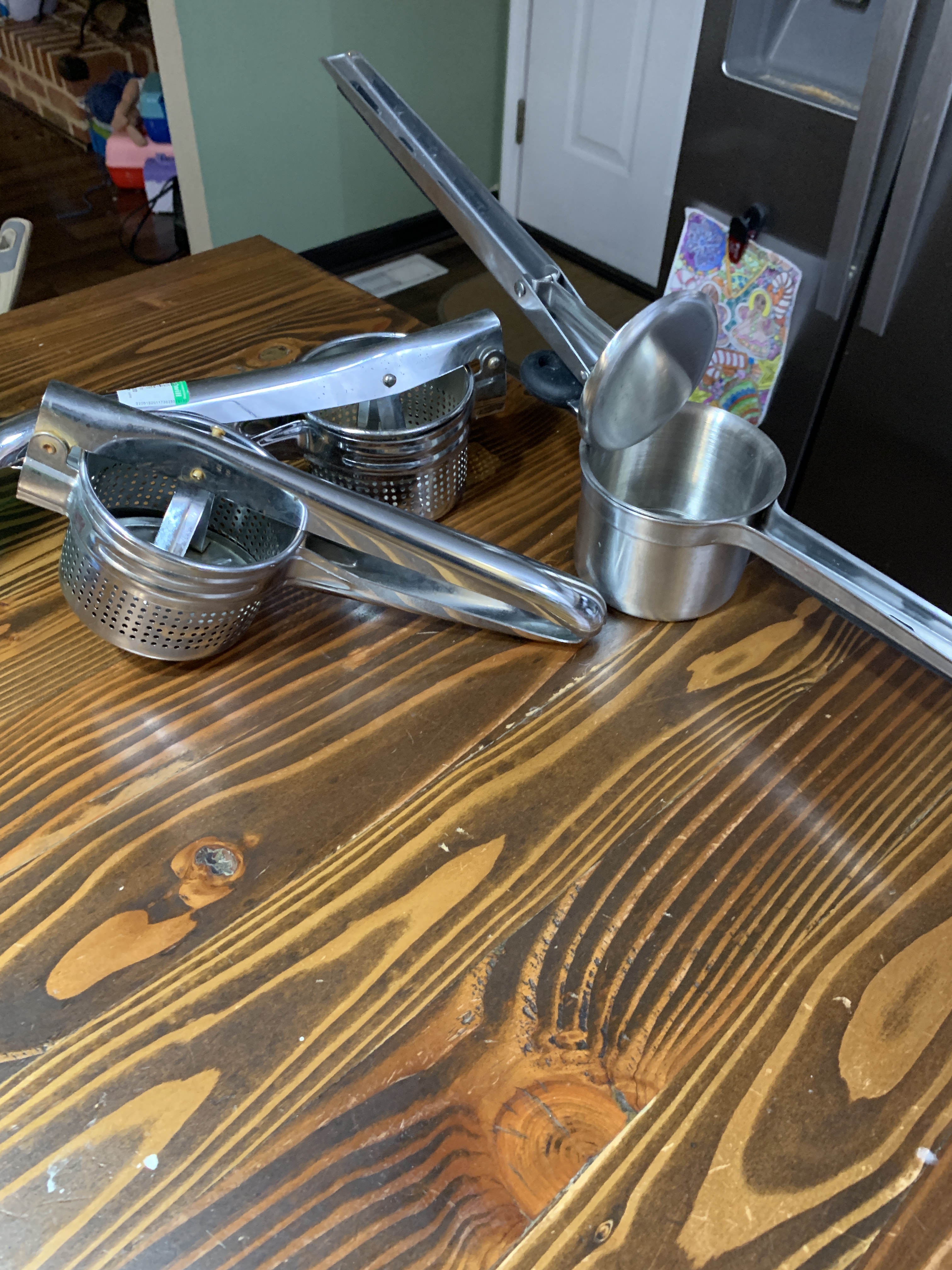
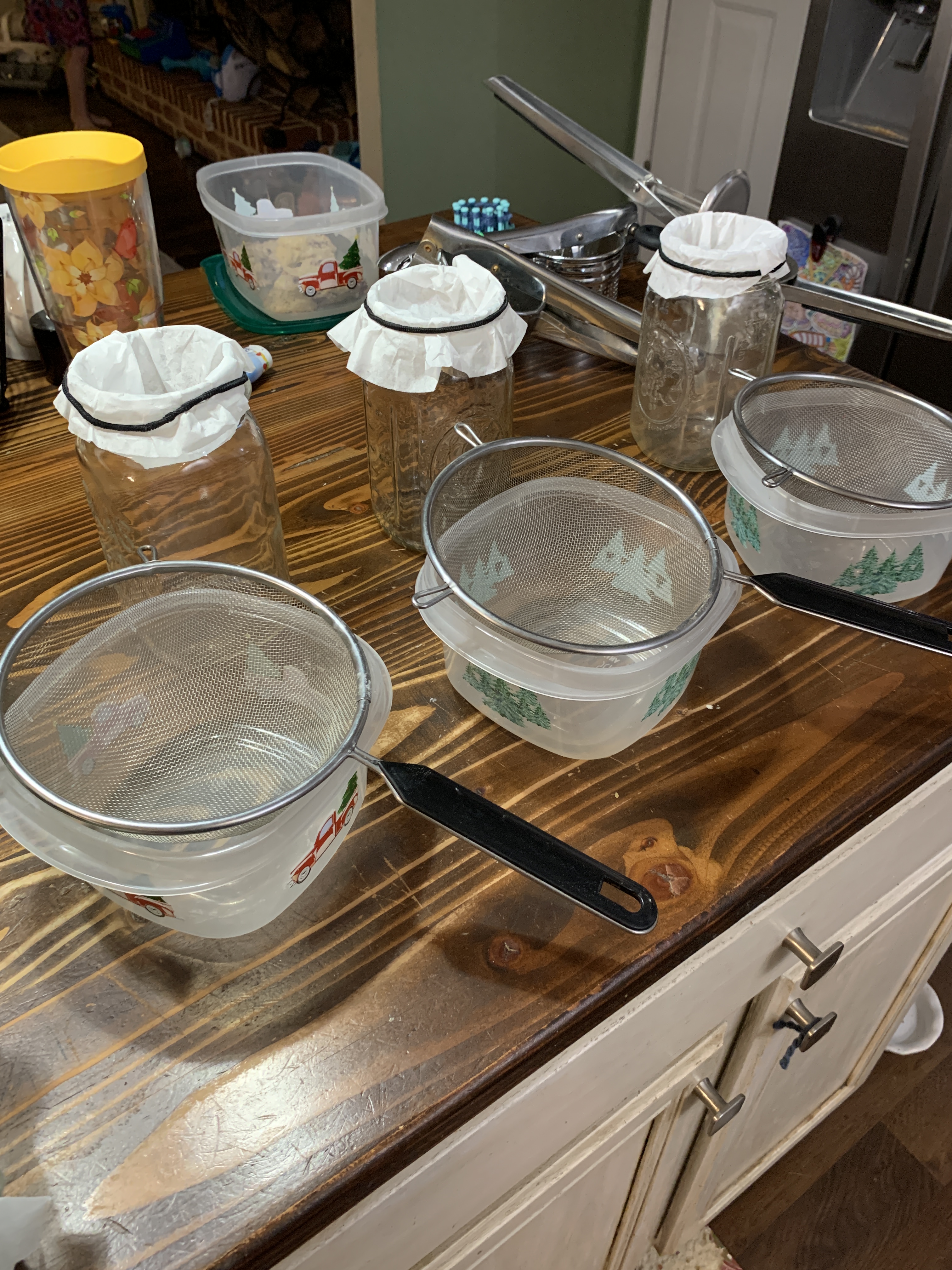
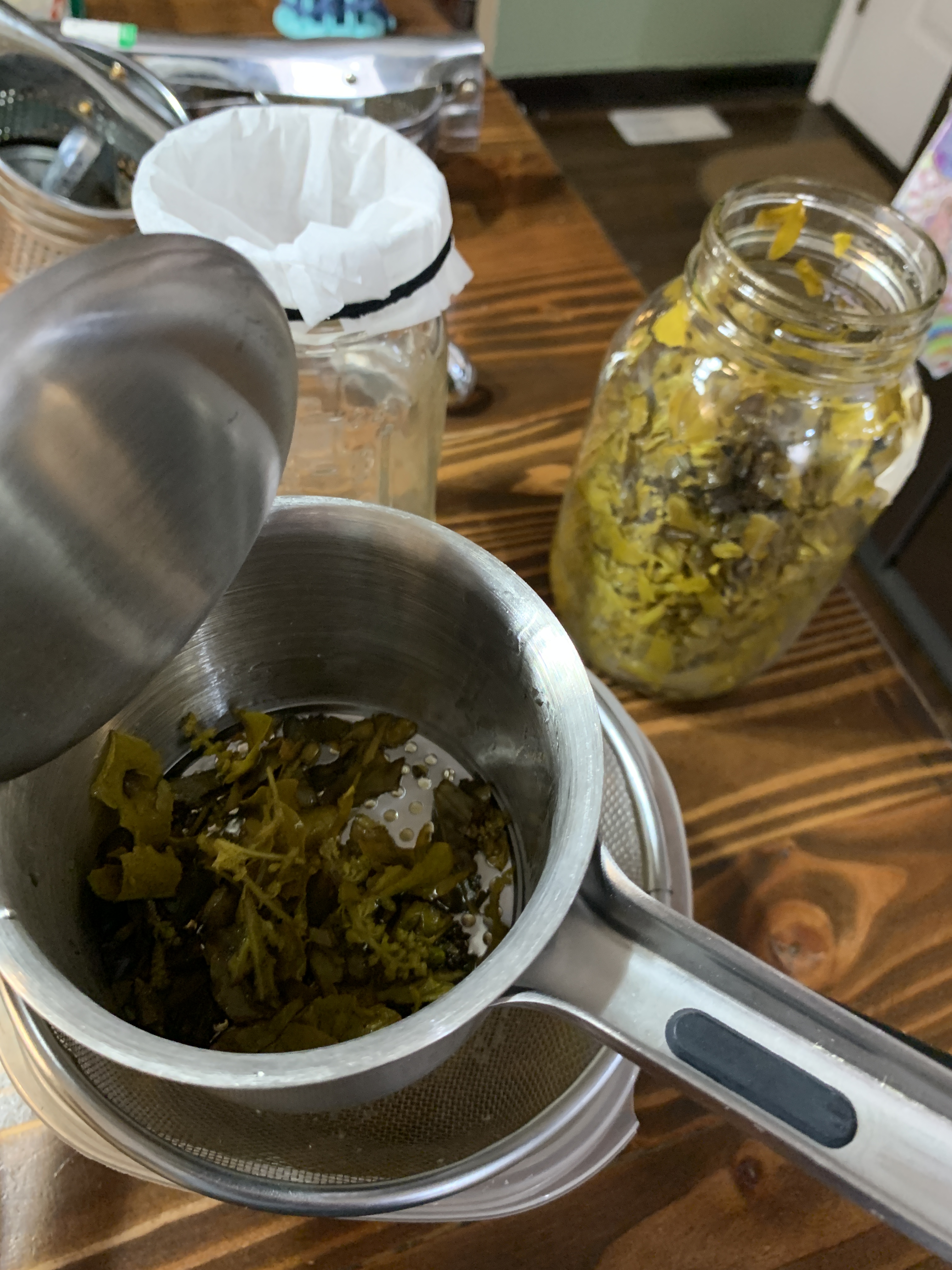
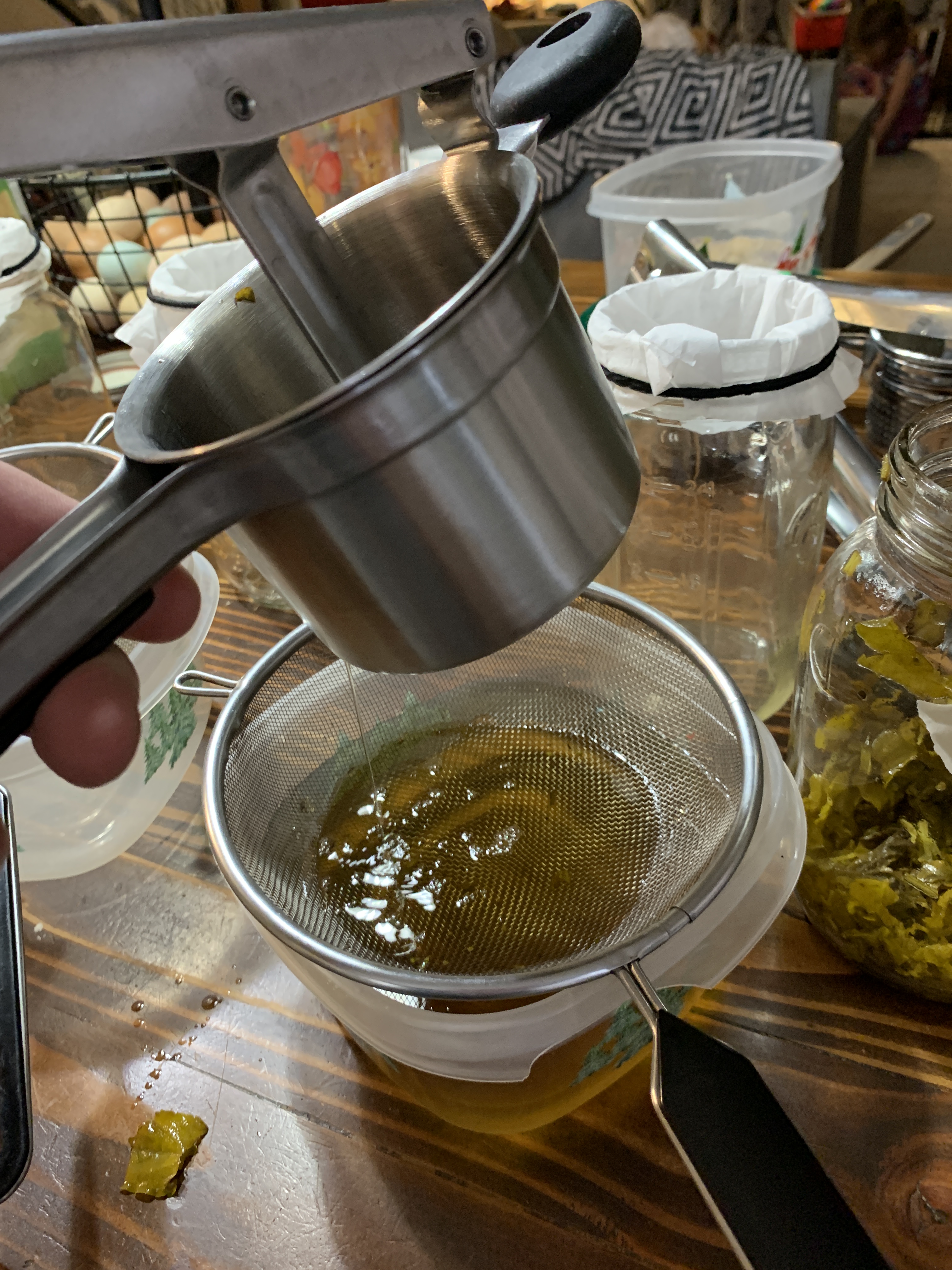
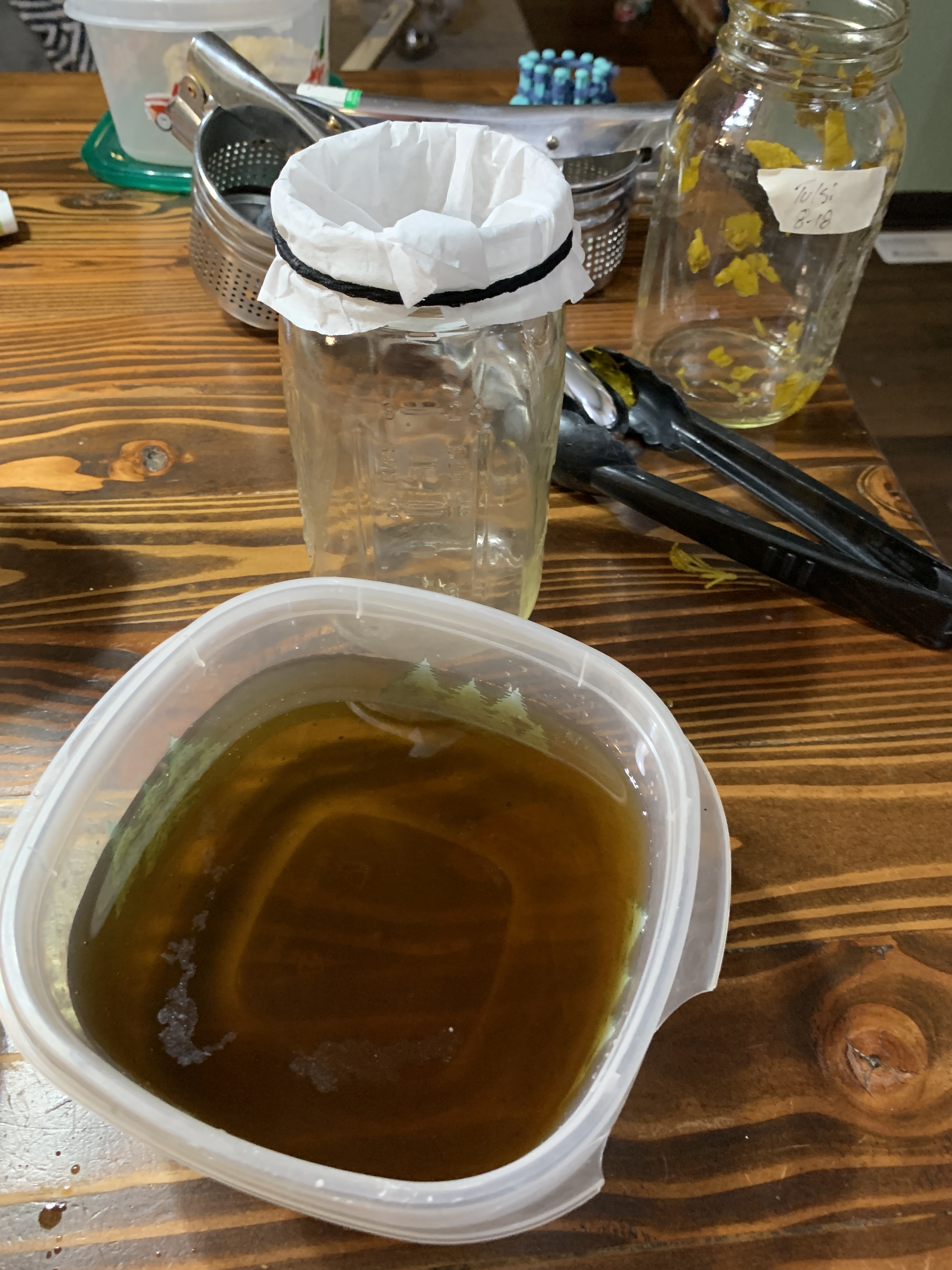
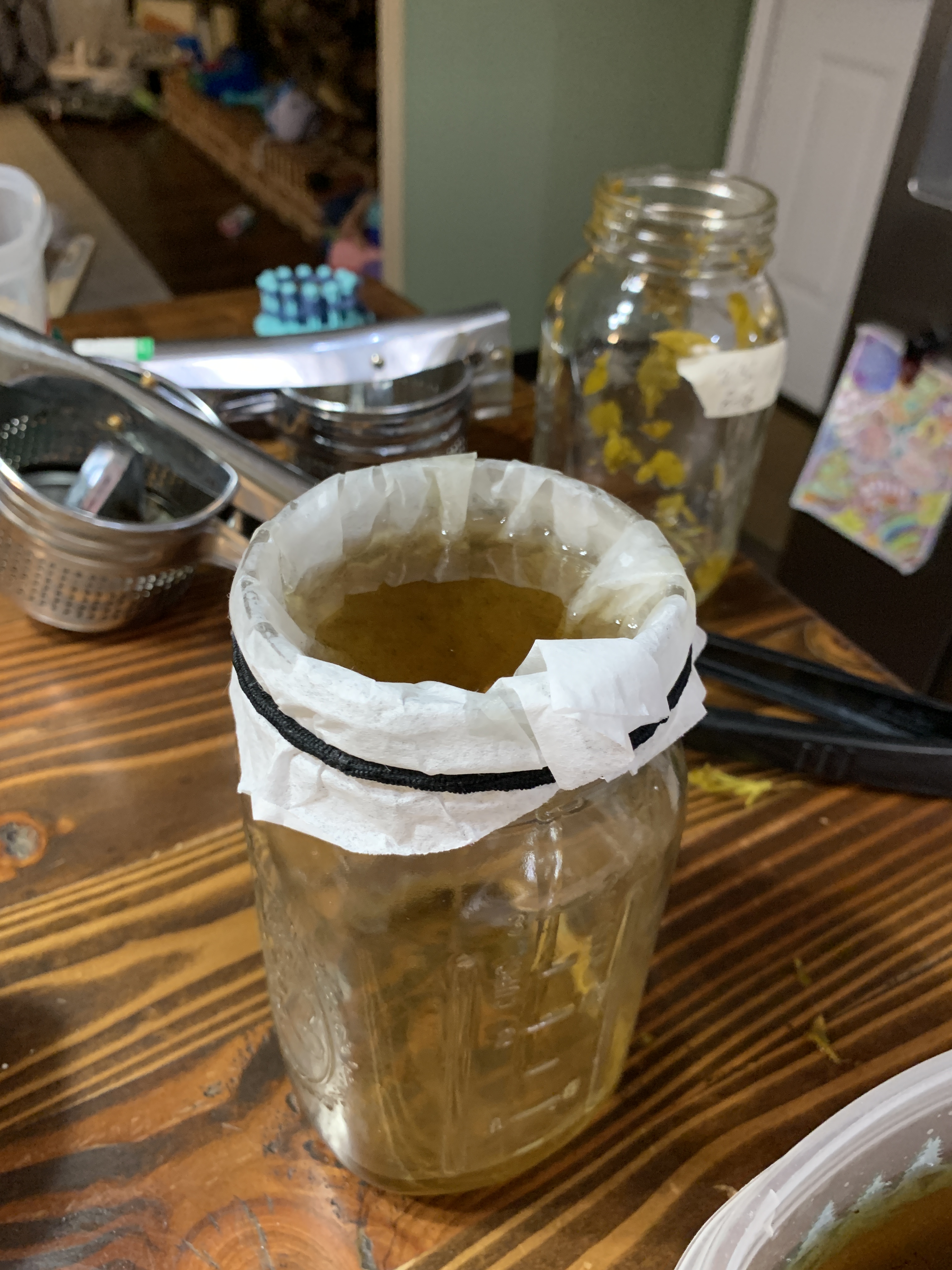
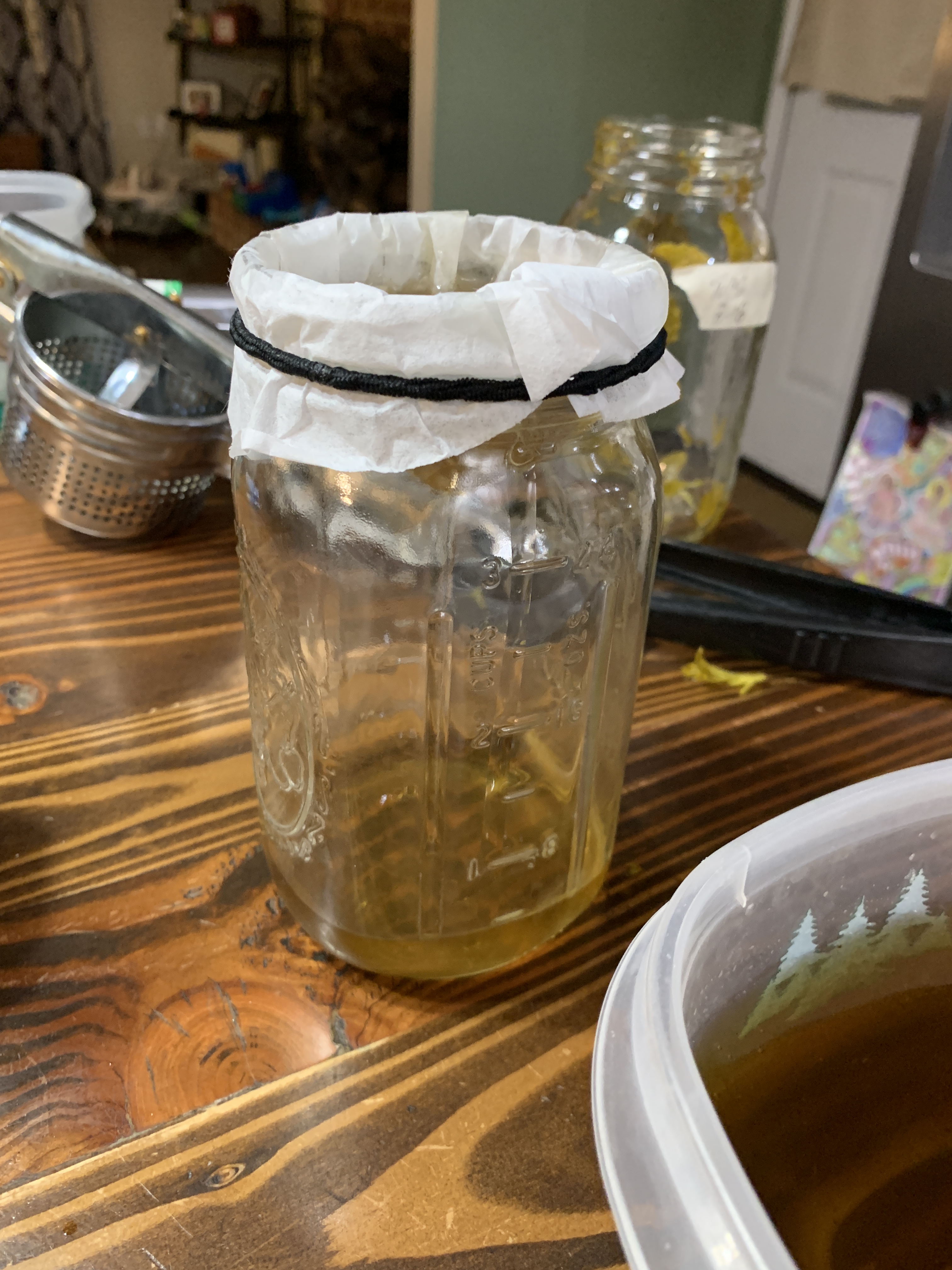
Our process is pretty straight forward. Being budget conscious, a tincture press is not part of our inventory, but we found a potato ricer works just as well to squeeze out all the goodness. Gotta love a thrift store find. First, I strain through a fine mesh strainer into a container, then I pour that liquid through a coffee filter attached to the top of the jar. It takes a little bit to filter through, and depending on how much plant material gets through, you may need to change the filter half way through. But the final result is a nice clean tincture ready to go.
Ready for the Year Ahead
There is something deeply satisfying about pouring that dark, rich liquid through the filter and bottling it up. The jars are labeled, the shelves are full, and the apothecary is now well-stocked.
Whatever 2026 throws at us—be it a summer cold, a stressful week, or a sore back from gardening—we are ready.
Have you started your winter apothecary work yet? What are you straining this month? Let me know in the comments!

 RJ Homestead
Leave a comment