
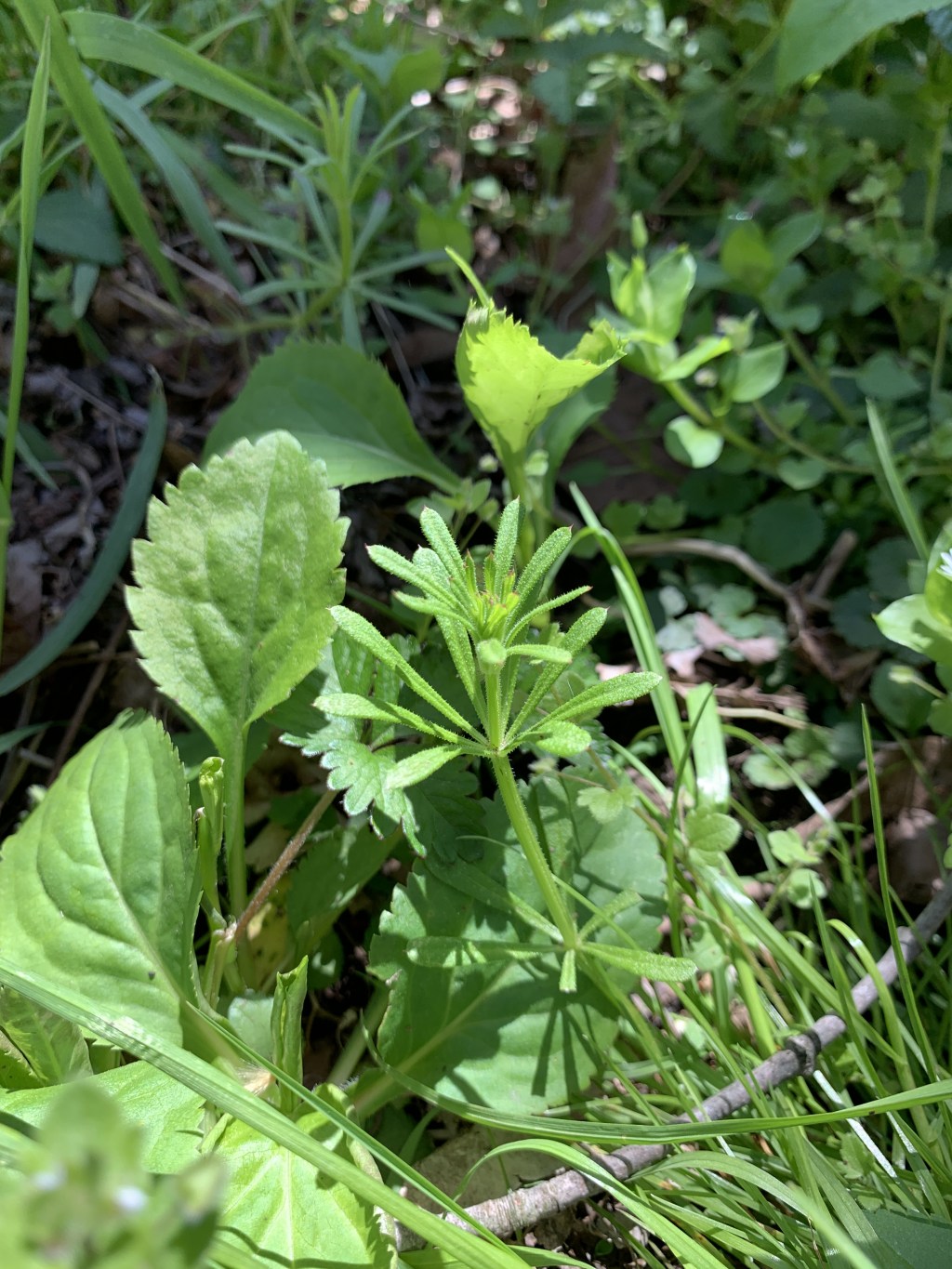
This weekend, we set out on a nature hike with a specific mission in mind – to find Cleavers! Spring is the perfect time to spot these little green treasures, and we were eager to add them to our foraging basket. As we explored our favorite hiking trails, anticipation grew. And then, there it was – a tangled mess of sticky green stems, adorned with tiny, star-shaped flowers – Cleavers, also known as Galium aparine. What started as a targeted search transformed into a fascinating exploration of this common, yet often overlooked, wild herb.
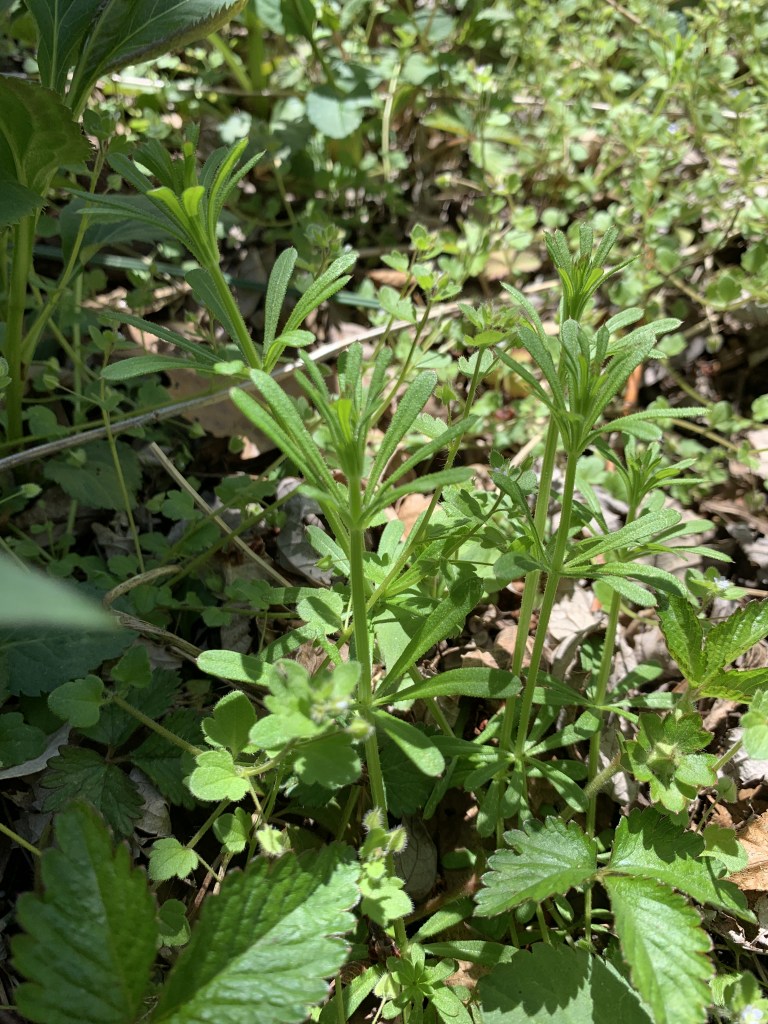
A Weed With a Long History
Cleavers boasts a rich and fascinating history that stretches back centuries. Evidence suggests its use dates back to ancient Greece and Rome, where it was a revered medicinal herb. Traditional healers utilized Cleavers to address a wide range of ailments, from soothing itchy skin conditions to easing coughs and even tackling troublesome kidney stones. While modern science hasn’t definitively confirmed all of its historical uses, Cleavers remains a popular choice in herbal medicine today. Many herbalists believe in its potential to support the body’s natural healing processes, and ongoing research is exploring its various properties.
From Medieval Medicine to Modern Wellness
The benefits of Cleavers are believed to stem from its unique blend of plant compounds, including flavonoids, alkaloids, and glycosides. These compounds are thought to contribute to Cleavers’ various health benefits, particularly its support for the lymphatic system. The lymphatic system acts as the body’s internal drainage network, shuttling waste products and toxins away from cells and tissues. Cleavers is traditionally considered a lymphatic tonic, believed to help stimulate the lymphatic system and promote healthy drainage. This may potentially aid in detoxification and support the body’s natural immune function.
Beyond its lymphatic benefits, Cleavers has a long history of traditional uses. One common application is for skin conditions. The herb’s potential anti-inflammatory properties may soothe irritation and itching associated with eczema, psoriasis, and minor wounds. Additionally, Cleavers’ diuretic properties may help reduce swelling and promote healthy urinary function. Traditionally, it’s been used to address issues like bladder infections and kidney stones.
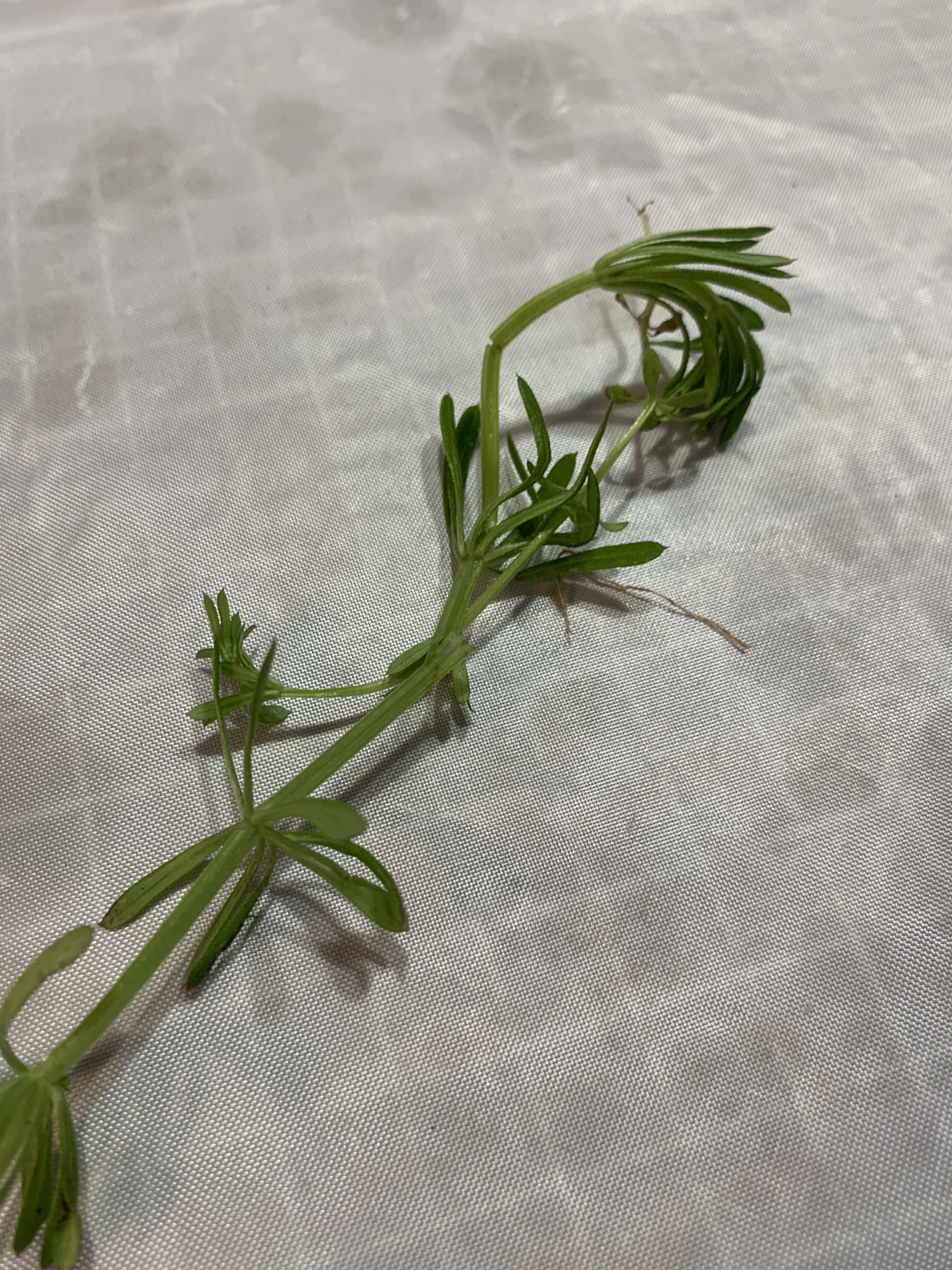


Fresh cleavers can be enjoyed for a short time after foraging. To extend their shelf life, there are a couple of options. One method is drying. Wash the cleavers thoroughly and pat them dry. Arrange them on a drying rack in a well-ventilated location out of direct sunlight. Alternatively, you can use a dehydrator set to a low temperature. Dried cleavers can be stored in an airtight container for several months.
Cleavers for a Healthy Lymphatic System: The Easy Method
Cleavers’ potential to support a healthy lymphatic system is one of its most talked-about benefits. Here is a simple ways to incorporate Cleavers into your routine and potentially give your lymphatic system a boost:
Cleaver Tea:
- Ingredients:
- 1-2 teaspoons dried Cleavers (or 1 cup fresh, chopped Cleavers)
- 1 cup boiling water
- Honey or lemon (optional)
- Instructions:
- Steep the Cleavers in boiling water for 10-15 minutes.
- Strain the tea into a mug.
- Add honey or lemon to taste (optional).
Enjoy this soothing tea 2-3 times a day. The warmth of the tea can be particularly comforting, and the Cleavers may help stimulate lymphatic drainage.

Beyond the Medicine Cabinet: Culinary Delights with Cleavers
Cleavers isn’t just a medicinal herb – it’s also a surprisingly versatile culinary ingredient! The young shoots and leaves have a mild, earthy flavor and can be enjoyed in a variety of ways. Here are a couple of recipes to inspire your wild-crafted kitchen creations:
- Cleaver Pesto: This vibrant green pesto is a delightful twist on the classic. Simply combine chopped Cleavers with your favorite nuts (pine nuts, walnuts, or almonds), garlic, olive oil, and a sprinkle of Parmesan cheese for a flavorful and nutritious addition to pasta dishes or bruschetta.
- Cleaver and Spring Vegetable Sauté: Embrace the taste of spring with this simple yet satisfying dish. Sauté chopped Cleavers with fresh asparagus, peas, and onions. Finish with a squeeze of lemon juice and a sprinkle of sea salt for a light and healthy side dish.
A Foraging Adventure Awaits
Cleavers is a common plant, often found in moist, shady areas. When foraging for Cleavers, look for young, tender shoots and leaves. Remember, it’s always best to identify the plant correctly before consuming it. Consult a reliable foraging guide or app if you’re unsure.
Our encounter with Cleavers was a delightful find, reminding us that nature is brimming with treasures. So, next time you’re out exploring, keep an eye out for this sticky green wonder. You might just discover a new favorite addition to your medicine cabinet and kitchen!







 RJ Homestead
Leave a reply to Garden Clean Up Day – RJ Homestead Cancel reply