
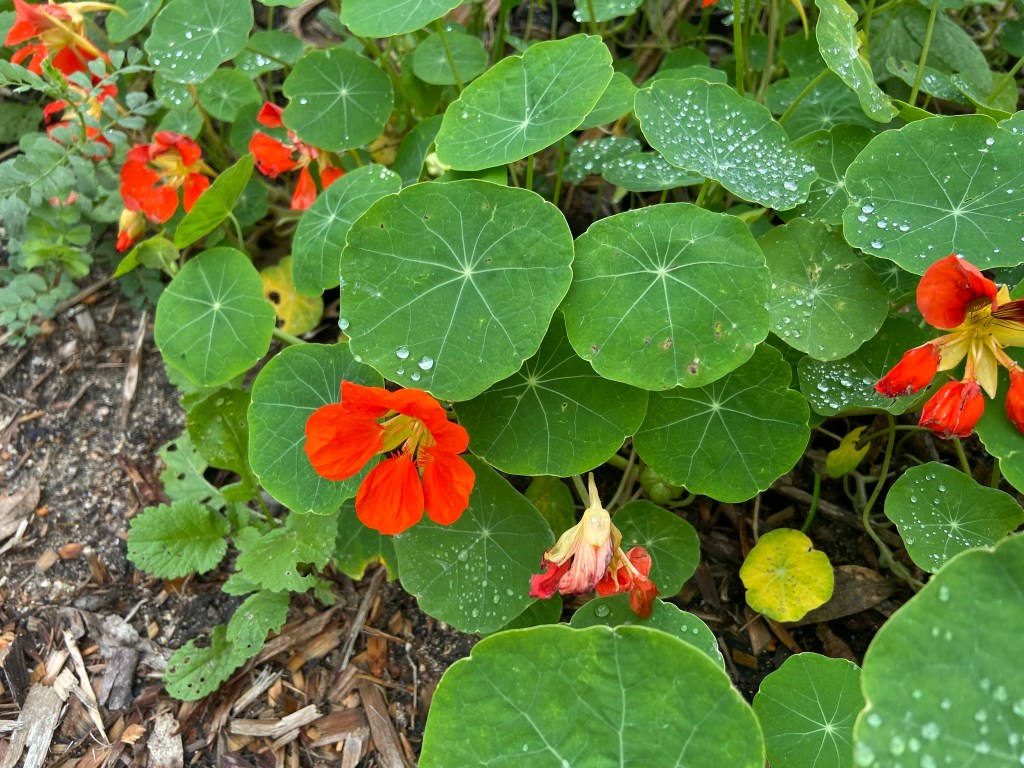
Our raised bed isn’t just bursting with vibrant colors – it’s a haven for homegrown medicine! Every year, we dedicate a section to the cheerful nasturtium, a plant that goes beyond its ornamental beauty to offer a surprising medicinal benefit – a natural antibiotic tincture.
A Flower with a Storied Past: Nasturtiums Through the Ages
Nasturtiums (Tropaeolum spp.), with their cheerful blooms and cascading foliage, boast a history as rich and vibrant as their colors. Their journey from South American fields to our modern medicine cabinets stretches back centuries, revealing a fascinating connection between cultures and their appreciation for the potential health benefits plants may offer.
The earliest evidence of nasturtium use comes from the Incas, who cultivated them in the Andes Mountains. Historical records suggest the Incas incorporated nasturtiums into their diet, using the leaves and flowers in various dishes. Beyond culinary applications, there are indications that the Incas may have also recognized the potential medicinal properties of nasturtiums, using them for a variety of purposes. However, much of this knowledge remains shrouded in the mists of time.
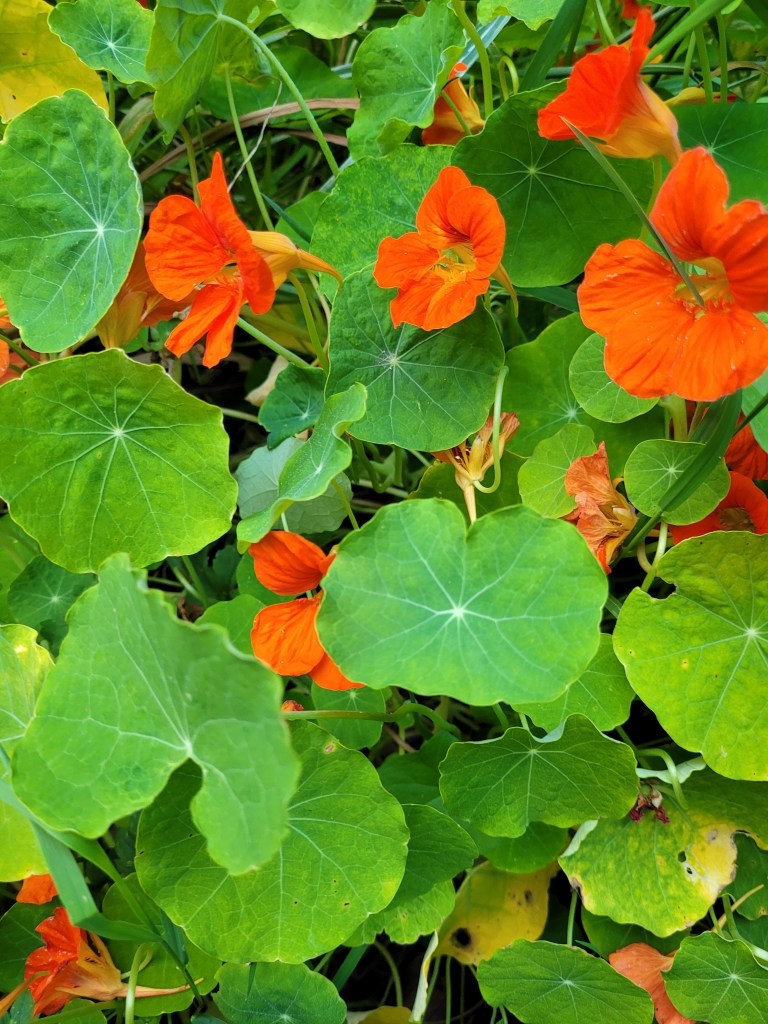
Fast forward to the 16th century, and nasturtiums made their way across the Atlantic with European explorers. These vibrant flowers quickly captured the hearts (and gardens) of Europeans, not only for their ornamental appeal but also for their potential health benefits. Early European herbalists, drawing on traditional knowledge and their own observations, began incorporating nasturtiums into various remedies. Historical texts mention their use for everything from wound healing to respiratory issues, highlighting the diverse potential applications these early herbalists envisioned for the “Indian Cress,” as nasturtiums were often called back then.
The story of the nasturtium doesn’t end there. Modern research is delving deeper into the potential benefits of this captivating flower, and its journey from a cherished Inca crop to a potential natural remedy in our modern world continues to unfold.
Nature’s Antibacterial Ally: Unveiling the Power of Nasturtiums
Modern science is shedding a fascinating light on the potential of nasturtiums as a natural antibiotic. Studies suggest these cheerful flowers possess broad-spectrum antibiotic properties, offering a potential weapon in the fight against a wide range of bacterial foes. This broad spectrum means nasturtiums target both gram-positive and gram-negative bacteria. Gram-positive bacteria are encased in a single cell wall, while gram-negative bacteria have a more complex double cell wall. Many traditional antibiotics target one type or the other, but nasturtiums’ broad-spectrum activity makes them an intriguing area of research.
The bacteria nasturtiums combat are responsible for a variety of infections that plague humans. Common culprits like E. coli and Staphylococcus aureus fall under the umbrella of these bacteria, and the potential for a natural remedy to address them is significant. Research suggests that nasturtiums work by inhibiting bacterial growth and even disrupting their cell membranes. While more research is needed to fully understand the effectiveness of nasturtiums as a natural antibiotic, their potential to combat these common bacteria highlights their value as a potential natural ally in our quest for well-being.
From Garden to Tincture: Creating Your Own Natural Antibiotic
Ready to harness the power of your nasturtiums? Here’s how to transform them into a potent tincture:
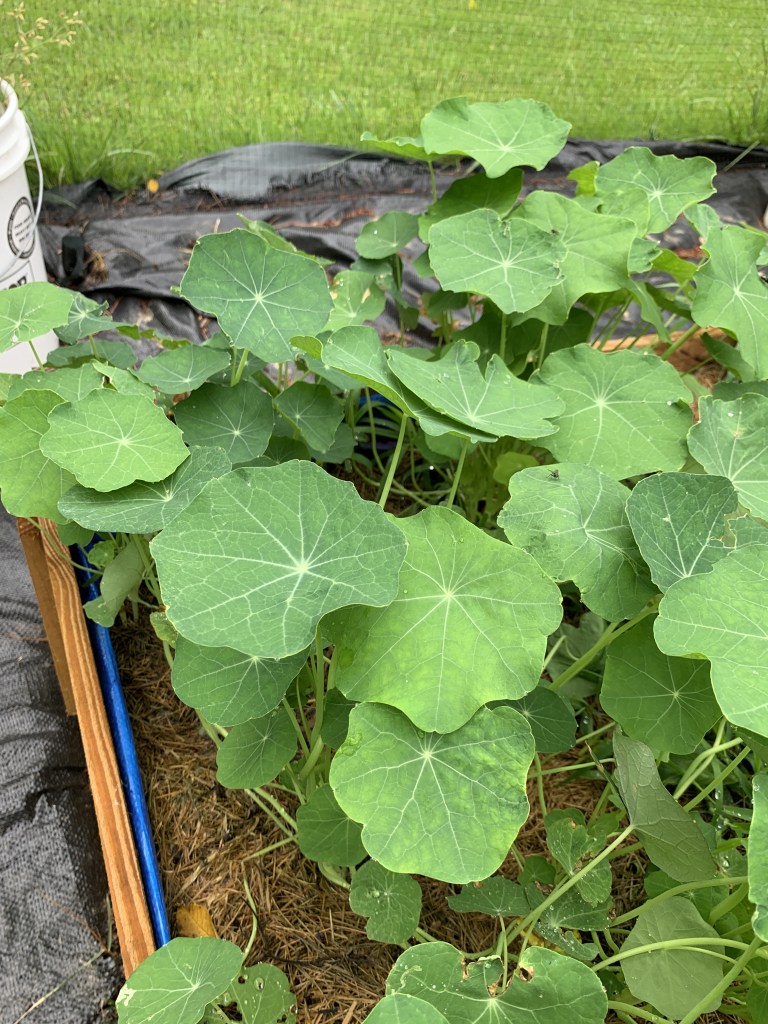
Harvesting:
- Timing is Key: The ideal time to harvest nasturtium leaves and flowers for the tincture is before they bloom. This ensures you capture the highest concentration of beneficial compounds.
- Sustainable Practices: Harvest only what you need, allowing your nasturtiums to continue thriving and providing you with future bounty.
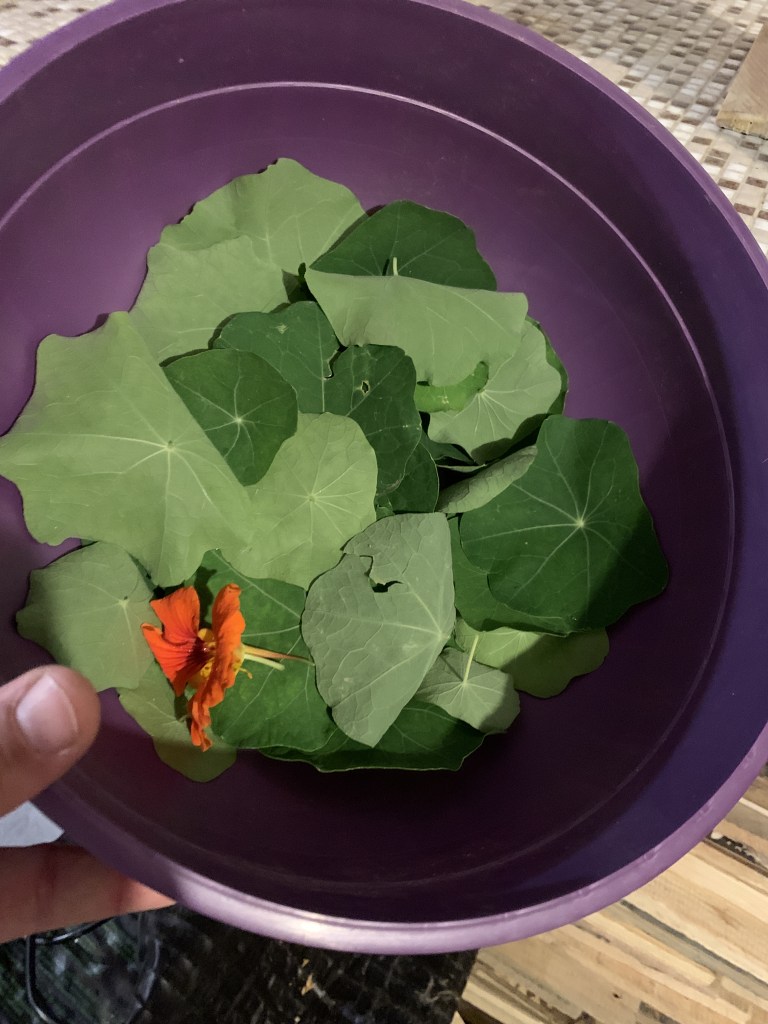
Making the Tincture:
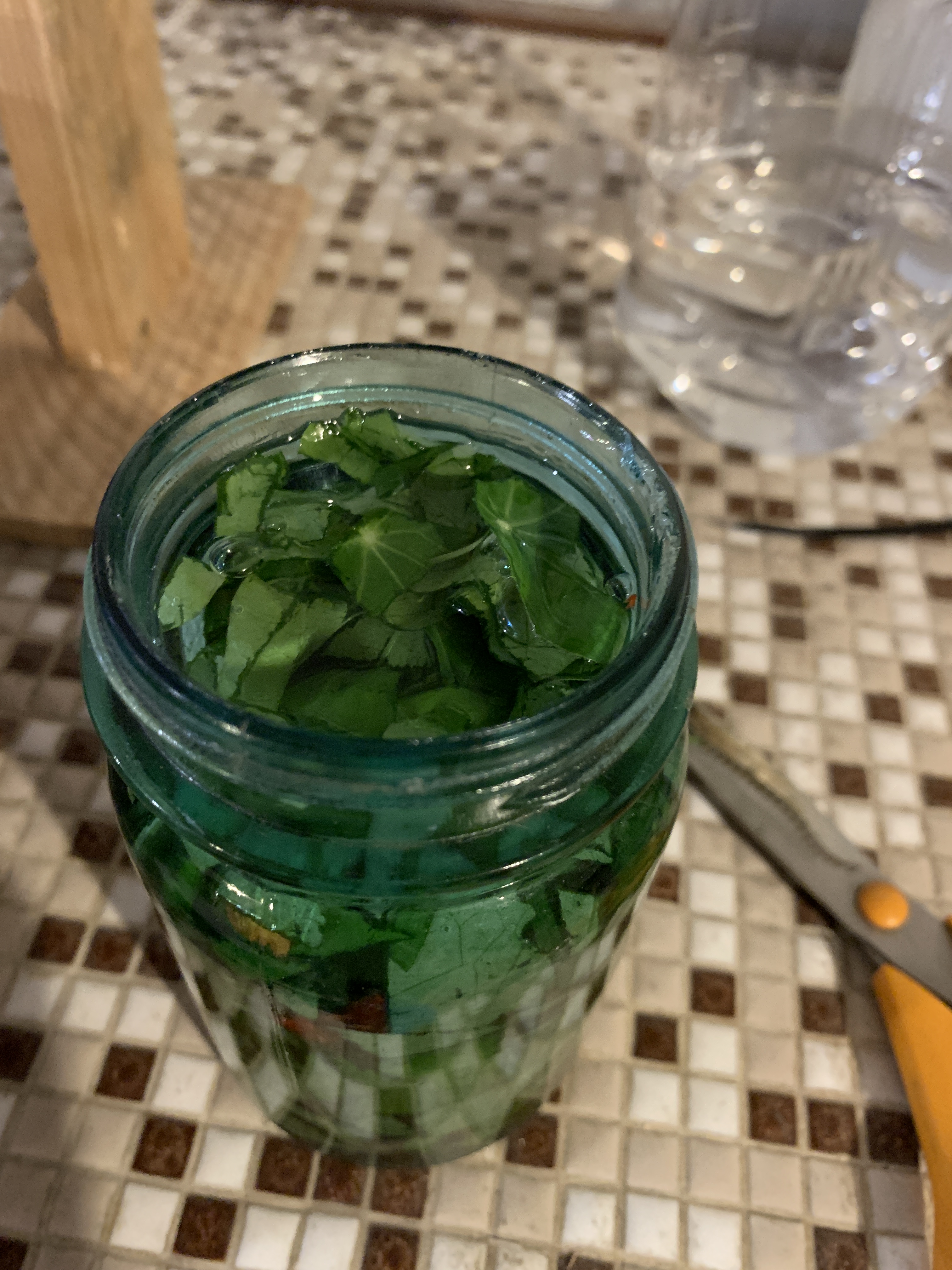
- Gather Your Supplies: You’ll need a clean jar with a tight-fitting lid, fresh nasturtium leaves and flowers (chopped), and high-proof alcohol (like vodka or grain alcohol).
- Fill the Jar: Pack the jar loosely with the chopped nasturtium leaves and flowers.
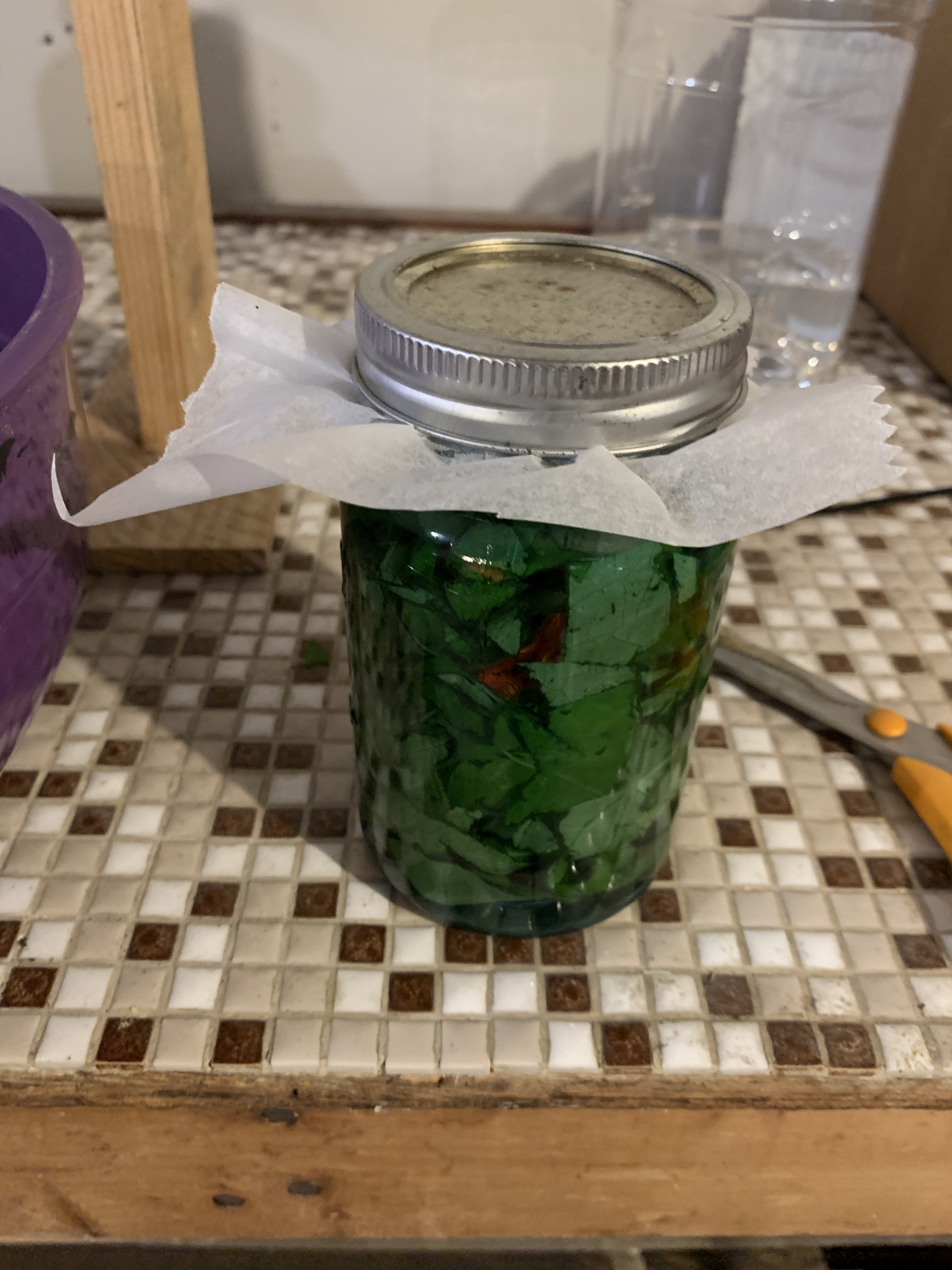
- Cover with Alcohol: Pour the high-proof alcohol over the plant material, ensuring everything is submerged.
- Label and Store: Label your jar with the date and contents. Store it in a cool, dark location for at least 6 weeks, shaking it occasionally.
- Strain and Enjoy: After 6 weeks, strain the tincture through cheesecloth or a coffee filter. You can dilute the tincture with water or juice before use (consult a qualified herbalist for specific dosage recommendations).

A Natural Approach to Wellness:
Growing nasturtiums for a natural antibiotic tincture is a rewarding way to connect with the power of plants and explore alternative approaches to well-being. While it’s important to consult with a healthcare professional before using any herbal remedy, creating your own nasturtium tincture empowers you to harness the potential benefits of this fascinating flower. So, plant those vibrant seeds, nurture your nasturtiums with care, and embark on a journey of natural wellness, one colorful bloom at a time!
Also, please stop by our facebook page and give us a “like” there. We post some additional content there, and we’re always happy to respond and answer any questions you may have! You can also find me on GAB, https://gab.com/jungerer!



 RJ Homestead
Leave a reply to jtungerer Cancel reply