
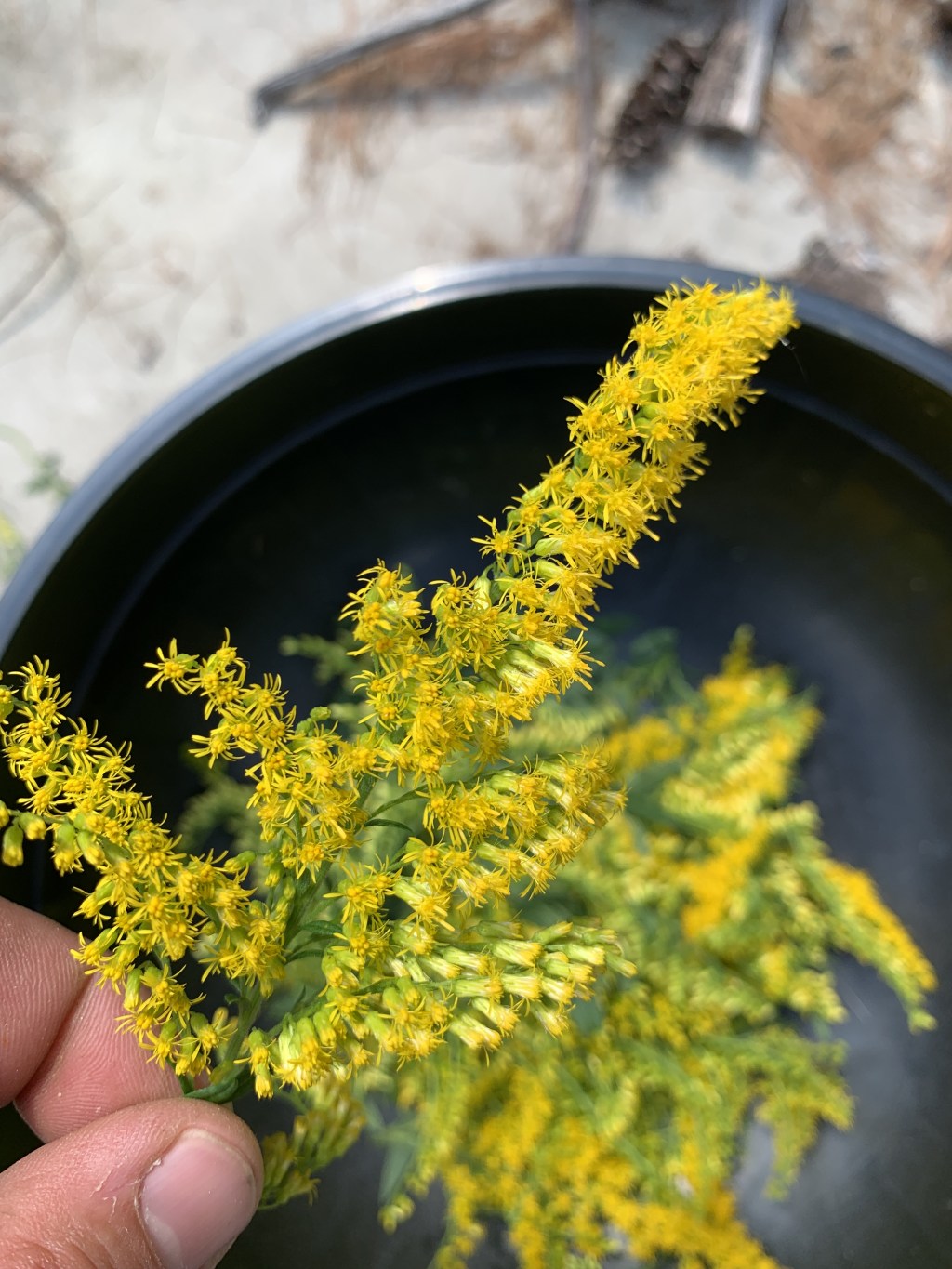
As the late summer days transition into early fall, the bright yellow plumes of goldenrod begin to grace our fields, roadsides, and gardens. For those of us who appreciate the beauty and value of this often misunderstood herb, now is the perfect time to harvest goldenrod.
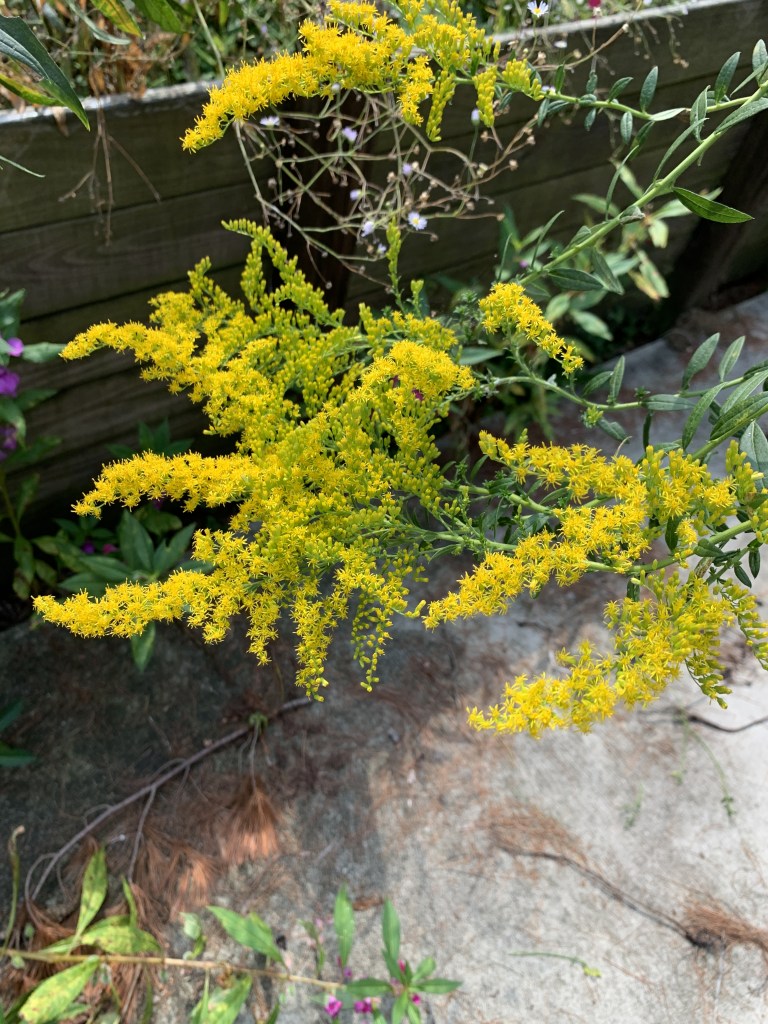
Several years ago, we collected wild goldenrod seeds to add to our herb and pollinator gardens. Those plants have established themselves nicely and are just beginning to fully open their vibrant flowers. Goldenrod is not only a visual delight, but also a valuable medicinal herb with a rich history.

A Brief History of Goldenrod
Goldenrod, of the genus Solidago, has been used for centuries in herbal medicine traditions around the world. Its Latin name means “to make whole” or “to heal,” pointing to its many therapeutic applications.
Native Americans recognized goldenrod’s healing properties and used it to treat wounds, sore throats, fevers, and respiratory issues. They called it “sun medicine” for its radiant flowers.
In the Middle Ages, goldenrod was a prized medicinal crop in the Middle East, introduced by the great Egyptian ruler Saladin. Later, it commanded high prices as a “new” herb in Elizabethan England, until it was found growing abundantly in the wild.
During the American Revolution, after the Boston Tea Party, the colonists began drinking “Liberty Tea” made from goldenrod leaves as a patriotic alternative to heavily-taxed British tea. It was even a contender for the U.S. national flower in the early 20th century.
The Medicinal Benefits of Goldenrod
Goldenrod is rich in antioxidants, saponins, and flavonoids that give it potent anti-inflammatory, antimicrobial, and diuretic properties. Here are some of its key medicinal uses:
- Urinary tract health: Goldenrod is renowned for its ability to soothe urinary tract inflammation, flush out kidney stones, and relieve urinary spasms. It strengthens and tones the bladder.
- Respiratory support: As an expectorant and decongestant, goldenrod helps clear mucus and congestion from the lungs and sinuses. It’s used for colds, flu, allergies, and sore throats.
- Anti-inflammatory action: Applied topically as an oil or salve, goldenrod reduces inflammation from injuries, sore muscles, and arthritic joints. Taken internally, it may help inflammatory digestive issues.
- Digestive aid: Goldenrod’s bitter compounds stimulate digestion and relieve gas and bloating. It has been used for diarrhea and intestinal inflammation.
- Wound healing: Historically used as a poultice for wounds, burns, and skin ulcers, goldenrod has vulnerary and antiseptic properties that aid tissue repair.
- Immune support: With its antimicrobial and diaphoretic (sweat-inducing) actions, goldenrod helps fight off infections and break fevers
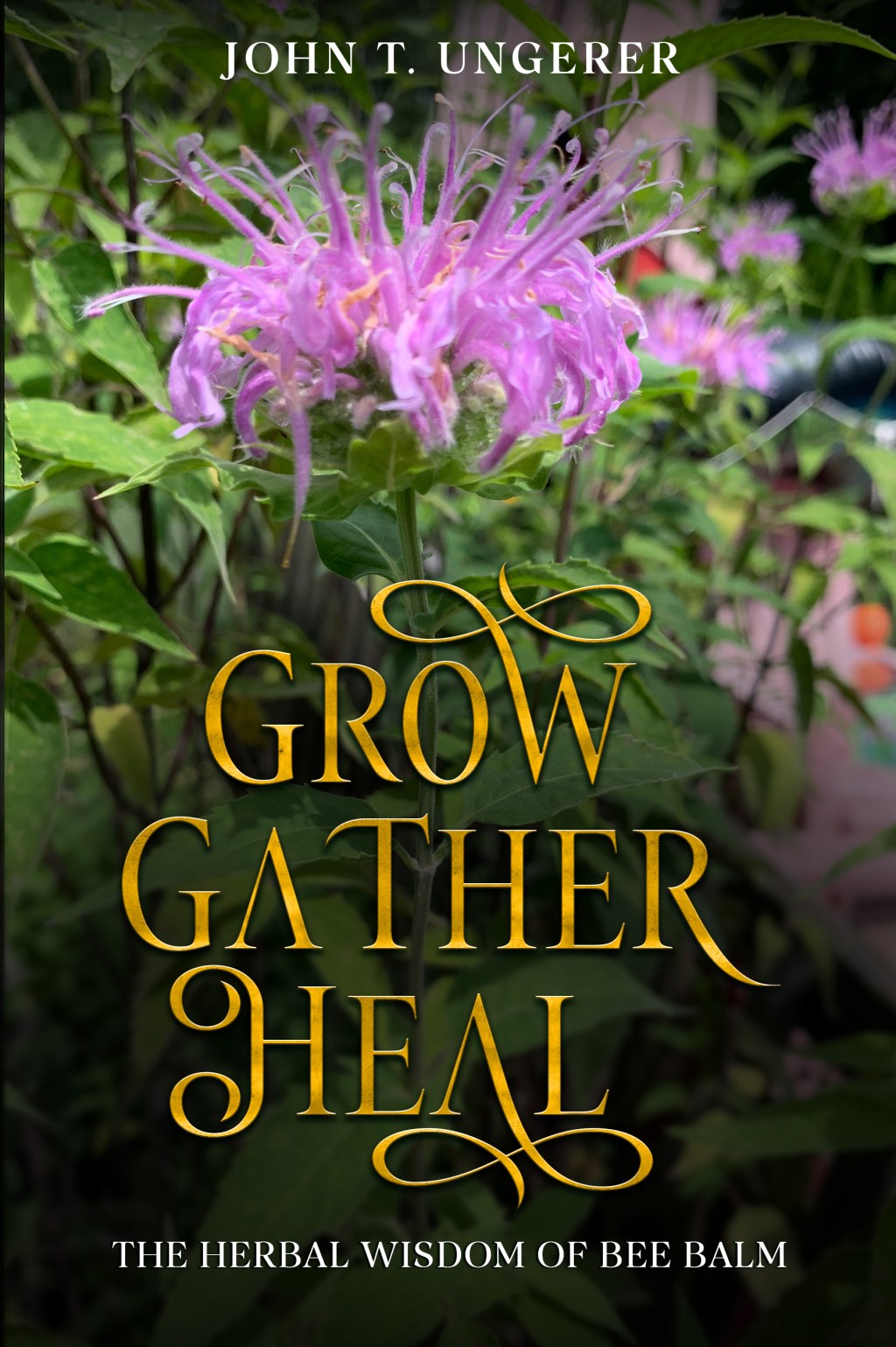
For more information on the history of this wonderful herb, or to get more detail on the medicinal benefits, and scientific studies that have been done on Goldenrod, be sure to check out my book, Grow, Gather, Heal: Goldenrod – Nature’s Unsung Hero. I do a deep dive on this amazing plant, covering just about everything you’d need or want to know.
Harvesting and Using Goldenrod
The optimal time to harvest goldenrod is when some of the flowers are fully open, but many are still in bud. Mid-morning, after the dew has dried, is ideal. Choose healthy plants in clean environments away from roads or pollution.
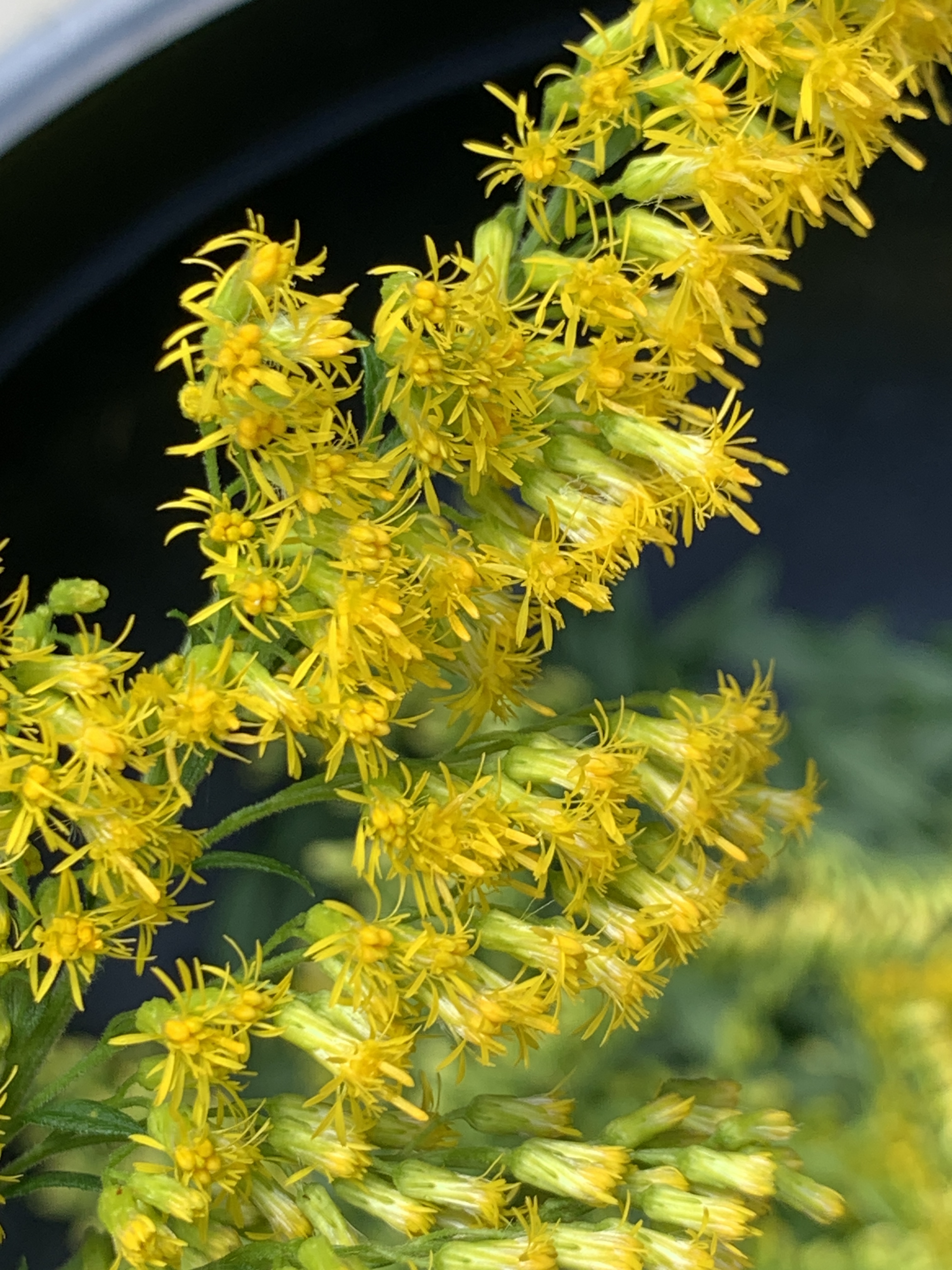

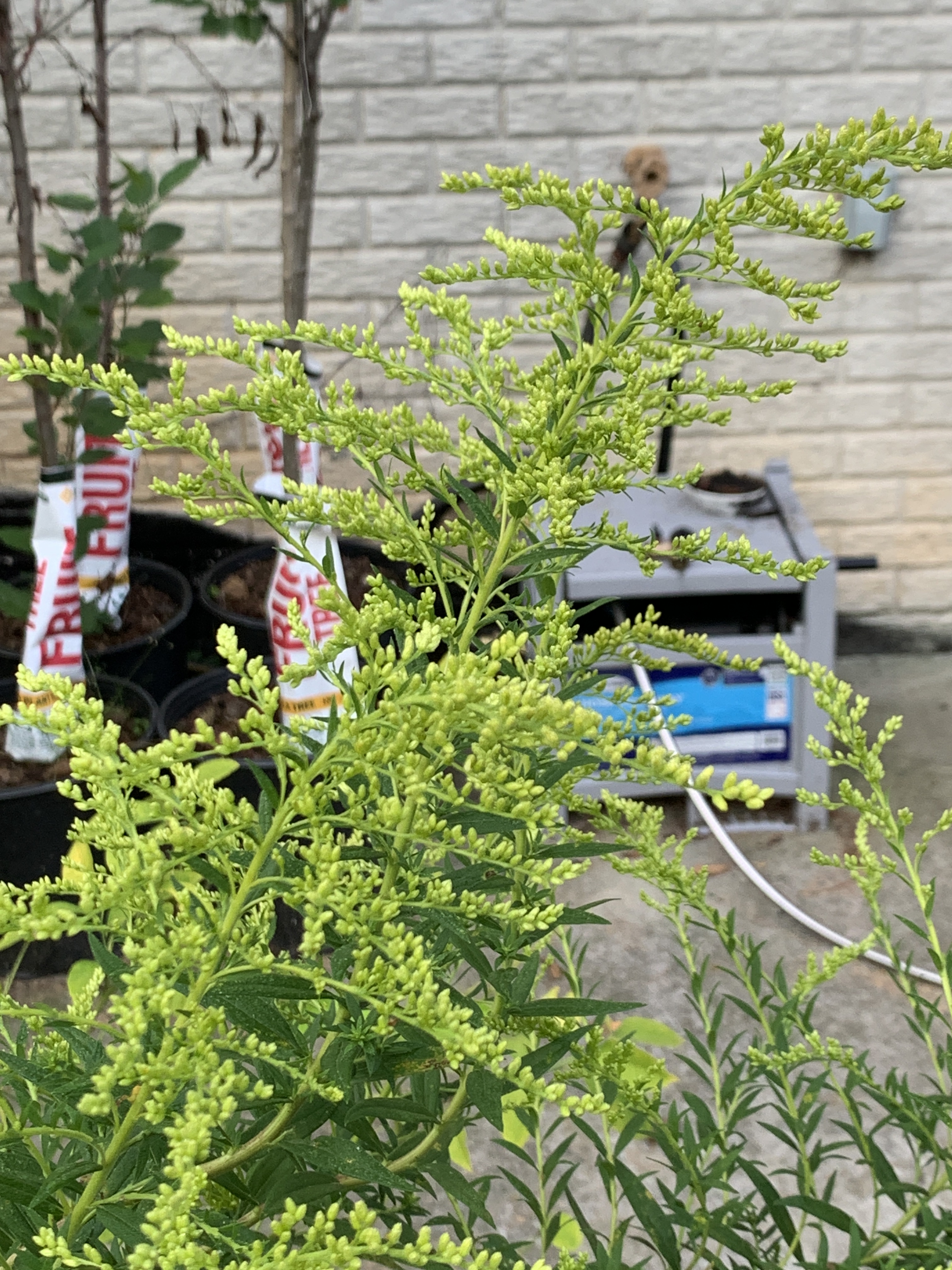
For tea and infusions, collect the flowering tops and leaves. Snip them into a basket or paper bag, then lay them out on a drying screen in a warm, airy place out of direct sunlight. Once crisp and fully dry (about 1-2 weeks), store them in airtight glass jars. Use about 1-2 tablespoons of dried herb per cup of boiling water and steep, covered, for 10-15 minutes.
To make a tincture, fill a jar halfway with chopped fresh goldenrod flowers and leaves. Pour 80-100 proof alcohol over the herb to completely cover it. Seal and let macerate for 4-6 weeks, shaking daily. Strain out the plant material and store the tincture in dark glass dropper bottles. Standard dosage is 1-2 mL, 2-3 times per day.
You can also infuse goldenrod in oil for salves and liniments. Dry the herb thoroughly first to prevent spoilage, then fill a jar and cover with olive oil or another carrier oil. Let infuse for 4-6 weeks before straining.
Goldenrod Tea
- 2-3 tablespoons fresh goldenrod flowers & leaves (or 2-3 teaspoons dried)
- 2 cups boiling water
- Honey (optional)
Steep the goldenrod in freshly boiled water, covered, for 10-15 minutes. Strain, add honey if desired, and enjoy! Drink 2-4 cups daily.
As the golden flowers of Solidago reach their peak, I hope you’ll join me in celebrating this amazing medicinal herb. Harvest some for your home apothecary, enjoy the sunny tea, and appreciate the beauty and resilience of goldenrod as summer gives way to fall. Here’s to a healthy, vibrant season ahead!
I hope you find this information helpful, and will check out our book all about Goldenrod.
Also, please stop by our facebook page and give us a “like” there. We post some additional content there, and we’re always happy to respond and answer any questions you may have! You can also find me on GAB, https://gab.com/jungerer!


 RJ Homestead
Leave a comment