
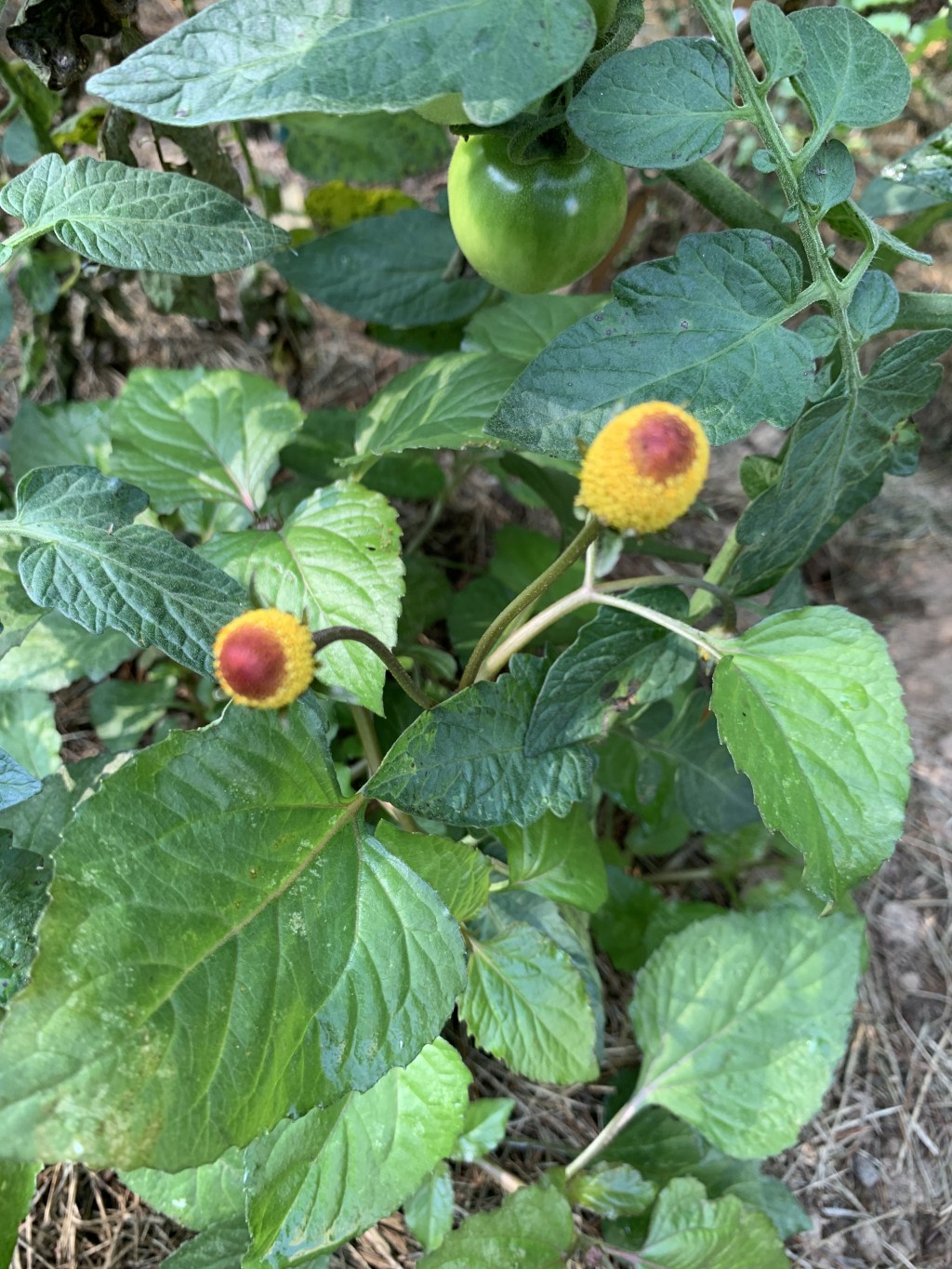
Last year, we planted Spilanthes (Acmella oleracea), also known as the toothache plant, in our herb garden. We were delighted by its unique appearance and impressive medicinal properties. This year, we were pleasantly surprised to find some volunteer Spilanthes plants popping up – a testament to the plant’s hardiness and eagerness to thrive. Never ones to waste anything, especially such a valuable herb, we set out to harvest our Spilanthes for use in home remedies.
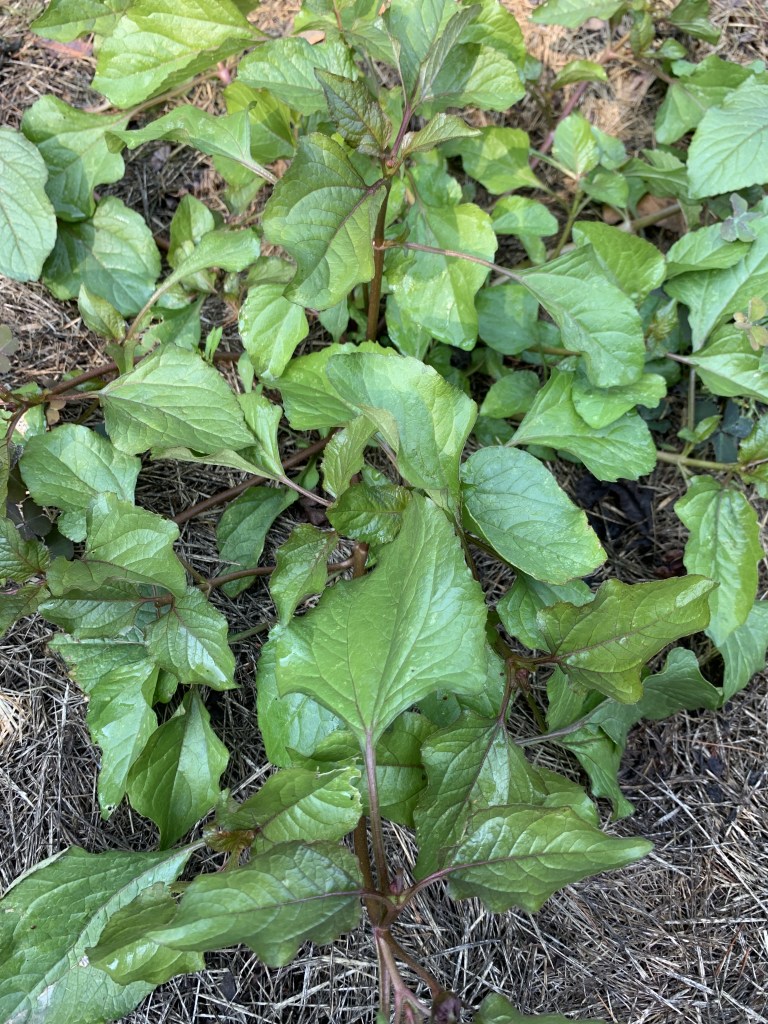
A Brief History and Origin of Spilanthes
Spilanthes is native to the tropics of Brazil and other parts of South America. It has a long history of use by indigenous peoples in the Amazon for relieving toothache pain, hence its common name. The plant later spread to other tropical regions including Africa, Southeast Asia, and northern Australia.
There is some uncertainty about the exact origins and early cultivation of Spilanthes. One theory suggests it may have arisen from the related species Acmella alba after an extended period of cultivation in South America. Portuguese explorers may have then introduced it to islands in the Indian Ocean, from where it spread to Africa in the early 1900s.
The Impressive Medicinal Benefits of Spilanthes
Spilanthes is a potent medicinal herb with a variety of traditional and modern applications, largely due to the active compound spilanthol. Here are some of its top health benefits:
– Toothache relief: The flowers and leaves have a strong numbing effect when chewed, providing temporary relief from tooth and gum pain. This local anesthetic action comes from spilanthol.
– Anti-inflammatory: Spilanthol and other compounds in the plant reduce inflammation and swelling, both externally and internally. This may help conditions like arthritis, sore throat, and skin issues.
– Antimicrobial: Spilanthes has antibacterial and antifungal properties, useful for fighting off infections. It’s used in some oral care products for this reason.
– Digestive aid: The pungent, bitter taste of the herb stimulates saliva production and digestive secretions, improving overall digestion. It may help relieve ulcers and gastrointestinal inflammation.
– Immune support: The plant’s anti-inflammatory and antimicrobial effects make it a useful immune booster, especially for colds and flu.
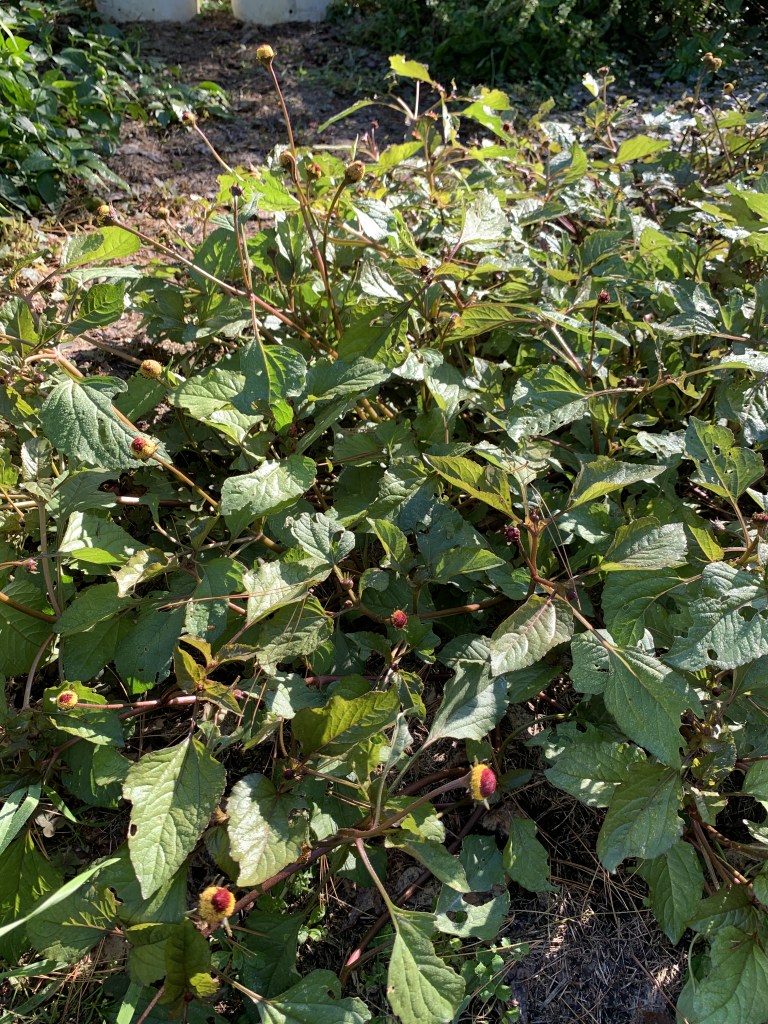
How to Harvest, Prepare, and Store Spilanthes
The leaves and flowers are the primary parts used for medicine. Harvest the aerial parts in mid to late summer when the plant is in full bloom:
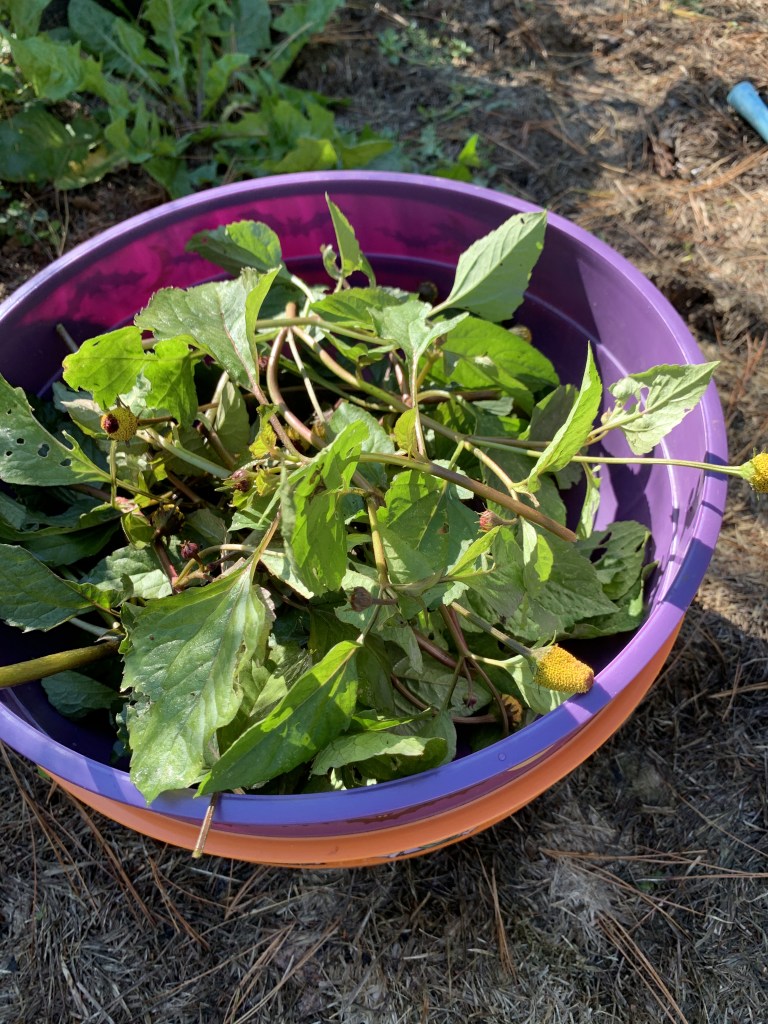
1. Use clean scissors or shears to cut the flowering stems a few inches from the ground. You can also pinch or pluck the flower heads individually.
2. Collect the stems/flowers in a basket. Aim to harvest in the morning after the dew has dried.
3. Gently rinse the plant material and pat dry if needed.
4. Hang the stems to air dry in small bundles, or lay the flower heads out on a drying screen in a single layer. (We use a dehydrator set at 95 degrees) Dry in a warm, well-ventilated area out of direct sunlight until crisp.
5. Once fully dry, store the Spilanthes in airtight glass jars in a cool, dark place. Shelf life is about 1 year. You can also freeze the fresh flowers for longer-term storage.
Spilanthes Tincture Recipe
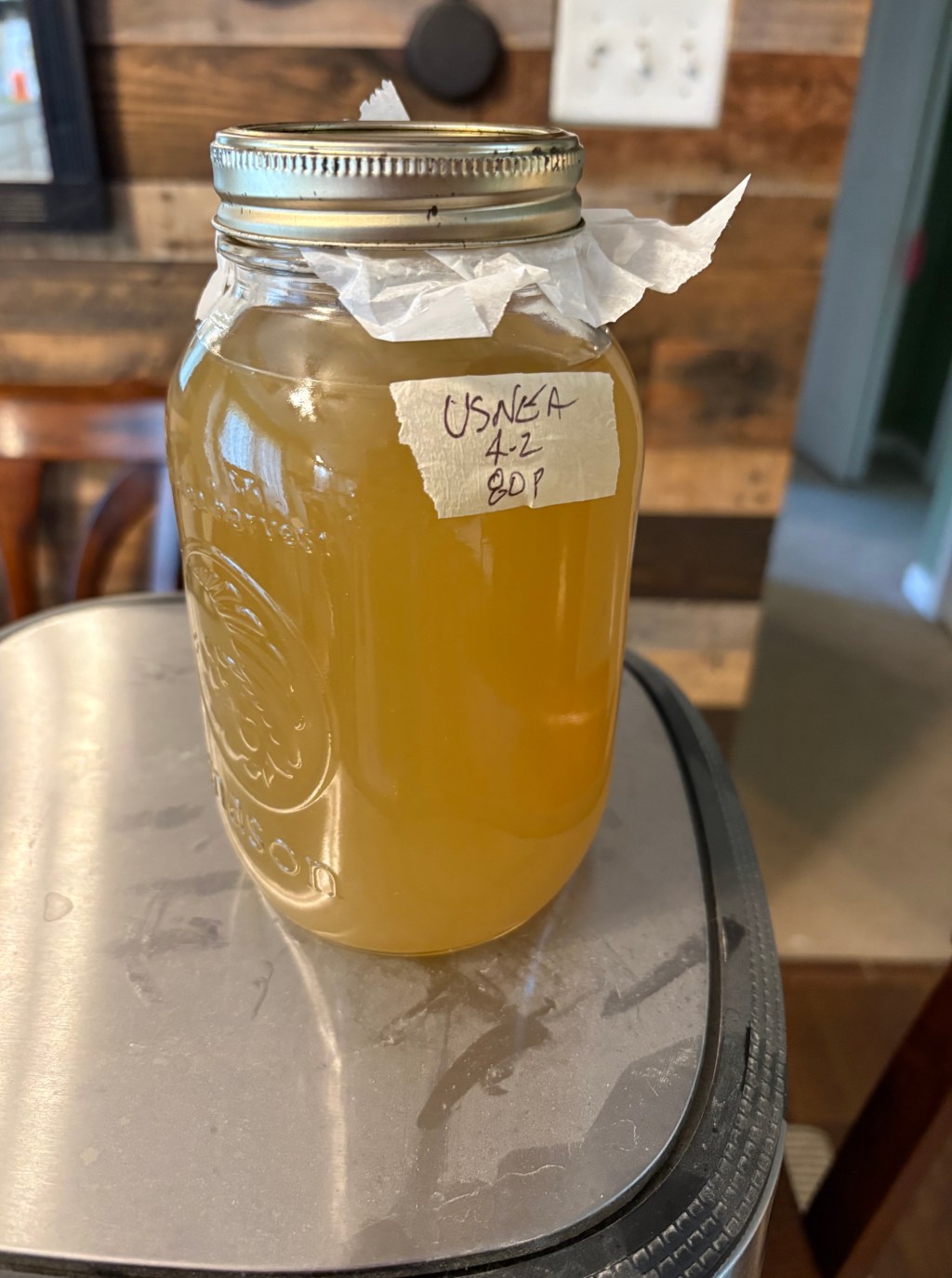
A tincture captures the medicinal properties of Spilanthes for easy use. Here’s how to make it:
Ingredients:
– 1 cup fresh Spilanthes flowers and leaves (or 1/2 cup dried)
– 2 cups high-proof alcohol like vodka or brandy
Instructions:
1. Chop the Spilanthes and pack into a clean glass jar.
2. Pour the alcohol over the herb until completely covered. Cap tightly.
3. Let the mixture steep for 4-6 weeks in a cool, dark place. Shake the jar daily.
4. Strain out the plant material and store the tincture in dark glass dropper bottles.
5. Take 1-2 mL of the tincture up to 3 times per day, or as needed for tooth/mouth pain.
The intense tingling and numbing sensation from Spilanthes is unlike anything else in the herb world. While it takes some getting used to, this unassuming flower packs an impressive punch when it comes to natural pain relief and oral health. We’re thrilled to have this potent plant volunteering in our garden and look forward to enjoying its medicinal benefits for years to come. If you have a chance to grow Spilanthes, we highly recommend giving it a try – your teeth will thank you!




Leave a Reply