

As the leaves begin to turn and there’s a chill in the air, we’re reminded that cold and flu season is just around the corner. This year, we’re taking a proactive approach to our family’s health by preparing our own herbal remedies, including homemade horehound cough drops. Thanks to a generous friend who allowed us to harvest from their wild horehound patch, and our own garden’s bounty, we had plenty of this powerful herb to experiment with. It’s our first attempt at making DIY cough drops, and we’re thrilled with the results!

A Brief History of Horehound
Horehound (Marrubium vulgare) has a rich history dating back to ancient Egypt. The herb was so valued that it was listed in the Ebers Papyrus, one of the oldest known medical texts. Ancient Greeks and Romans used horehound for respiratory ailments and as an antidote to poison. Throughout the Middle Ages, it was a common remedy in European monasteries and herb gardens. By the 1800s, horehound had made its way to North America, where it became a popular ingredient in cough syrups and candies.
I wrote a book all about horehound earlier this year that really deep dives into the history of the herb, along with what research that has been done. You can find that here on Amazon.
Medicinal Benefits of Horehound
Horehound is renowned for its expectorant properties, making it excellent for treating coughs and respiratory issues. It helps to:
1. Loosen and expel mucus from the lungs
2. Soothe sore throats
3. Reduce inflammation in the respiratory tract
4. Provide mild pain relief
5. Support digestive health
The herb contains marrubin, a compound that stimulates bronchial secretions, helping to clear congestion. It also has antimicrobial properties, which can aid in fighting off infections.
Our Horehound Cough Drop Varieties
We decided to create two different varieties of cough drops to address various symptoms:
1. Horehound, Mullein, and Mint: This combination offers powerful expectorant action from the horehound and mullein, while the mint provides a soothing, cooling effect that can help ease sore throats.
2. Horehound, Mullein, and Wild Violets: This blend combines the expectorant properties of horehound and mullein with the soothing, anti-inflammatory benefits of wild violets, which can help reduce irritation in the throat and respiratory tract.
Our Cough Drop Making Process
Making our own cough drops was an exciting adventure in herbal medicine and candy making. Here’s a detailed look at our process:
1. We began by gathering the herbs from our stock that we dried this past summer.
2. We packed them into wide-mouth canning jars. We filled the quart jars about half way. For our mint variety, we used 3/4 horehound, 1/4 mullein, and a small handful of mint leaves. For the wild violet version, we used the same proportions of horehound and mullein, with a handful of wild violet flowers.
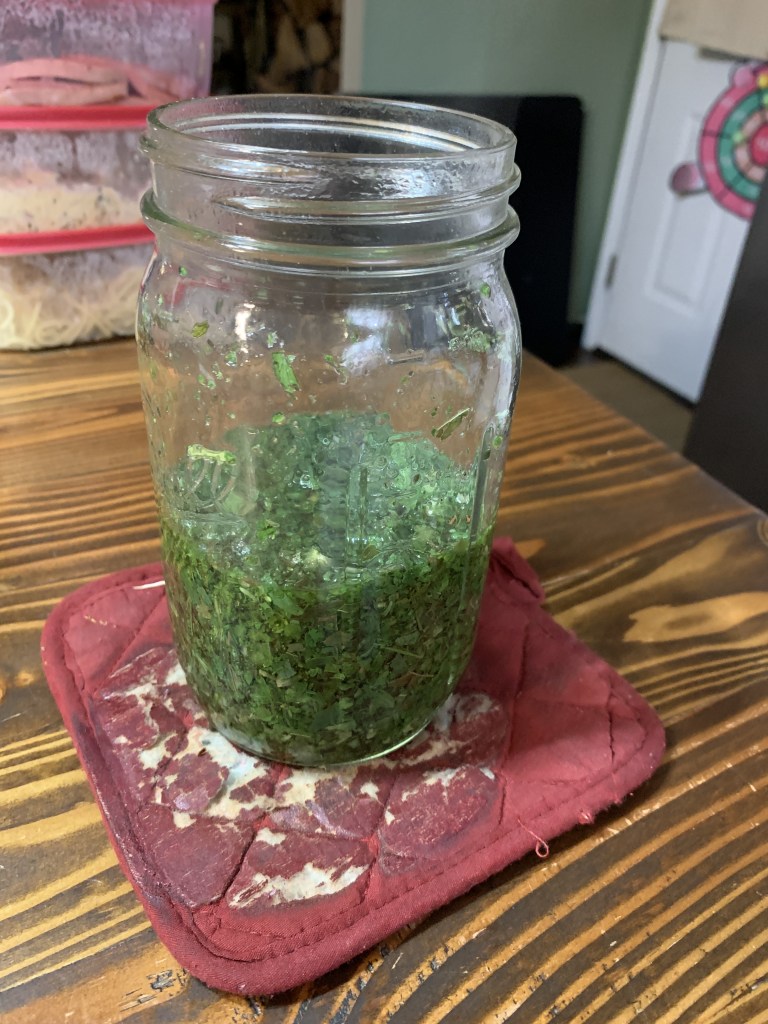
3. We poured 1 1/2 cups of boiling water over the herbs in each jar, covered them, and let them steep for 20 minutes. The kitchen filled with the aromatic, slightly bitter scent of the herbs.
4. After steeping, we strained the liquid through cheesecloth into a large, non-reactive pot. We made sure to squeeze every last drop of the herbal infusion from the cheesecloth.
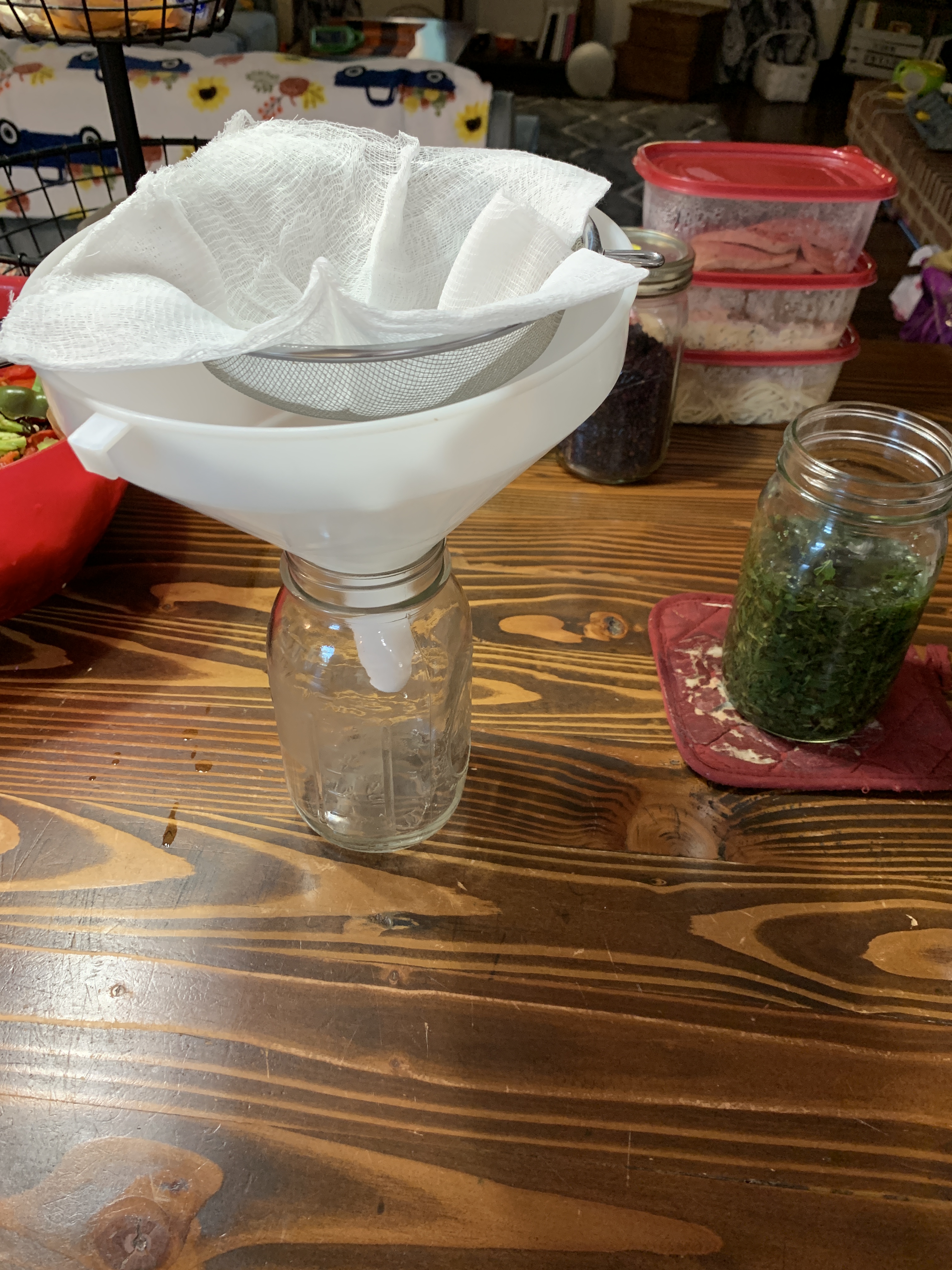
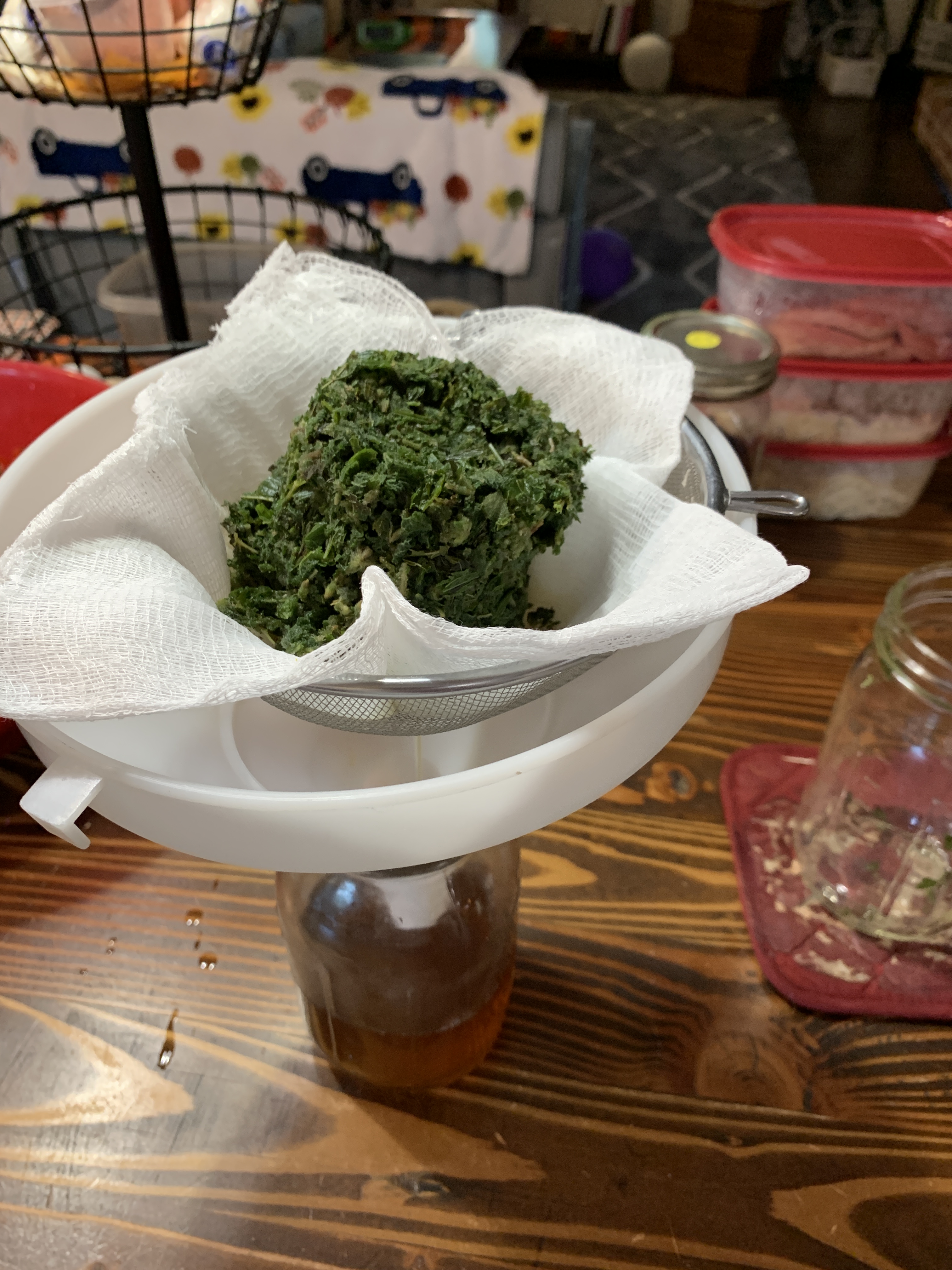
5. To the herbal infusion, we added 2 cups of sugar and 2 tablespoons of local honey. We chose to use organic cane sugar, but you could experiment with other natural sweeteners. Horehound can have a strong bitter flavor, so you can add additional honey if desired to soften the flavor. I ended up using 4 tablespoons of honey when it was all said and done.
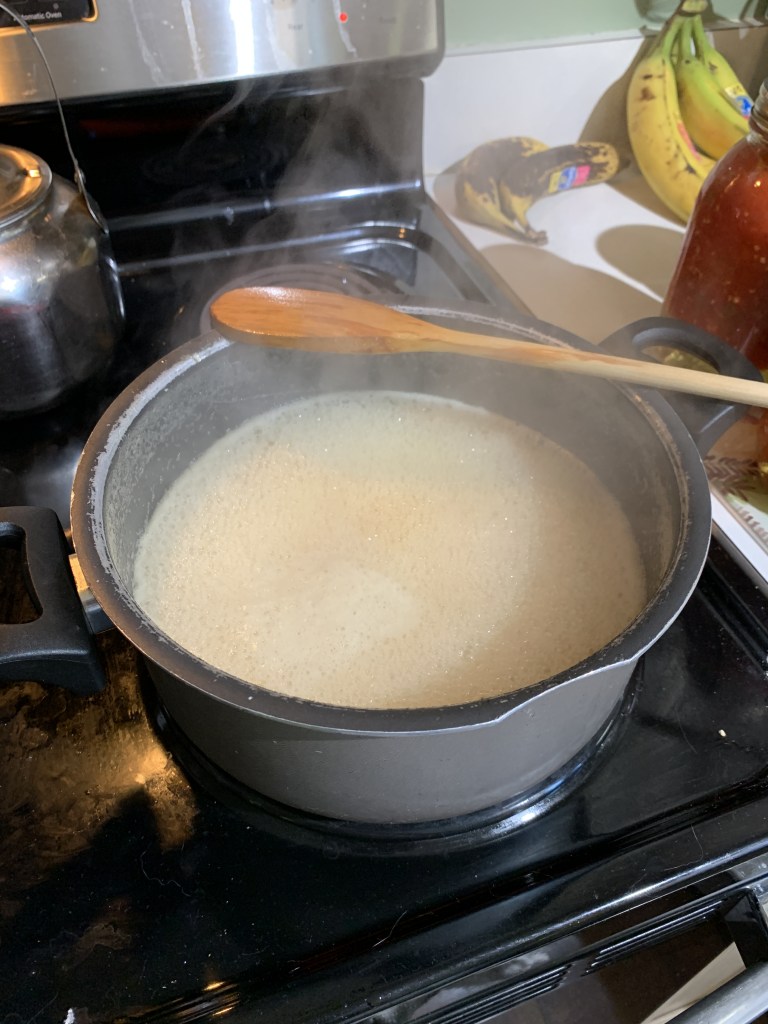
6. We brought the mixture to a boil over medium-high heat, stirring occasionally with a wooden spoon to prevent scorching. This is where patience comes in handy – it takes time for the mixture to reach the right temperature! About 40 minutes for us.
7. We continued boiling until the mixture reached the hard-crack stage (330°F). We used a candy thermometer for accuracy, but also tested the consistency by dropping small amounts into cold water. When the drops formed hard, brittle threads that cracked when bent, we knew it was ready.

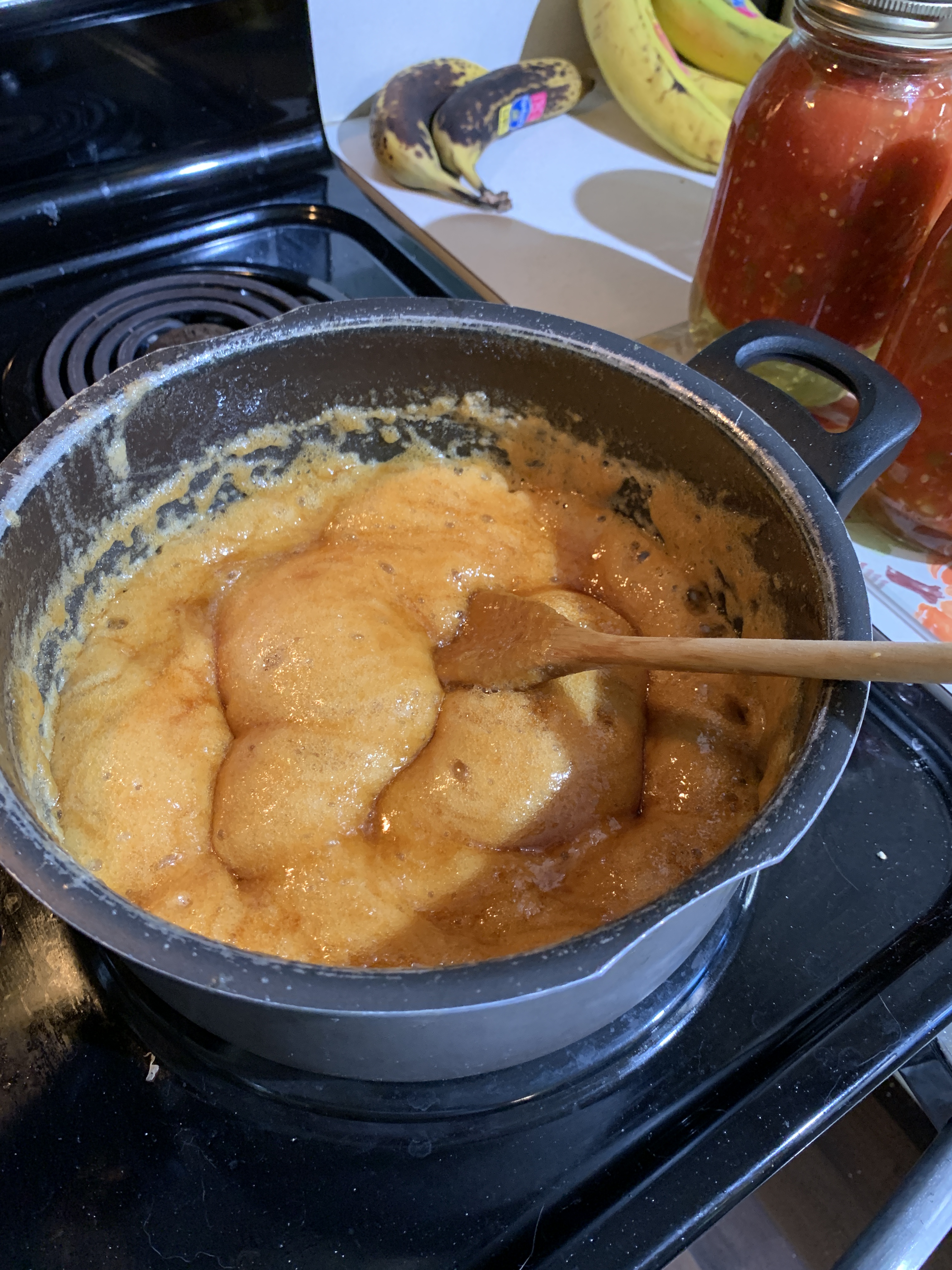
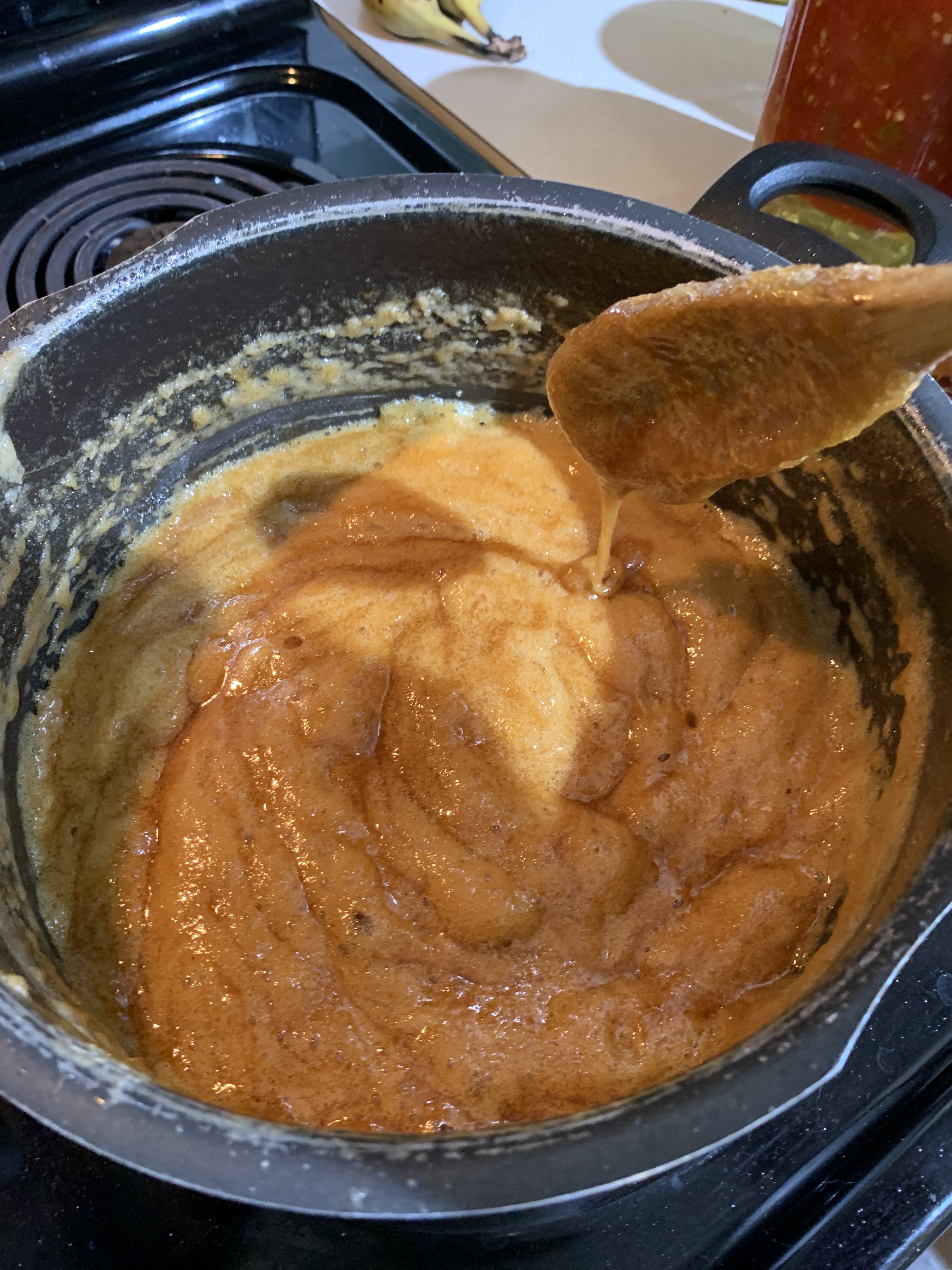
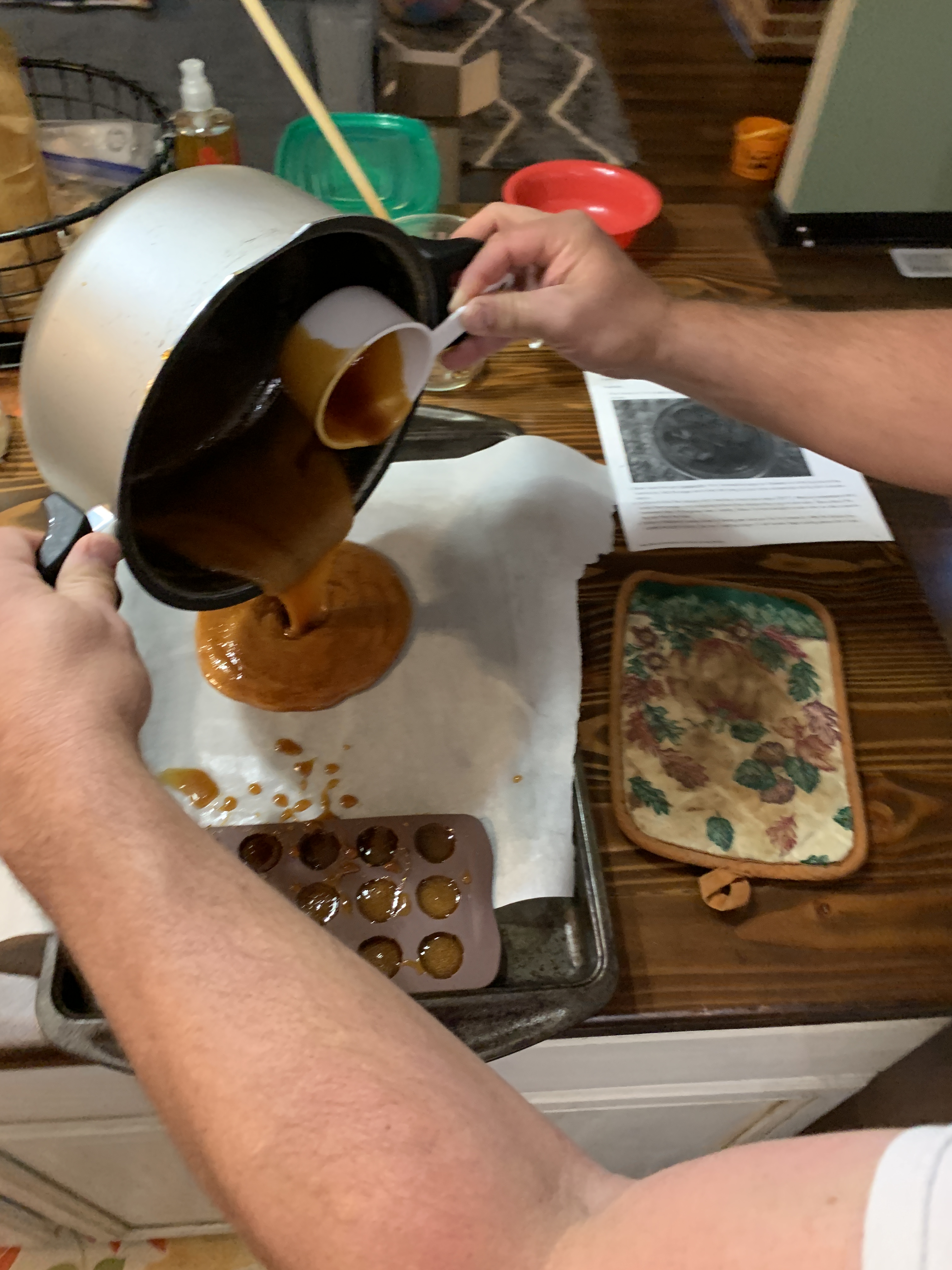
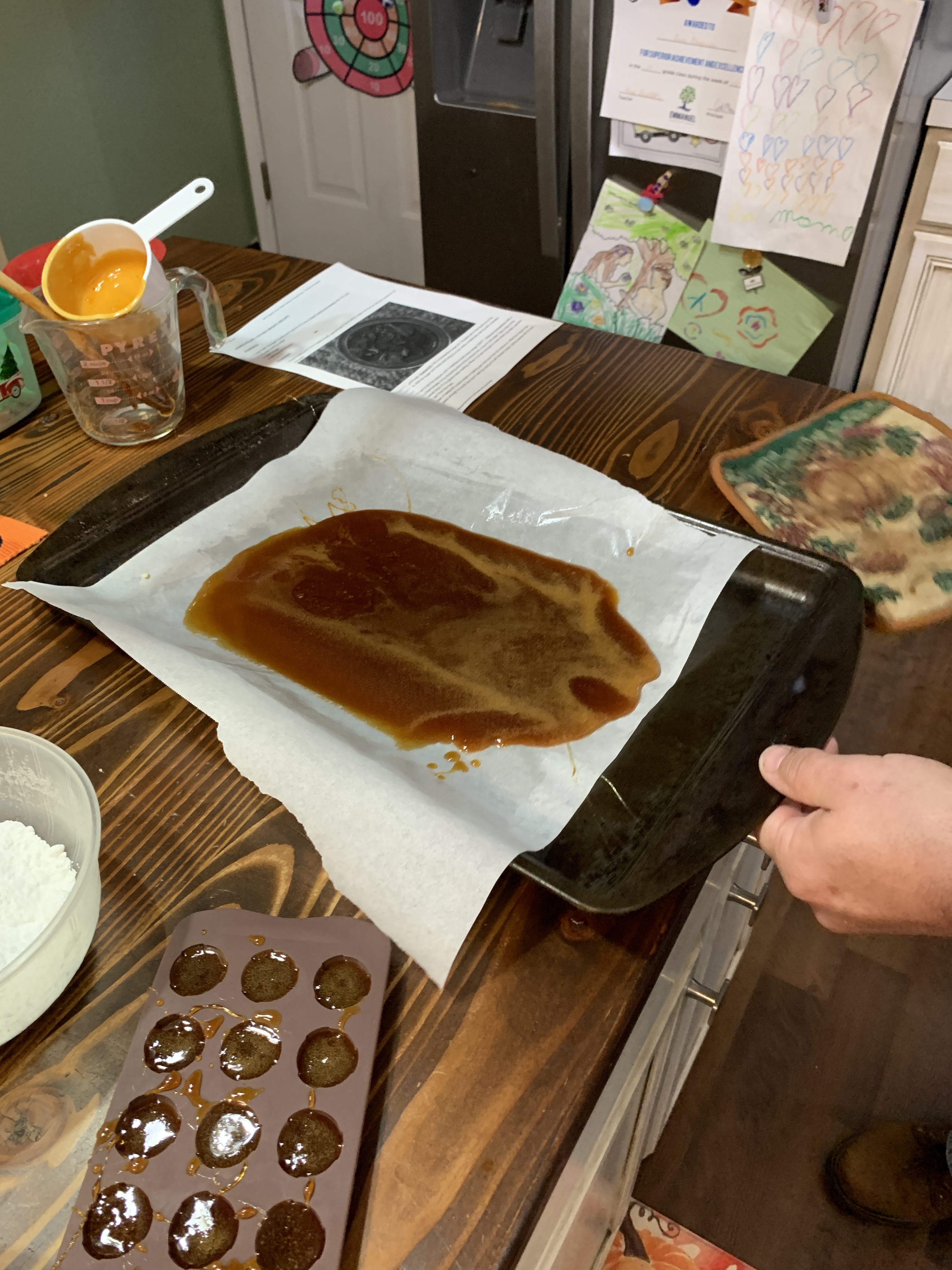
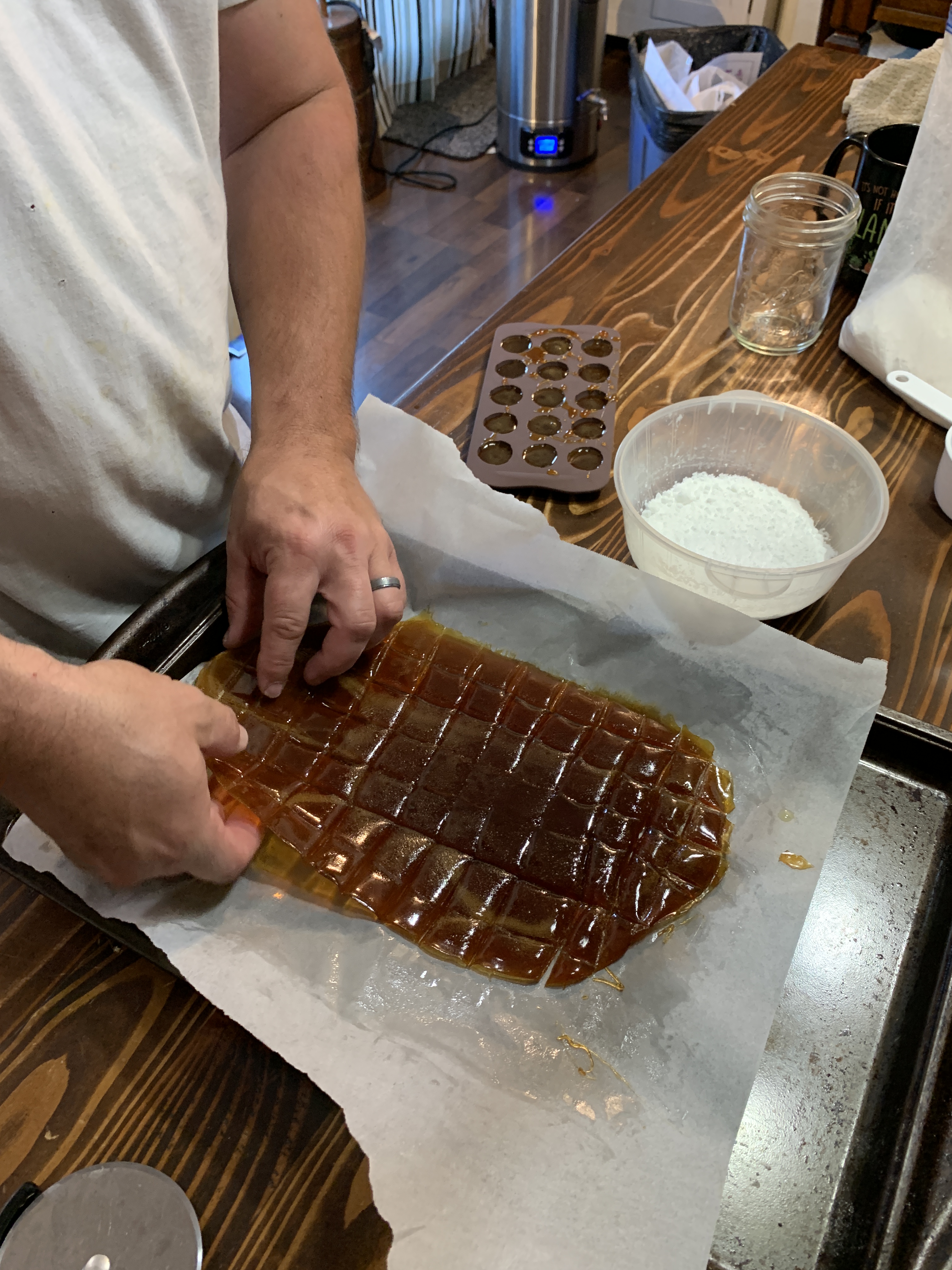
8. Working quickly, we poured the hot mixture onto a buttered parchment paper on a cookie sheet. I also filled a small silicone mold to see which way we liked. As it began to cool and become manageable, I used a pizza cutter to score the mixture into bite sized pieces. I had to score it a couple of times to keep my lines in place as it cooled.
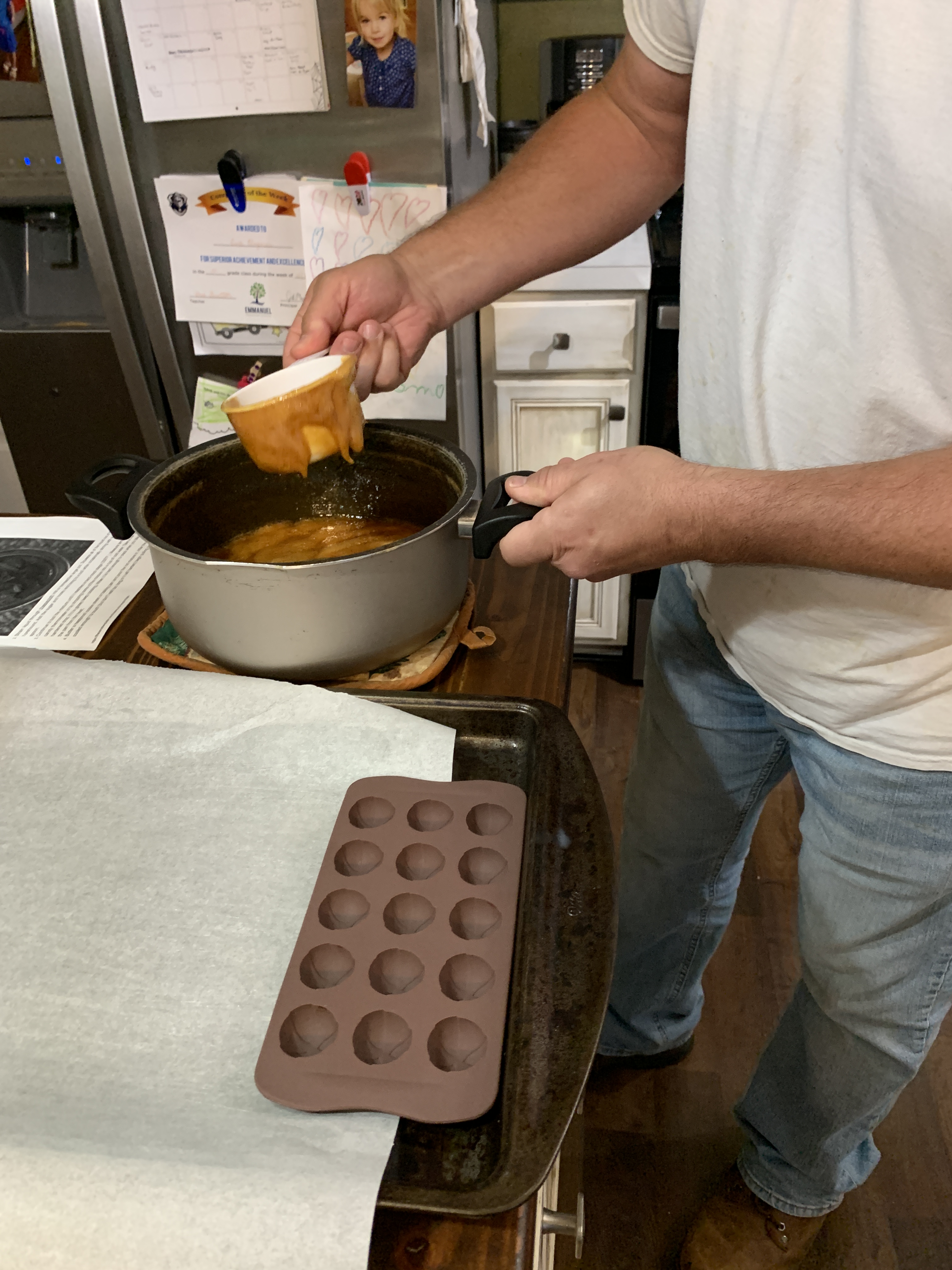
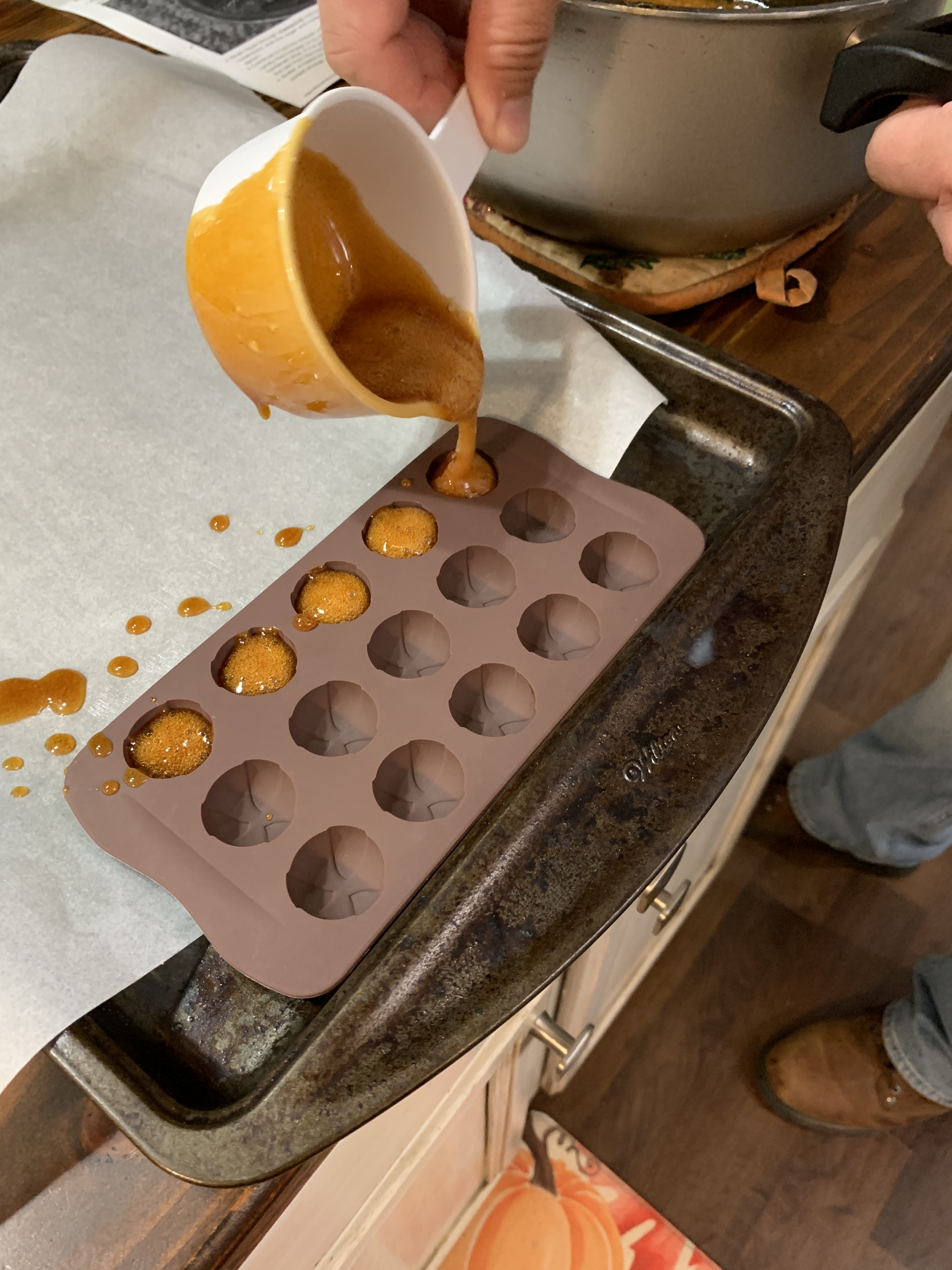
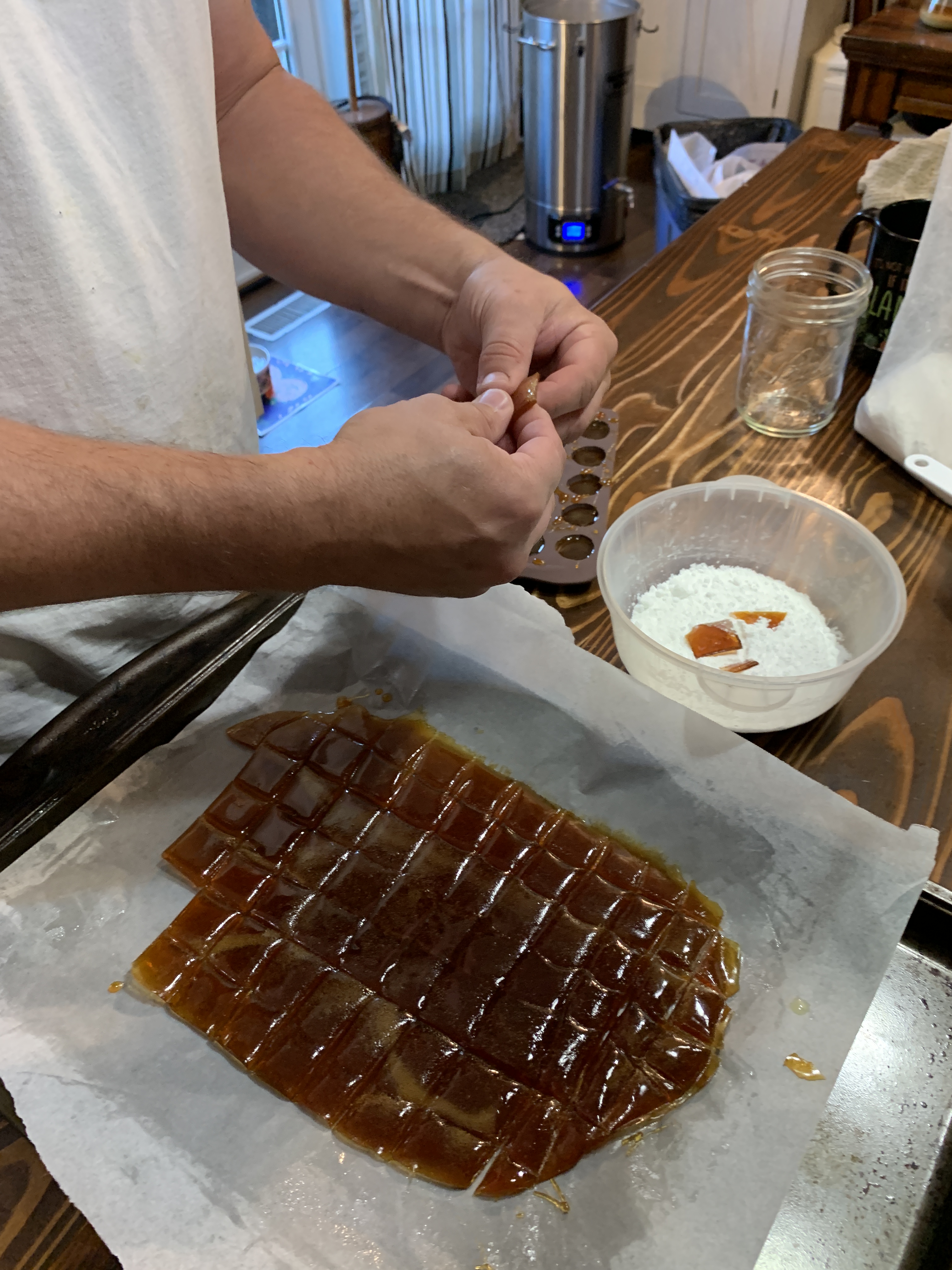
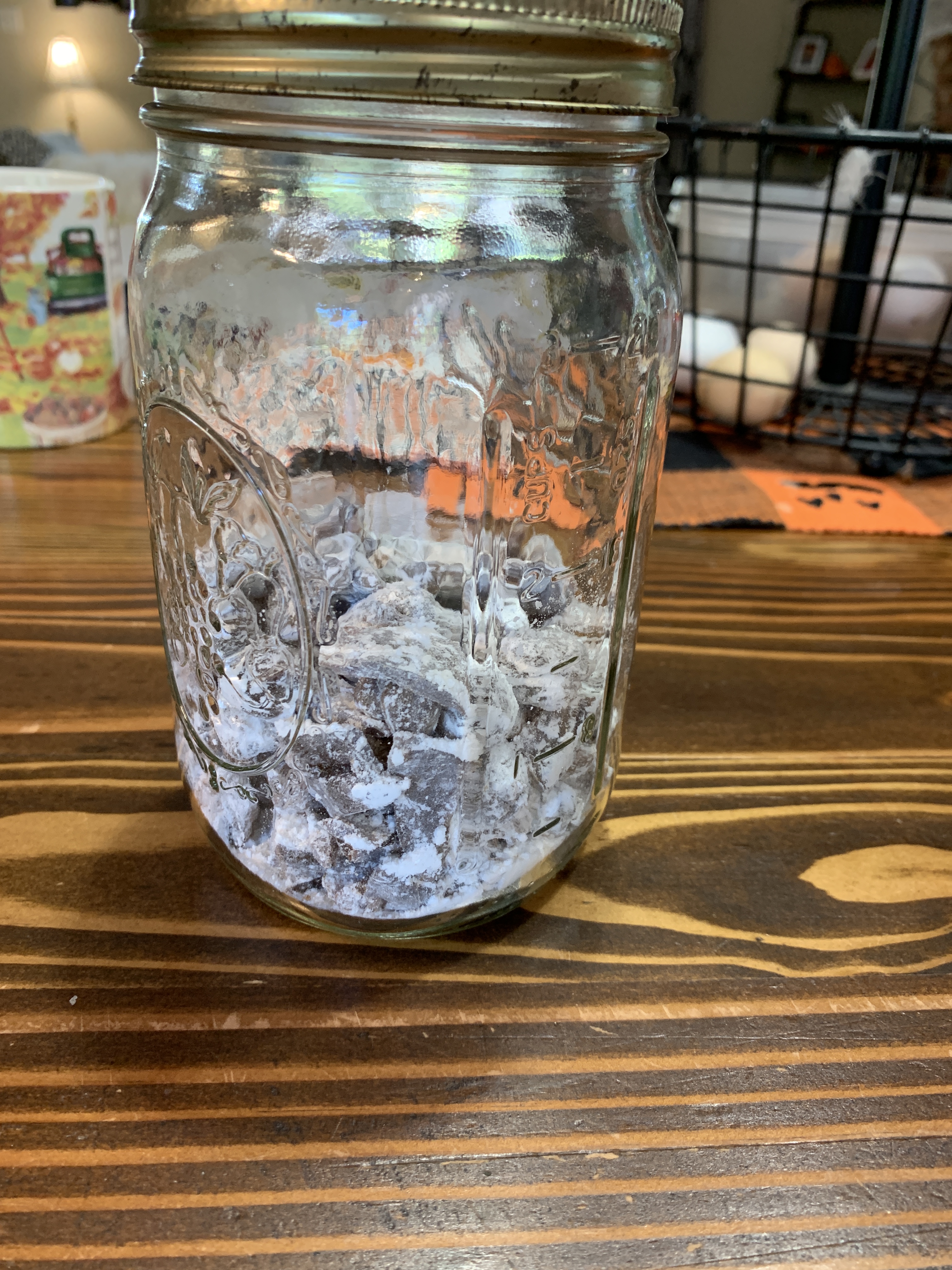
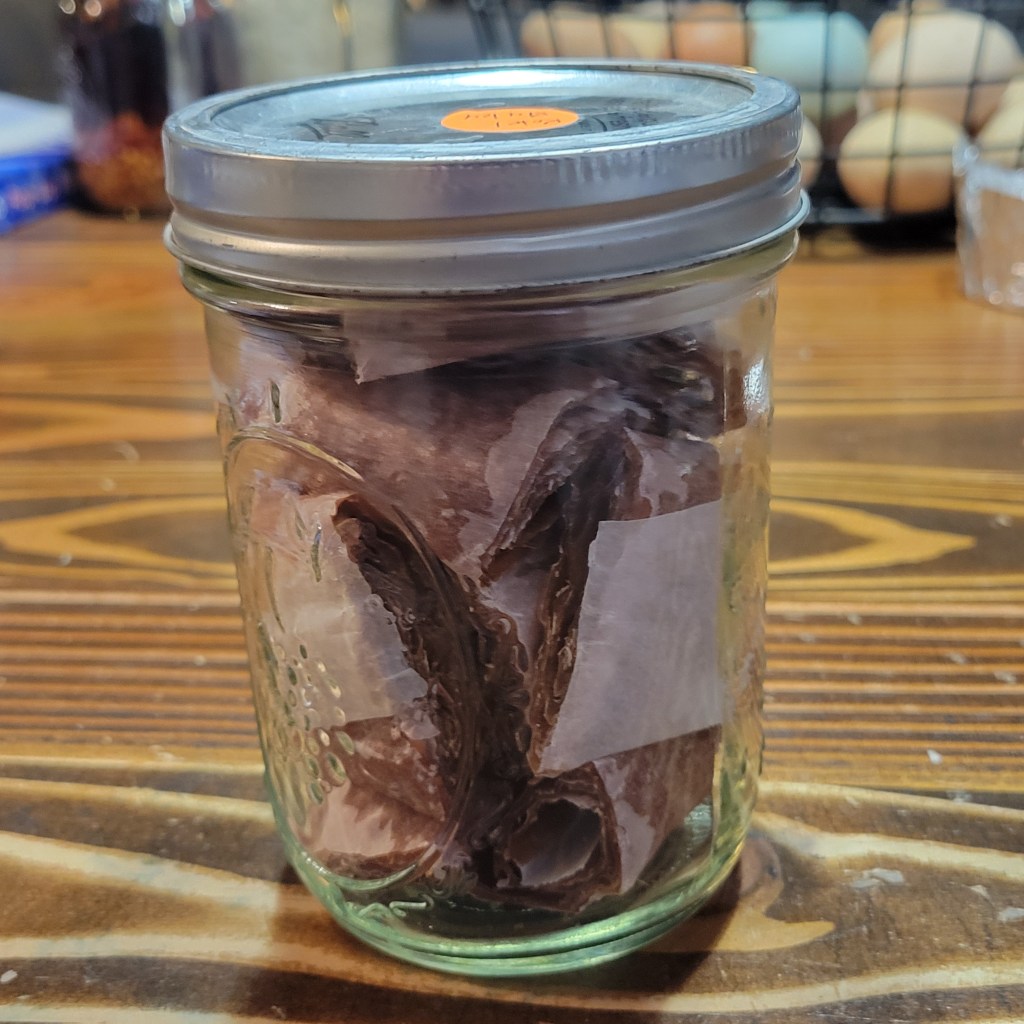
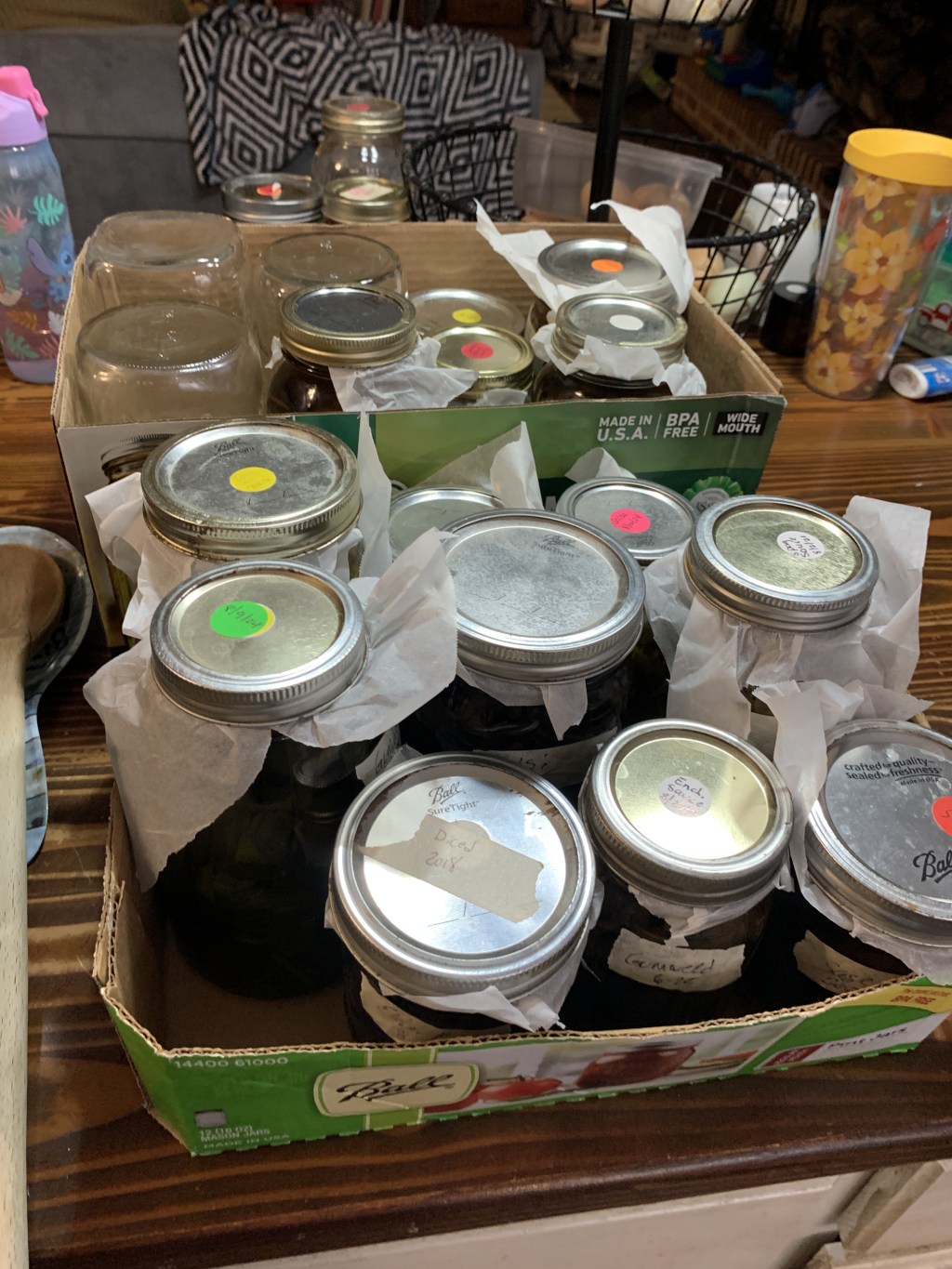
9. Once cooled completely, I was able to break apart the scored pieces and pop the drops out of the silicone mold. The mold is hands down easier to deal with. As we separated the pieces we tossed them in powdered sugar to prevent them from sticking together. We stored our homemade cough drops in airtight containers, mason jars, ready for the first signs of a winter cold.

Basic Horehound Cough Drop Recipe
For those ready to try their hand at making horehound cough drops, here’s the basic recipe we followed:
Ingredients
• 1 cup fresh foraged horehound leaves (If buying dried horehound leaves use 1/2 cup).
• 1 ½ cups boiling water
• 2 cups sugar
• 2 tablespoons honey
Procedure
1. Pack horehound into a wide mouth canning jar. Pour boiling water into the jar and let it steep for 20 minutes.
2. Strain liquid through cheesecloth into a nonreactive large pot. Squeeze all of the liquid out of the horehound. Add the sugar and honey and bring to a boil while occasionally stirring with a wooden spoon.
3. Continue to boil the mixture until it reaches a hard-crack stage (330°F ). Measure temperature with a candy thermometer or by dropping some of the mixture into a cup of cold water. Take a bite of the hardened drop. If it is gooey keep cooking. When it is hard enough to crack when you bite it remove the pan from the heat.
4. Butter a heatproof cookie sheet or baking pan and pour the hot mixture in. After the mixture has cooled enough to touch (but don’t wait too long or it will harden) begin pulling pieces off of it and rolling them in your hands into balls then slightly flatten them.
5. Let them cool then store in a moisture proof container.
Conclusion
Making our own horehound cough drops was a rewarding experience that connected us to centuries of herbal healing traditions. Not only do we now have a natural remedy on hand for the upcoming cold and flu season, but we also gained a deeper appreciation for the healing power of plants growing in our own backyard. We encourage you to explore the world of DIY herbal remedies this season. With a little patience and some simple ingredients, you can create effective, natural cough drops that are free from artificial additives and tailored to your family’s needs. Here’s to a healthy winter season, powered by the healing magic of herbs! And don’t forget to check out my book all about horehound, here!
Also, please stop by our facebook page and give us a “like” there. We post some additional content there, and we’re always happy to respond and answer any questions you may have! You can also find me on GAB, https://gab.com/jungerer!



 RJ Homestead
Leave a comment