
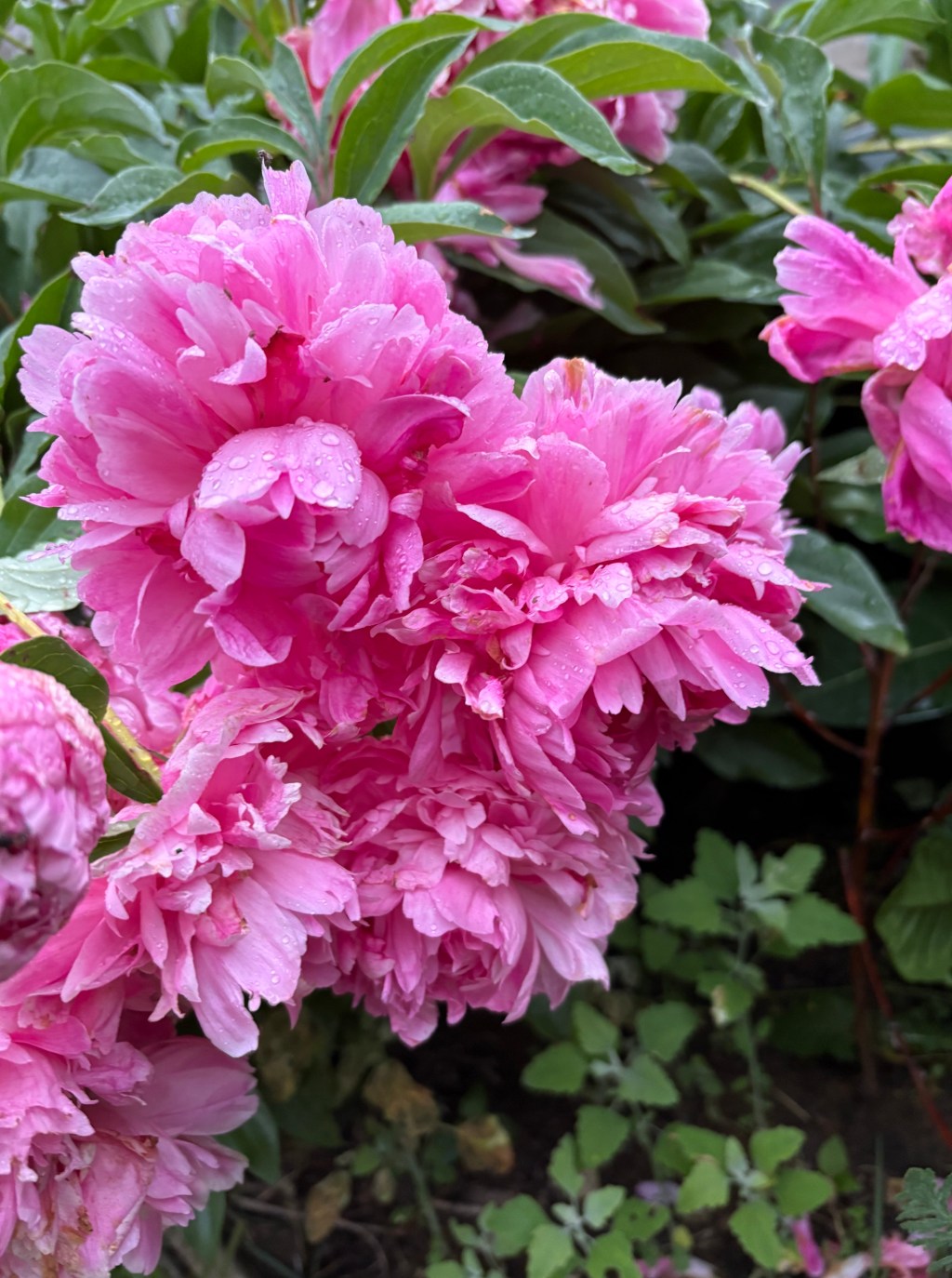
Every spring, our peonies remind us why old-fashioned flowers still deserve a place in the garden. Their huge, fragrant blooms are one of the highlights of the season, and here on our homestead we look forward to them every single year. We grow both pink and white peonies, and while they are stunning in a vase, we also love finding simple ways to use what the garden gives us.
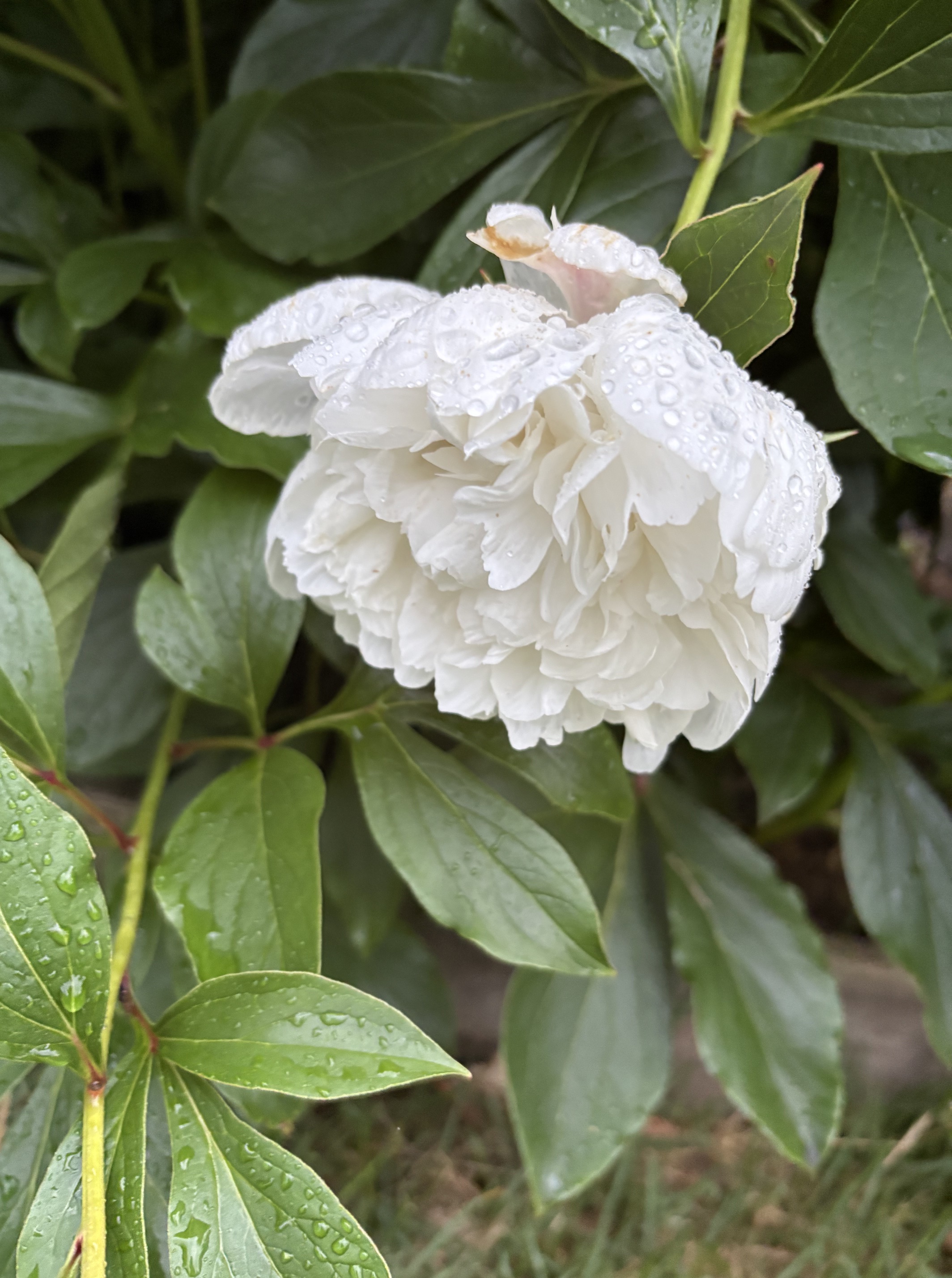
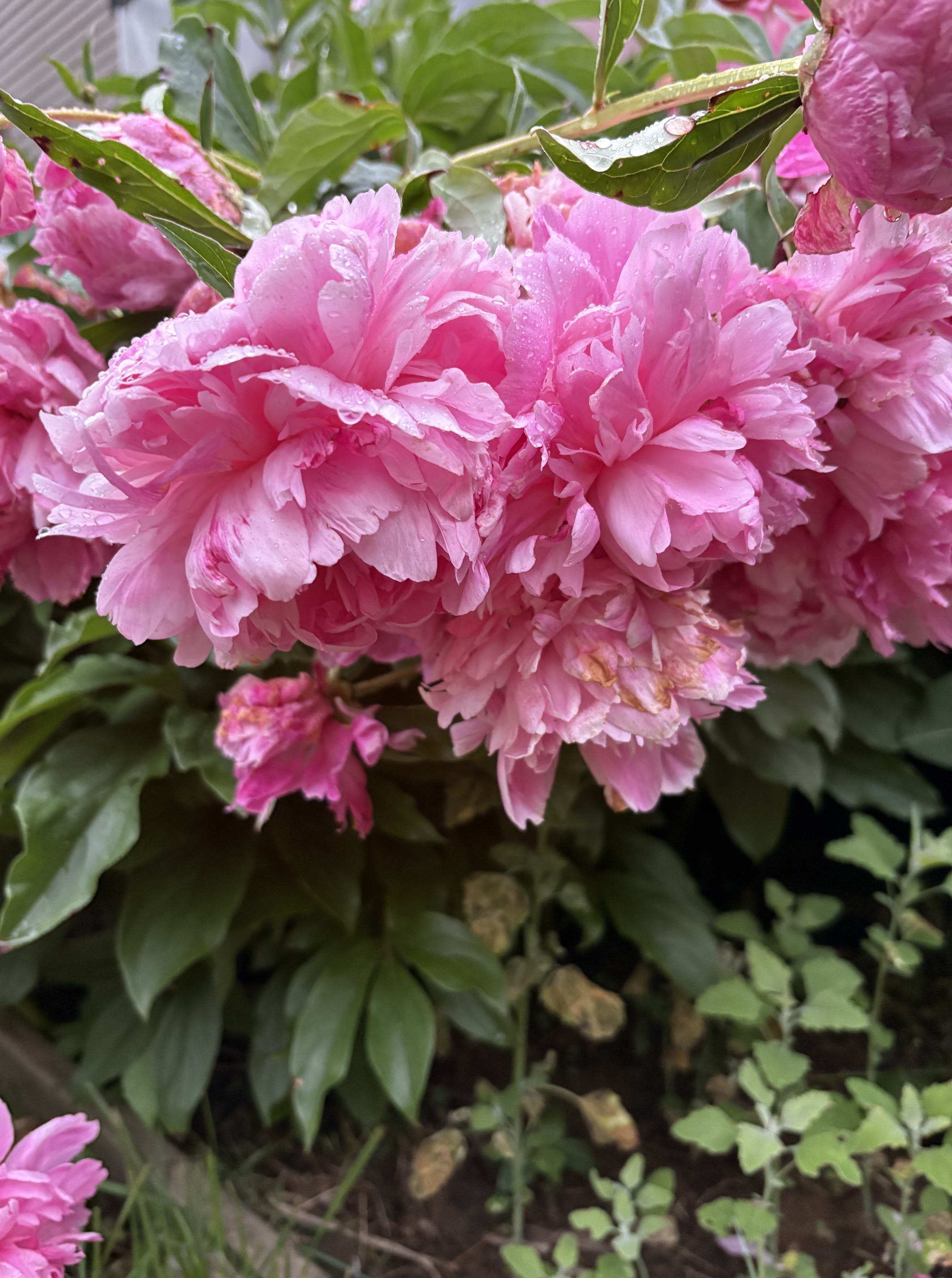
Peony has a long history as both an ornamental and a medicinal plant. For generations, different types of peony have been valued in traditional herbal practices, especially the root, for calming, soothing, and supportive uses. We do keep those traditions in mind, but the truth is, we do not need peony medicinally right now. And around here, if something beautiful and useful is blooming in abundance, we do not let it go to waste — we make jelly.
There is something a little magical about turning a basket of soft petals into jewel-toned jars for the pantry. Peony jelly is light, floral, delicate, and beautiful on fresh bread, biscuits, or even spooned over yogurt. It is one of those recipes that feels old-fashioned, practical, and just plain joyful all at once.
A Brief History of Peony
Peonies have been loved for centuries, both for their beauty and for their place in traditional plant lore. They have deep roots in old garden traditions and have been especially treasured in Asia and Europe, where they were grown not only as ornamentals but also as plants of value in the home apothecary.
Today, most people know peonies simply as a beloved spring flower, but they carry a much older story. They are one of those plants that bridge beauty and usefulness so perfectly, which is probably part of why so many gardeners keep making room for them year after year.
Peony in Traditional Herbal Use
Traditionally, peony has been associated with calming and supportive herbal uses, particularly the root rather than the flower petals. In older herbal systems, peony was often respected as a soothing plant and was used in different ways depending on the region and tradition.
For us, though, this season is less about medicine and more about abundance. We are not reaching for peony because we need it in the apothecary right now — we are reaching for it because the flowers are here, they are beautiful, and we love turning seasonal abundance into something we can enjoy a little longer.
Growing Peonies
Peonies are one of those plants that ask for patience in the beginning and then reward you for years. Once established, they are hardy, dependable, and surprisingly low-maintenance. They love full sun, rich well-drained soil, and a spot where they can settle in for the long haul.
One of the nice things about peonies is that they do not need much fussing over once they are happy. Give them good light, avoid planting them too deeply, and let them mature in place. If they are content, they will come back stronger each year with even more blooms.
Our garden has both pink and white peonies, and we use both for jelly. The mix makes for a lovely floral infusion and a beautiful finished color, especially once lemon juice brings out the brightness.
Harvesting Peonies for Jelly
When harvesting peonies for jelly, we pick flowers that are freshly opened and still vibrant. The best time to gather them is in the cool part of the morning, after the dew has dried but before the heat of the day starts to fade their fragrance.
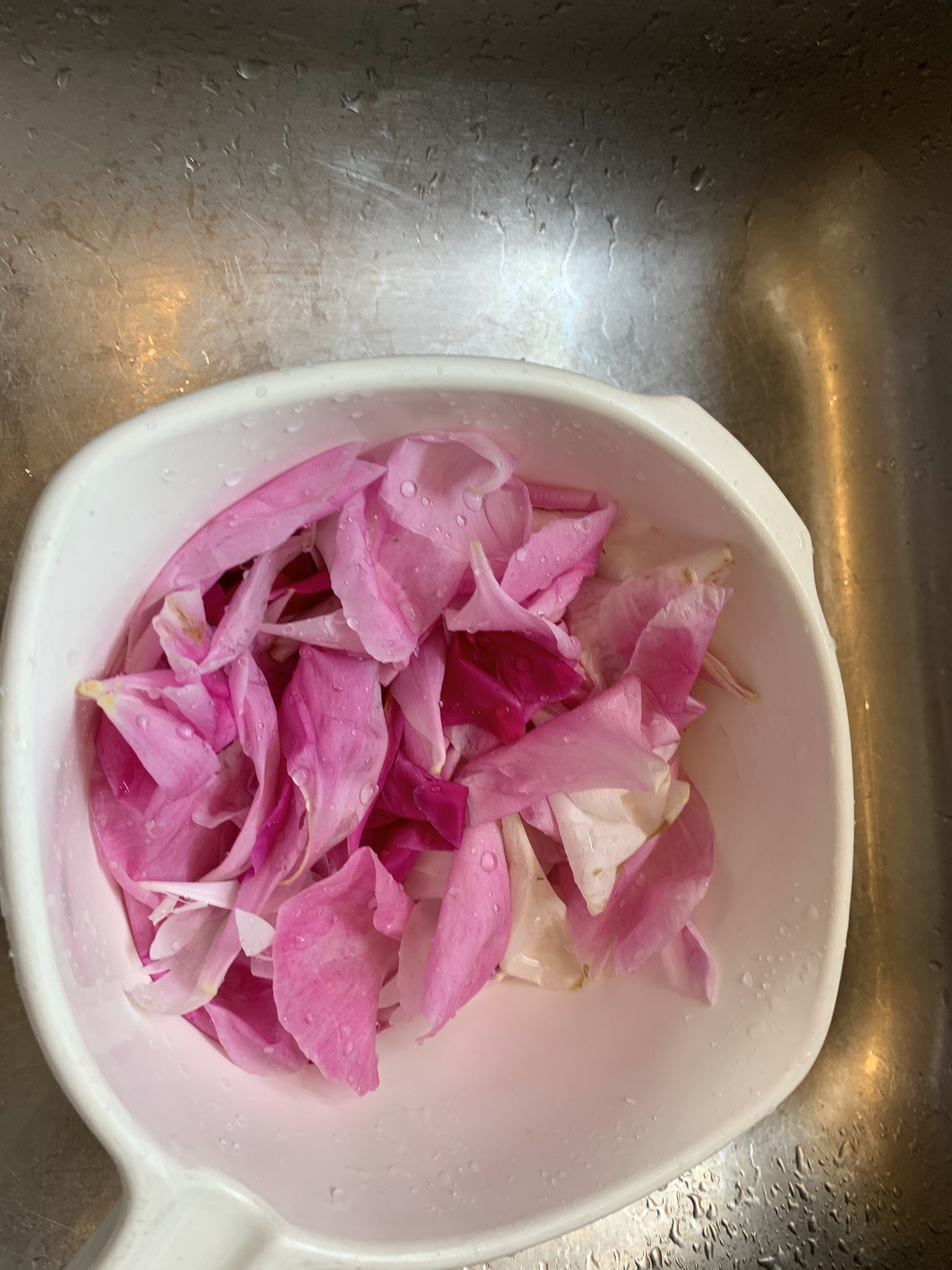
Peony blossoms can be full of little garden visitors, especially ants, so it helps to give them a careful check. Once inside, we pull the petals from the flower and trim away the bitter white base where the petal was attached.
That little extra step makes a big difference. What you want for jelly is the soft, fragrant petal — not the bitter bit at the bottom.
Why We Make Jelly
There is something deeply satisfying about using a flower simply because it is there and lovely and abundant. Not every plant has to become a tincture, salve, or tea blend. Sometimes the best way to honor a season is to turn it into something beautiful for the table.
That is exactly what peony jelly feels like to us. It is not something we make because we need it medicinally. We make it because we have these gorgeous blooms in both pink and white, and we love finding a purpose for every good thing the garden gives us.
The result is a delicate floral jelly that feels almost too pretty to eat — almost. It makes a wonderful homemade gift, and it is a fun way to preserve a little bit of spring before it fades.
Peony Jelly Recipe
Important note: Only use peony petals from plants you know have not been treated with pesticides or chemicals. Be sure your flowers are correctly identified, and use only the petals.
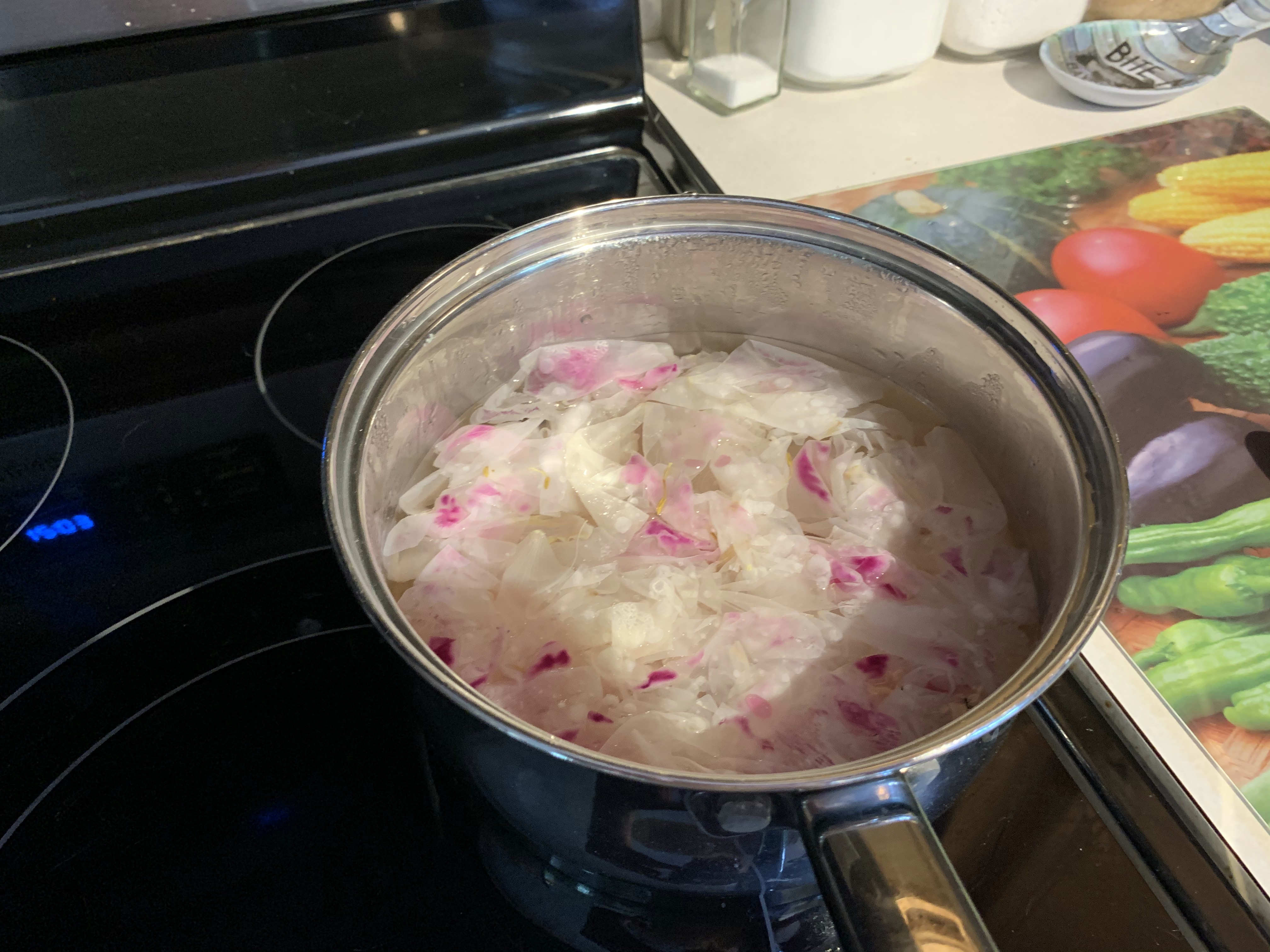
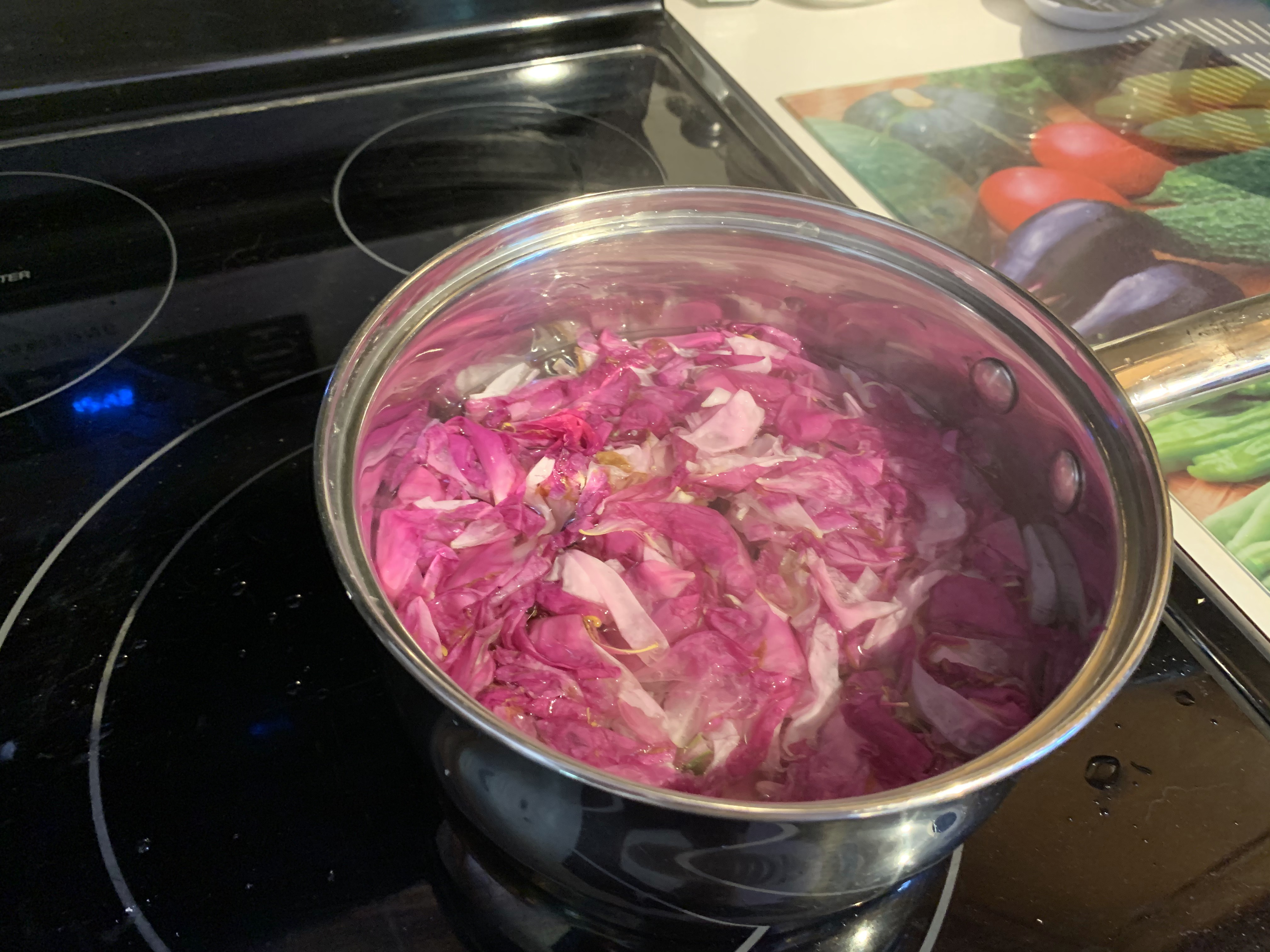
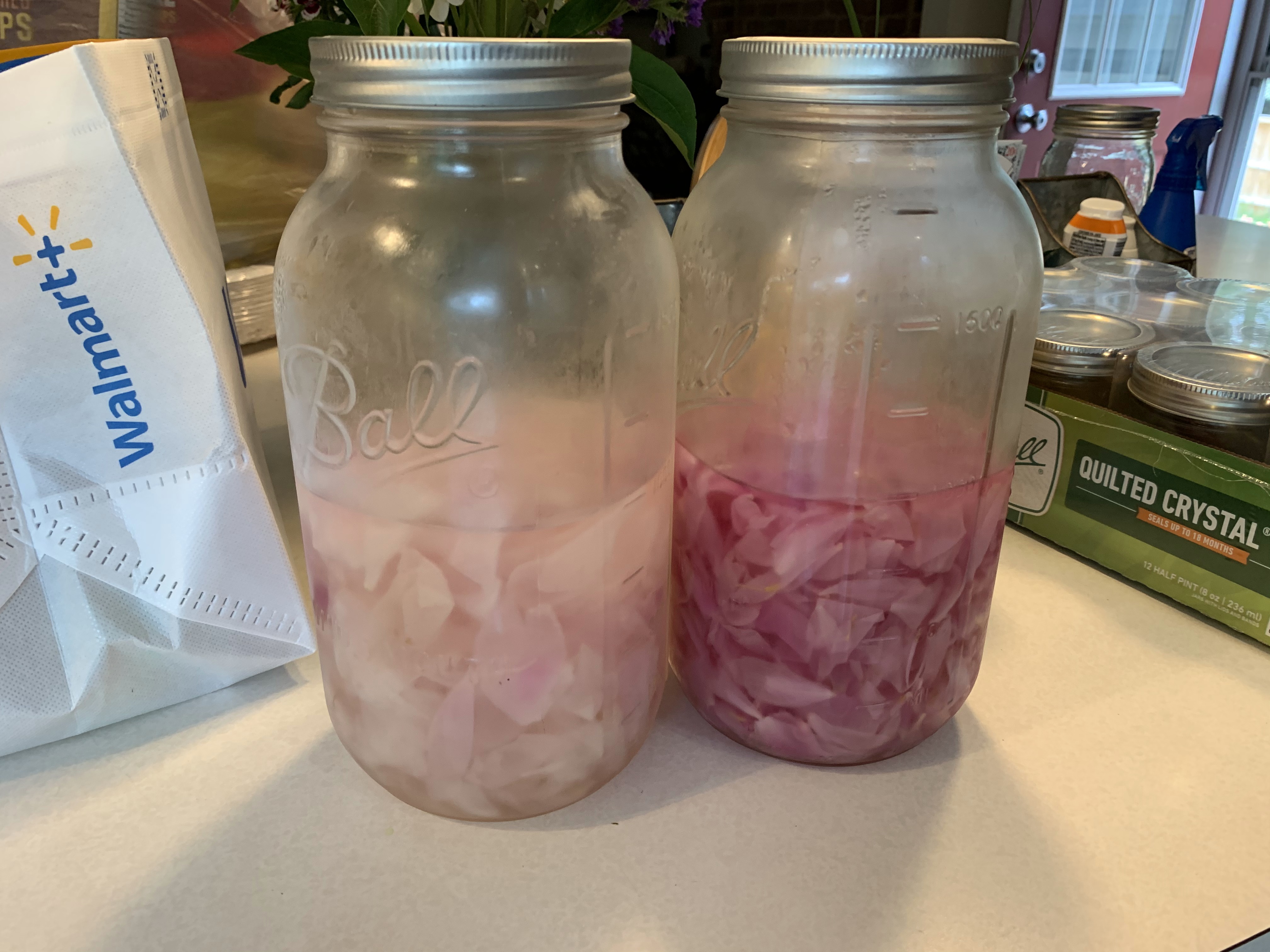
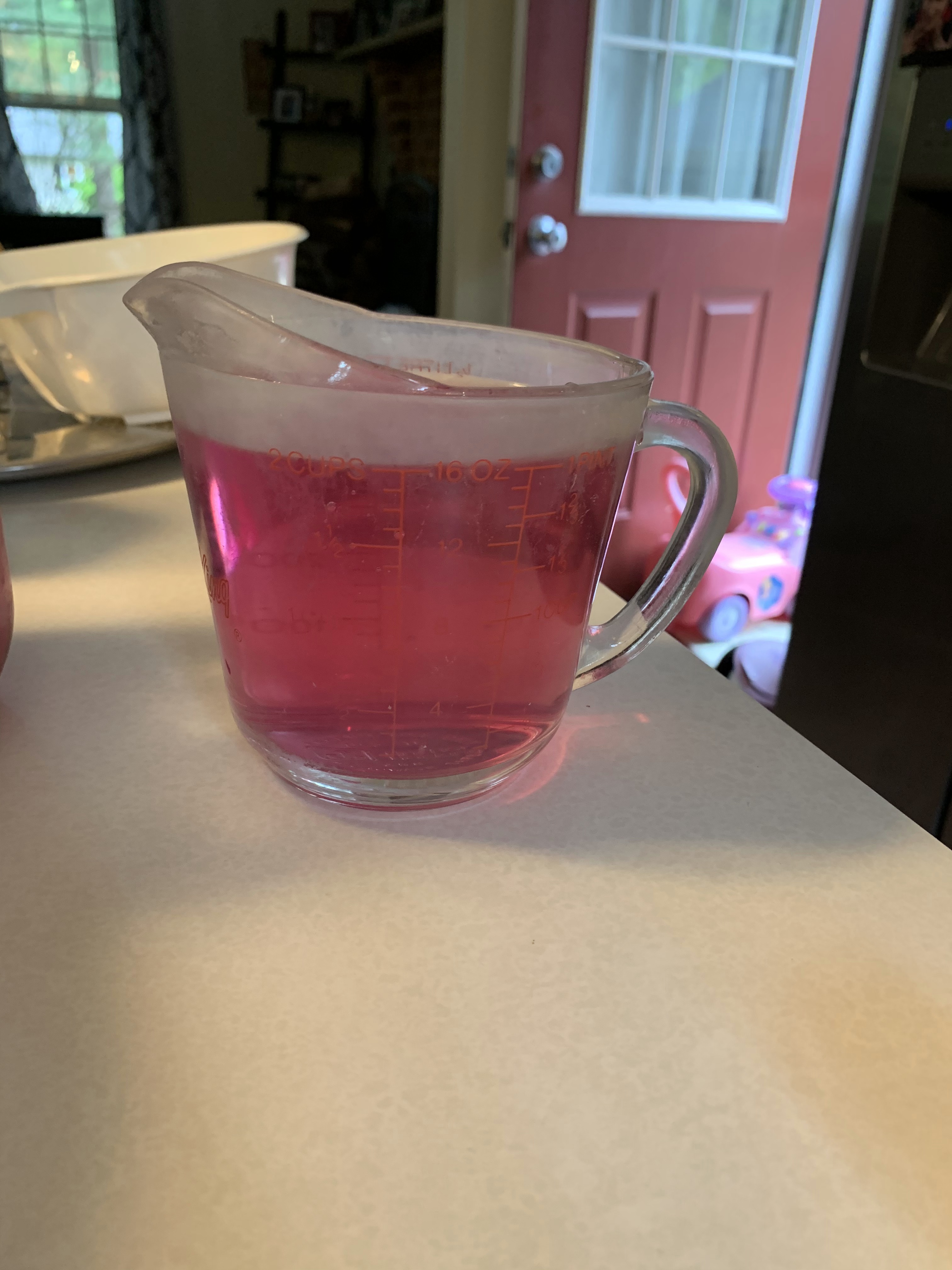
What you need
- 4 cups fresh peony petals, loosely packed, pink and white or a mix
- 4 cups water
- 1/4 cup lemon juice
- 1 box powdered pectin
- 4 cups granulated sugar
Directions
- Rinse the petals gently and remove any bitter white bases from the bottoms.
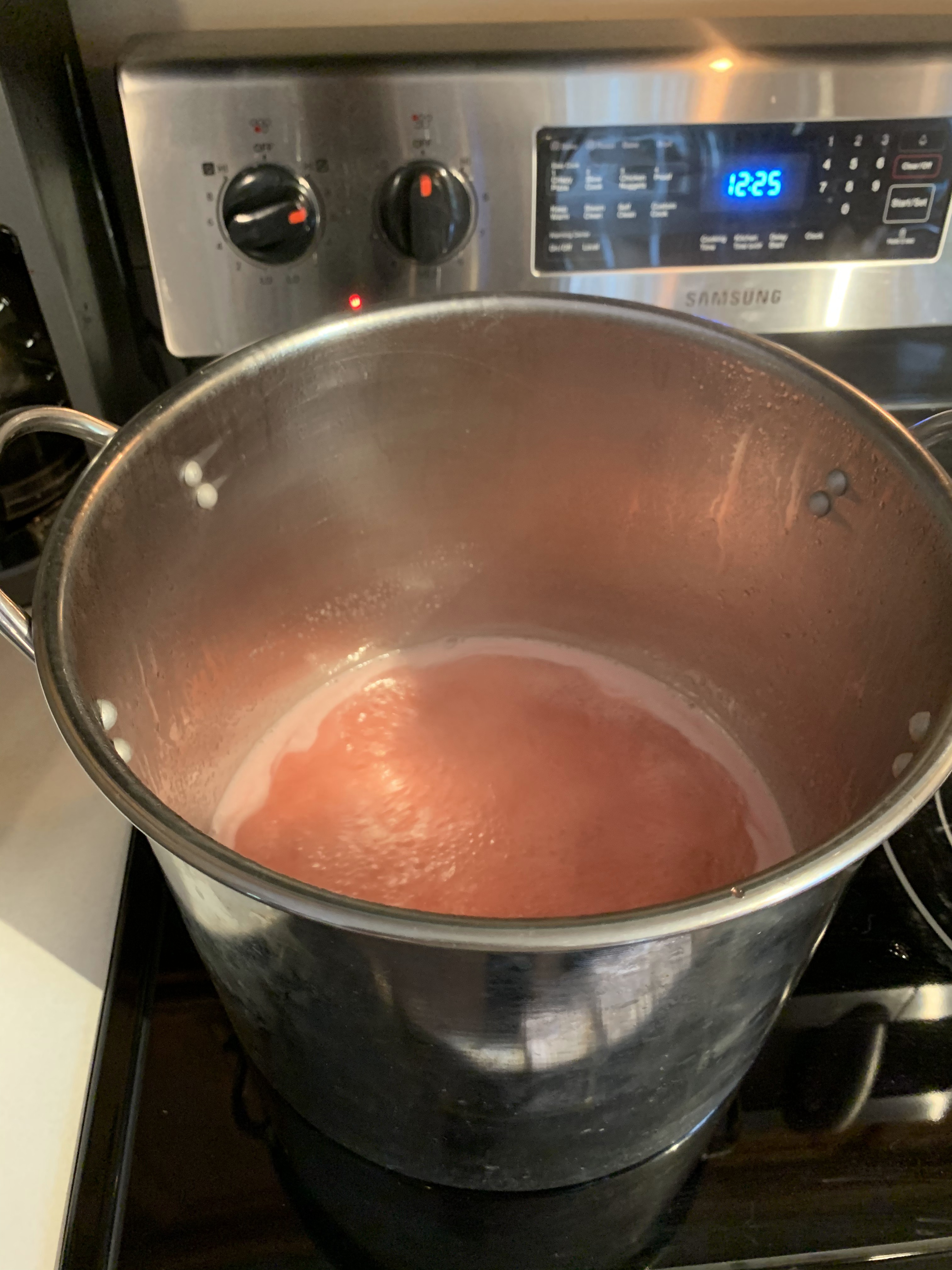
- Place the petals in a pot and pour 4 cups of water over them.
- Bring to a gentle simmer, then reduce heat and let simmer for about 10 minutes.
- Remove from heat, cover, and let steep for at least 30 minutes. For a stronger infusion, you can let it steep several hours or overnight in the refrigerator.
- Strain the liquid through a fine mesh strainer or cheesecloth, pressing gently to extract the color and liquid. Discard the spent petals.
- Measure out 3 cups of the peony infusion and pour it into a clean pot.
- Add the lemon juice and powdered pectin, stirring well.
- Bring the mixture to a full rolling boil over medium-high heat.
- Add the sugar all at once and stir until fully dissolved.
- Return to a hard boil and boil for 1 minute, stirring constantly.
- Remove from heat and skim off any foam if needed.
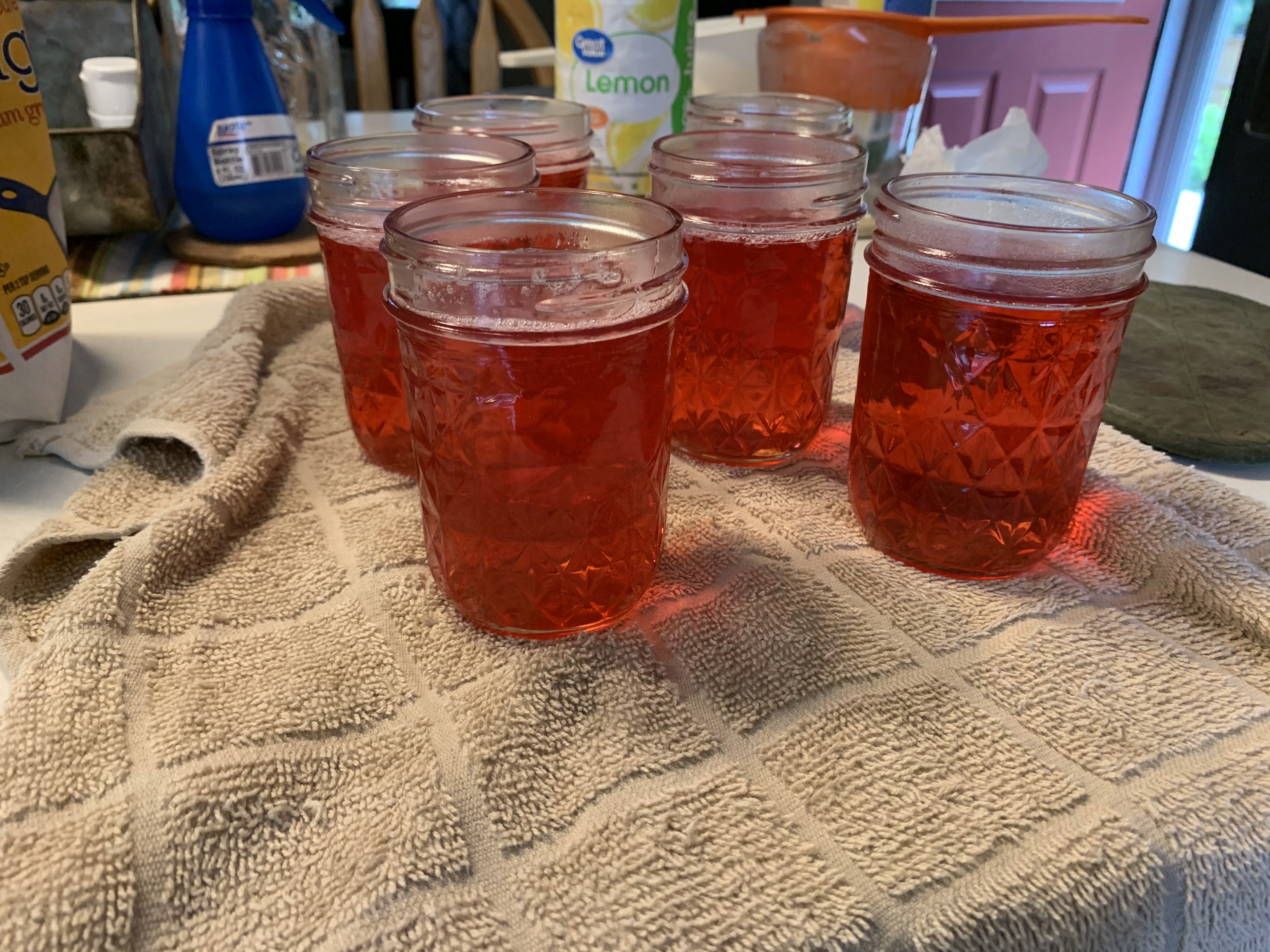
- Pour into sterilized jars, leaving about 1/4 inch headspace.
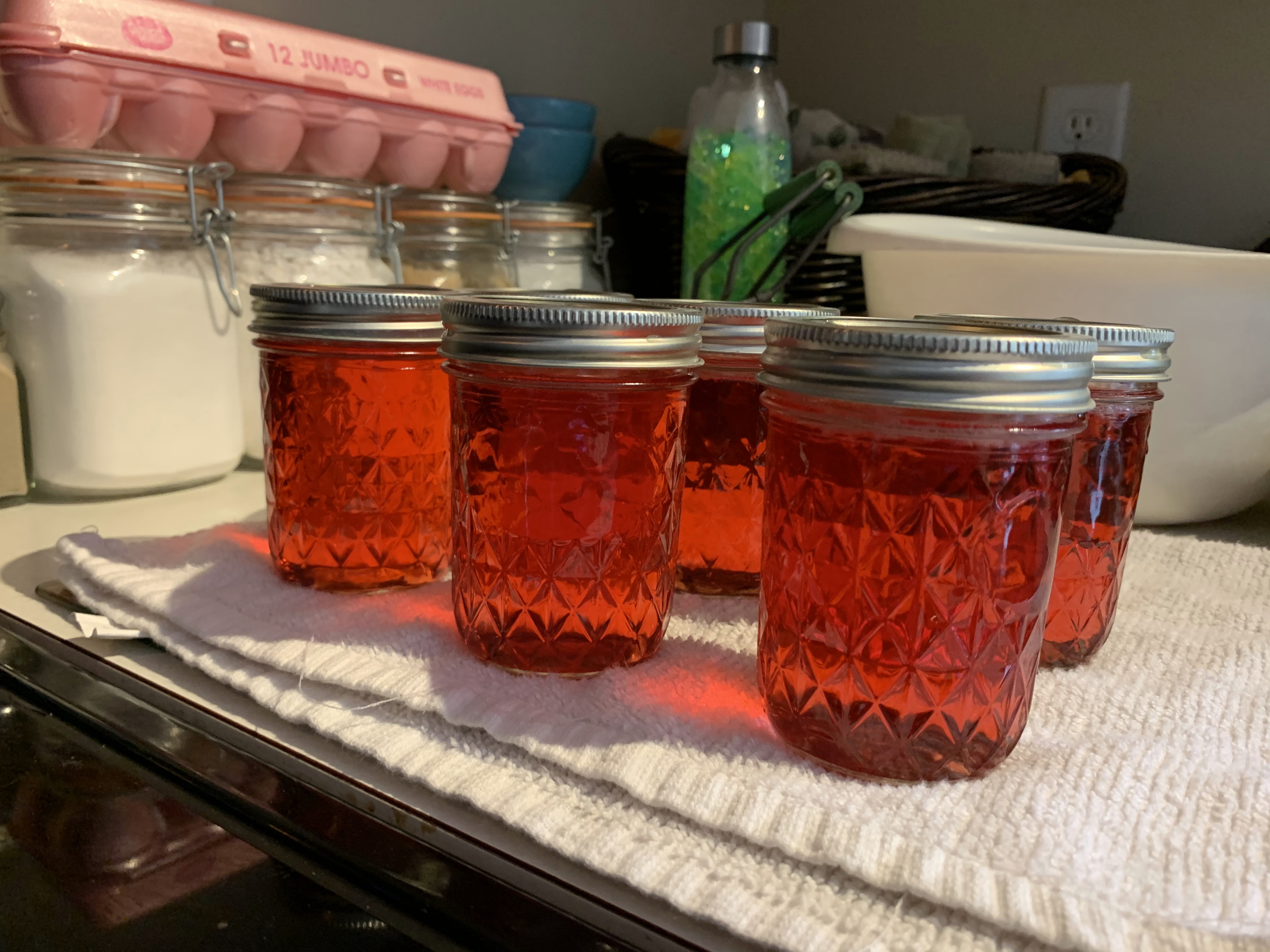
- Seal and process in a water bath canner for 10 minutes if you want shelf-stable jelly, or let cool and store in the refrigerator.
Yield
About 4 to 5 half-pint jars, depending on how much liquid cooks down.
Peony jelly is lovely on toast, biscuits, scones, or paired with soft cheese. It also makes one of the prettiest spring pantry jars you will ever make.





Leave a Reply