
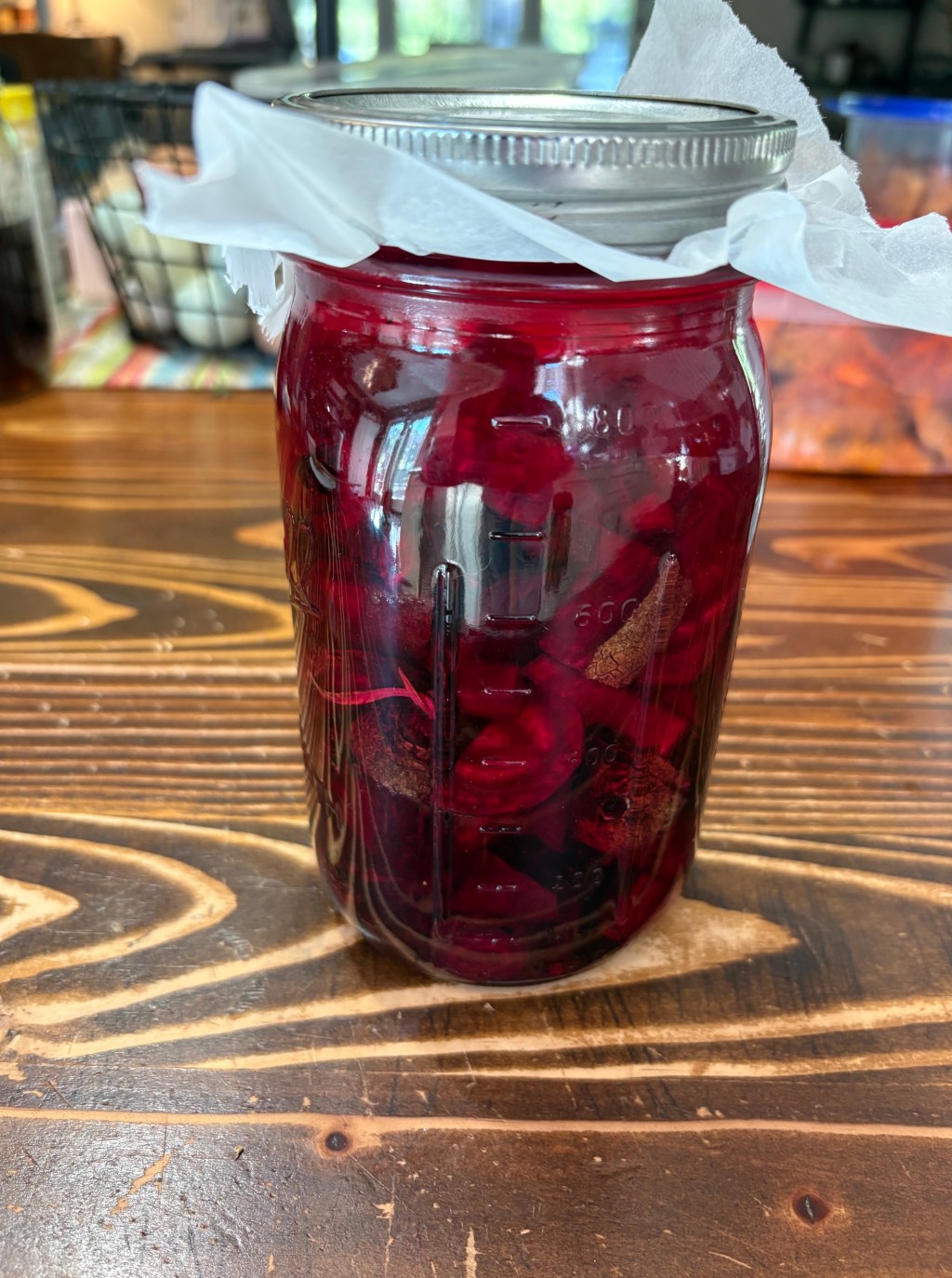
There is nothing quite like pulling a vibrant crop of beets (Beta vulgaris) from rich, wood-chip-mulched garden soil! This season, our garden rewarded us with an abundant harvest, and while the prime, baseball-sized roots are headed for pickling, powdering and cellar storage, we found ourselves with a basket full of tiny, marble-topped thinnings and awkward runts.
On the homestead, we never let good medicine go to waste. Those smaller beets are packed with potent plant chemistry, making them the absolute perfect candidates for a quick rough chop and an easy homestead tincture!
🔬 The Phytochemistry & Benefits of Beet Root
While beet root is a familiar kitchen staple, it is also a powerhouse in botanical medicine. Extracting the root into a concentrated liquid preparation pulls out a wide matrix of therapeutic constituents:
- Nitric Oxide Production (Cardiovascular Support): Beets are exceptionally rich in natural dietary nitrates. Inside the body, these nitrates convert into nitric oxide, a signaling gas that relaxes vascular smooth muscle, promotes vasodilation, and encourages healthy blood flow and balanced blood pressure.
- Betalain Pigments (Cellular Antioxidants): That deep, ruby-red color comes from specialized water-soluble nitrogen pigments called betalains (primarily betacyanins and betaxanthins). These pigments act as free-radical scavengers, quenching systemic oxidative stress and protecting cell membranes.
- Betaine for Liver Support: Beet root delivers meaningful amounts of betaine (trimethylglycine), a lipotropic compound that supports methylation pathways, aids cellular hydration, and assists the liver in processing and clearing fats.
- Athletic Stamina & Endurance: By optimizing oxygen delivery to working muscle tissues via nitric oxide pathways, regular beet root supplementation helps reduce fatigue during heavy homestead chores and physical exertion.
🛠️ Step-by-Step: Making a Fresh Beet Root Tincture
We are using the traditional folk method for this preparation, which relies on simple ratios and minimal fuss. Because fresh roots have a naturally high moisture content, using a higher-proof alcohol (100-proof / 50% ABV vodka or organic cane alcohol) ensures the finished menstruum maintains a safe preservation threshold above 25–30% ABV once the root juices release.
Supplies Needed:
- Fresh garden beet roots (scrubbed clean)
- 100-proof vodka (50% ABV) or 80-proof minimum
- Clean wide-mouth glass mason jar with tight-fitting lid
- Cutting board and chef’s knife
- Unbleached cheesecloth, muslin cloth, or a fine-mesh stainless sieve
- Amber glass dropper bottles for final storage
Step 1: Prep and Chop the Roots
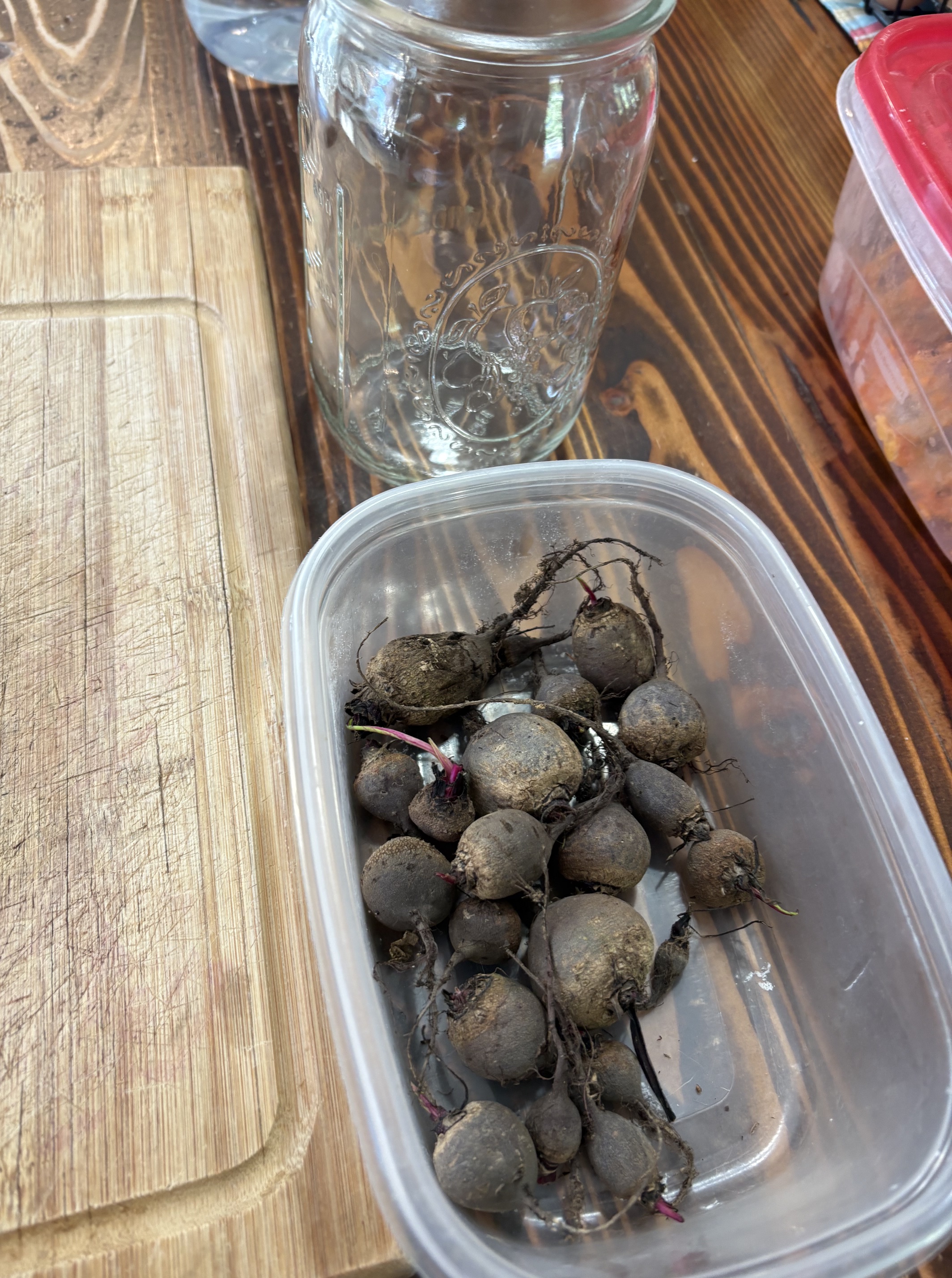
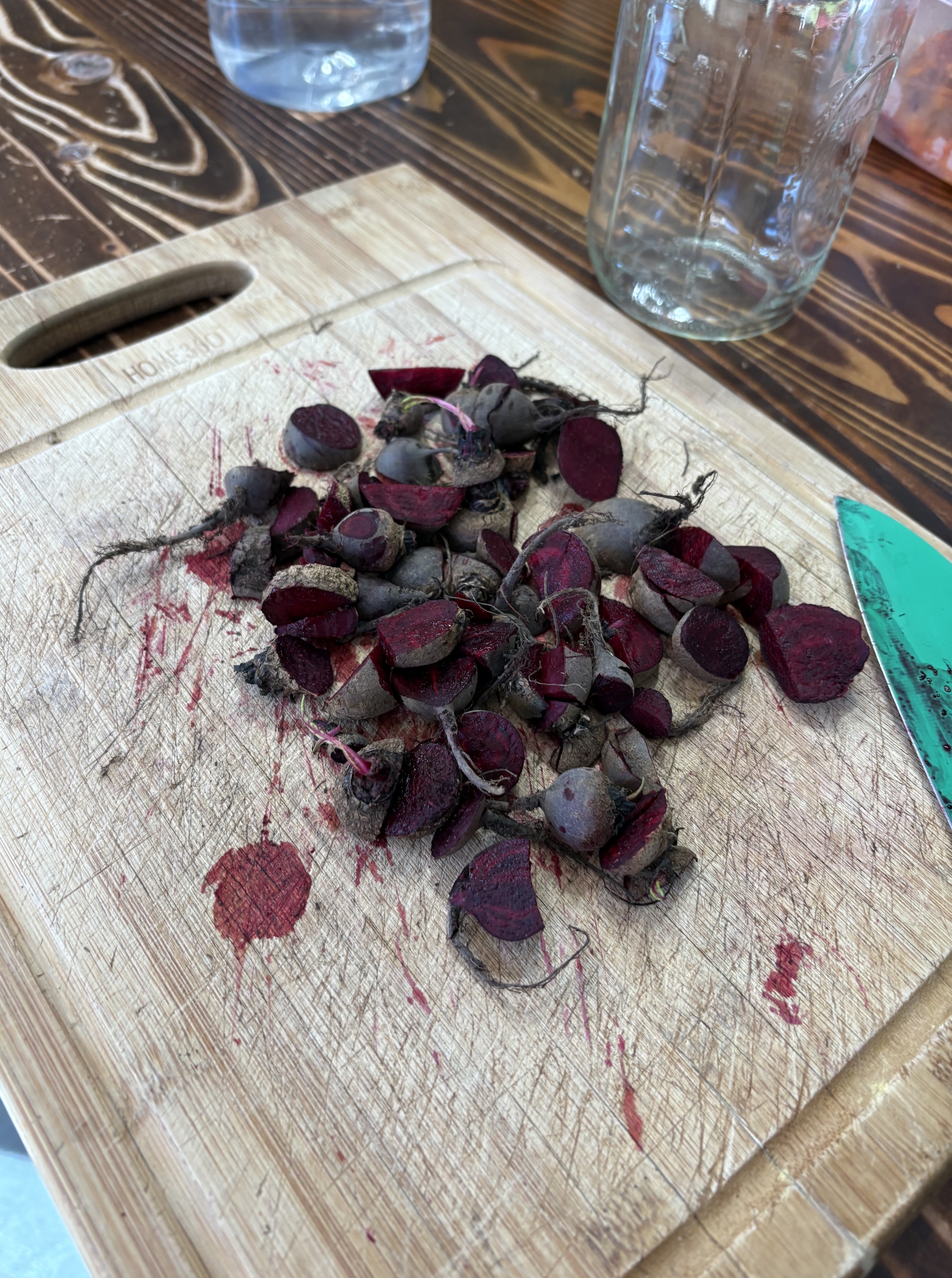
Scrub the beets thoroughly under cool running water with a stiff vegetable brush to remove garden soil, but leave the nutrient-dense peel intact. Pat the roots dry with a clean towel. Give the beets a rough dice into quarter-inch to half-inch pieces. Dicing exposes maximum surface area so the alcohol can easily penetrate the plant tissues.
Step 2: Pack the Mason Jar
Place your chopped beet cubes into your clean glass jar, filling it roughly half to two thirds full. Do not tamp the roots down into a solid block; you want the pieces loose enough for liquid to circulate freely around every cut edge.
Step 3: Pour the Alcohol (Menstruum)
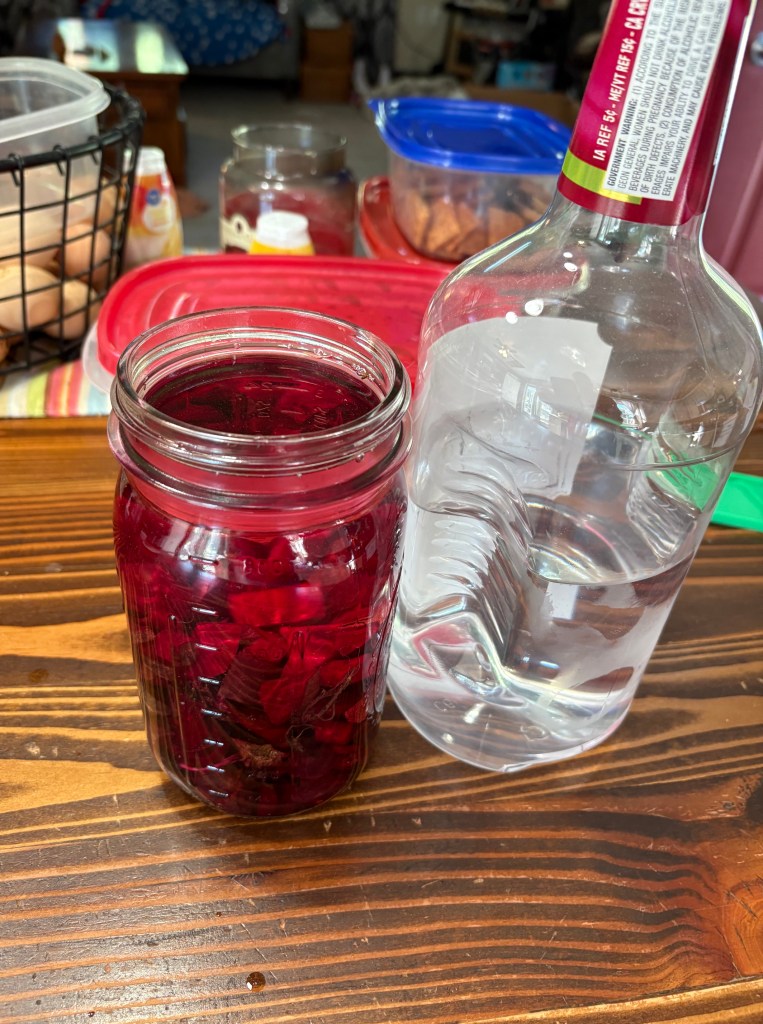
Pour your 100-proof vodka over the beets until they are completely submerged, bringing the liquid level about one inch above the top of the roots. Ensure no beet edges poke out into the air, as exposed plant matter can oxidize or spoil.
Step 4: Seal, Label, and Macerate
Secure the lid tightly. Label your jar with the plant name (Beta vulgaris), the menstruum used (e.g., 100-proof vodka), and the date prepared. Place the jar in a cool, dark cupboard away from direct sunlight.
Give the jar a gentle shake every couple of days. Within hours, you will see the alcohol turn an intense, glowing ruby red as the betalains and nitrates begin extracting ! Allow the mixture to macerate for 4 to 6 weeks, 8 to 10 weeks if using 80 proof.
Step 5: Press and Bottle
After 4 to 6 weeks, place several layers of cheesecloth or clean muslin over a glass measuring bowl. Pour the contents of the jar through the cloth, gather up the corners, and squeeze the spent beet pulp firmly to extract every last drop of concentrated red liquid.
Using a small funnel, transfer the finished tincture into labeled amber glass dropper bottles and store them in a cool, dark cabinet.
💧 Adult Dosing Guidelines
Tinctures provide a rapid, highly bioavailable way to take your herbal medicine without needing to boil or juice pounds of fresh vegetables every day.
- Standard Daily Tonic Dose: Take 20 to 30 drops (approximately 1 full dropper squeeze, or 1 mL) in 2 to 4 ounces of water or fresh juice, 1 to 3 times daily.
- Athletic or Stamina Boost: Take 1 to 2 full droppers (1 to 2 mL) diluted in water roughly 30 to 45 minutes before rigorous garden labor, chores, or workouts.
- Storage Life: When kept in amber glass out of direct heat and light, alcohol-based root tinctures remain stable and potent for 3 to 5 years.
Do you grow beets in your garden, or have you ever turned kitchen root crops into apothecary remedies? Let us know in the comments below!




Leave a Reply